Heating & Cooling · 6 min read · 1 July 2026
Summer AC Maintenance Checklist for UK Homes (Printable)
Air conditioning in a British house sits idle for forty weeks, then gets asked to hold 21°C through a 32°C night. Here is the fortnightly, seasonal and annual routine that keeps it doing that.
By the Nims Casa editorial team — written from professional cleaning experience and checked against our editorial standards.
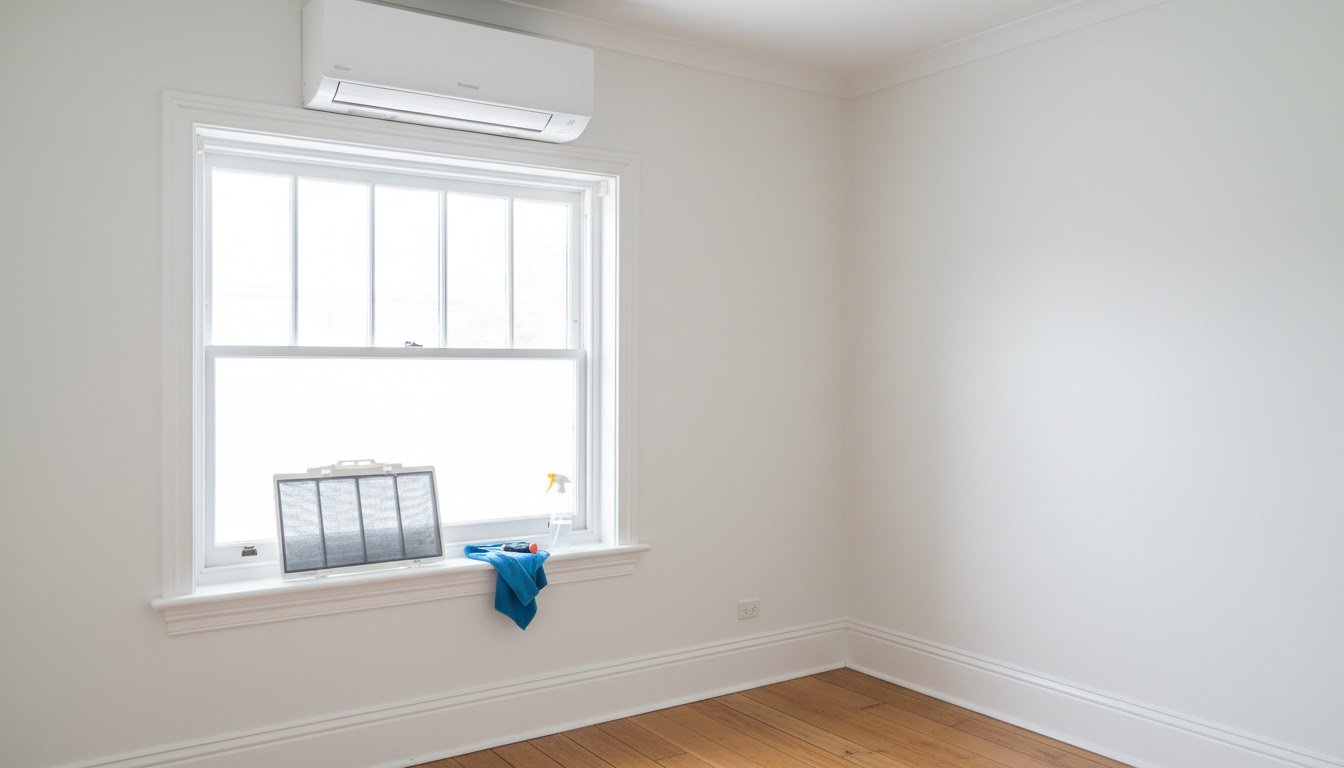
Air conditioning in a British house sits untouched for forty weeks, then gets asked to hold a bedroom at 21°C through a 32°C July night — at which point everyone discovers the filters have not been out since the day it was fitted. A furred filter and a pollen-packed condenser take 15-20% off cooling output and add roughly the same to running costs. The first symptom is rarely weak cooling; it is water running down the wall from a blocked condensate drain.
Here is the schedule we work to on domestic splits and reversible air-to-air heat pumps, with real times and prices — and a hard line through the middle, because some of this work an uncertified person legally cannot touch in the UK.
Where DIY stops: the F-Gas line
Everything on the air side is yours: filters, grilles, fins, drains and the ground around the outdoor unit. Everything on the refrigerant side belongs to an engineer holding F-Gas Category I certification (City & Guilds 2079 or equivalent). Under the Fluorinated Greenhouse Gases Regulations 2015, recovering, charging or venting refrigerant without it is an offence, and that applies to a 2.5 kW bedroom split, not just commercial plant.
The system is sealed and pre-charged, so if yours needs topping up it has a leak, and adding gas without finding it is money burned. Rule out the ordinary causes first: see why an AC unit stops cooling properly — nine times in ten it is airflow, not gas.
- •DIY, no certification needed: filters, the indoor coil face, vanes, the condensate drain, clearing and rinsing the outdoor coil, combing fins, pipe lagging, and a temperature-split test.
- •Engineer only, by law: connecting gauges, adding or recovering refrigerant, brazing, pressure testing, evacuating, or replacing any sealed-system component.
- •Engineer only, in practice: capacitors and contactors, the outdoor electrical box, stripping the indoor unit for a bib wash, hard-wired condensate pumps, and any new circuit — notifiable under Part P in England and Wales, as our list of electrical jobs that should never be DIY sets out.
Every fortnight while it is running (10 minutes, £0)
Daikin, Mitsubishi Electric and Panasonic all specify fortnightly filter cleaning under heavy use — mid-May to mid-September in a UK summer. Skip it and reduced airflow makes the evaporator run colder, which is how a coil ices up on the hottest afternoon of the year.
- •Slide out both mesh filters, vacuum the dusty side, then rinse in lukewarm water — under 40°C — with a drop of washing-up liquid.
- •Dry them flat and in the shade. Never refit a damp filter or use a hairdryer: the mesh warps and stops seating.
- •Wipe the discharge vane and fascia with a damp microfibre. Dust here becomes that sour, gym-bag smell.
- •Check the condensate pipe drips while the unit runs. A dry pipe on a humid day means the drain is blocking.
- •Outside: no clippings in the fins, 30 cm clear behind, 60 cm in front.
The May start-of-season service (90 minutes, about £25)
Do this before the first hot spell, not during it. Isolate first — the rotary isolator beside the outdoor unit, then the fused spur or MCB indoors — and wait five minutes. Aim for late April: UK grass pollen peaks from mid-May to late July.
- •Wash the filters; check frames for splits (10 min, £0).
- •Vacuum the exposed evaporator fins with a soft brush — with the fins, not across them — then apply a no-rinse foaming coil cleaner and let it drain into the tray (25 min, £10-£14).
- •Flush the tray and drain with 200 ml of warm water and a condensate tablet; it should reach the external pipe inside a minute (15 min, £1).
- •Outside, lift the top grille, hand-clear leaves and seed fluff, then rinse the coil with a garden hose from the inside out. Never a pressure washer: it folds fins flat and drives water into the fan motor (20 min, £0).
- •Comb bent fins straight and replace perished pipe lagging with split armaflex — UV kills it in five to seven years (10 min, £8).
- •Restore power, run cooling at 18°C on high fan for 15 minutes, then compare return air at the top grille with supply air at the outlet. Expect an 8-12°C drop; under 6°C points to a fouled coil, failing fan or charge problem, and our full cleaning method covers the fixes (15 min, £12).
Monthly outdoors, and what to do in October
The outdoor unit is where UK-specific damage happens. Mowing is the biggest cause of blocked condensers we see: clippings are fired into the fins and bake on. Within a kilometre of the coast, salt is next, and a monthly fresh-water rinse roughly doubles the life of an uncoated coil.
- •Monthly: sweep clippings clear, rinse coastal coils, check the drain outlet is not silted or webbed over.
- •October: a final clean so the unit overwinters clean, not damp and dirty. Do not shrink-wrap it — a full cover traps moisture against the fins and makes an excellent mouse nest.
- •October to March: if the unit is reversible, run it in heating for 15 minutes once a month. It circulates compressor oil and exercises the reversing valve.
- •October: check the anti-vibration feet, because perished rubber is what starts the neighbour complaints.
The annual professional service and what it should cost
Book a certified engineer once a year, ideally March or April when they are not fielding emergency calls at £180 a visit. A proper service takes 45-60 minutes on a single split and ends with a written report carrying pressures and temperatures, not a sticker. If yours is over twelve years old and losing R410A, weigh the repair against current AC installation costs and the signs a unit is finished: quota phase-down has made that gas expensive.
- •Single split: £90-£150 inc VAT. Each extra head on a multi-split, £45-£70; a three-head system, £180-£260.
- •Deep clean with the indoor unit stripped and bib-washed: £120-£200 per head, every three to five years or whenever there is a persistent smell.
- •Capacitor £90-£150; condensate pump £120-£180 fitted; leak detection, repair and recharge £250-£600.
- •The visit must include refrigerant pressures and superheat, current draw, a capacitor test, coil and drain condition, and a measured temperature split.
The kit list, and what to do first when time is short
Servicing your own system costs under £50, most of it one-off: no-rinse evaporator foam (£10-£14), a fin comb (£8-£12), condensate tablets (£8-£12 for twelve), a soft vacuum brush head, microfibres and a digital probe thermometer (£12-£20). Everything else on cooling, sizing and running costs sits in the Heating & Cooling hub.
- •Priority 1 — filters. Ten minutes, free, and it recovers more cooling than anything else here.
- •Priority 2 — clear and rinse the outdoor coil. Twenty minutes, free, and it stops the compressor tripping on high pressure at 4pm in a heatwave.
- •Priority 3 — flush the condensate drain. Fifteen minutes, £1, and it is the difference between cool air and a damp patch on the plasterboard.
- •For scale: a 3.5 kW split with a SEER around 7 averages about 0.5 kW — 13p an hour at 26p per kWh. A neglected coil adds a fifth to that.
Found this useful?
There's plenty more — hundreds of guides and honestly-tested product reviews for every corner of your home.
Browse All GuidesKeep reading
Heating & Cooling · 9 min read
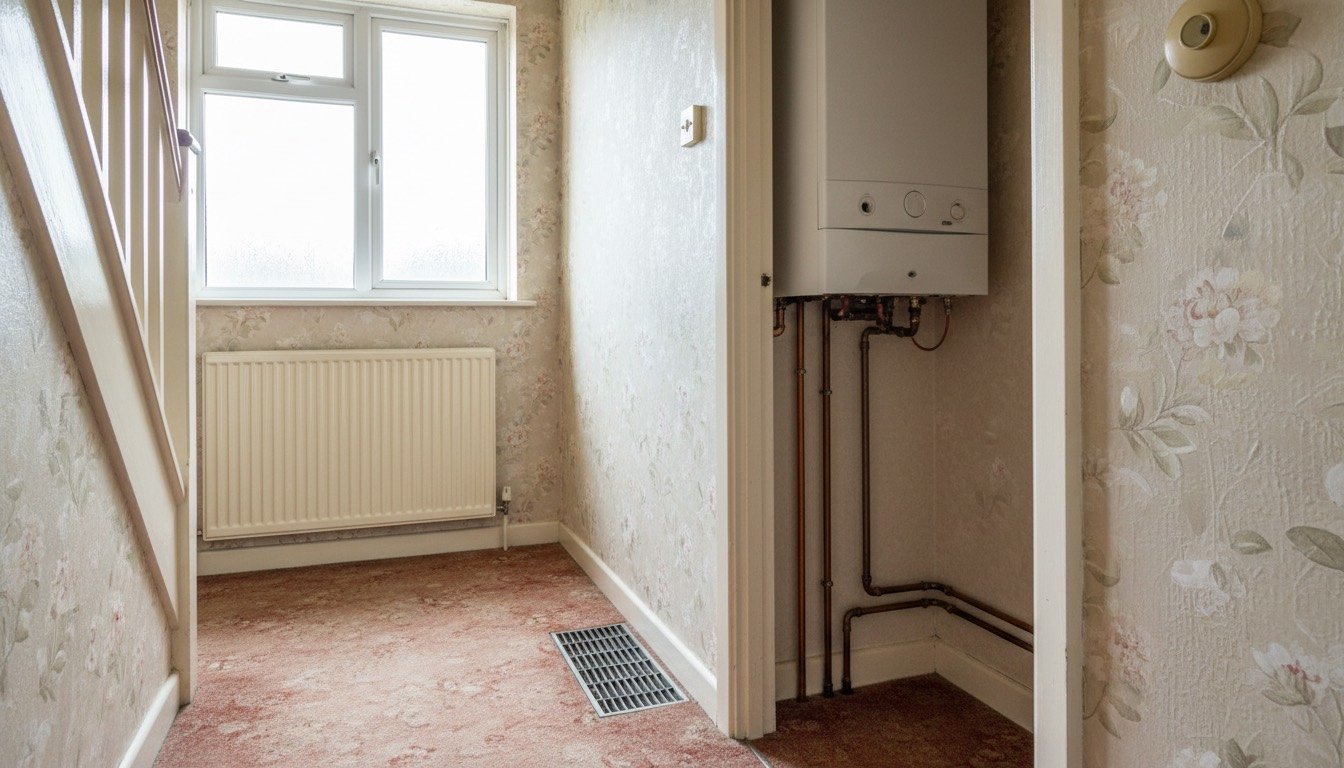
Heating Oil Prices October 2026: Should You Fill Your Tank Now?
UK heating oil is above 110p a litre in October 2026. Here is what a fill costs now, why prices moved, and how to decide whether to order or wait.
Heating & Cooling · 6 min read
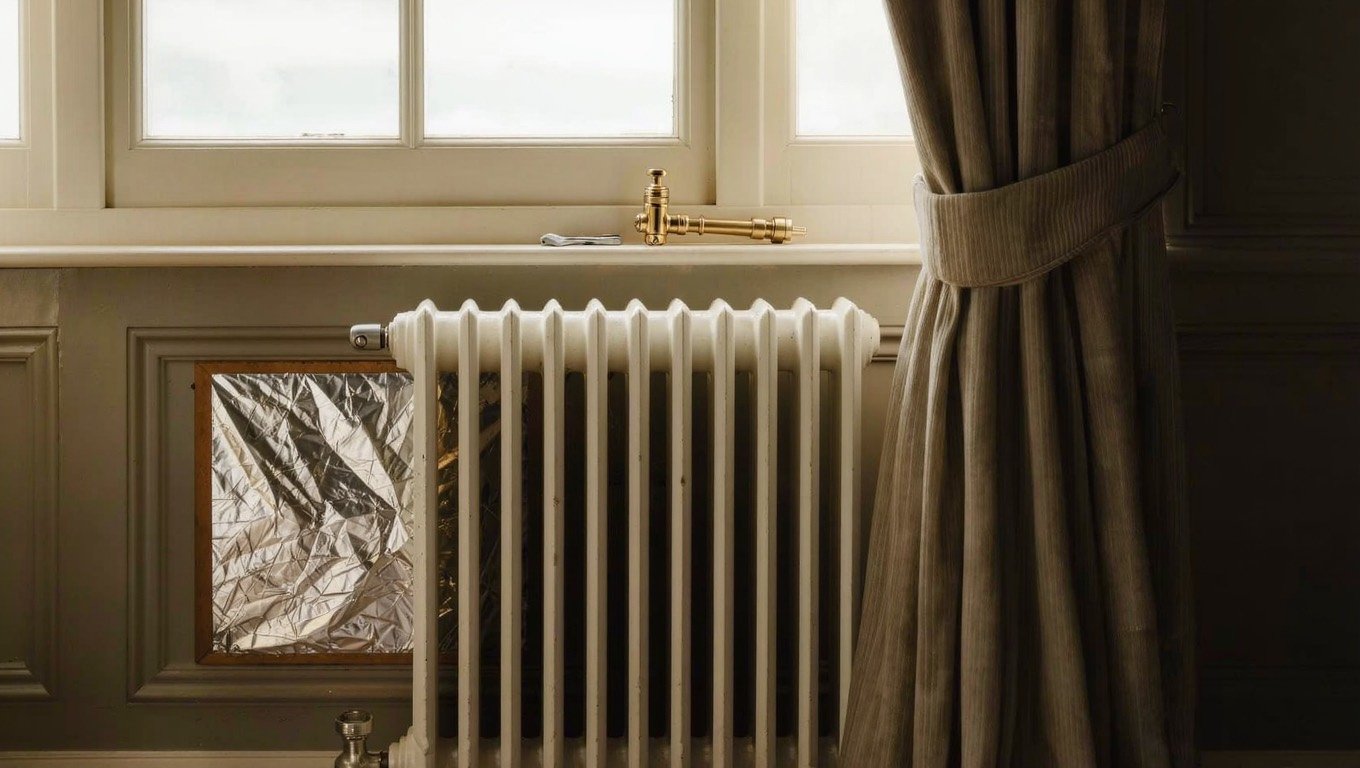
When to Turn the Heating On in Autumn 2026 and Spend Less
There is no single UK date for switching the heating on. Use the temperature indoors, the needs of your household and the way your home responds to autumn weather.
Heating & Cooling · 7 min read
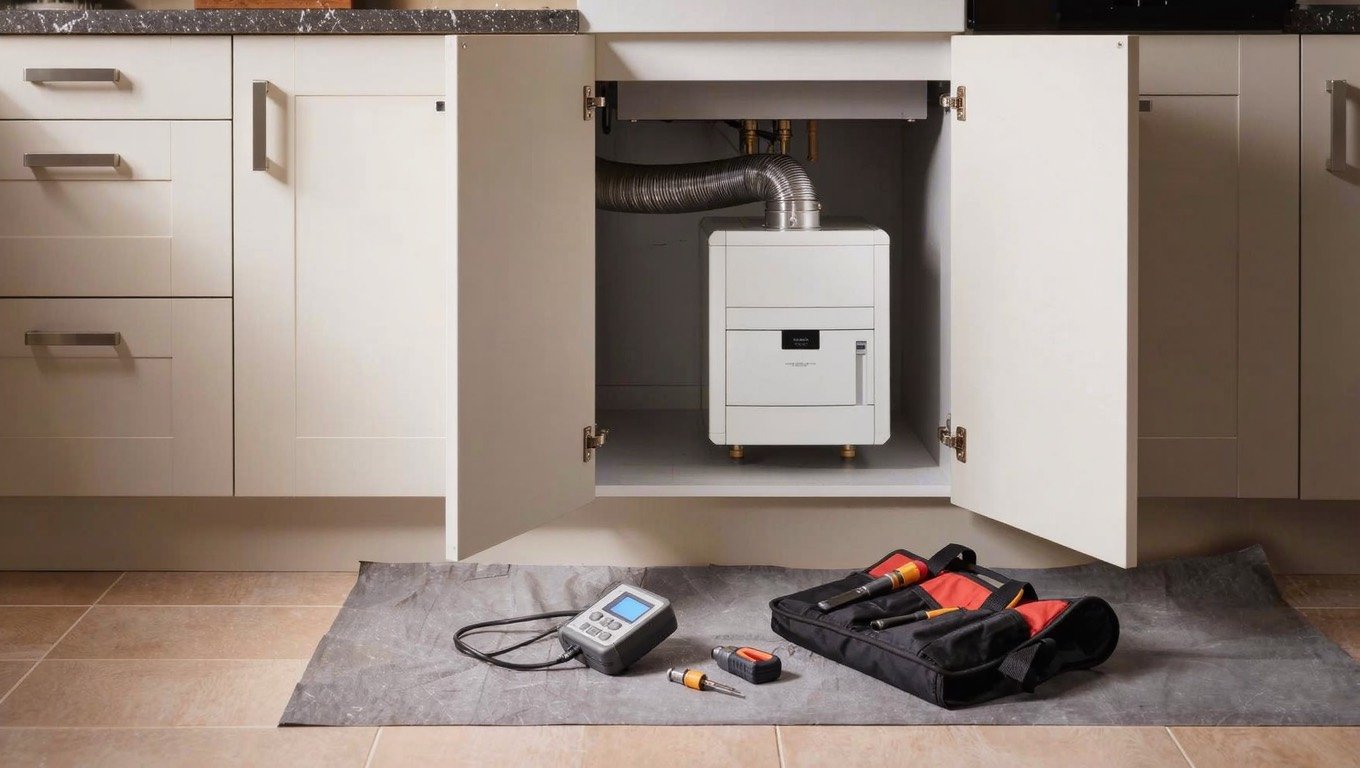
Turn Your Boiler Flow Temperature Down Before Gas Bills Rise on 1 October 2026
The cheapest heating job this fortnight is not something you buy. It is a dial most households have never touched, and on a condensing combi it is the difference between the boiler working efficiently and working hard.
Keep your home in brilliant shape
Hundreds of honest guides and tested product reviews — written from real hands-on experience.