Cleaning Guides · 6 min read · 14 August 2026
Wheelie Bin Cleaning: The 10-Minute DIY Routine vs Paid Services
At 25°C a black bin is an incubator. Here is the ten-minute routine that keeps it clean, what to do with the filthy water, and whether a £5-a-month bin round earns its keep.
By the Nims Casa editorial team — written from professional cleaning experience and checked against our editorial standards.
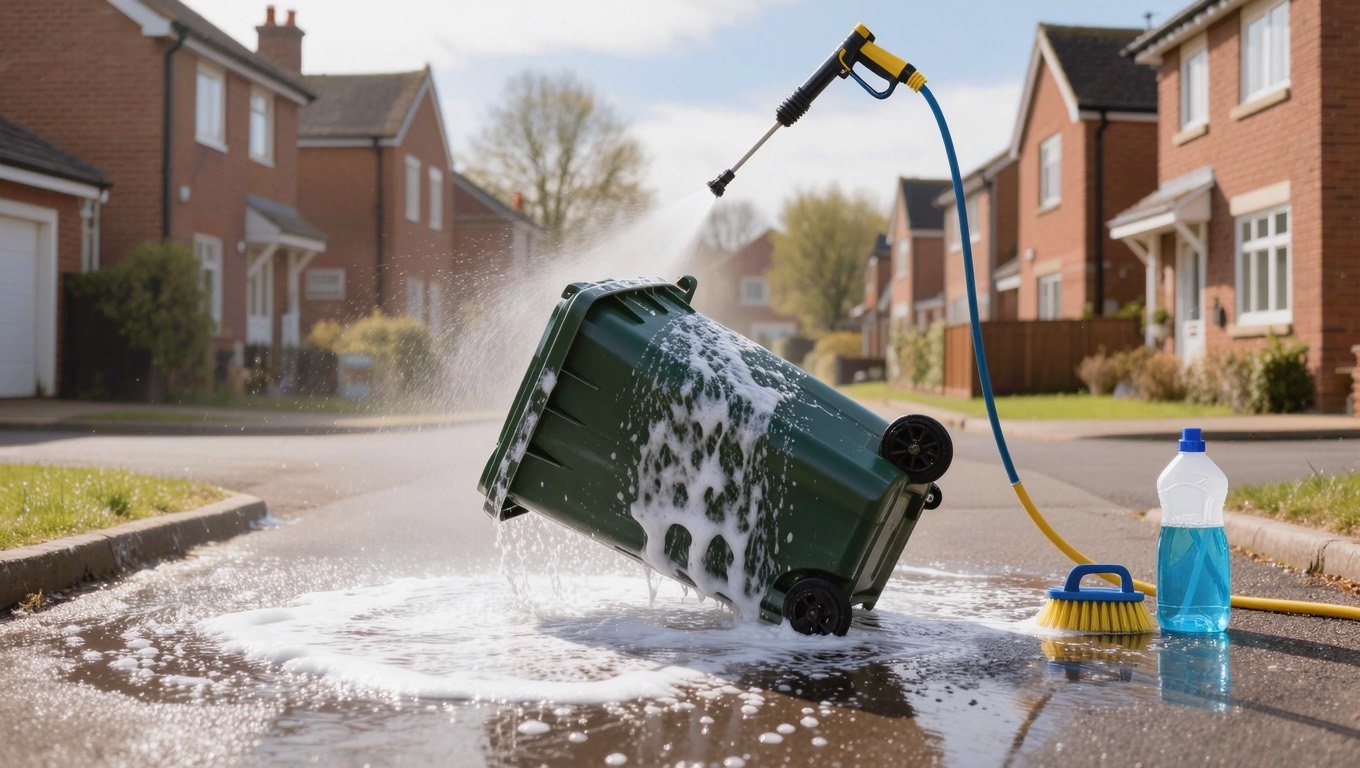
Every August it happens: a warm fortnight, a fish skin in the bottom of the black bin, and by day four something under the lid is moving. Bluebottles lay eggs on a bin rim within minutes, and above about 24°C those eggs become maggots in under 24 hours.
After one proper deep clean, keeping a wheelie bin fresh takes ten minutes a fortnight and costs pennies; the alternative is a bin round at £3 to £5 per bin per month. Here is the honest version of each — including the part most guides skip: what you do with the dirty water, which matters more than you would expect in an older house.
Safety First
Nothing here is high risk, but a few things catch people out.
- •Wear rubber gloves, plus old clothes if pressure washing — the spray bouncing out of a dirty bin is unpleasant stuff.
- •Pick one disinfectant. Bleach mixed with anything acidic or ammonia-based releases chlorine gas.
- •Outdoor disinfectants such as Jeyes Fluid harm pets and aquatic life. Dilute to label strength — roughly 150ml in 5 litres — and keep pets off wet surfaces until dry.
- •Tip bins away from you with the lid folded back; even empty, a 240-litre bin weighs 10 to 12kg.
- •During a hosepipe ban the bucket-and-brush method below is fine everywhere; hose rinsing may not be.
Tools, Materials, Time and Cost
Budget 25 to 30 minutes for the first deep clean of a foul bin, then 10 minutes a time. Materials cost 20p to 40p per clean.
- •A long-handled dish brush or stiff brush kept only for the bins — £4 to £8 anywhere
- •A bucket, hot water and washing-up liquid
- •A disinfectant: Jeyes Fluid (around £7 for 5 litres of concentrate), Zoflora diluted 1:40, or plain thin bleach rinsed off well
- •Optional: a pressure washer on a wide fan setting
- •Aftercare: bicarbonate of soda, bin powder, or 240-litre liners (about £10 for 50)
The 10-Minute Routine, Step by Step
Always clean on collection day, while the bin is empty. A pressure washer is quicker on caked-on residue, and if you are already out doing the patio it adds five minutes; for routine upkeep the brush honestly wins. Buying a machine anyway? See our best pressure washers guide.
- •1. Tip loose debris into a bag; scrape stuck-on gunk off the base with an old wallpaper scraper.
- •2. Pour in 5 to 10 litres of hot soapy water; tilt and slosh so it reaches every side.
- •3. Scrub base corners, walls, the underside of the lid and the lip where the lid seats — flies lay on that lip, and most people never touch it.
- •4. Tip the water down a foul drain (next section — the step people get wrong), then rinse.
- •5. Wipe diluted disinfectant round the inside, lid and handles — the part everyone touches and no one cleans.
- •6. Leave upside down, propped on bricks, until bone dry — a bin put away wet smells again within days.
- •7. Dust bicarbonate of soda or bin powder across the base, or fit a liner.
Where the Dirty Water Goes — Especially in Older Houses
Bin water and disinfectant go down a foul drain, never a surface water drain. On most housing built after about 1970, kerb grids and drive gullies carry rainwater straight to a river or soakaway, untreated — tipping bin water and Jeyes down one is a pollution offence, not a technicality.
For once, the old house makes life easier. Victorian and Edwardian terraces almost all have combined drainage: the open gulley in the back yard — the grid under the kitchen waste pipe — feeds the same sewer as the toilet, so it is exactly the right place for bin water. If it gurgles or backs up, the trap is part-blocked with silt; clear it, and if odours persist our guide to why drains smell covers the usual suspects. Unsure where a drain leads — rural cottages on septic tanks are the tricky case — tip the water down the loo instead.
One more old-house point: in a Victorian side return the bin sits hard against soft brick and lime mortar, which pressure-washer overspray and strong disinfectant will stain and erode. Wheel the bin a metre clear before washing and never blast the wall behind it.
Maggots, Smells and Liner Tricks: Prevention
Maggots always mean one thing — a fly reached exposed food — so every fix breaks that chain. If flies are established indoors too, our guide to getting rid of fruit flies, drain flies and house flies deals with the source; otherwise the bin is re-seeded weekly.
- •Wrap meat and fish scraps in newspaper, or freeze them until collection morning — this habit alone prevents most infestations.
- •Keep the lid fully shut. An overfull bag props it open 2cm; that gap is the front door.
- •Tie bags properly and double-bag anything wet — a split bag is a fortnight of bin juice in the base.
- •Line the base with flattened cardboard, an old compost sack, or purpose-made 240-litre liners.
- •In July and August, spray fly killer under the lid rim weekly; tea tree or citronella wiped round is the gentler version.
- •Maggots already hatched? A kettle of boiling water kills on contact — then do the full clean above.
Troubleshooting
Match symptom to fix before assuming the clean failed.
- •Smell back within days: the bin went away wet, or there is a crust under the base rim. Dry fully and scrape the underside.
- •Maggots keep returning: food going in unwrapped, or a dropped lid gaping at the front — check the hinge pins. Our pest-proofing checklist covers bins kept in sheds and porches.
- •Black staining that will not shift: bin mould. Neat thin bleach, ten minutes, rinse. Cosmetic only.
- •Garden or caddy bin smells worse than the black bin: fermenting grass — same routine, and let clippings dry a day first.
- •The gulley keeps blocking: silt and fat in the trap. Clear by hand with gloves, flush with hot soapy water; call a drain firm only if it re-blocks within weeks.
DIY vs a Bin Cleaning Round — and When to Pay
Rounds typically charge £3 to £5 per bin per month — £2.50 a bin on multi-bin deals — plus £5 to £10 for a heavily soiled first clean. The good ones follow the collection lorry, wash the bin on a lift that recycles and tanks its water (sidestepping the drainage question) and leave it dried and deodorised. Over a year that is £36 to £60 per bin against under £5 in materials.
A round earns its keep in three cases: no outside tap or nowhere to dry a bin, you cannot physically wrestle a 240-litre bin, or you know you will not do it in February. Before signing up, ask where the wastewater goes and whether they are a registered waste carrier — a legitimate operator answers both instantly. And if a bad smell survives a spotless bin and a clean gulley, stop scrubbing: the problem is the drain itself, and that is the moment for a drainage specialist, not a bin cleaner.
Found this useful?
There's plenty more — hundreds of guides and honestly-tested product reviews for every corner of your home.
Browse All GuidesKeep reading
Cleaning Guides · 6 min read
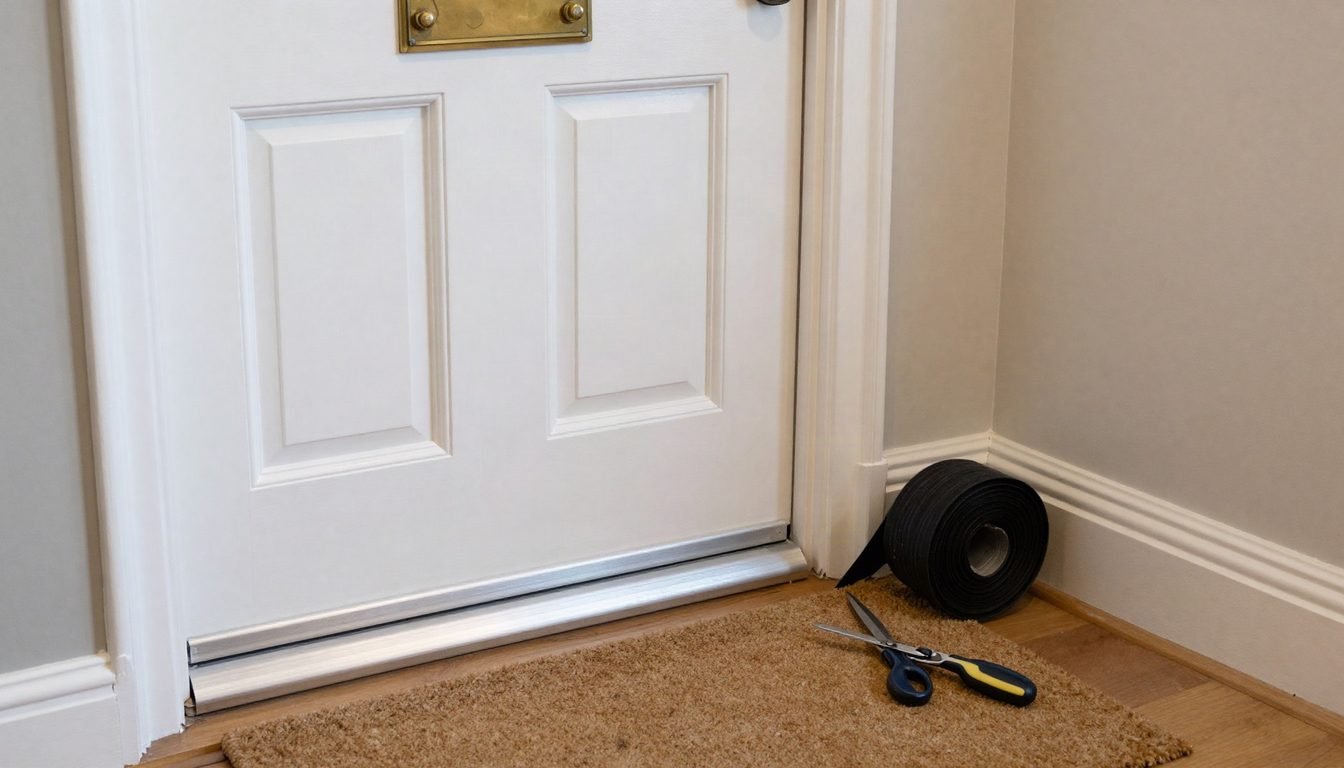
How to Stop Autumn Mud, Wet Leaves and Grit Coming Indoors
Autumn dirt is harder on floors than summer dust because it arrives wet and often carries abrasive grit. A few changes at the door can contain most of it.
Cleaning Guides · 6 min read
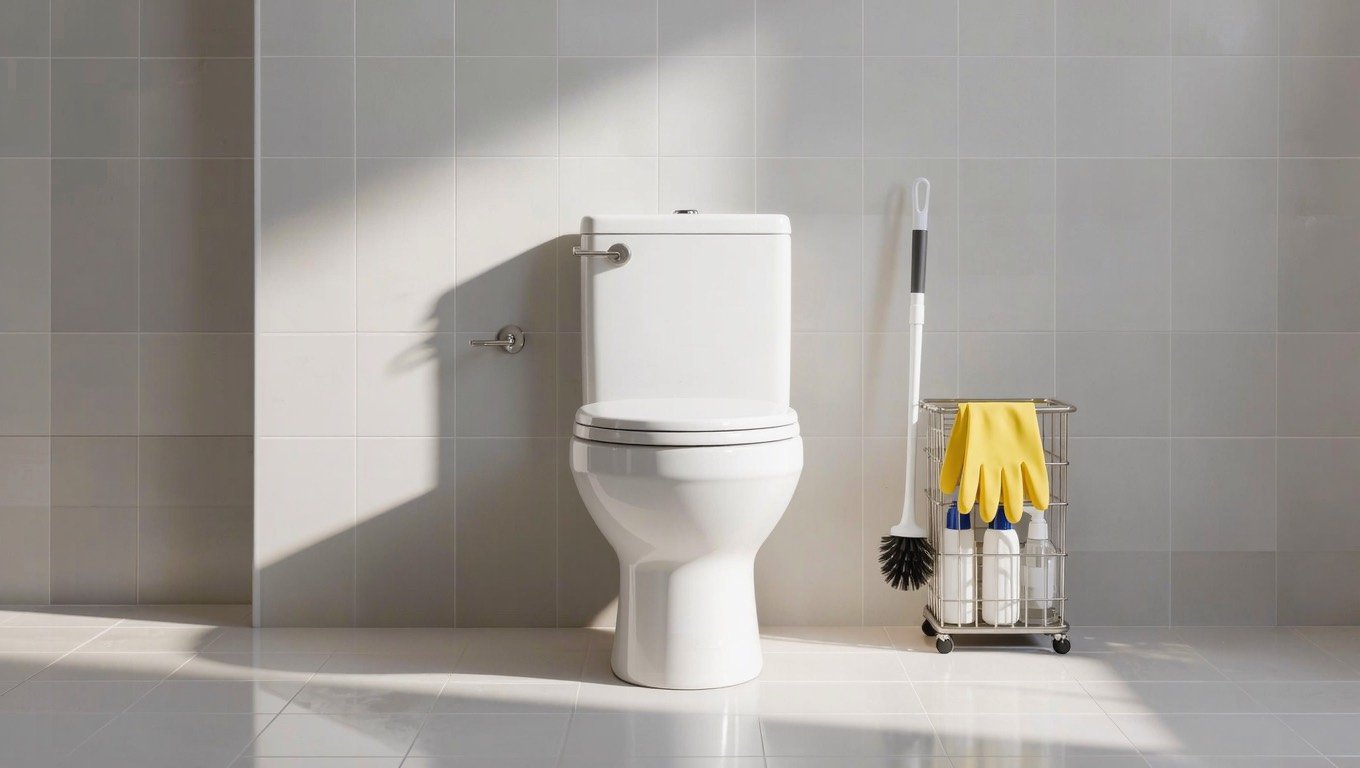
How Often Should You Clean Your Toilet? The Honest Schedule
Bowl two to three times a week, full clean weekly, hidden spots monthly. A professional cleaner's defensible toilet schedule — and the microbiology behind it.
Cleaning Guides · 6 min read
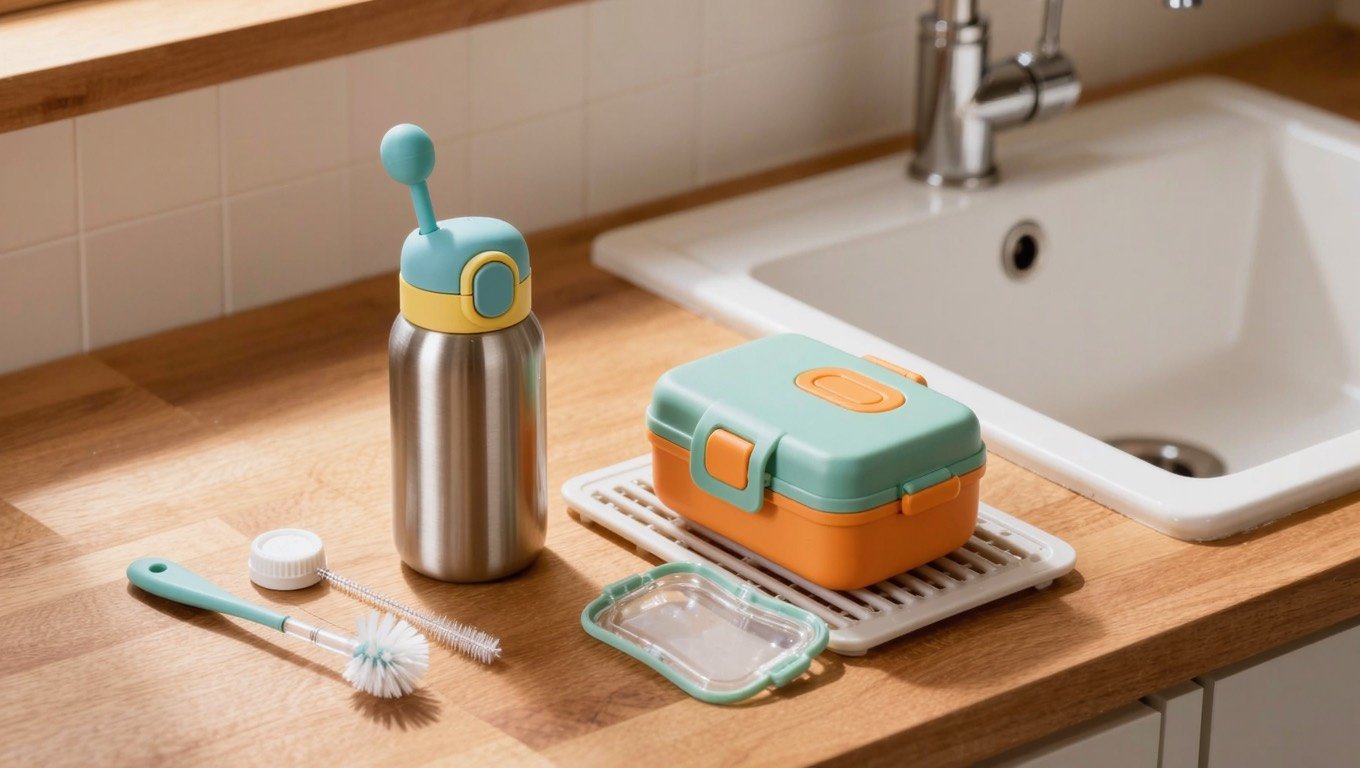
How to Clean Water Bottles and Lunchboxes: The Mould-Free September Routine
That black line inside the straw is mould, and washing-up liquid alone won't shift it. A cleaner's routine for bottles, valves, seals and lunchboxes — and the honest point where you bin it and buy a spare part.
Keep your home in brilliant shape
Hundreds of honest guides and tested product reviews — written from real hands-on experience.