Electrical · 6 min read · 25 May 2026
How Much Does an Electrical Panel Upgrade Cost? UK Consumer Unit Prices for 2026
Two houses on the same street get quoted £480 and £1,300 for what looks like the same board change. Here is where the difference actually sits, and how to work out which job you are buying.
By the Nims Casa editorial team — written from professional cleaning experience and checked against our editorial standards.
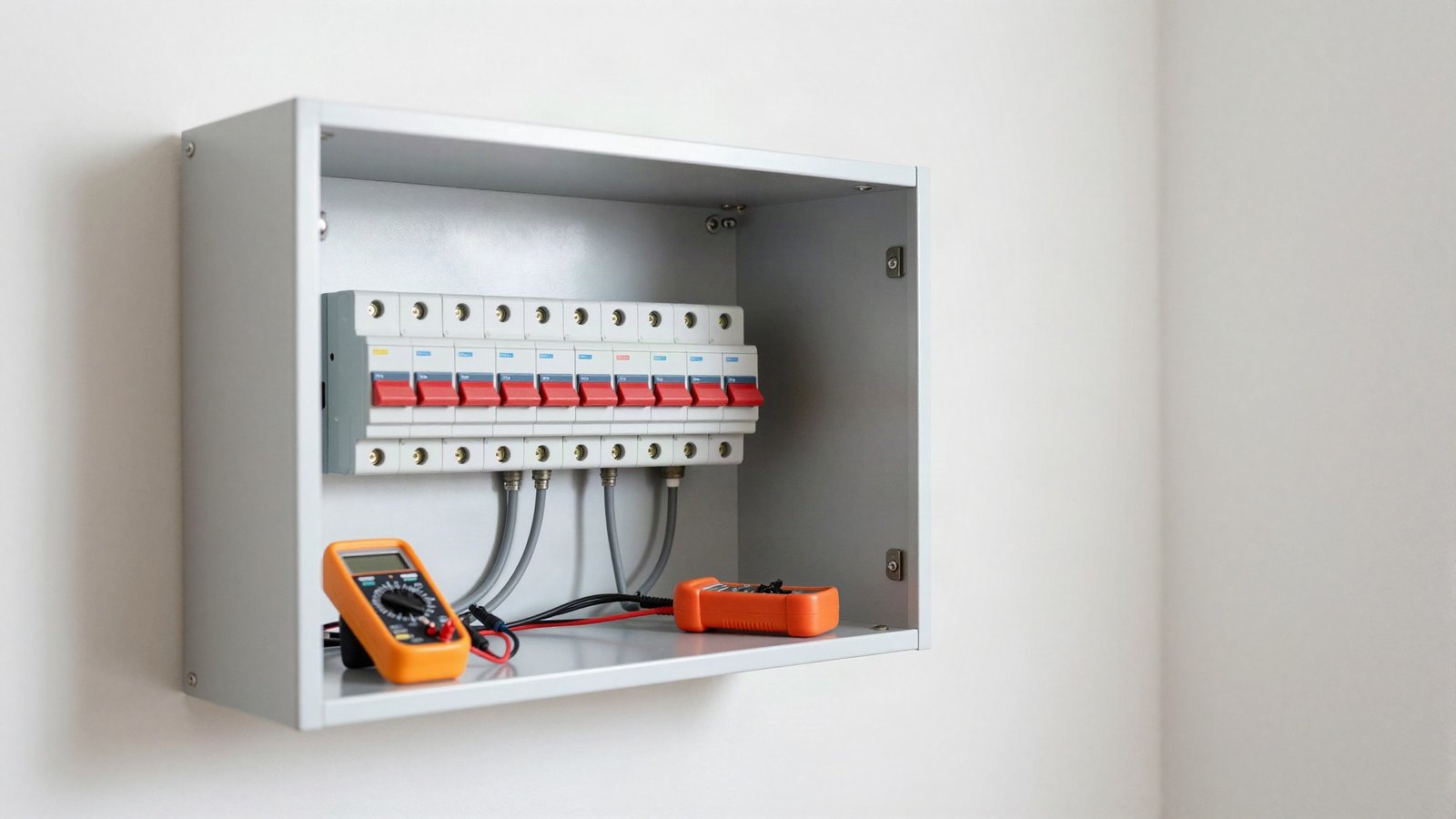
The board itself is rarely the expensive part. A metal consumer unit is £60 to £110 over a trade counter; the money sits in what the electrician finds once the cover comes off — missing main bonding, no earth conductor on the upstairs lighting, a 32A breaker on 1.5mm² cable. That is why two identical-looking semis get quoted £480 and £1,300.
What Americans call an electrical panel is a consumer unit here, and replacing one is notifiable work under Part P of the Building Regulations in England and Wales, so the price always covers testing and certification, not just parts and hours. Below are the 2026 numbers, plus a diagnostic run-through so you know which job you are buying.
Start here: work out which job you actually need
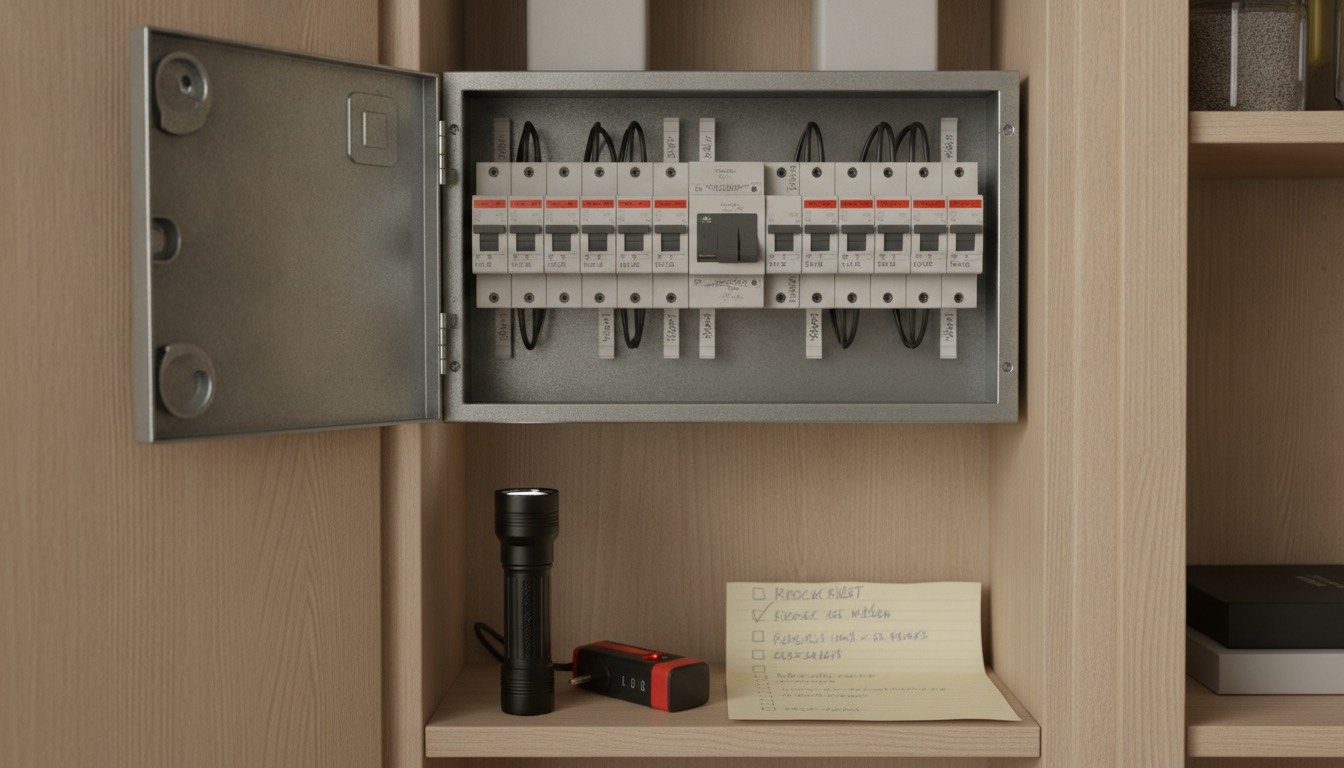
Half the people pricing a board change do not need one, and a smaller group need something ten times bigger. Take a torch to the board and find your line below.
- •Ceramic fuse carriers with rewireable fuse wire and no test button anywhere: a genuine consumer unit change is due, the classic £450–£850 job.
- •Plastic board, two RCD test buttons, nothing trips: you probably need nothing. A new board fixes no existing fault, and the signs that genuinely justify one are specific.
- •One circuit tripping repeatedly while the rest of the house is fine: that is a circuit fault, not a board fault, and a new board will trip identically. Find the cause first.
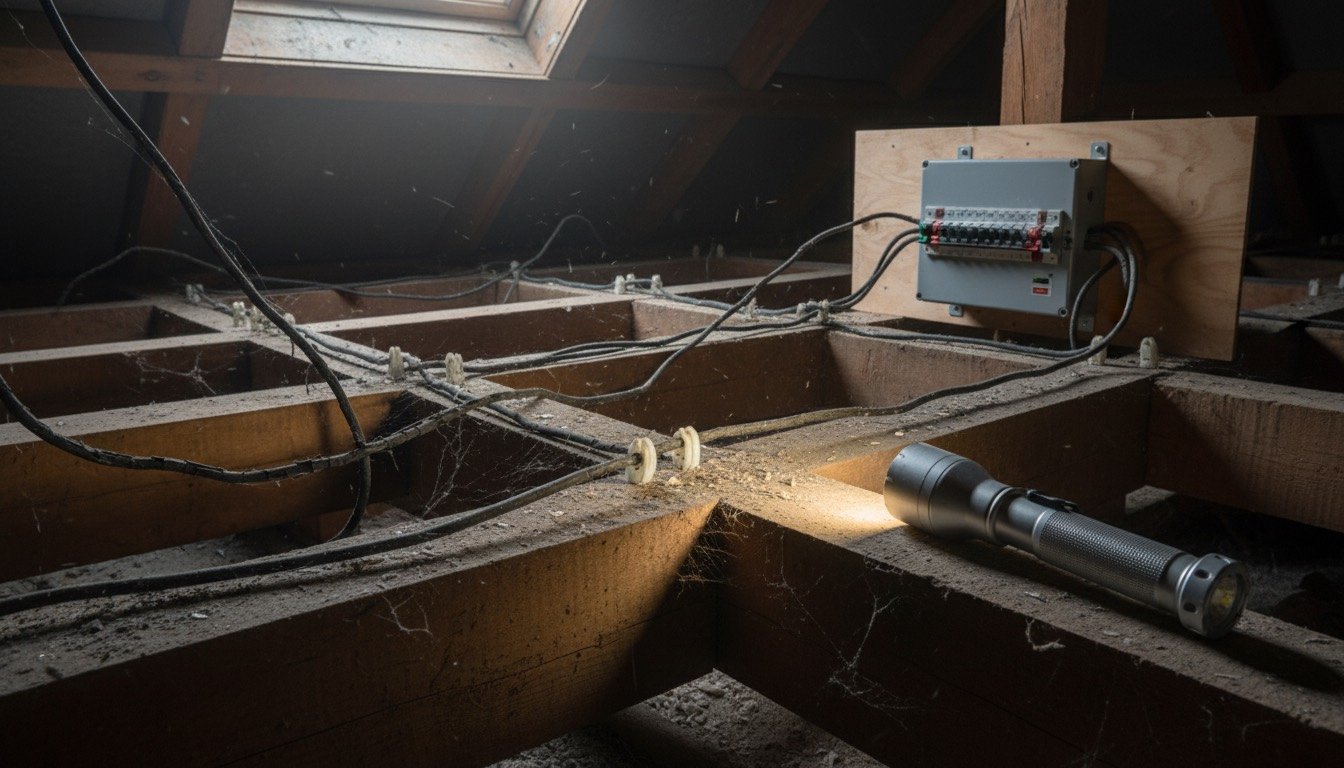
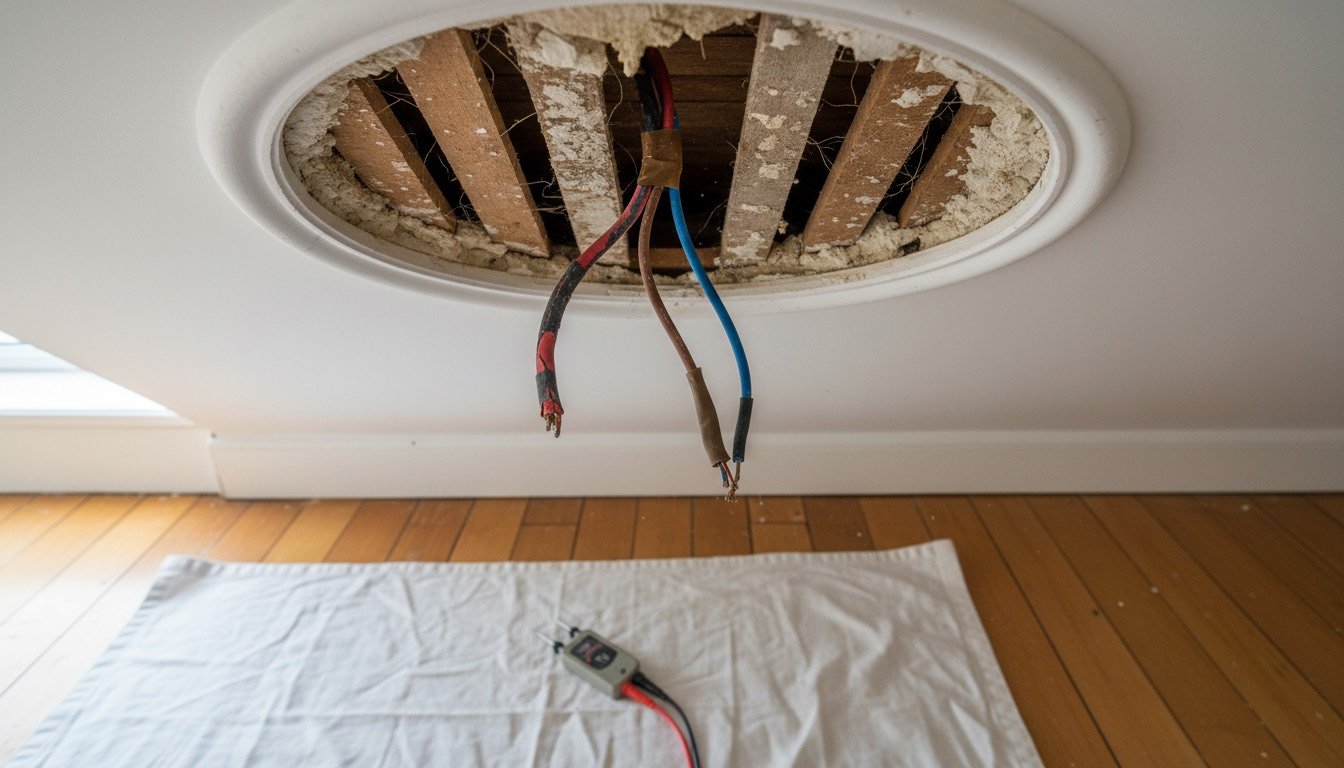
- •Black rubber or lead-sheathed cable at the board, round-pin sockets, no earth at the light switches: you need a rewire, and the board is the last item on that list. Rubber-insulated cable is the British knob-and-tube, and it perishes from around 40 years old.
- •Healthy modern board, but the sealed cut-out beside the meter is stamped 60A or 80A and you want a 7kW charger or 10.5kW shower: the bottleneck is the supply. Ring your DNO first.
- •Sockets warm to the touch and dull grey conductors rather than bright copper on a 1960s or 1970s install: possible aluminium conductors or heat-damaged terminations, so test before quoting.
Typical UK price ranges in 2026
Fitted prices — parts, labour, testing and certificate — from a registered firm.
- •Like-for-like change, three-bed semi, 8–10 ways, metal dual-RCD board: £450–£750.
- •Same house with a full RCBO board, every circuit on its own device: £650–£1,100. Worth the extra, because one nuisance trip no longer kills half the house.
- •Larger property, 12–18 circuits, garage supply, solar or EV feed: £900–£1,600.
- •London and the South East: add 20–35%. £700–£1,300 inside the M25 is normal, not sharp practice.
- •Surge protective device fitted at the same time: £90–£180. Main bonding upgrade to gas and water where missing: £140–£320.
- •EICR condition report: £150–£300. Partial rewire alongside the board: £1,200–£2,800. Whole-house rewire of a three-bed semi: £3,800–£6,500 plus making good.
Unit costs: what the components really cost
Useful for reading a quote line by line. These are trade-counter prices; most firms add 15–30%, which is normal and covers warranty and returns.
- •Metal-clad dual-RCD consumer unit, 10 way: £55–£110. Populated RCBO board, 12 way: £180–£320.
- •Individual Type A RCBO, 30mA: £14–£32. Type A rather than Type AC is the sensible default now that inverters, LED drivers and chargers are everywhere.
- •Type 2 surge protective device: £45–£95. AFDD: £55–£110 per circuit, recommended in BS 7671 but not required in ordinary dwellings.
- •10mm² earthing and bonding conductor with clamps: £45–£90. 25mm² tails and a henley block: £30–£70. Anything on the supply side of the meter is DNO work.
- •Building Regulations compliance certificate: included when the firm is scheme-registered, or £200–£450 if you notify Building Control yourself.
Labour versus materials, and what moves the price
On a clean board change, materials run £110–£300 and labour £300–£650 — near enough a 30/70 split, tilting further towards labour the older the house is. An experienced electrician's day rate sits at £250–£380 across most of the UK in 2026 and £350–£500 in London. It is a four to seven hour job when nothing turns up. Something usually turns up.
- •Remedial work found during testing is the biggest variable: near enough £0 on a 2005 house, £400–£700 on a 1965 one.
- •No circuit protective conductor on the lighting, common pre-1966: rewiring lighting only, £450–£900.
- •Borrowed neutrals shared between circuits, a 1970s speciality: £120–£350 to trace and separate before RCBOs will hold.
- •A TT installation with no supplier earth, common in rural properties, needs an earth rod and a time-delayed main device: add £120–£250.
- •Board location and asbestos: relocating a board costs £250–£600 plus tails, and asbestos flash pads behind pre-1980 boards mean £150–£400 for licensed removal.
Three worked examples from real invoices
Three decades, three very different bills.
- •1998 three-bed semi, Leeds. Bonding correct, PVC twin and earth throughout, plastic split-load board swapped for a 12-way RCBO board with SPD. Materials £215, labour five hours. Invoiced £545.
- •1968 three-bed terrace, Bristol, rewireable Wylex board. Testing found no earth on the upstairs lighting and no bonding to the water main. New bonding, upstairs lighting rewired, 14-way RCBO board with SPD, DNO cut-out fuse uprated from 60A to 100A free. Materials £340, labour two days. Invoiced £1,180, board £230.
- •1930s semi, south London, preparing for a 7kW home charger. The 2011 board was full and the main fuse 80A. Henley block, 16-way RCBO board, SPD, dedicated charger way, documented load assessment. Materials £470, labour a day and a half. Invoiced £1,620, charger quoted separately at £900.
How to sanity-check a quote
You are not qualified to judge the electrical work. Judge the paperwork and the shape of the price instead — that catches most bad quotes.
- •Insist the quote separates board, accessories, remedial allowance and certification. One round number hides everything.
- •Check registration with NICEIC, NAPIT, ELECSA or STROMA on the scheme website using the firm number, not a photo of a certificate.
- •A quote that never mentions an Electrical Installation Certificate or Building Regulations notification is incomplete. Scotland has no Part P, but the work must still meet BS 7671.
- •Be wary of a firm price given over the phone. Remedials cannot be priced without testing.
- •The fair way to handle the unknown is a capped provisional sum: up to £250 of remedial work, itemised and agreed before proceeding.
- •Three quotes against one written specification. If one sits 40% below the rest it has dropped bonding, testing time or the certificate. If every circuit is quoted with an AFDD, ask why.
Methodology, and where DIY has to stop
These figures come from domestic quotes and invoices collected across England, Wales and Scotland through late 2025 and early 2026, cross-checked against trade-counter pricing, and they assume a single-phase 100A supply. Re-check annually: components moved 8–12% in two years and labour rates move faster.
The hard boundary is simple. Replacing a consumer unit is notifiable work, it happens at the origin of the installation where there is no upstream protection, and signing it off needs calibrated instruments for insulation resistance, loop impedance and RCD timing. It belongs in the category of electrical work no homeowner should attempt. What you can do is the diagnosis, the specification, the registration check, and refusing any quote that arrives without a certificate.
Found this useful?
There's plenty more — hundreds of guides and honestly-tested product reviews for every corner of your home.
Browse All Guides