Cleaning Guides · 6 min read · 28 September 2026
How to Stop Autumn Mud, Wet Leaves and Grit Coming Indoors
Autumn dirt is harder on floors than summer dust because it arrives wet and often carries abrasive grit. A few changes at the door can contain most of it.
By the Nims Casa editorial team — written from professional cleaning experience and checked against our editorial standards.
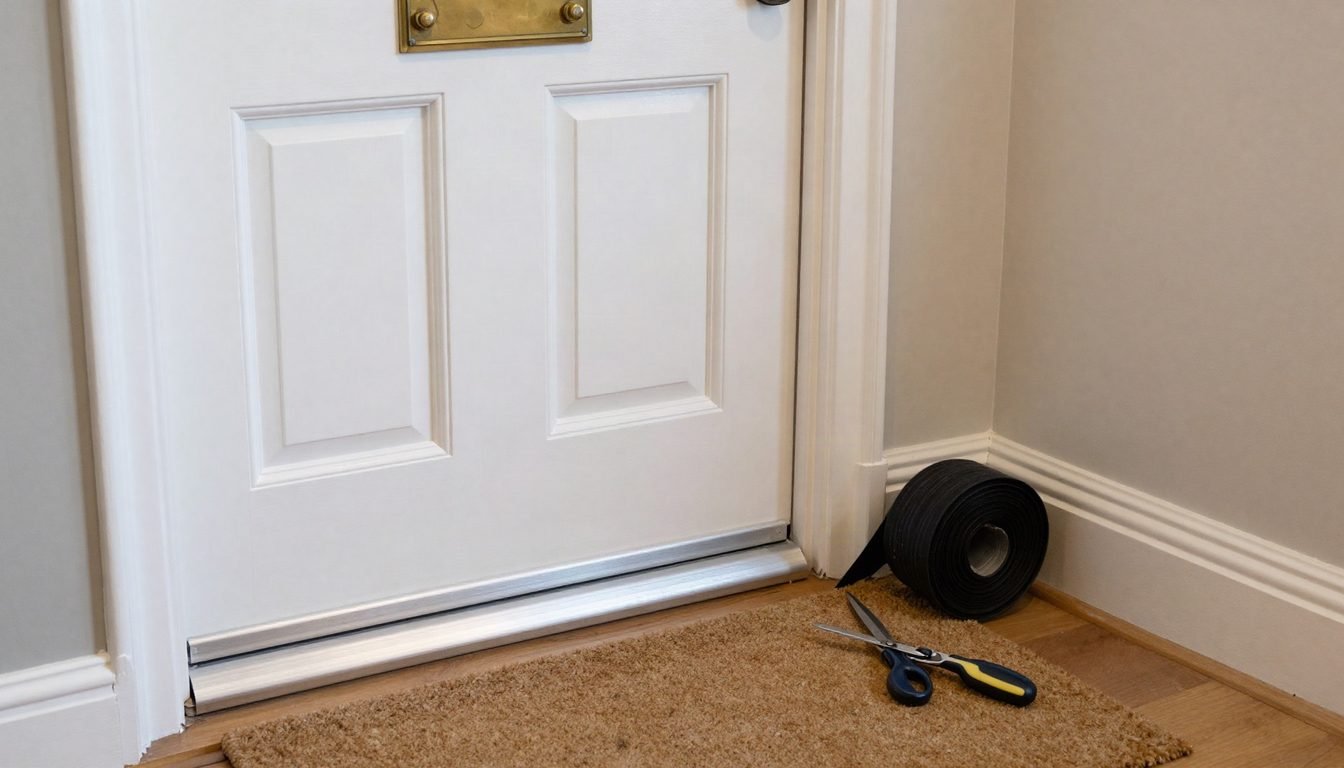
Once autumn rain arrives, the hallway can quickly become a collection point for muddy shoes, wet leaves, dripping coats and whatever the dog has brought back from the park. The problem is not simply that it looks untidy. Wet dirt carries grit, and that grit gets trodden into carpet pile or dragged across the finish on wood and laminate.
This week is a sensible time to get the entrance ready: the Met Office forecast published on Friday 25 September says a significant spell of wet and windy weather is expected across much of the UK on Tuesday 29 and Wednesday 30 September, with further unsettled conditions into early October; Deputy Chief Forecaster Greg Wolverson said weather fronts would move in from the northwest before “a deeper area of low pressure develops to the west of the UK early next week.” The aim is not to keep every speck of dirt outside, but to catch most of it at the door and deal properly with whatever still makes it through.
Why Is Autumn Dirt Harder on Floors Than Summer Dirt?
Dry summer dust is usually straightforward: you vacuum it up or wipe it away. Autumn dirt behaves differently because water turns soil into mud and helps fine grit stick to shoes, paws and pushchair wheels.
That grit is the part worth worrying about. On carpet, repeated foot traffic drives it down between the fibres, where it can abrade the pile long before the carpet looks particularly dirty. Regular removal is one of the simplest ways to make your carpet last longer, especially in the strip between the front door and the first internal doorway.
On hard flooring, grit works much like very fine sand under a shoe. The visible muddy footprint may wipe away, while tiny scratches and dulling remain in the surface finish. That is why the best autumn cleaning routine starts before the dirt reaches the floor rather than relying on a bigger mop-up afterwards.
What Is the Best Way to Stop Mud Coming Through the Front Door?
Use two different mats for two different jobs. Outside, you want a coarse scraper mat that knocks off soil, grit and bits of leaf. Inside, you want an absorbent mat that takes moisture from the soles before anyone walks farther into the house.
Size matters more than decorative appeal. A mat that gives you room to take two or three proper steps across it has a chance to work. A small novelty mat that catches only the toes of each shoe does almost nothing when somebody comes through quickly carrying shopping or trying to get a child indoors.
Be careful where you put the inside mat. Rubber-backed mats can trap moisture against wood or laminate, particularly if wet shoes repeatedly soak the surface. Check underneath regularly and allow both the mat and the floor to dry. If your entrance is continually overwhelmed by bags, boots and coats, creating a simple hallway drop zone can stop the mess spreading into adjoining rooms.
What Should You Do With Wet Autumn Leaves?
Deal with leaves outside while they are still on the path, porch or doorstep. A quick sweep is less work than cleaning the same leaves after several pairs of shoes have crushed them into the entrance floor.
Leaves left sitting on paving can become slippery as they break down, and damp leaf matter can leave staining behind. That is especially noticeable around light paving slabs and block paving. You do not need to make the front path spotless every morning; just keeping the main walking line and doorstep reasonably clear makes a noticeable difference.
Indoors, resist the urge to mash a wet leaf into the carpet with kitchen roll. If it is intact, lift it gently. If it has already been crushed and smeared, remove any loose material and let the remaining mark dry before tackling it. A dried fragment will usually lift or vacuum away more cleanly than wet plant matter that is being rubbed deeper into the fibres.
Should You Have a Shoes-Off Rule in Autumn?
In a quiet household, taking shoes off at the door is the easiest answer. In a typical UK home with children, guests, school-run chaos and somebody arriving with their hands full, a rigid shoes-off rule is not always realistic.
A workable middle ground is to be strict about genuinely wet or muddy footwear rather than every shoe that crosses the threshold. Put the messiest boots and trainers on a tray, an old baking sheet or another washable surface near the entrance. Keep slippers or indoor shoes somewhere obvious rather than expecting people to hunt for them.
For guests, good mats often do more than repeated requests. If somebody arrives in visibly muddy footwear, asking them to leave it by the door is reasonable. If their shoes are merely damp, a long absorbent mat and a few proper steps across it may be enough.
How Do You Manage Wet Coats, Dogs and School Bags?
The entrance can solve one problem and create another if everything wet is piled into a small, unventilated hallway. Coats need space around them to dry, rather than being layered six deep on hooks. Soaked school bags should be emptied where necessary and opened up rather than left zipped shut against a wall.
After a wet dog walk, deal with paws before the dog starts doing circuits of the sitting room. An old towel kept by the door is usually enough for ordinary rain and mud. Concentrate on pads, lower legs and the fur underneath rather than trying to dry the whole animal perfectly in the hallway.
The same principle applies to coats and waterproofs: remove the water, then give the item somewhere ventilated to finish drying. If your hallway has poor airflow, move very wet items to a better drying spot rather than turning the entrance into a permanently damp cupboard. The same moisture-control principles used for drying clothes indoors without damp apply here too.
- •Sweep the doorstep and main path before wet leaves turn to pulp.
- •Shake, brush or vacuum outdoor and indoor mats regularly.
- •Put soaked shoes and boots on a washable tray to drain.
- •Keep an old towel near the door for paws and drips.
- •Hang wet coats with enough space for air to circulate.
- •Vacuum visible grit from the entrance before it gets walked farther indoors.
What Should You Do When Mud Gets on Carpet?
The single most useful thing you can do with an ordinary muddy footprint is leave it alone until the mud dries. That feels wrong when you can see a brown mark in the middle of a pale carpet, but adding water and scrubbing straight away usually spreads the soil and pushes it deeper into the fibres.
Once the mud is completely dry, vacuum slowly and thoroughly. Work from more than one direction if necessary so the machine can lift dried soil from different sides of the pile. You may find that most of what looked like a stain simply disappears at this stage.
Only then should you deal with any colour that remains, using a cleaning method suitable for that particular carpet. Blot rather than scrub and avoid soaking the backing. If you use a carpet-cleaning product, test it somewhere inconspicuous first. The important order is dry, vacuum, then treat: not water, scrub and hope.
How Do You Protect Wood and Laminate From Autumn Grit?
With hard floors, grit and standing water cause more trouble than the brown colour of the dirt itself. Vacuum or sweep grit up before mopping so you are not dragging abrasive particles across the surface.
Wipe spills and wet footprints rather than leaving them until the next scheduled clean. Laminate in particular should not be flooded with water; use a well-wrung mop or cloth and do not leave puddles sitting along joints or edges.
Real wood also benefits from a light-touch approach. Remove loose grit first, use an appropriate cleaning method for the floor's finish and deal with moisture promptly. If you are unsure where to start, this guide to clean hardwood floors covers the basics without treating every wooden floor as though it needs the same product.
Do You Need to Buy Anything New?
For most homes, probably not. The useful equipment is often already there: a broom, vacuum cleaner, a couple of decent-sized mats, an old towel, somewhere for wet shoes and enough hooks or hangers to let damp clothes breathe. Even an existing tray or washable boot mat can become much more useful simply by moving it to the place where shoes actually come off.
The bigger improvement comes from changing the order of jobs. Stop leaves and grit outside when you can, scrape and absorb at the threshold, contain genuinely muddy footwear, and remove grit before introducing water indoors. It fits neatly into a broader autumn home reset, but it does not need to become a weekend project. A few minutes at the entrance prevents a much longer trail of cleaning through the rest of the house.
Found this useful?
There's plenty more — hundreds of guides and honestly-tested product reviews for every corner of your home.
Browse All Guides