Kitchens & Bathrooms · 6 min read · 21 April 2026
Walk In Shower vs Bathtub: Differences, Pros, Cons and Real UK Costs
The choice gets made in a showroom and paid for behind the wall. Here is what each option really costs to fit, run and maintain — and why a pre-1940s house changes the maths completely.
By the Nims Casa editorial team — written from professional cleaning experience and checked against our editorial standards.
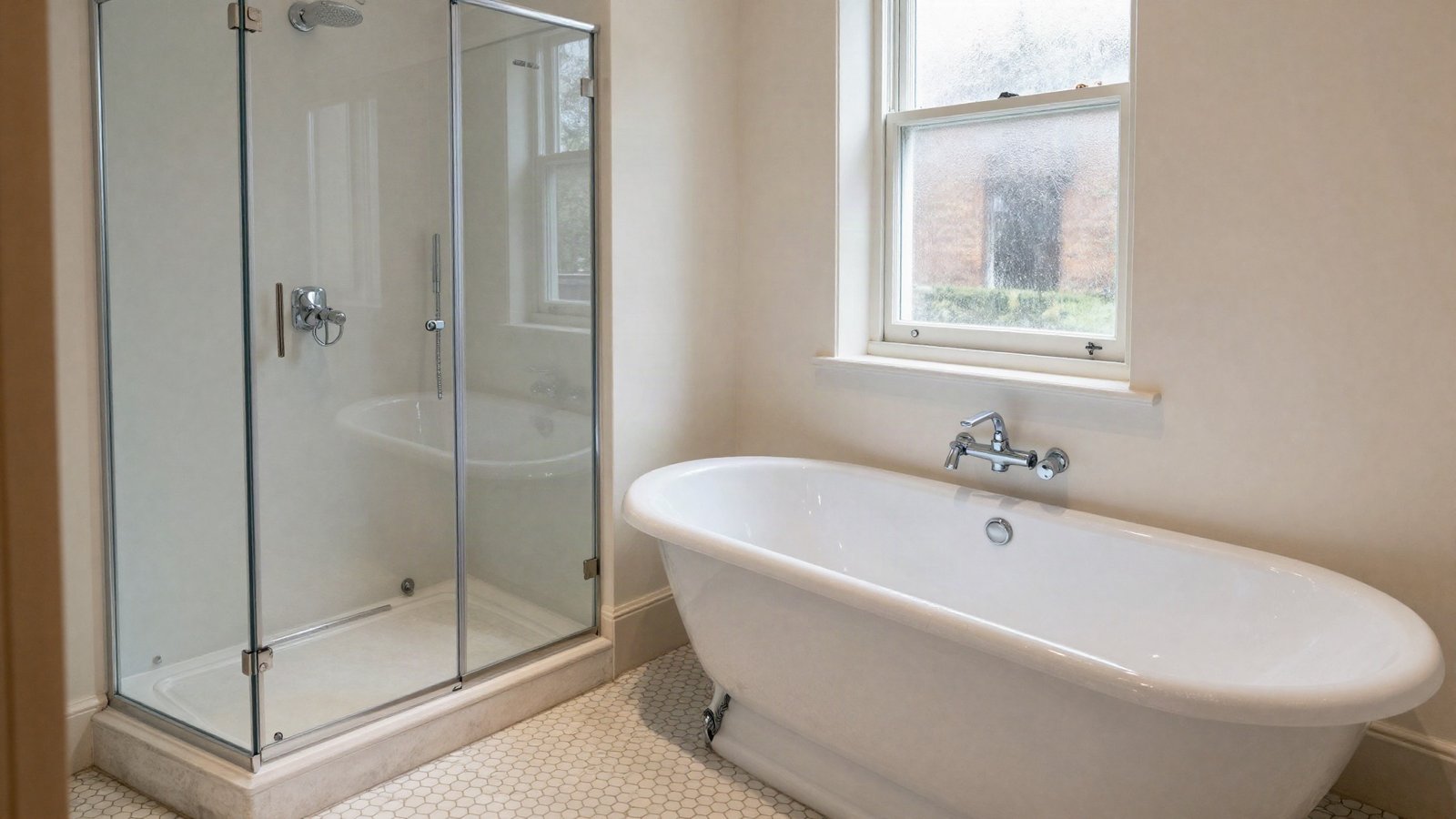
Showroom displays have never had a leak, never been chased into solid brickwork, and never had to drain through a 1900s cast iron stack. The fitting on the plinth is the cheap part. What sits under your floor and behind your plaster decides the cost.
Both work. For a lot of UK homes the honest answer is still a bath with a decent screen over it. Here is the comparison, with the numbers we quote on real jobs.
The short version, side by side
Supply-and-fit figures for an average 2.2m x 1.8m UK bathroom, excluding a full refit.
- •Fitted cost: over-bath shower £1,200–£2,000; walk-in on a low-profile tray £2,400–£4,000; tanked level-access wet room £4,500–£8,000.
- •Footprint: a standard bath is 1700 x 700mm. A walk-in needs 1200 x 900mm to be comfortable; 900 x 900mm is cramped for anyone broad-shouldered.
- •Water: a typical bath fill is 80–100 litres. A 9 litre/minute mixer for eight minutes is about 75. A power shower for ten minutes is 150.
- •Disruption: a like-for-like bath swap is one day. A wet room is three to five, room out of use throughout.
- •Resale: in a one-bathroom family house, removing the only bath narrows your buyer pool. Agents say so bluntly.
- •Lifespan: a steel enamel bath does 25–30 years. A tray and enclosure want replacing at 12–15; the valve sooner.
Performance: water, warmth and what you actually feel
The energy cost of a bath is smaller than people assume. Heating 80 litres from 10°C to 40°C takes about 2.8kWh — roughly 18p on mains gas at 6.3p/kWh, and a 9 litre/minute mixer off the same boiler costs much the same per eight-minute wash. Metered water and sewerage at around £2.30 per cubic metre is what bites, making a long power shower the priciest habit in the room.
Comfort is where they diverge. A walk-in gives a drenching flow and no climbing over a 550mm rim, which matters enormously after a knee replacement — read our guide to making a bathroom accessible before fixing a layout. A bath gives you somewhere to wash a toddler and soak a bad back.
Pressure decides more than either. Thermostatic mixers need 0.5–1 bar to hold temperature; a gravity-fed loft tank two metres above the head gives 0.1–0.2 bar. That is a dribble, and curing it means a twin-impeller pump at £200–£450 plus fitting.
Installation: what the quote is really paying for
Labour is the bulk of it. A plumber runs £250–£350 a day outside London and £350–£450 inside it; a tiler £180–£280. A wet room is dear because it is three trades plus a curing day for the tanking, not because the former costs money.
The bath route is cheap because the pipework exists. A steel enamel bath is £150–£400, acrylic £90–£250, taps £60–£200, a hinged screen £70–£220, and the existing 40mm waste usually stays put.
The walk-in gains cost the moment that waste has to move. A stone resin tray is £180–£400, an 8mm glass panel £150–£450, a thermostatic valve and riser £180–£500, tanking materials £250–£450 on top. Budgets blow up on the drain run: you need a continuous 1:40 fall — 18mm per metre — and in a suspended timber floor that means working around joists, not through them. Our walk-in shower cost guide covers the variants; if the whole room is going, price it against a full bathroom remodel.
The 10-year cost, not the quote
Quotes flatter showers because they ignore consumables and second-round costs. Over a decade, for two adults:
- •Bath with over-bath shower: £1,600 fitted, two reseals at £15 of materials, one replacement valve around year eight. Roughly £1,900 all in.
- •Walk-in with tray and enclosure: £3,000 fitted, reseals, a valve, a seal-strip kit, occasional glass re-coating. Roughly £3,400–£3,900.
- •Wet room: £6,000 fitted, plus the risk line nobody prints — a tanking failure reaching the ceiling below costs £2,000–£5,000 to put right, and is not always covered.
- •Running costs: near identical between a bath and a 9 litre/minute shower. A power shower adds £120–£180 a year on a meter.
The old-house case: solid walls, lath and Victorian drainage
This is where generic advice falls apart. Solid 215mm brickwork has no stud void, so a recessed niche is largely off the table: chasing is capped at a third of wall thickness vertically, a sixth horizontally. That cold, uninsulated wall also grows black mould far faster than a modern one, so a 15 litre/second extractor running 15 minutes after every wash is not optional.
Lime plaster on riven lath will not carry tiles or a tanking membrane. Lime is soft and flexible by design, gypsum adhesives fail on it, and its safe tile loading is under 20kg/m² against 40kg/m² for cement backer board. The wet wall gets hacked back and re-boarded at £20–£30 a sheet; elsewhere leave the lime alone and repair it in kind, as in our notes on fixing cracks in plaster walls.
Floors and services finish it. Victorian first-floor joists run 50 x 175mm at 400mm centres and are often already notched to death; legitimate notches sit in the top, within 0.1–0.25 of the span and no deeper than an eighth. A level-access former wants 30–50mm between them, so the answer is often a pumped waste at £400–£700 or a tray with a 40mm step. Original cast iron stacks with open hopper heads cannot take a shower waste — it needs a trapped connection, which on a conservation-area front elevation becomes a planning conversation. And a 9.5kW electric shower draws 41 amps: a 1960s rewireable board with no RCD will not take it, so add £600–£1,000 for a consumer unit change.
Maintenance: what each one asks of you
A walk-in is the higher-maintenance object, and hard water makes it worse. Across the South East, supply runs 250–350mg/l as calcium carbonate, which etches glass permanently within two years unless squeegeed. Twenty seconds after each use is the whole trick.
Both need silicone renewing every three to five years — sooner if the bead lifts or a grey shadow appears behind it. Done properly rather than smeared over the old, it is 90 minutes and £15 of materials: see replacing the silicone around a bath.
Who each suits, and the verdict
Keep the bath, with a hinged screen and a good mixer over it, if it is the only bathroom in a family house, if you are on a gravity system you will not be changing, or if the room is a first-floor Victorian box with joists you would rather not butcher. Cheapest, easiest to sell on, least likely to leak downstairs.
Choose a walk-in on a low-profile tray if there is a second bath elsewhere, mains pressure at 1 bar or better, and a solid floor or joists that will take the waste run. It is the retrofit sweet spot: most of a wet room's benefit for half the money and a fraction of the risk.
Choose a full tanked wet room only for genuine accessibility need, and only with a fitter who will photograph the tanking before tiling. Above a lath-and-plaster ceiling we would talk most people out of it. Plainly: one bathroom, keep the bath; two bathrooms, put the walk-in in the smaller one. More in the kitchens and bathrooms guides.
Found this useful?
There's plenty more — hundreds of guides and honestly-tested product reviews for every corner of your home.
Browse All GuidesKeep reading
Kitchens & Bathrooms · 6 min read
Quartz vs Granite Worktops: Differences, Pros, Cons and Cost
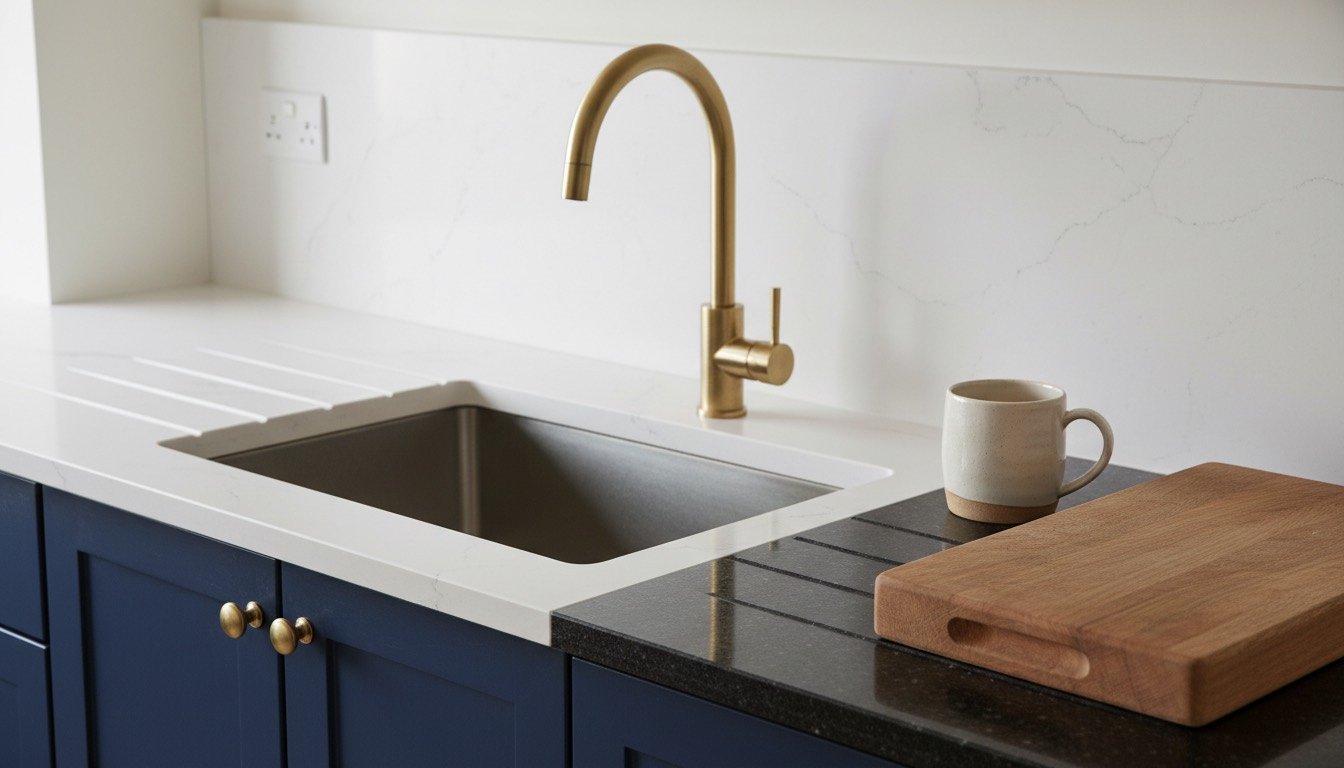
Showrooms will tell you quartz is maintenance-free and granite is natural and unique. Both claims are half true. Here is how the two really behave once a British family cooks on them.
Kitchens & Bathrooms · 6 min read
Kitchen Remodeling Mistakes to Avoid (and the Ones Older UK Houses Punish Hardest)
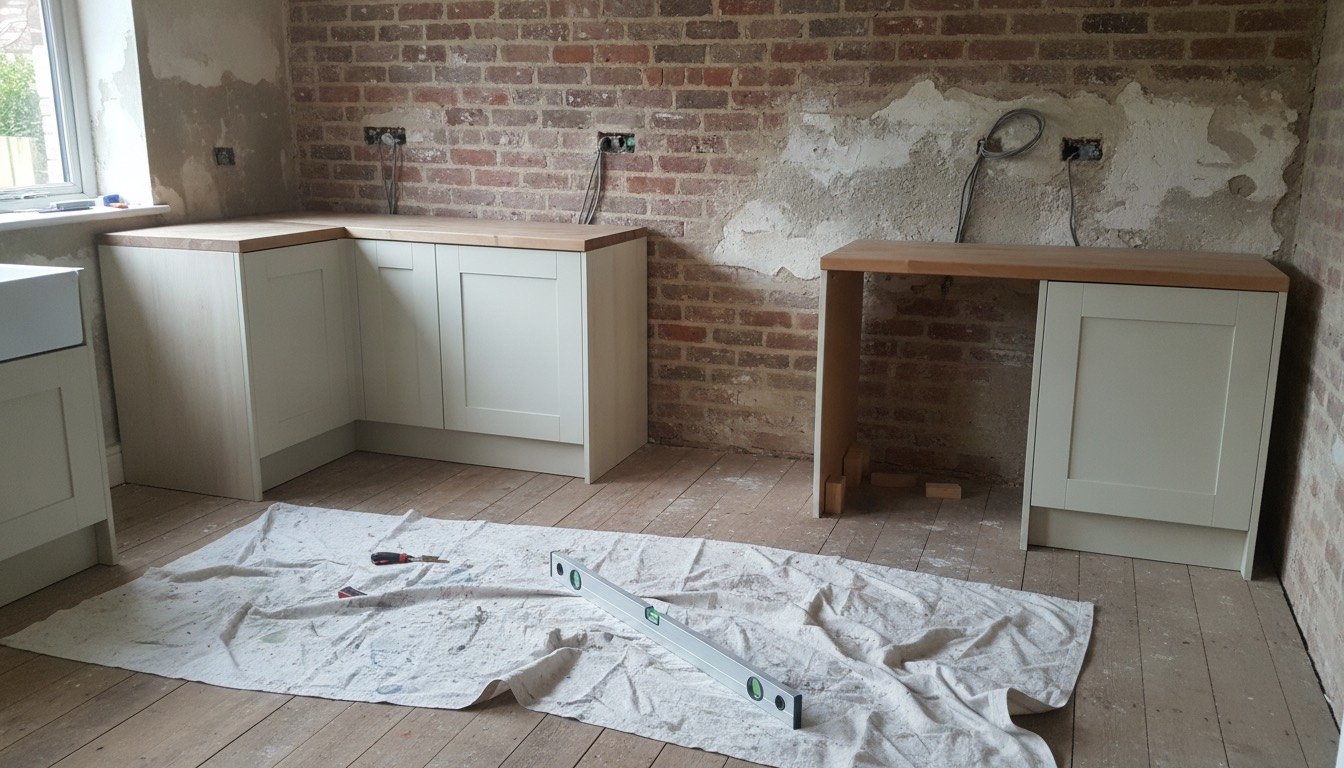
Kitchens rarely fail on fitting day. They fail three months later, when the plinth has swollen and the extractor is quietly pushing steam back into the room.
Kitchens & Bathrooms · 6 min read
Kitchen Remodel Checklist (Printable): A UK Week-by-Week Plan
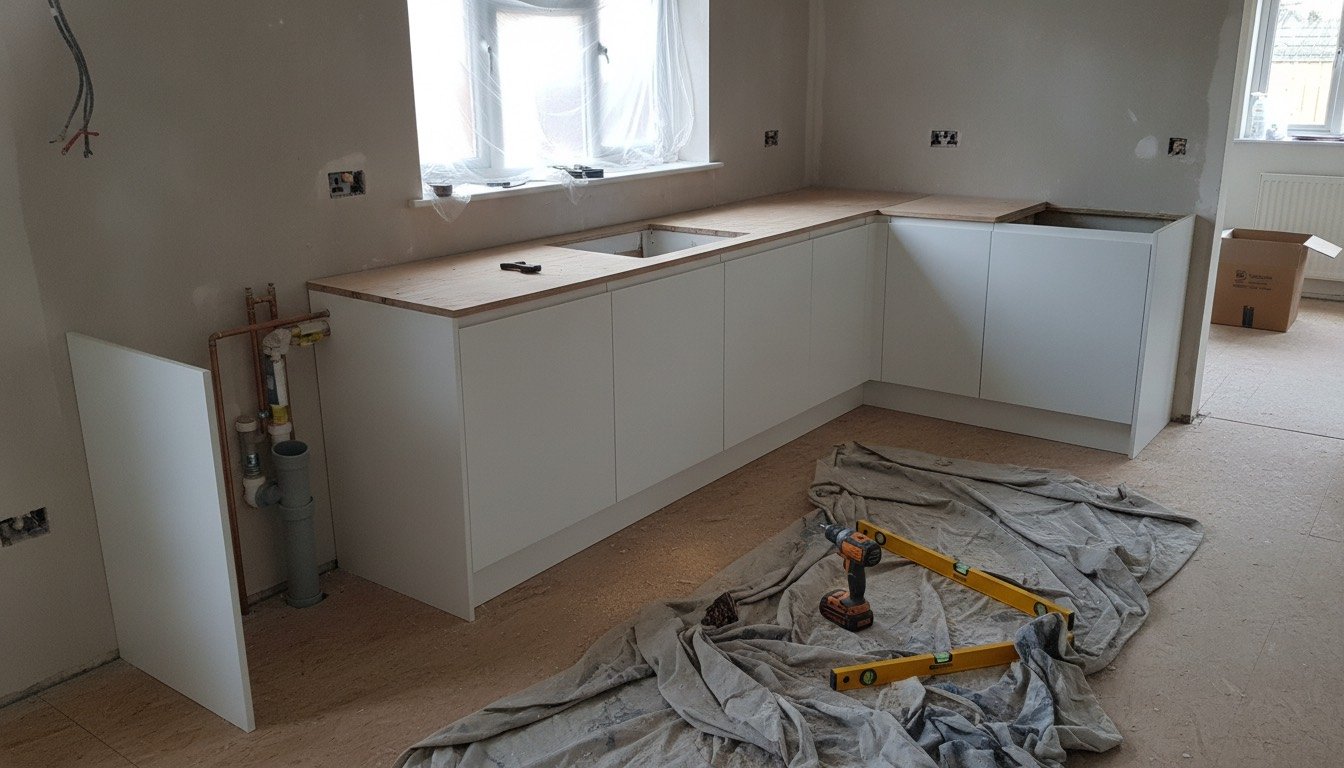
Most kitchens do not go wrong on site. They go wrong at the decision nobody made: spending £8,000 on units when the layout was the problem. Diagnose first, then work the list.
Keep your home in brilliant shape
Hundreds of honest guides and tested product reviews — written from real hands-on experience.