Roofing & Exterior · 6 min read · 15 May 2026
Common Problems in 100 Year Old Houses: A UK Diagnosis and Cost Guide
A house built in the 1920s fails in a handful of predictable ways. Here is how to tell which fault you actually have, what the repair should cost, and where the money gets wasted.
By the Nims Casa editorial team — written from professional cleaning experience and checked against our editorial standards.
A house that has stood since around 1926 has survived a century of British weather, so what goes wrong with it is rarely mysterious. Interwar semis, Edwardian terraces and late-Victorian villas fail the same handful of ways: water finds a route in at ground or roof level, breathable materials get sealed up with hard modern ones, and wiring meant for two lightbulbs is asked to run an induction hob.
The expensive mistake is rarely the fault itself — it is the misdiagnosis. A £15 airbrick rendered over gets sold as a £4,500 chemical damp-proofing job. A slipped slate needing a £180 visit gets folded into a £12,000 re-roof. Getting the diagnosis right before anyone quotes is worth more than any repair below.
The 30-Minute Diagnosis Walk
Do this on a dry day after two wet ones, with a torch, a screwdriver and your phone. Look for where water goes, not where the stain is — in old houses those are often on opposite sides of the wall.
- •Kneel down outside: is the ground, path or flowerbed within 150mm of the damp proof course? On a 1920s house the DPC is a slate band or bitumen line two courses above ground.
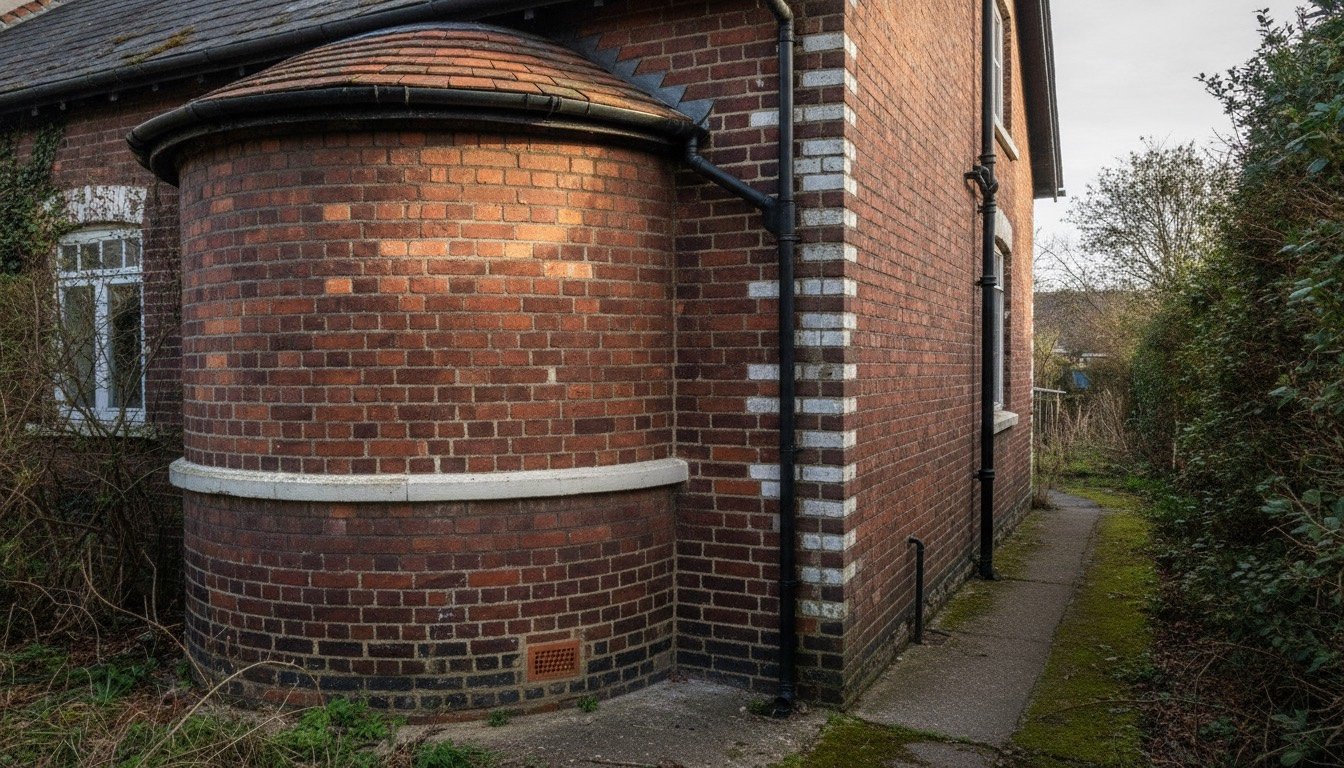
- •Count the airbricks. A suspended timber floor needs one every 1.5-2m on each external wall. Painted, rendered or soil-blocked airbricks are the commonest cause of rotten joist ends.
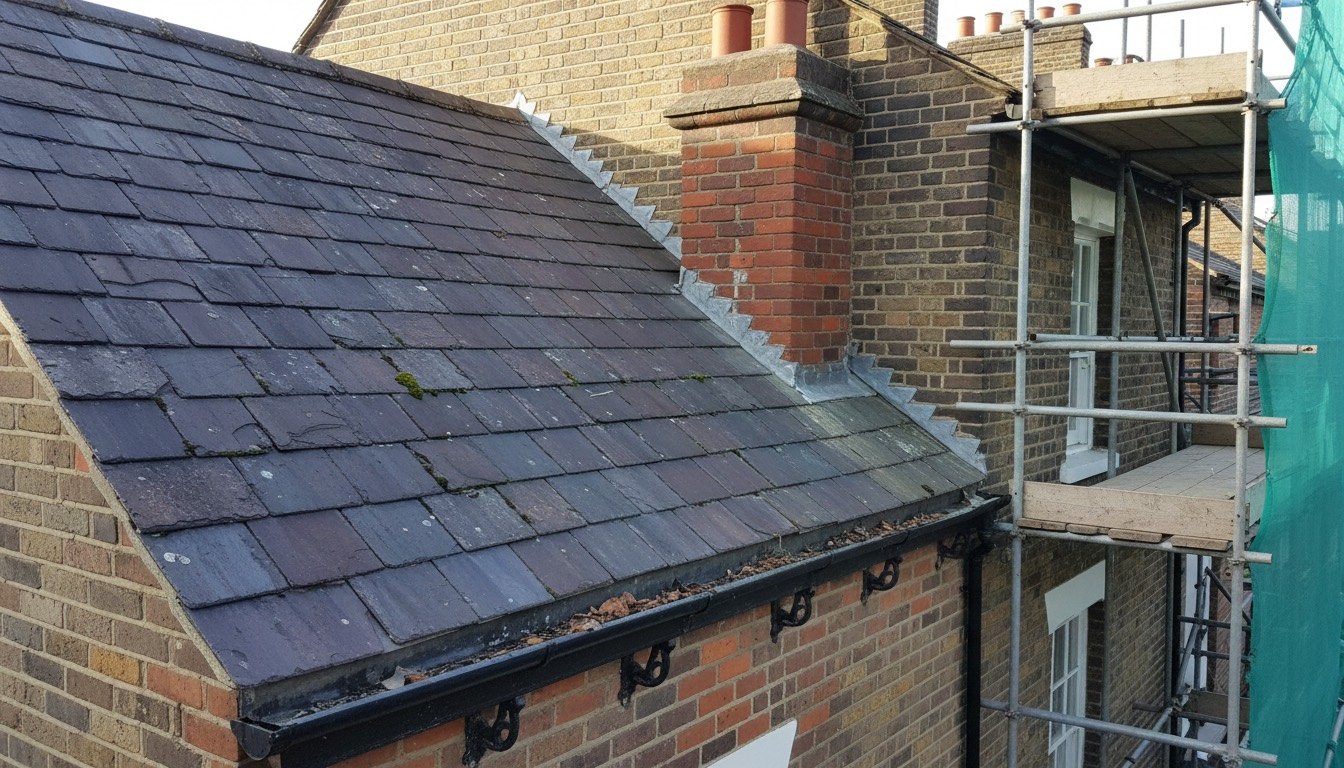
- •Zoom in on the roof from the pavement: slipped slates, cracked flaunching around the chimney pots, rusted gutter joints weeping down the brickwork.
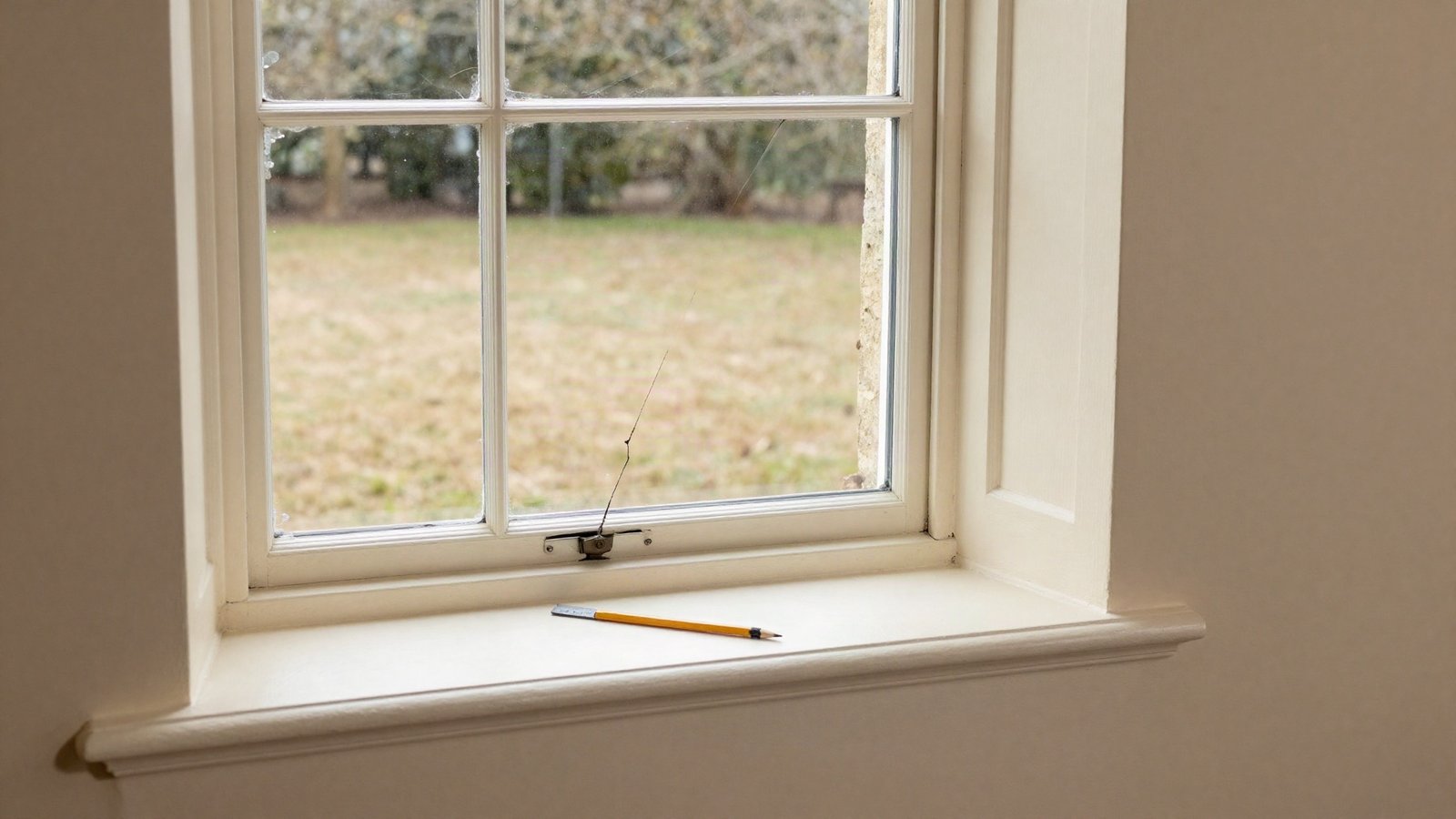
- •Press a screwdriver into the bottom rails and cills of every timber window. If it sinks more than 3mm, that timber is going.
- •Photograph every crack with a coin beside it, noting whether it runs through the brick or follows the mortar joints.
Symptom to Cause: What the House Is Telling You
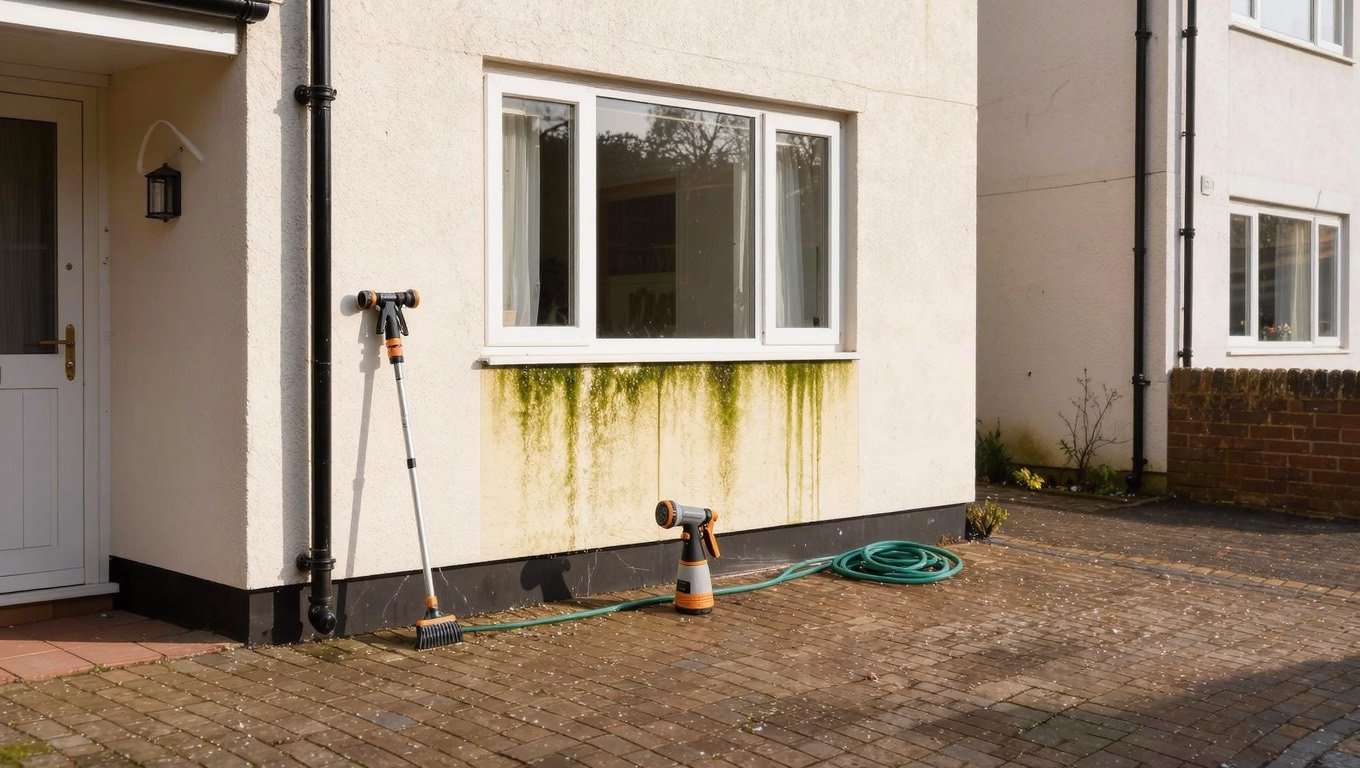
- •Tide mark up to 1m on a ground-floor wall, worse in winter: raised ground level, bridged DPC or a cement render skirt trapping water — not automatically rising damp.
- •Damp only behind a downpipe or below a gutter joint: failed cast-iron gutter, cracked hopper or blocked gully. Cheapest fault here.
- •Black mould in corners and window reveals, dry in summer: condensation and cold bridging, covered in our guide to damp and mould in UK homes.
- •Brown tide-stain on a bedroom chimney breast: unlined flue plus rain entering a defective pot, drawing salts through the plaster.
- •Bouncy floor near an external wall: wet rot in joist ends sitting in damp brickwork, almost always with blocked airbricks nearby.
- •Hairline cracks that open in summer and close in winter: seasonal clay shrinkage. Stepped diagonal cracks over 5mm that keep growing are another matter — see is a foundation crack serious.
- •Flickering lights, no RCD, round-pin sockets or rubber-sheathed cable: pre-1960s wiring at the end of its life.
The Faults You Will Actually Find, Ranked by Likelihood
On 1900-1930 stock the order barely changes. Budget from the top down, not from whichever fault looks most alarming.
- •Ground-level damp from raised paths, patios and flowerbeds — in over half of these houses. Lowering one elevation: £300-£900.
- •Blocked airbricks and decayed joist ends: £120-£250 to cut in two airbricks, £600-£2,500 to splice joist ends and relay boards.
- •Eroded or cement-repointed brickwork. NHL 3.5 lime repointing is £45-£80 per m², so a gable runs £2,000-£3,000 plus scaffold.
- •Slipped slates and nail sickness. A single-slate repair is £120-£220; a full strip and re-slate on a three-bed semi is £9,000-£16,000 with scaffold.
- •Rotten sash cills and bottom rails: £350-£650 a window to overhaul, or £1,200-£2,200 to replace in timber — the maths is in restore vs replace historic windows.
- •Chimney defects: reflaunching and repointing a stack is £550-£1,200, plus £600-£1,200 of non-negotiable scaffold.
- •Failing plaster. Lime repairs are £45-£75 per m² against £25-£40 for a gypsum skim, and method matters — see how to repair old plaster walls.
- •Obsolete electrics: £500-£900 for a consumer unit and EICR, £4,000-£7,500 for a full rewire, as broken down in our cost to rewire a house guide.
- •Woodworm (usually old, inactive damage), far more rarely genuine dry rot at £2,000-£7,000 once the water source is fixed, and a lead water main at £500-£1,500 to renew your side.
Fixes Ordered by Risk, and What Each Should Cost
Work from the cheapest, most reversible action upward. Old houses punish anyone who starts with the biggest intervention.
- •Zero risk, do it first: clear gutters and gullies, unblock airbricks, dig soil back below DPC level. A weekend, under £100. Re-inspect after four weeks of weather before spending more.
- •Low risk, £200-£900: replace failed gutter sections, refit slipped slates through a roofer, ventilate a chimney breast top and bottom, draught-proof sashes.
- •Medium risk, £2,000-£5,000: lime repointing, joist-end repairs, lime plastering, consumer unit upgrade. Reversible in principle; easy to ruin with the wrong materials.
- •High risk, £5,000-£16,000: full rewire, re-roof, structural timber replacement. Irreversible, and worth a specification written by someone not bidding for the job.
- •Last resort, £15,000-£50,000: underpinning. Fewer than one in ten cracked old houses ever needs it, and twelve months of tell-tale monitoring at £300-£800 settles the question.
Reading a Quote: Reasonable Versus Suspect
This work is largely labour: repointing runs about 85/15 labour to materials, plastering 80/20, a rewire 75/25 with £900-£1,400 of cable, accessories and consumer unit, and re-slating 55/45 once Welsh slate at £1.20-£2.50 each is in the bill. Use that to sanity-check any number. A 40m² gable at £55 per m² is £2,200 — six to eight days for two people at £220-£300 each per day, plus £500-£900 of scaffold. If a quote says £6,500, ask what is different.
A reasonable quote itemises by elevation or room, lists scaffold separately, names the specification (NHL 3.5 lime, 6242Y cable), states its VAT position and asks no more than 25% up front. Treat as suspect: a free damp survey by the firm that wants the contract, rising damp diagnosed without a moisture profile, a guarantee that is not insurance-backed, and one lump sum for a £20,000 job — our contractor red flags list covers the rest. Above £3,000, £350-£600 for an independent surveyor with no repair arm is the best money in the project.
Where DIY Has to Stop
Plenty of old-house maintenance is genuinely amateur work: gutters, airbricks, ground levels, filling, painting, draught-proofing. The boundary is sharper than in a modern house because the hazards are older.
- •Anything above gutter height. A 1920s pitch plus brittle slate is not a ladder job, and scaffold at £500-£900 is cheaper than a fall.
- •Consumer units, new circuits and any work in a kitchen or bathroom — notifiable under Part P, registered electrician only.
- •Suspected asbestos: textured coatings, board around old boilers, cement flue pipes. UKAS lab testing is £40-£60 a sample; disturbing it costs far more.
- •Lead paint. Never dry-sand it, never use a heat gun above 450°C, and assume lead under the top coats on pre-1970s joinery.
- •Gas appliances and old back boilers: Gas Safe registered engineers only, no exceptions.
- •Structural work — chimney breast removal, notching joists, cracks over 5mm or widening. An engineer's report is £400-£900 and usually saves multiples of that.
- •Listed buildings and conservation areas: consent first. Unauthorised work to a listed building is a criminal offence, and windows and render are the usual triggers.
Found this useful?
There's plenty more — hundreds of guides and honestly-tested product reviews for every corner of your home.
Browse All Guides