DIY & Maintenance · 6 min read · 20 April 2026
Draught-Proofing Your Home: The Cheapest Energy Upgrade You Can Make
A candle, a weekend and £60 of strips and seals can measurably warm a leaky UK house. Where the heat actually escapes — and the fixes in order of payback.
By the Nims Casa editorial team — written from professional cleaning experience and checked against our editorial standards.
Before spending thousands on new windows or a heat pump, spend sixty pounds on draught strips, brushes and sealant. For most UK homes — especially anything built before the 1980s — draught-proofing delivers the fastest payback of any energy measure, and you feel the difference the same evening you fit it. A cold house is usually a leaky house long before it's an under-insulated one. That is doubly true this year, with October's price cap rise landing almost entirely on gas.
Heat doesn't only escape through solid walls and single glazing — it pours out through the gaps around doors, windows, floorboards, loft hatches and unused chimneys, and those same gaps let cold air straight back in. Because the fixes are cheap and mostly reversible, draught-proofing is one energy upgrade almost every household can tackle in a weekend, whether that's a Victorian terrace with original sash windows or a 1930s semi with a suspended timber floor.
This guide covers how to track down every draught, which fixes give the best return, the mistakes that turn a good job into a mould problem, and when to call a professional instead.
How to Find Every Draught in Your Home
The cheapest diagnostic tool in the house is a tealight or an incense stick. Pick a windy day, shut the windows and doors, turn off extractor fans, and walk room to room holding the flame or a wisp of smoke near likely gaps — a flicker or a bend means air is moving. A damp hand near skirting boards and sash joints works too; draughts feel cold even when the room feels warm. Our full guide to finding air leaks in a house covers the more thorough version, including how a blower door survey works.
- •Around window sashes and casement frames, especially where paint has cracked or hinges have dropped
- •Along door edges, at the threshold, and through the letterbox and keyhole
- •Where skirting boards meet the floor, and in the gaps between old floorboards themselves
- •Around loft hatches, which are rarely draught-proofed even in a well-insulated loft
- •Where pipes, cables and extractor ducts pass through external walls
- •Unused open chimneys and fireplaces, which behave like a permanently open window
Draught-Proofing Doors: The Best Return on £15
Doors are usually the single best pound-for-pound fix in the house. A doorset kit — self-adhesive foam or rubber compression seal around the frame, a brush or hinged draught excluder along the bottom, a letterbox brush and a keyhole cover — typically costs £12–£20 per door and takes under an hour with scissors and a tape measure. For a full walkthrough of fitting each seal type properly, see our step-by-step door weatherstripping guide.
External uPVC doors often just need their hinges and keeps adjusted so the door compresses evenly onto its existing seal — a five-minute job with an Allen key. Older timber doors that have swollen or dropped benefit more from planing and re-hanging than another layer of foam; if a door won't close without being shoved, fix the fit before adding seals.
Sealing Windows Without Full Replacement
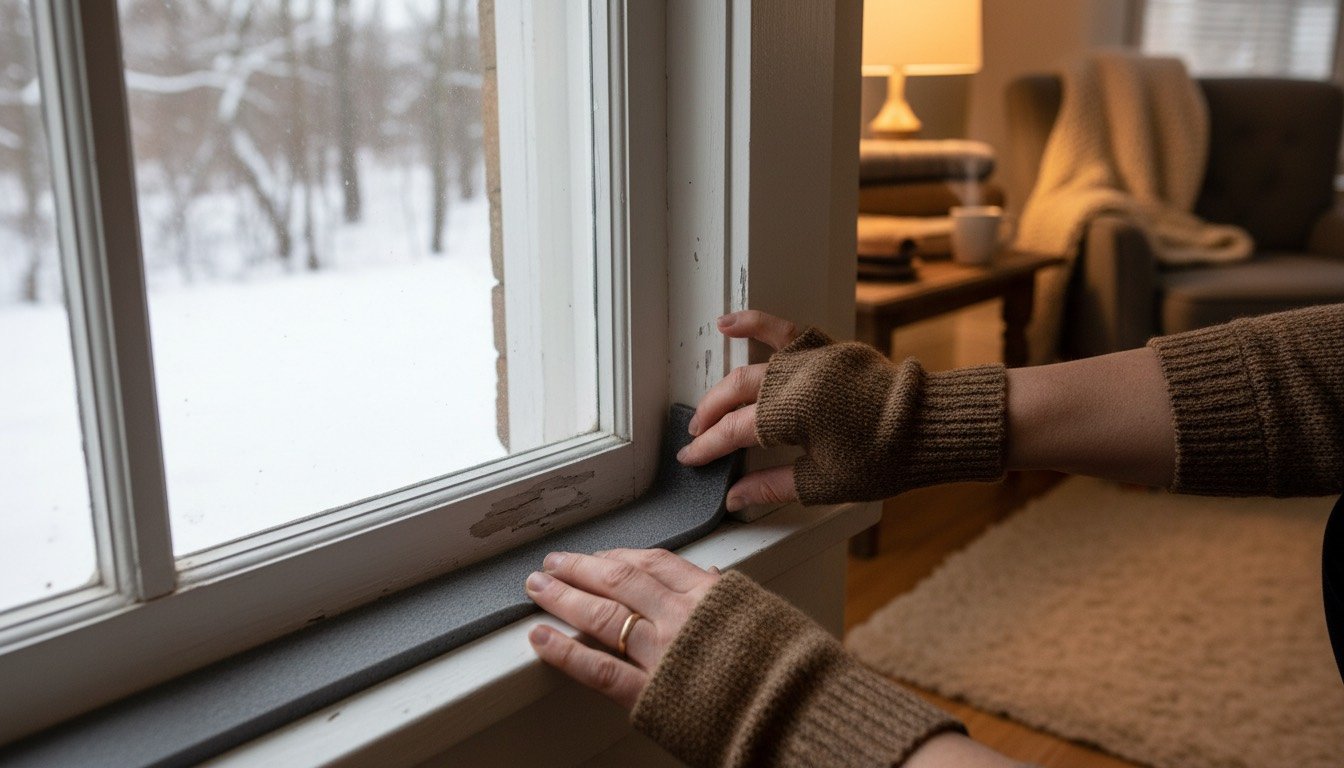
Casement windows respond well to a simple self-adhesive foam or rubber strip around the frame where the sash meets it, roughly £4–£8 per window. Original timber sash windows are trickier, since the sliding action rules out foam: specialists fit brush pile strip into the running channels, typically £25–£60 per window fitted, or £8–£15 in DIY kit form. For single-glazed sashes you're not ready to replace, a shrink-fit secondary glazing film (around £15–£25 per window) is a cheap seasonal fix that peels off cleanly each spring. If a window is draughty because the frame has failed rather than just the seal, our guide on signs your windows need replacing explains how to tell the two apart.
Chimneys, Loft Hatches and the Draughts Everyone Forgets
An unused open chimney is often the single biggest heat leak in an older house, pulling warm air out around the clock. A removable chimney balloon or wool draught excluder (a 'chimney sheep') fitted above the fireplace costs £15–£35 and lifts out in minutes if you want to light a fire — never seal a flue still connected to a gas or solid fuel appliance. Planning to use an open fire or log burner this winter? Get the flue swept first; our chimney sweep cost and log burner prep guide explains what to expect.
Loft hatches are the other classic miss: even a fully insulated loft usually has a hatch with no seal, sitting like a small open window. A metre of adhesive foam strip around the lip (under £5) plus an insulated hatch cover (£15–£30) closes a surprisingly large gap in five minutes. While you're up there, our loft insulation guide covers current recommended depths and topping-up costs.
Floors, Letterboxes and the Smaller Gaps
Gaps between floorboards and where skirting meets the floor are easy to underestimate — together they can be as draughty as a window left ajar. Flexible acrylic filler or a specialist floorboard sealant, smoothed into the gap with a wet finger, costs £6–£12 a tube; wider gaps under skirting take a foam backing rod first, then filler over the top. A brush-lined letterbox flap and a sprung keyhole cover cost only a few pounds each and stop a cold stream at hand height. Rugs and runners won't stop a draught at source, but they cut the chill underfoot in rooms with floorboards you'd rather not seal completely.
Ventilation: Why You Shouldn't Seal Every Gap
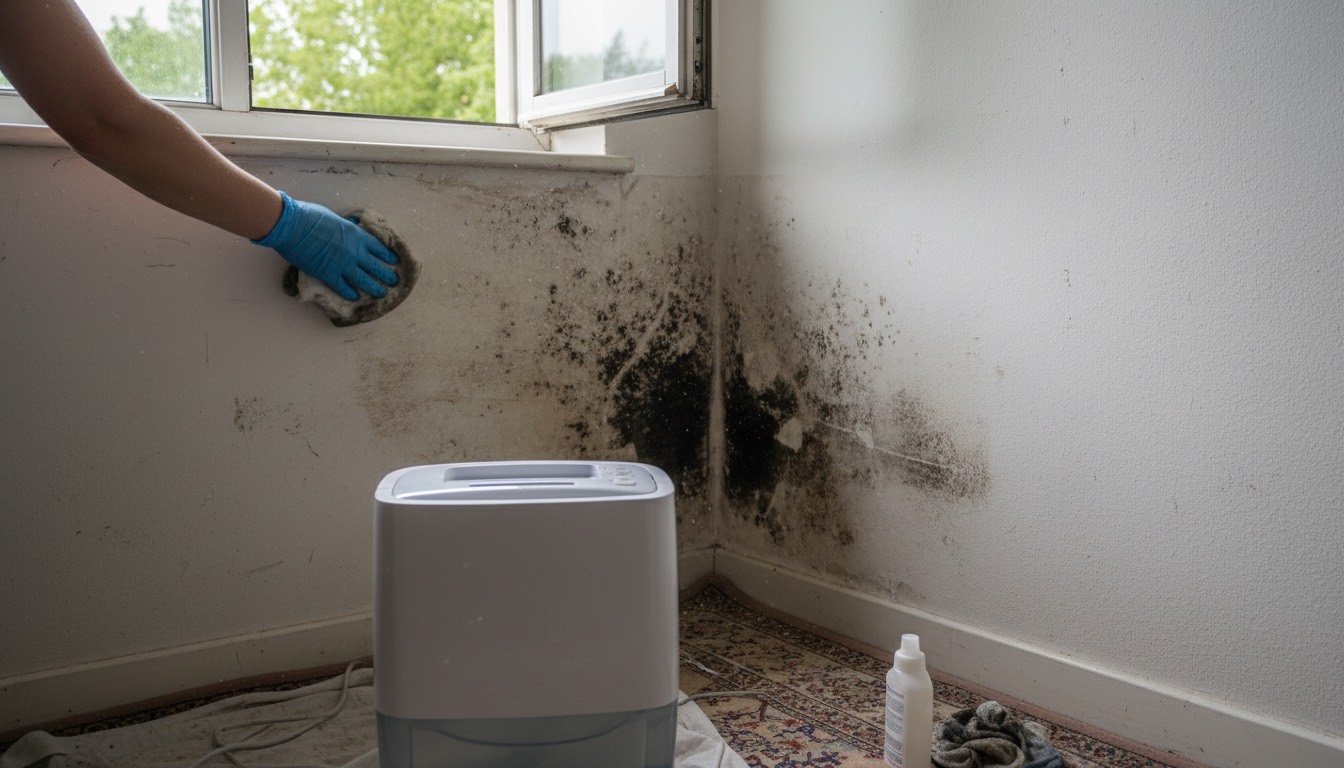
Draught-proofing aims to stop uncontrolled air leaks, not to make the house airtight — those are different goals. Trickle vents, extractor fans and air bricks serving gas appliances or suspended timber floors all need to stay clear, whatever else you seal. A house with plenty of draughts but poor mechanical ventilation can tip into condensation and mould once those draughts disappear, because moisture from cooking, showering and breathing has nowhere left to go. Our guide to getting rid of damp and mould explains the link — if windows steam up more after you've draught-proofed, run extractor fans longer rather than ripping the seals back out.
Common Draught-Proofing Mistakes
A few habits turn a good draught-proofing job into a wasted afternoon or a damp problem:
- •Sealing air bricks or vents that serve a boiler, gas fire or subfloor — a safety issue, not just an efficiency one
- •Fitting foam strip to a door or window that doesn't close squarely, so the seal is crushed on one side and gaping on the other
- •Blocking a chimney without first checking the flue is genuinely redundant
- •Painting over draught strips, which turns rubber or foam brittle and useless within a season
- •Treating strips or film as a substitute for fixing a rotten frame, when the window really needs replacing
Frequently asked questions
**How much can draught-proofing actually save on heating bills?** Savings depend on how leaky the house was to start with, but because the fixes cost so little — often under £100 for a whole house — even a modest cut in heat loss tends to pay the outlay back within a year or two. Sealing up also lets you hold off firing up the boiler a little longer — see when to turn the heating on for how far that can reasonably stretch.
**Is draught-proofing worth doing in a rented flat?** Most of it is removable: brush strips, letterbox seals, chimney balloons and self-adhesive window strip can come off at the end of a tenancy without marking the woodwork, so it's usually worth doing — just check the tenancy agreement before drilling into any frames.
**Can I draught-proof a listed building or a conservation area house?** Simple, non-permanent draught-proofing — brush strips, letterbox seals, chimney balloons, secondary glazing film — is usually fine since it doesn't alter the building's fabric. Anything involving new frames should be checked with the local conservation officer first.
**Do I still need to draught-proof if I already have double glazing?** Yes. New windows cut heat loss through the glass, but the frames, front door, loft hatch, chimney and floor can all still leak air regardless of what's happening at the panes.
**Will sealing draughts cause condensation?** Only if the vents get sealed along with the draughts. Keep trickle vents, extractor fans and air bricks working and controlled ventilation continues even once accidental gaps are closed.
Found this useful?
There's plenty more — hundreds of guides and honestly-tested product reviews for every corner of your home.
Browse All Guides