Home Safety & Security · 6 min read · 15 June 2026
Smart Lock vs Traditional Lock: What Actually Secures a UK Front Door (and What It Costs)
A £220 smart lock bolted onto a £12 euro cylinder is a convenience upgrade, not a security one. Here is what each option really costs fitted, and where the money actually buys protection.
By the Nims Casa editorial team — written from professional cleaning experience and checked against our editorial standards.
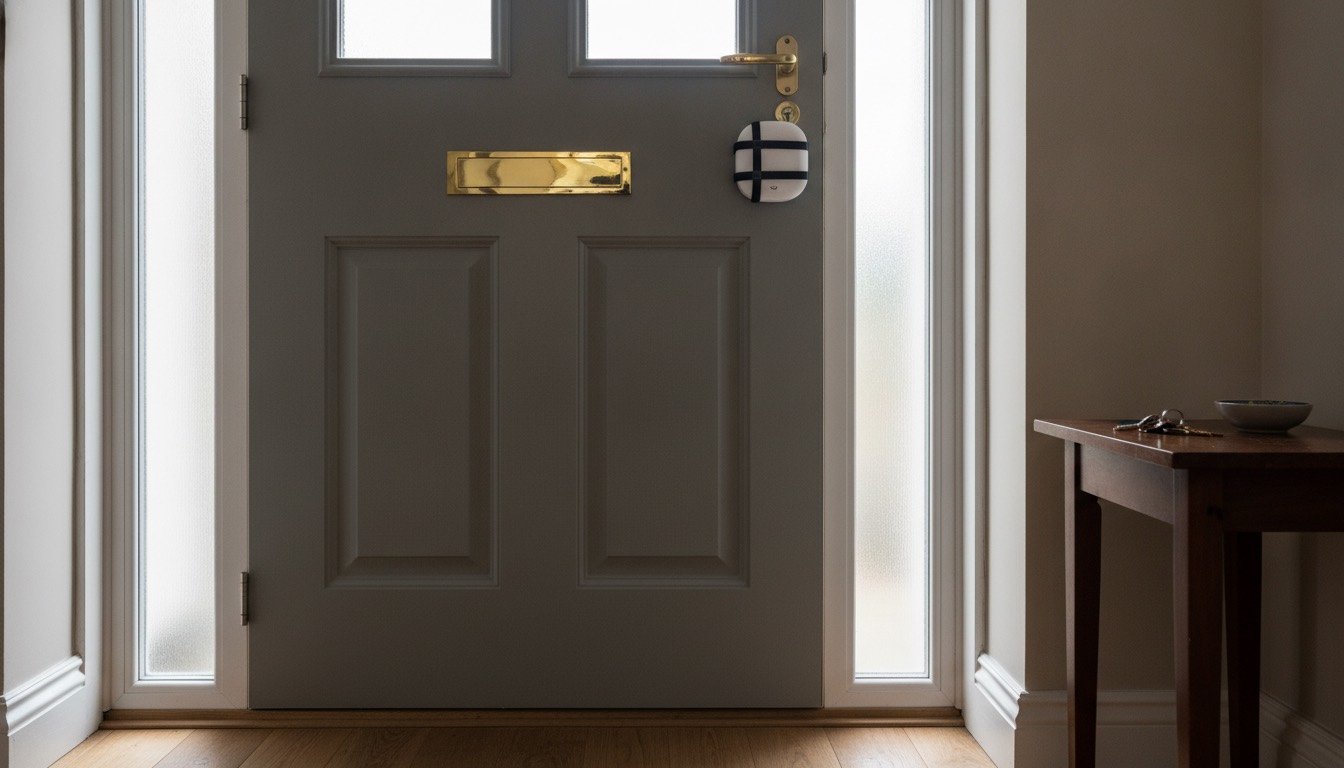
Burglars in Britain do not pick locks. On uPVC and composite doors they snap the cylinder: grip the protruding nose with mole grips, lever until it fractures at the central cam, then turn the mechanism with a screwdriver. On an unrated cylinder that takes about fifteen seconds and makes very little noise.
That reframes the comparison. Electronics decide who may turn the mechanism; they do nothing about someone who never intends to turn it. So we have priced both the way a locksmith invoices, parts on one line and labour on another.
Smart Lock vs Traditional Lock: The Side-by-Side
Both sit on the same door; the difference is what the outlay buys.
- •Security standard: traditional — TS007 3-star or Sold Secure Diamond cylinders, BS 3621 five-lever mortice deadlocks on timber. Smart — the rating still comes from the cylinder underneath, never from the app.
- •Insurance: BS 3621 on final exit doors satisfies virtually every UK policy; a smart lock passes only where the mechanical lock still meets the wording.
- •Fitted cost: £90–£150 for an anti-snap cylinder supplied and fitted, against £200–£420 retrofit or £300–£480 for a handle set.
- •Power: none, ever, versus AA cells or a rechargeable pack changed every four to twelve months.
- •Keys: £4–£12 per cut key you can never take back, versus digital keys revoked in seconds.
- •Failure mode: a stiffening gearbox gives weeks of warning; a flat battery gives none.
- •Records: none, versus a timestamped access log if a carer holds a key.
- •Service life: 10–20 years mechanical; 5–8 years before app support or the battery pack limits a smart lock.
Performance: Where Each One Stops a Break-In
A TS007 3-star cylinder sacrifices its outer section when levered, leaving the cam protected and the door shut. A fifteen-second attack becomes a noisy two-minute one, which is usually enough. On timber the equivalent is a BS 3621 five-lever mortice deadlock into a reinforced keep, backed by a British Standard rim nightlatch.
Retrofit smart locks — the Nuki, SwitchBot and Aqara style modules — clamp over the internal thumbturn and motorise it. They change nothing on the outside face, so their security is precisely that of the cylinder behind them. Handle-replacement models such as the Yale Conexis L2 do replace the external furniture, and the better ones carry a 3-star handle rating, but the gearbox and keeps are untouched.
Where smart locks win is behavioural: auto-locking means the door is never left on the latch, no key lives under a plant pot, and a tradesman gets one Tuesday afternoon rather than a permanent copy. That is real risk reduction, just not the risk most buyers think they are buying. Anything on the network also widens your attack surface, so the smart home privacy risks apply here too.
Real UK Costs in 2026: Parts and Labour, Separately
Locksmith rates vary more by postcode than by skill. Expect £60–£95 for a call-out plus first hour across most of England and Wales, £80–£130 inside the M25, then £45–£75 an hour. Out-of-hours lockouts run £120–£220 before parts.
- •Unrated euro cylinder £8–£18 — the false economy that undoes everything else.
- •TS007 3-star anti-snap cylinder £32–£60 supplied.
- •BS 3621 five-lever mortice deadlock £30–£75; British Standard rim nightlatch £45–£90.
- •Retrofit smart module £130–£260; an external keypad or fob reader adds £45–£85.
- •Handle-replacement smart set £230–£320; matched cylinder-and-module bundles £280–£350.
- •Labour times: cylinder swap 15–25 minutes; deadlock into an existing mortice 45–90 minutes; a fresh mortice around two hours; smart lock commissioning 45–90 minutes.
The 10-Year Cost, Honestly Totalled
On a cylinder swap, materials are 35–40 per cent of the invoice and labour the rest. On a smart install it flips: hardware is 65–75 per cent, labour one visit.
Traditional route, one front door: two 3-star cylinders across ten years (the second after a move or a lost keyring) at £90, one fitting at £70 and six cut keys at £45 — around £205. Smart route: a £220 retrofit unit, £90 fitting, £8 a year in cells and a replacement near year six at £210, so roughly £600, with the cylinder underneath still to buy. Budget about £400 more per door per decade.
No mainstream UK smart lock charges a subscription in 2026. If a bundle includes one, add £30–£60 a year; that is monitored-alarm money. Read our breakdown of what a home security system actually costs before splitting a budget across locks, cameras and monitoring.
Installation: A 20-Minute Job, or Not
Swapping a euro cylinder is genuinely DIY. Measure it as two figures from the central screw hole to each face — 40/50, say, not the overall length. Remove the long M5 screw in the door edge, turn the key a few degrees to align the cam, and it withdraws. Refitted, it should protrude no more than 2–3mm outside; anything proud gives the grips something to bite.
Retrofit modules need a thumbturn cylinder and clearance around it, so check the door chain first. Handle-replacement sets need the right spindle (usually 8mm split) and PZ centre distance, typically 92mm. Never motorise a door that already binds — the motor lacks the torque, and you will spend an evening chasing a lock fault that is really a sticking, dropped door. If the door is an escape route from a flat or HMO, it must open from inside without a key. Adding sensors or a doorbell too? Our smart home setup guide covers commissioning order.
Maintenance and What Goes Wrong
Mechanical locks want a puff of PTFE dry lubricant in the keyway twice a year — never WD-40, which gums up, and never graphite. Grease the multipoint hooks and check alignment each autumn.
Smart locks fail differently. A rechargeable pack gives four to six months, four AAs eight to twelve, and an exposed porch in a British winter cuts either by a third; lithium cells hold up far better below 5°C. Keep a physical key with a neighbour, and accept that a manufacturer folding can strand an app-dependent lock in a way a mortice deadlock never will.
Who Each Suits, and the Verdict
Traditional locks suit period timber doors, insurance-sensitive claims histories, houses left empty for long stretches, and anyone not sharing access. Smart locks earn their premium where cleaners, carers or dog walkers come and go, in holiday lets, and for anyone who finds a stiff key painful.
The verdict is not either/or. Spend the first £50 on the cylinder — a correctly sized 3-star unit is the highest-value security purchase in the house, and no app substitutes for it. Then, if key-sharing is a daily problem, add a retrofit module over the top: it keeps your rated cylinder, stays reversible for renters and undercuts a handle set.
A fair invoice names the cylinder brand and star rating, itemises parts and labour separately, and carries a twelve-month guarantee. Be wary of £450 to 'upgrade the locks' on one uPVC door with no standard specified, and of an emergency locksmith who will not give a ceiling price by phone — most uPVC doors open non-destructively, so drilling is a last resort. Walk the house against our home security checklist first; the weak point is usually a side gate, not the front lock.
Found this useful?
There's plenty more — hundreds of guides and honestly-tested product reviews for every corner of your home.
Browse All Guides