Stain & Odour Removal: the complete guide
The specialist end of cleaning: what professional spotting chemistry can rescue, how pet odour treatment really works, and the honest limits nobody advertises.
Typical UK price: from £45 per call-out
Typical time: 30–90 mins
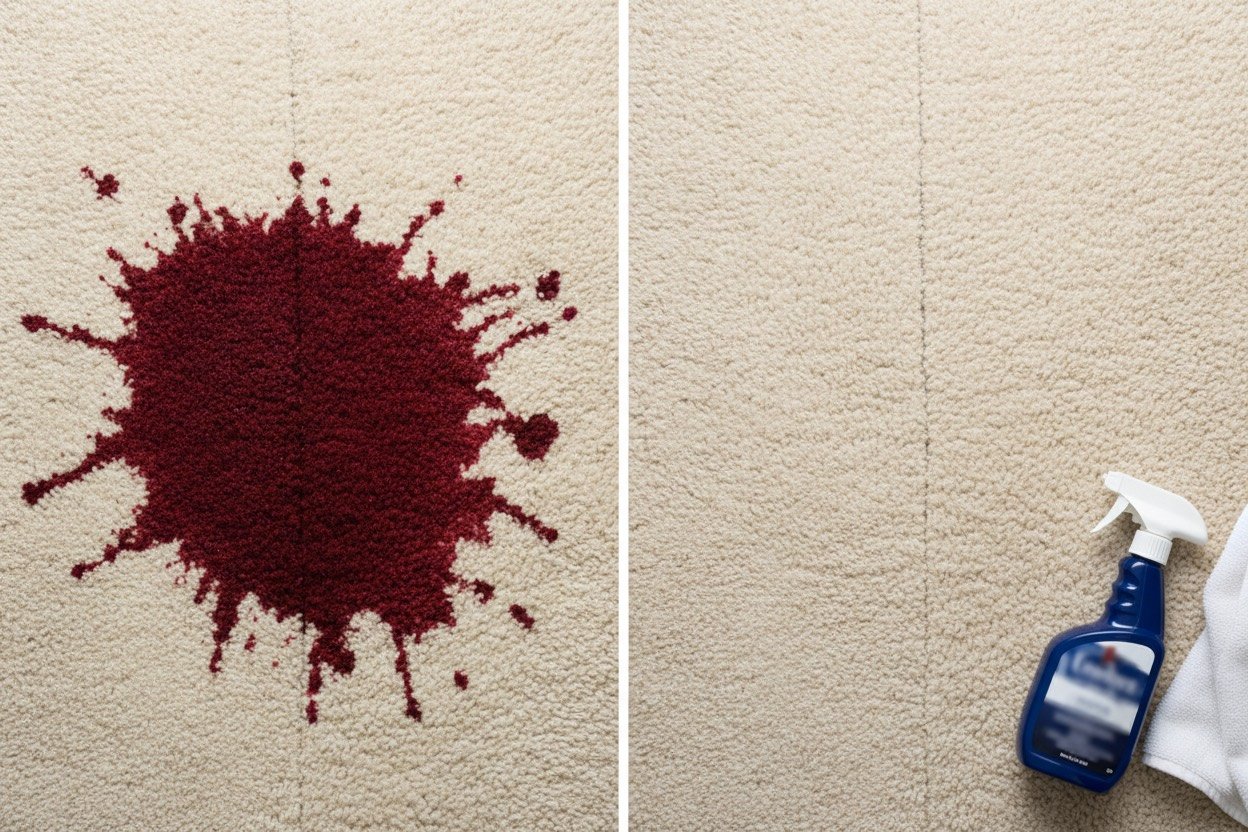
Some stains laugh at supermarket sprays — and some DIY attempts actively set stains permanently or leave soap residue that attracts more dirt. Professional stain technicians carry spotting kits with twenty-plus specialist treatments, matched to both the stain's chemistry (tannin, protein, oil, dye) and your carpet's fibre. That matching is the entire skill, and it's why professional success rates on 'impossible' stains are so much higher than the products aisle.
Odours are a different problem wearing the same clothes. Pet urine, for example, soaks through carpet into the underlay, where it dries into salts that reactivate with every humid day — no surface spray reaches it. Professional treatment uses enzyme digesters injected to the depth of the contamination, which is the only approach that removes the smell rather than renting it a disguise.
Why stain removal is worth understanding
Chemistry matched to the stain
Red wine, curry, ink, blood, wax, rust — each family has a correct professional treatment and several wrong ones. Technicians identify before they treat.
Pet urine needs depth, not perfume
Enzyme treatment must reach the underlay where urine salts live. Ask any company how deep their treatment goes — the answer reveals whether they understand the problem.
Speed multiplies success
Same-day treatment of a fresh stain has a dramatically higher full-removal rate than month-old attempts layered with DIY products. Call before you experiment.
Honest assessment up front
Bleach spots and dye damage can't be 'cleaned' — they're re-colouring or patching jobs. A trustworthy specialist says so before taking your money.
How a professional visit works
- 1
Identify stain & fibre
The right treatment depends on both what was spilled and what the carpet is made of — wool tolerates far less aggressive chemistry than nylon.
- 2
Targeted chemistry
Specialist spotting agents break down the stain without damaging fibres or dyes.
- 3
Flush & extract
Residues are flushed and extracted so nothing sticky remains to re-attract dirt — the step DIY can't replicate.
- 4
Odour source treatment
Where needed, enzyme digesters treat pad-level contamination over hours or days — genuine odour removal is slow chemistry.
Stain Removal FAQs
Yes — but only by treating the source in the underlay. Urine dries into crystals that reactivate with humidity, which is why the smell 'comes back' on muggy days. Enzyme treatment breaks these down permanently; severe cases need the underlay section replaced, which still costs far less than new carpet.
Related reading
Roofing & Exterior · 6 min read
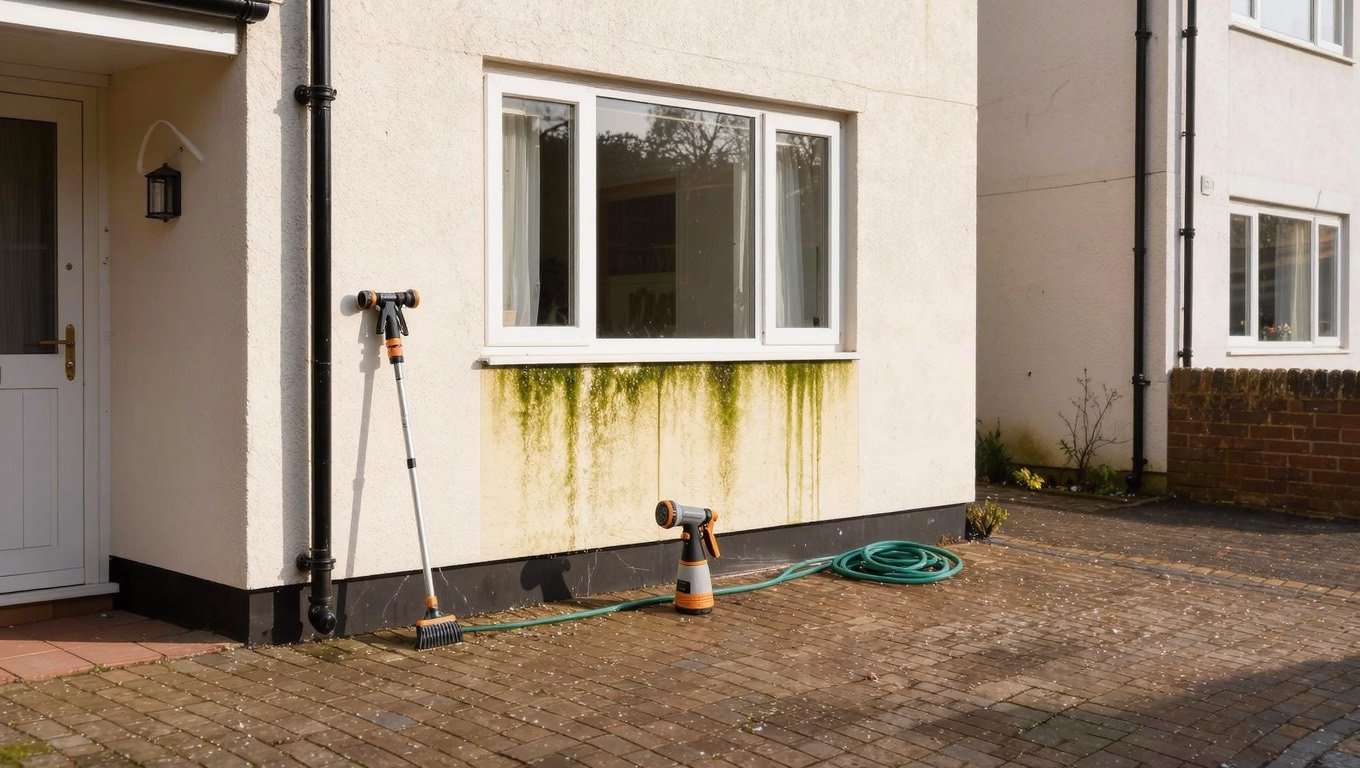
How to Clean Render and External Walls: Algae, Red Stains and Grime
Green film and pink-orange blooms on modern render are algae, and a pressure washer will ruin the wall trying to shift them. Here is the soft-wash method the professionals use, with UK costs.
Laundry & Fabric Care · 6 min read
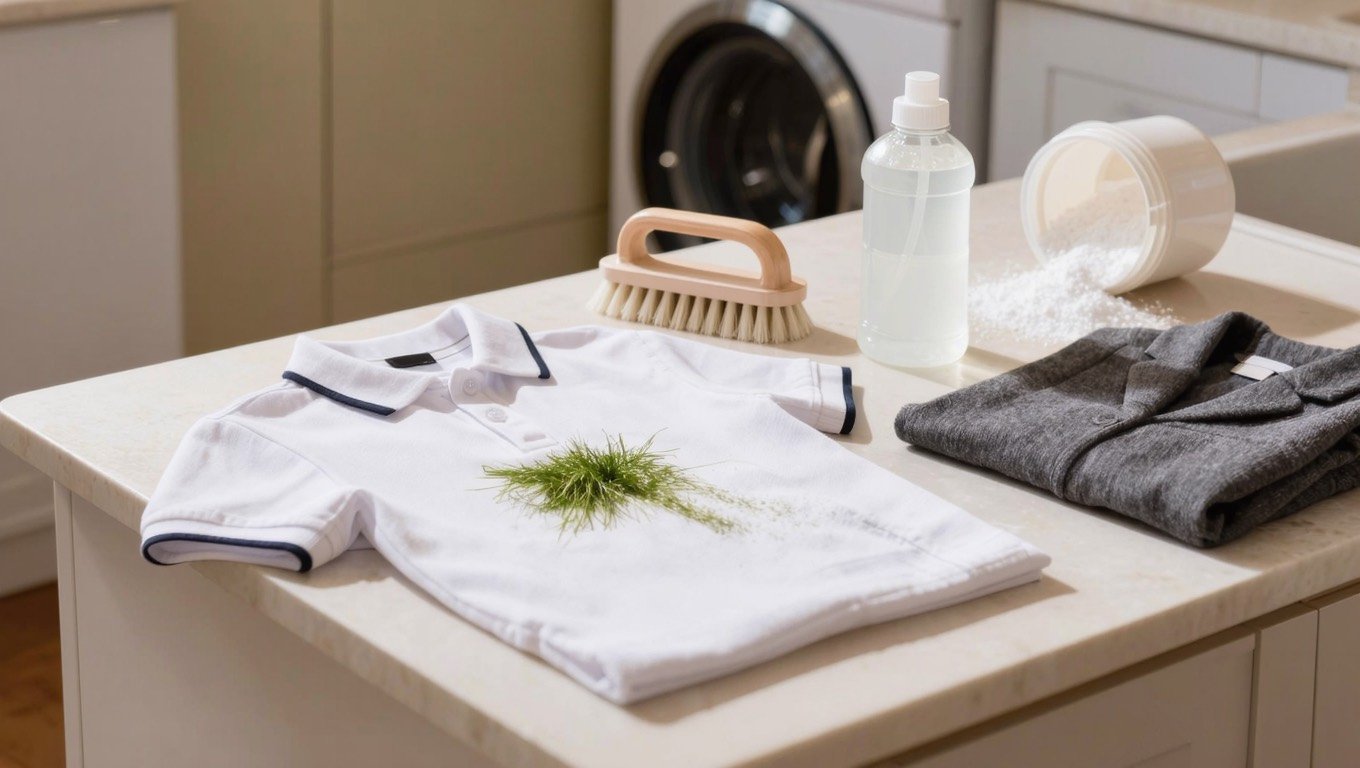
School Uniform Stain Removal: Grass, Ink, Mud and Felt Tip Solved
Grass, biro, mud and mystery lunch: the September stain rotation. Here's how to clear each one without setting it into a polyester blend for good.
Energy & Insulation · 8 min read
Sustainable Home Improvement Ideas for Real UK Homes and Budgets
Most eco upgrades fail because they fix a problem the house never had. Diagnose first, then spend — here is the order that actually works in British housing stock.
Keep your home in brilliant shape
Hundreds of honest guides and tested product reviews — written from real hands-on experience.