Home Safety & Security · 6 min read · 14 June 2026
Home Security Checklist: A Printable UK Room-by-Room Audit
The audit we run on a house before recommending a single gadget: what to check, what it costs, how long it takes, and the handful of jobs you should hand to a locksmith or an electrician.
By the Nims Casa editorial team — written from professional cleaning experience and checked against our editorial standards.
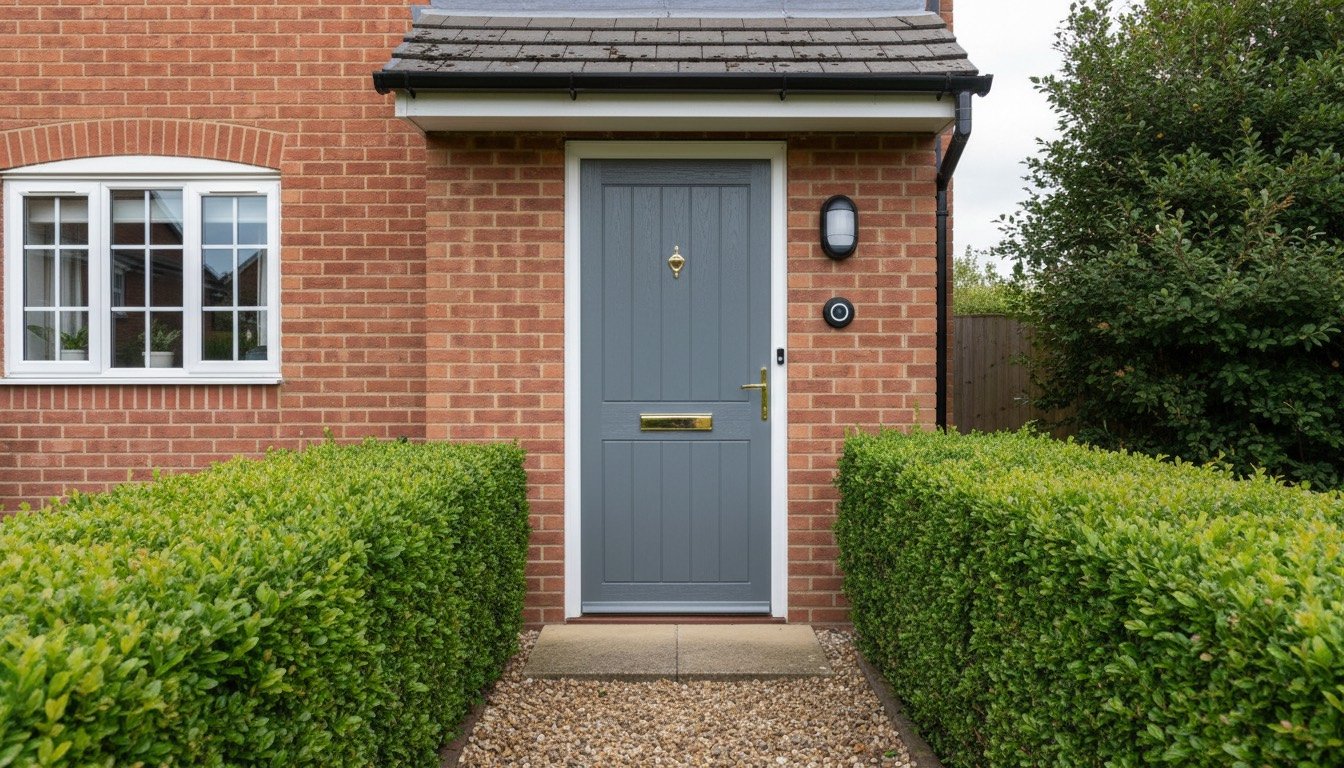
Most burglaries in Britain are decided from the pavement in under a minute. Whoever is looking is answering three questions: is anyone in, is there a quiet way round the back, and will I be seen? Every task below makes one of those answers worse for them.
This is the audit we run for a security once-over, laid out so you can print it and tick it off. Each job carries a realistic time and a 2026 UK price for parts. We have also been blunt about the jobs where a competent DIYer should stop and pay a locksmith or a registered electrician — getting those wrong costs more than the burglary would.
Start With the 20-Minute Walk-Round
Walk your boundary twice before buying anything — once from the front pavement, once from the back fence — writing down what you see rather than what you know is there. It costs nothing and usually reorders everything below.
- •Front door: does the cylinder stick more than 2mm past the handle plate? On uPVC and composite doors that is the biggest weakness there is.
- •Letter plate: through the opening, can you see keys or reach a thumbturn?
- •Side gate: is it bolted, and would it hold a shoulder? Unlocked, it turns a public job into a private one.
- •Sightlines: which doors and windows are screened by a hedge, bin store or parked car? Protect those first.
- •Climbing aids: ladders, wheelie bins and furniture that reach a flat roof or first-floor window.
- •Shed and garage: what is in there worth over £300, and what is holding the door shut?
One-Off Fixes: Doors and Windows
Prices below are for parts; timings assume ordinary DIY confidence and a cordless drill. Do these before spending on cameras or apps — a smart lock fitted to a snappable cylinder is worse than useless.
- •TS007 3-star or Sold Secure Diamond anti-snap euro cylinder on every uPVC and composite door — £25–45 each, 20–30 minutes. Measure from the centre screw out to each face; the halves are rarely equal.
- •Timber final-exit doors need a BS 3621 five-lever mortice deadlock — £30–60 for the lock, but read the DIY-or-pro section before picking up a chisel.
- •Hinge bolts on outward-opening timber doors — £6 a pair, 30 minutes with a 10mm bit.
- •Letter plate cowl or restrictor — £12–25, 15 minutes — then move every key beyond arm's reach of the door.
- •Key-operated locks on ground-floor and accessible first-floor windows — £6–10 each, 15 minutes. Most UK insurance schedules quietly assume they are there.
- •Anti-lift bar or patio lock on sliding doors — £15–35, 30 minutes; our guide to securing a sliding patio door covers the lift-out attack properly.
One-Off Fixes: Outside, Shed and Garage
Outbuildings hold the expensive, uninsured things, and out there light and noise beat locks — nobody wants to stand in a floodlit garden crunching across gravel.
- •PIR floodlight over the back door and any dark side return — £20–45 plug-in, £90–160 fitted if it needs a new outdoor spur. Set it to 8–10 metres and 60 seconds.
- •Live alarm with a front bell box at least 3m up — £150–400 self-fit, or £25–45 a month monitored; see what a home security system costs first.
- •Gravel to the side return and under ground-floor windows — a bulk bag covers 10–12m² at 50mm deep, £45–75 delivered.
- •Coach-bolted hasp and staple with a closed-shackle padlock on the shed — £25–45, 45 minutes. Ordinary screws come out with a screwdriver.
- •Ground anchor for bikes and mowers — £30–60, an hour into a concrete slab with a 12mm masonry bit and resin.
- •Cut front hedges below 1m and raise rear planting above 2m; a hedge that hides the house hides the burglar.
The Repeating Checks: Monthly, Quarterly, Seasonal
Security hardware fails quietly. Batteries flatten, cylinders stiffen and clips stop uploading weeks before anyone notices.
- •Monthly, 5 minutes: walk-test the alarm and its contacts, check camera and doorbell batteries, and confirm one recent clip reached the cloud or local card.
- •Monthly, 2 minutes: press-test every smoke and heat alarm; if one chirps, our guide to decoding smoke alarm chirps says whether it is the battery or a ten-year end of life.
- •Quarterly, 30 minutes: lubricate cylinders with PTFE or graphite dry lube — never WD-40, which gums up over a winter — oil hinges, check the multipoint mechanism throws without forcing the handle, and wipe the camera lenses, which British drizzle fogs in a fortnight.
- •Late September to February: dark by 16:30, so bring lamp timers forward, vary the pattern, and make sure the back is not the only unlit elevation.
- •Before a holiday: cancel deliveries, ask a neighbour to shift the bins, never post the dates, and flatten appliance boxes rather than leaving them kerbside.
- •May to August: lock the patio door when you go to the front of the house, not only when you go out.
Supplies: What Is Worth Owning
Roughly 80% of this list needs a cordless drill and about £120 of hardware; buy the consumables in one order.
- •Cordless drill/driver, HSS and masonry bits, PZ2 bits, 300mm spirit level
- •Anti-snap cylinders sized per door, plus a spare key set stored off the premises
- •Window lock kit, hinge bolts, letter plate cowl, one-way security screws
- •PTFE dry lube, exterior frame sealant, stainless coach bolts, plug-in lamp timers at £8–15
DIY or Professional: Where the Line Actually Sits
Most checklists dodge this. In the UK the boundary is not about confidence — it is about certification, fire doors and Part P.
- •Fair game for a competent DIYer: euro cylinders, window locks, hinge bolts, letter plate cowls, shed hasps, ground anchors, gravel, plug-in cameras, lamp timers and self-fit wireless alarm kits.
- •Borderline: mortising a new lock into a timber door. Chisel the pocket 3mm wrong and you have ruined a £400 door; a locksmith charges £90–150 fitted and warrants it.
- •Professional only: any new outdoor mains circuit or hardwired floodlight, camera or alarm spur. In England and Wales that is notifiable under Part P and needs a registered electrician (NICEIC, NAPIT, ELECSA) or building control sign-off.
- •Professional only: insurer-specified BS EN 50131 grade alarms, which must be installed and maintained by an NSI or SSAIB approved company.
- •Professional only: altering a certificated fire door in a flat — chains, viewers and letterbox changes void the certification — and anything above 3m, such as eaves-level cameras.
- •Leaseholders: communal doors, external walls and shared cabling are not yours to touch. If you are weighing wired against wireless systems, wireless keeps far more of the job inside DIY territory.
If You Only Have an Hour
In order of return per minute: move keys away from the letterbox, bolt the side gate, lock every ground-floor window and remove the keys, put a lamp on a timer, and order an anti-snap cylinder. Under an hour, about £40, and it closes the four routes used most often.
Next comes a video doorbell and a PIR light at the back. A domestic camera capturing the pavement or a neighbour's garden brings you under UK GDPR, so angle it down, mask what you can and put up a small sign.
Found this useful?
There's plenty more — hundreds of guides and honestly-tested product reviews for every corner of your home.
Browse All Guides