Energy & Insulation · 8 min read · 15 July 2026
Sustainable Home Improvement Ideas for Real UK Homes and Budgets
Most eco upgrades fail because they fix a problem the house never had. Diagnose first, then spend — here is the order that actually works in British housing stock.
By the Nims Casa editorial team — written from professional cleaning experience and checked against our editorial standards.
A lot of money spent on green upgrades in Britain lands on the wrong problem entirely. We have stood in Victorian terraces with a £7,000 solar array on the roof and a loft holding 100mm of compressed 1980s mineral wool. We have seen rainwater harvesting tanks dug into gardens belonging to households that were never on a water meter, so the tank saved nothing but goodwill.
The genuinely sustainable upgrade is the one that fixes the fault your particular house has. Every house is bad at something different, and the four common faults — heat loss, water waste, always-on electricity, and material churn — have completely different shopping lists. So work through the diagnosis below first, then pick your ideas from the matching section.
Diagnose the house before you buy anything
Five checks, one evening, no specialist kit. Write down the numbers as you go, because they are the only honest baseline you will ever have.
Read your results like this. High gas plus cold surfaces means fabric is your problem and nothing else comes close. Normal gas but a spinning water meter means plumbing and fittings. A stubborn overnight electrical baseline means appliances and standby. If all four checks come back unremarkable, your footprint sits in what you buy and throw away, not what you burn — jump to the materials ideas.
- •Annual gas use: take it from a bill or your online account in kWh, not pounds. Ofgem's medium household figure is about 11,500 kWh. Above 15,000 kWh in a three-bedroom house means heat is escaping faster than it should.
- •Annual electricity: medium is roughly 2,700 kWh. Above 4,000 kWh without an EV or heat pump points at appliances.
- •The overnight baseline: switch off everything you consciously use, then read the in-home display. Under 100W is tidy. Over 250W means something — often an old chest freezer, a hot water cylinder immersion on a stuck timer, or a rack of network kit — is running all year.
- •The two-hour meter test: note the water meter reading, use no water for two hours, read again. Any movement is a leak, and nine times out of ten it is a cistern. Our guide to fixing a running toilet covers the usual culprit.
- •The cold-hand walk: on a windy evening, run the back of your hand along skirtings, letterbox, loft hatch and window reveals. Anywhere it feels noticeably colder is measurable air leakage, and a £2 incense stick will show you the direction of travel.
If the house leaks heat: fabric-first ideas
Fabric before kit, always. A heat pump in a leaky house is an expensive way to heat the street. Start with draught-proofing, which costs £80 to £150 in brush strips, silicone and chimney balloons and typically trims £50 to £90 a year off a gas bill — the only upgrade on this page that pays back inside two winters.
Then look up. Topping mineral wool from 100mm to the recommended 270mm costs roughly £450 to £800 in materials for a standard three-bed loft, and insulating the loft yourself is a genuinely achievable weekend if the joists are sound and there is no old wiring buried under the existing layer. Sheep's wool at £12 to £18 per square metre costs two to three times the price of glass wool but is far less miserable to handle and handles moisture better in older, breathable roofs.
Solid-wall Victorian and Edwardian stock is the hard case. Internal wall insulation using 60mm wood fibre board runs £90 to £140 per square metre installed and eats real floor space; get it wrong and you move the condensation risk behind the board. If you are in a conservation area, secondary glazing at £150 to £400 per window beats replacement units at £600 to £1,200 on both cost and carbon. Before committing five figures, spend £300 to £600 on a proper retrofit assessment — the home energy audit cost guide explains what you should get for it.
If the house wastes water: what actually pays back
The average UK household uses about 140 litres per person per day, and most of that leaves through three fittings. Fixing them is cheap and unglamorous, which is exactly why it works. Full greywater recycling systems — the ones that filter bath and shower water for WC flushing — cost £2,000 to £5,000 installed and must meet BS 8525. On a metered semi with two occupants, that is a 30-year payback. We do not recommend it unless you are already gutting the bathroom and have four or more people in the house.
Rainwater is different, provided you keep it above ground and outdoors. A 210-litre butt costs £30 to £60 with a diverter kit, fills from about 40 square metres of roof in a single decent British downpour, and covers most summer garden watering. Pair it with drip irrigation and you cut garden water use by half again versus a hose.
- •Tap aerators, £4 to £8 each: drop flow from 12 litres a minute to 5 with no noticeable difference at the basin.
- •Aerated or flow-restricted shower head, £25 to £60: 6 to 8 litres a minute instead of 12 to 15. Do not fit one on a gravity-fed system with low head pressure — it will feel like drizzle.
- •Cistern displacement bag: free from most water companies, saves around a litre per flush on pre-2001 single-flush cisterns.
- •A water meter: free to install in England and Wales, and you can revert within 12 to 24 months if the bill goes up. If you have fewer bedrooms than occupants-plus-one, it almost always saves money.
- •Butt-to-butt linking kit, £15: a second butt doubles storage for a fraction of the first one's cost, and stops the overflow you get every October.
If it is materials, not bills: choosing what goes in
This is the category most people are actually in, and it is the least discussed because nothing about it shows up on a meter. The wins here are in specification, not systems.
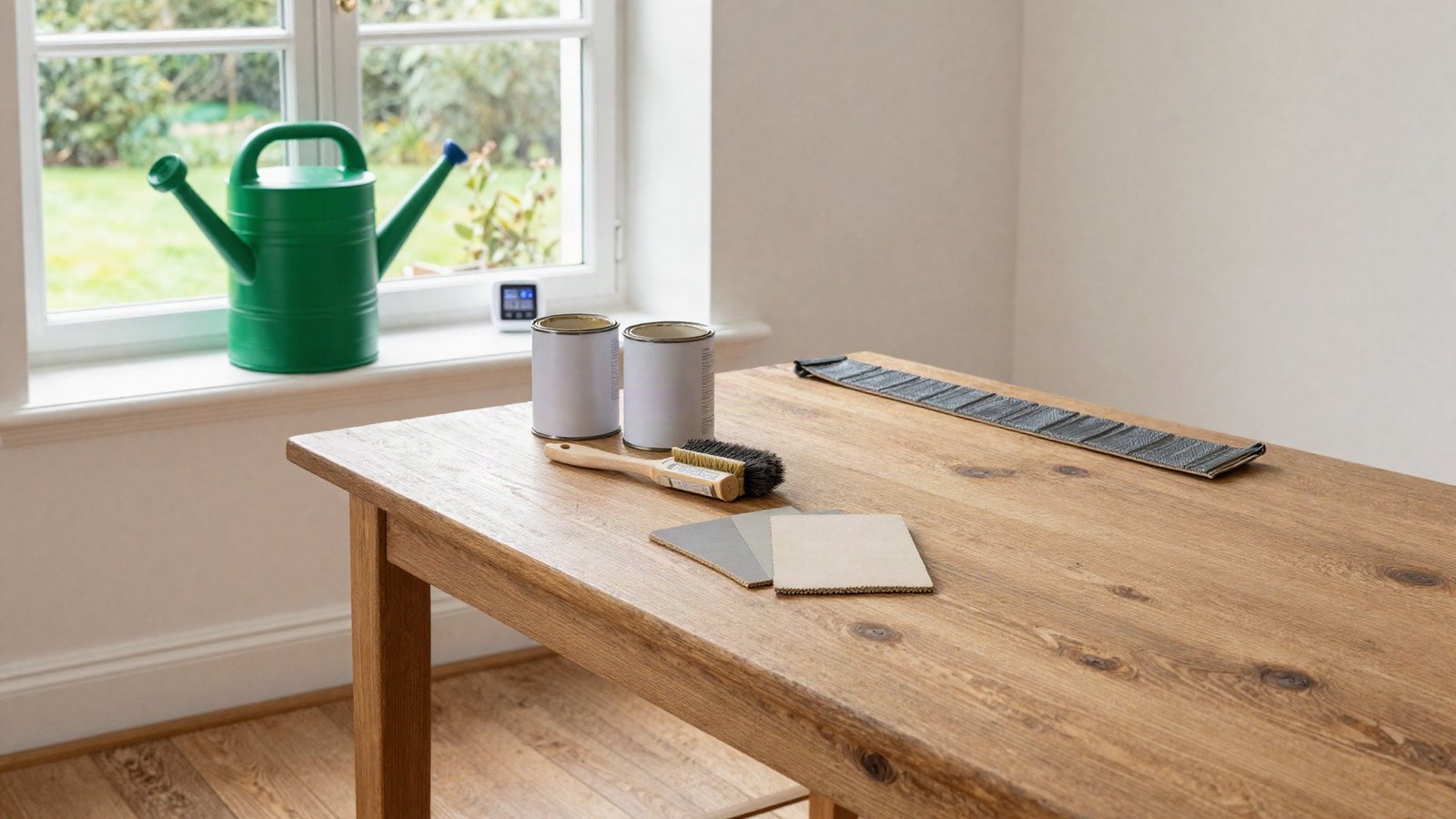
Paint is the easiest swap. Conventional emulsion sits around 30 to 60 g/L of VOCs; clay and mineral paints from Earthborn, Graphenstone and Little Greene's intelligent ranges come in near zero, and they are breathable, which matters enormously on lime plaster in a pre-1919 house. Expect £45 to £75 for 2.5 litres against £25 to £32 for standard trade emulsion — about £150 extra on a whole downstairs. Worth it in a nursery or a room with existing damp history; harder to justify on a garage ceiling.
For floors, linoleum (linseed oil and jute, not vinyl) and cork both cost £30 to £55 per square metre supplied and are warm underfoot in draughty rooms. Reclaimed timber from a Community Wood Recycling yard runs £8 to £20 per square metre for boards you will need to plane, denail and acclimatise for a fortnight — cheap, but budget the labour honestly. And the greenest kitchen is a resprayed one: refacing sound carcasses costs £1,200 to £3,000 against £8,000 for a rip-out.
Budget tiers: what £150, £1,500 and £15,000 buy
Sequenced properly, each tier makes the next one cheaper to run. Skipping tiers is how people end up oversizing expensive kit.
- •£150: draught strips on every external door, a chimney balloon, loft hatch insulation, three tap aerators, a water butt and diverter, and LED replacements for any remaining halogens. Realistic saving £90 to £160 a year.
- •£1,500: loft insulation topped to 270mm, hot water cylinder jacket upgraded to 80mm, a decent shower head, thermostatic radiator valves throughout, and a smart thermostat with proper zoning. Saving £180 to £320 a year on a typical gas bill.
- •£15,000: an air source heat pump (£7,000 to £13,000 after the £7,500 Boiler Upgrade Scheme grant in England and Wales) or a 4kWp solar array at £6,000 to £8,000 — but only after the first two tiers. Read how solar panels work before you sign, because roof pitch and orientation move the yield by 25% either way.
- •Ongoing and free: a compost bin turns roughly a third of household waste into soil improver. What to compost and what never to is the only bit that trips people up.
Small flats and tight terraces
In a one-bed flat, most of the big-ticket ideas are off the table — you do not own the roof, the walls are shared, and 60mm of internal insulation would cost you a third of the bedroom. Concentrate on the things that fit inside your own front door: secondary glazing film at £15 per window, a heat pump tumble dryer that uses roughly half the electricity of a vented model, draught-proofing the flat entrance door, and switching to refillable and concentrate cleaning products to cut the plastic churn a small home generates.
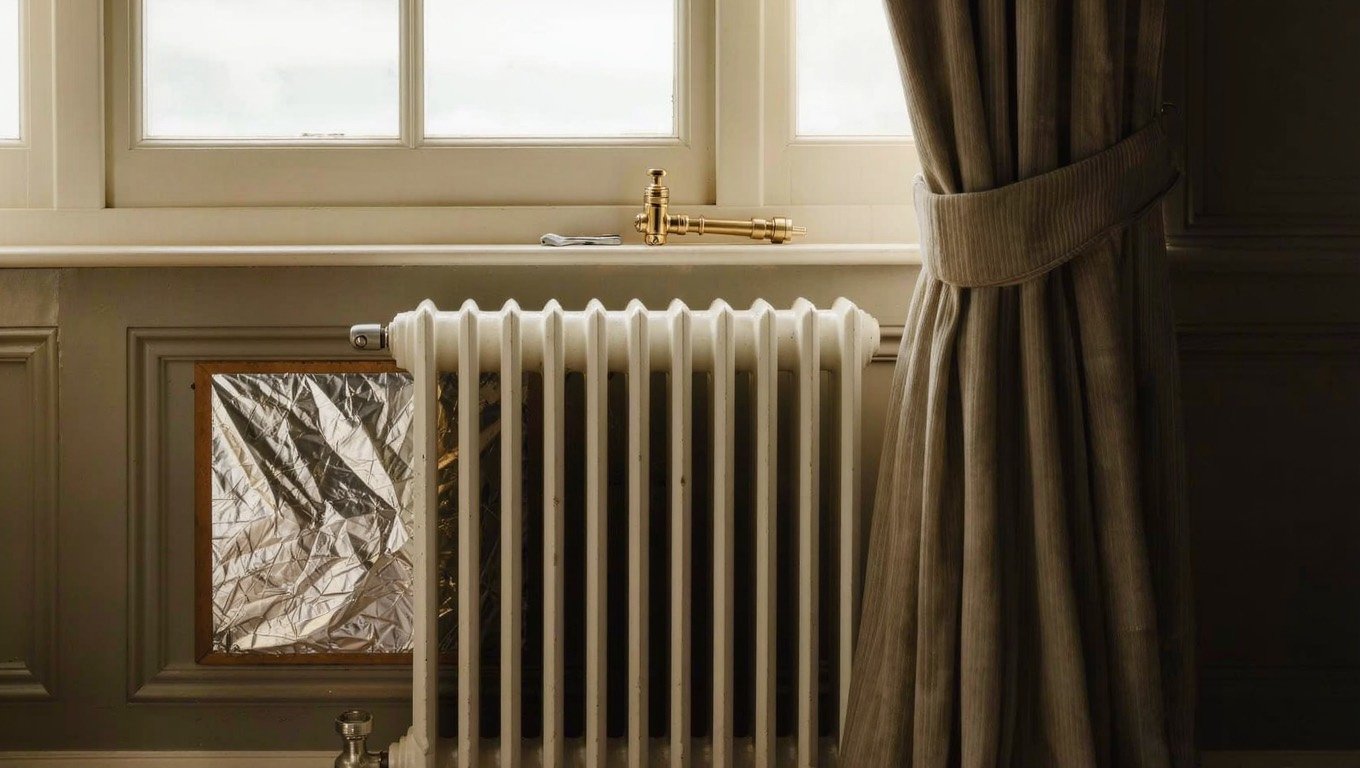
Renters have more leverage than they think. Anything reversible — brush strips, radiator reflector panels behind radiators on external walls, a smart plug on the immersion heater, aerators (keep the originals in a drawer) — goes back at the end of the tenancy. If you want a structured order of work, the home energy efficiency checklist is written to be worked through room by room.
Questions we get asked most
Does any of this raise the sale value? Only indirectly. Buyers respond to a good EPC band and low running costs, not to the specification of your paint. Fabric work and glazing show up; a compost bin does not.
Is a heat pump worth it in an uninsulated house? No. It will run at low flow temperatures or not at all, and an oversized unit in a leaky house costs more to run than the gas boiler it replaced. Fix the fabric, then reassess.
What is the single best first move? Whatever your diagnosis flagged. If you skipped it, do the two-hour water meter test and the cold-hand walk tonight — they cost nothing and they will tell you where your money belongs. From there, browse the rest of the energy and insulation guides for the specific job you have identified.
Found this useful?
There's plenty more — hundreds of guides and honestly-tested product reviews for every corner of your home.
Browse All Guides