Pest Control · 6 min read · 11 August 2026
Why Are There So Many Wasps Right Now? August Wasp Season in the UK, Explained
Mid-August is the peak of the UK wasp year: colonies max out just as workers lose their sugar supply. What is really happening, what works at the table, and what a fair nest treatment costs.
By the Nims Casa editorial team — written from professional cleaning experience and checked against our editorial standards.
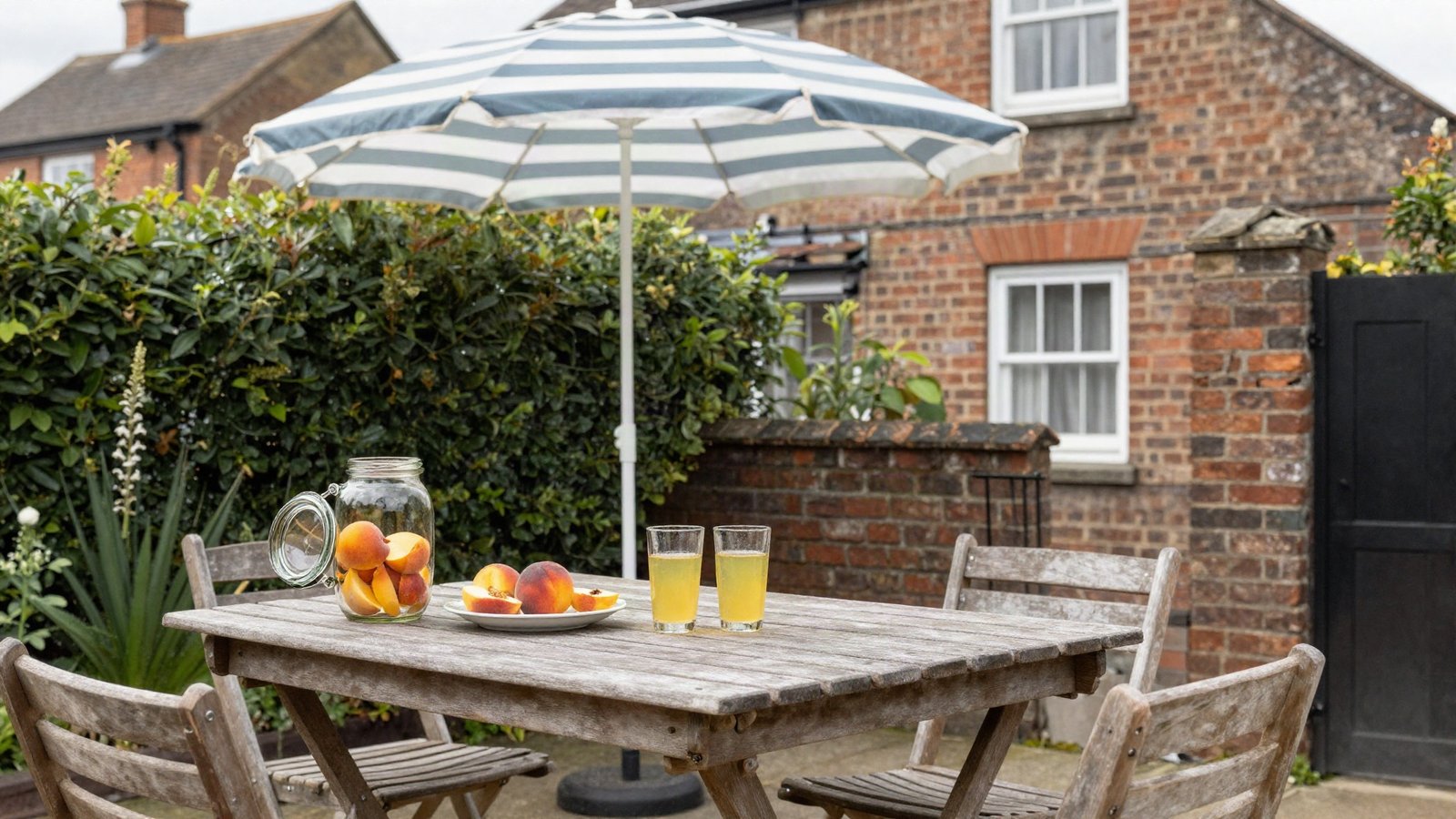
If your garden table has turned into a landing strip this week, you are not imagining it. Mid-to-late August is the peak of the UK wasp year: colonies that began with a single queen in April now hold 3,000 to 10,000 workers each, and almost all of them have just been made redundant. That redundancy is why they are suddenly all over your jam, your lager and your bins.
The phase is short and predictable. Here is what is happening inside the nest, what actually works at the table, and, because August is when the cowboys knock, what a fair nest treatment costs.
The short answer: colonies have peaked and the sugar has run out
For most of the summer, wasps barely bother you because they are working. Workers hunt caterpillars, aphids and flies and feed them to the larvae; in return, each larva secretes a drop of sugary liquid the adults live on. Protein in, sugar out.
In August that economy collapses. The queen switches to producing next year's queens and males, then stops laying. With few larvae left, thousands of workers lose their job and their only sugar source at once, and go looking for a replacement: ripe fruit, ice cream, cider, your recycling. Numbers have not exploded overnight; the wasps hunting greenfly in June are now foraging where you eat.
Their behaviour changes too. Windfall apples, plums and blackberries ferment in warm weather, and wasps feeding on them genuinely become intoxicated, making their flight clumsy and unpredictable. And a jobless wasp is persistent: nothing pulls it back to the nest, so it returns again and again.
Never swat. A crushed wasp releases an alarm pheromone that recruits every nestmate in range, and most multiple-sting incidents start with one flattened wasp. Move slowly, cover your drink, and brush a landed wasp off gently with paper.
Know what you are looking at
Nearly everything hassling a British picnic is the common wasp or the German wasp: 12 to 17 mm, yellow and black, nesting in lofts, cavity walls, sheds, air bricks and old rodent burrows. Treatment is identical for both.
European hornets are far larger, browner, and much less interested in your food; leave them be. The one to take seriously is the Asian hornet: dark body, orange face, yellow legs. It is invasive, so report sightings through the free Asian Hornet Watch app and never approach a suspected nest. A dense, football-sized cluster on a branch is a honeybee swarm; a local beekeeping association will usually collect it free.
Keeping wasps off your food: what works and what does not
Honest answer: nothing makes a garden wasp-free in August. What you can do is make your table the least attractive option within 50 metres. Sugar management does most of the work, the same principle behind getting rid of ants and kitchen fly problems.
- •Serve drinks in bottles or lidded cups, never open cans; a wasp inside a can is invisible until it is in your mouth.
- •Keep food covered until eaten and clear plates within minutes. A smear of jam left an hour recruits a steady stream.
- •Rinse recycling and keep bin lids tight; the bin store is August's busiest wasp restaurant.
- •Set a decoy: a saucer of jam and water 5 or 6 metres downwind, 30 to 45 minutes before eating. Foragers recruit nestmates to the first reliable source they find.
- •Traps catch workers but never dent a colony of thousands. By the decoy they help; beside the table they draw wasps to you.
- •Skip the folklore: fake paper nests, peppermint oil and copper coins have no meaningful evidence behind them.
Nest or no nest? Follow the flightpath
Before spending a penny, check whether you actually have a nest. Table raiders arrive and leave in all directions; a nest shows a steady two-way stream to a single point: an air brick, soffit gap, shed eave or hole in the lawn. Ten minutes on a warm mid-morning settles it: several wasps a minute through one opening means an active nest.
If the traffic leads over the fence, the nest is your neighbour's conversation. No flightpath at all means you are simply on a nearby colony's radar, and deterrence at the table is the only sensible spend.
Treatment costs: what is fair and what is suspect
Wasp nest treatment is one of the cheapest professional pest jobs there is. Expect £45 to £70 for a single accessible nest across most of the UK, £70 to £150 in London and the South East, and £10 to £20 for a second nest on the same visit, not double the bill. Many councils still run a service at £50 to £80, often the best value going; wider pricing is in our guide to how much an exterminator costs in the UK.
Understand the split and you can smell a bad quote. The insecticidal dust costs the technician £2 to £4 per nest and the visit takes 15 to 30 minutes; the rest is labour, travel, protective kit, insurance and reaching the entrance safely. Fair at £60, hard to justify at £250. Red flags: no fixed price over the phone, a survey fee, pressure to buy a multi-visit plan, and the upsell of physically removing the nest. Removal is cosmetic: the dust kills the colony within 24 to 48 hours and old nests are never reused. A fair quote includes a free revisit if the nest is still active after 7 days.
DIY is realistic only for a low nest with a fully visible entrance: a £8 to £12 wasp powder from any DIY shed, applied at dusk in full-cover clothing. Never from a ladder, never inside a loft or cavity wall, and never if anyone in the household has had a bad sting reaction. A pro at £60 is cheap next to A&E.
When to simply leave it alone
Here is what no salesman mentions in August: every wasp nest in Britain is already dying. Colonies collapse with the autumn cold, workers are dead by late October, and only new queens survive, hibernating far from the old nest. From mid-September, a nest that is not beside a door, bin store or play area is usually not worth treating; £70 in late September buys perhaps three weeks over doing nothing.
Do treat promptly when a nest sits in a cavity wall near a vent, above a doorway, or where someone allergic lives. And remember wasps earn their keep: one colony clears several kilograms of caterpillars, aphids and flies a season. As with our backyard mosquito control guide, the goal is management, not eradication.
Quick FAQs
- •How long does wasp season last? Peak nuisance runs late July to mid-September; first frosts finish the colonies.
- •Will the nest come back next year? No, nests are never reused; block the entry hole once the colony is dead so a new queen cannot pick the same spot.
- •What about stings? A cold compress and an oral antihistamine cover most. Call 999 for any sting to the mouth or throat, or for swollen lips, dizziness or breathing difficulty.
- •Is a quiet nest safe to knock down? No: dormant-looking nests wake fast. Treat first, or see our Pest Control guides.
Found this useful?
There's plenty more — hundreds of guides and honestly-tested product reviews for every corner of your home.
Browse All Guides