Pest Control · 6 min read · 9 July 2026
How to Get Rid of Ants in the House (And Keep Them Out)
Every ant you see is following a chemical motorway. Wipe the road, bait the colony, seal the junction — the three-step fix that actually ends it.
By the Nims Casa editorial team — written from professional cleaning experience and checked against our editorial standards.
British ants mostly bother us April to September, when established colonies send workers out hunting for easy calories. A queue of ants on your worktop or windowsill overnight is one scouting trail from a colony that could be in a wall cavity, under a patio slab or beneath next door's shed, metres from the food. Wiping out that visible line with a can of spray does nothing for the thousands still inside the colony that sent them.
That's the mistake most people make. Ants navigate by pheromone trails, not sight or memory. A forager leaves a scent path home; more workers than the food needs follow it, and the trail keeps being reinforced until you destroy it or remove the food. Spray kills the couriers on their way home, but a colony replaces hundreds of foragers within a day, so the trail typically restarts within hours.
This guide covers the three-step method that works: wipe the trail, bait the colony rather than the workers, and seal the entry point once traffic stops, with realistic UK prices, the mistakes that drag treatment out for weeks, and when it stops being a DIY job.
Why Ant Bait Works and Spray Doesn't
Slow-acting sugar bait is meant to be carried, not to kill on contact. A forager feeds at the station, walks the trail home, and shares the bait with nestmates and the queen, spreading the treatment through the colony that spray can never reach. You'll usually see more ants at a fresh station for two to four days before numbers fall away; workers are recruiting nestmates to an apparently excellent food source, which is what you want.
Spray works against this twice over: it kills the foragers you need to carry bait home, and its residue makes ants route around bait placed nearby for days afterwards. If you've already sprayed the trail, wash the area with hot soapy water before laying bait, or you're fighting your own treatment.
The Three-Step Ant Treatment: What to Do This Week
- •Trace the whole trail back from the food source to the entry crack, not just the visible ants. A torch helps in the evening, when foraging in warm weather often peaks.
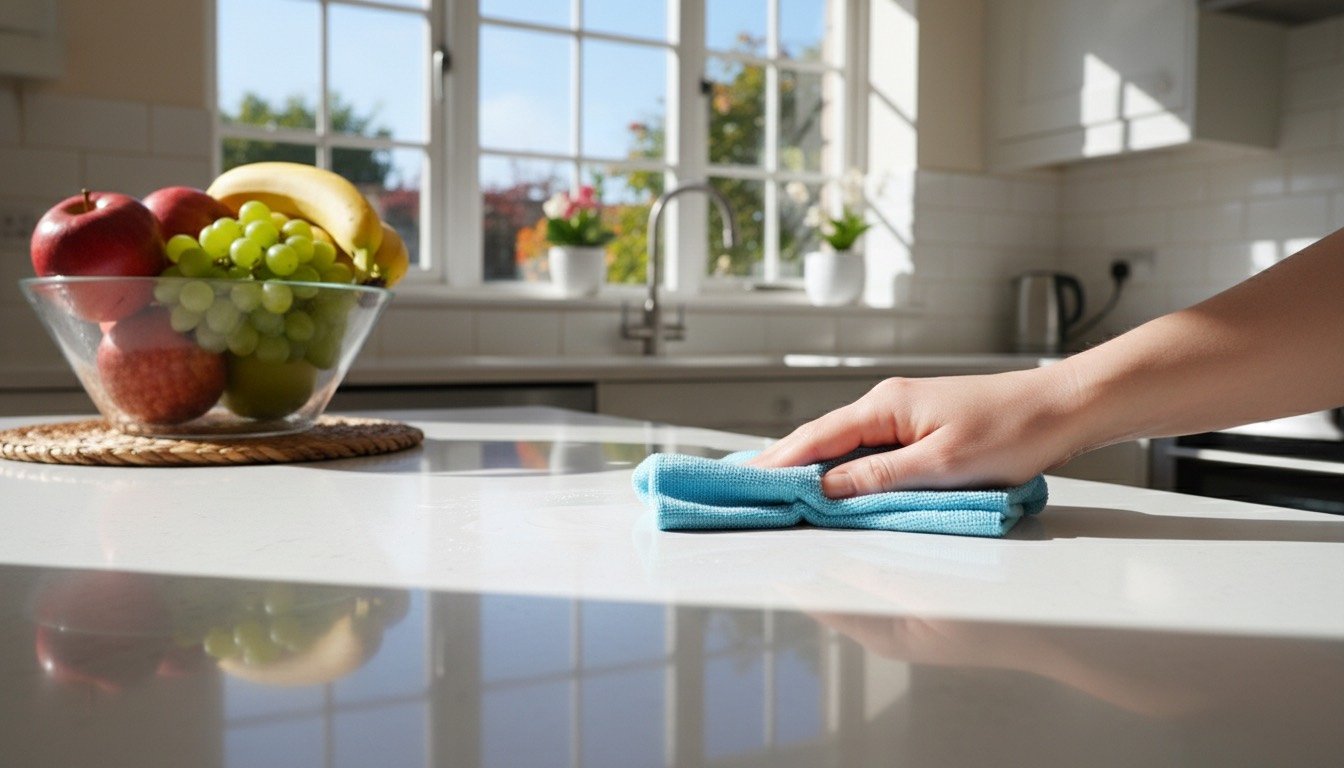
- •Wash the entire route with hot soapy water or a 50/50 white vinegar solution, at least a metre either side of the last ant you spot. The pheromone trail is wider than the visible line.
- •Buy sugar-based gel bait (£4-£7 a syringe, or £5-£9 for pre-filled stations) rather than protein bait; UK garden ants forage overwhelmingly for sugars through summer and autumn.
- •Place three or four stations directly on the washed trail and near the entry point itself, not scattered round the kitchen, so foragers encounter it on their existing route.
- •Expect more ants at the bait for two to four days as foragers recruit nestmates. Don't wipe it away or spray nearby now; the surge means the treatment is working.
- •Once traffic drops, usually within five to ten days, leave stations another week to catch stragglers before removing them.
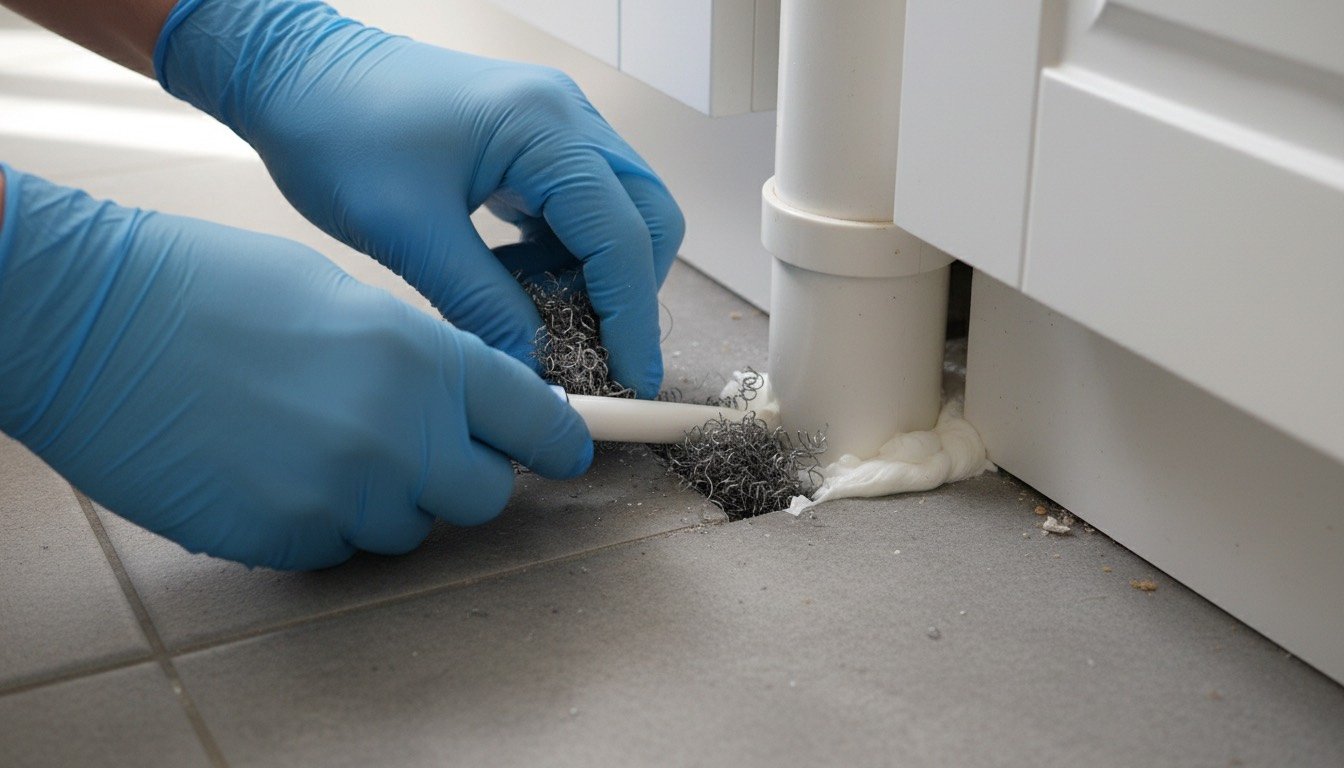
- •Seal the entry point with exterior-grade silicone sealant (£4-£8 a tube) for window frames and pipework, or masonry filler (£5-£9) for cracks in brick or render, only once ants have stopped using it.
- •Recheck weekly for a fortnight. A second trail elsewhere often means a satellite entry point from the same colony, not a fresh infestation.
What It Costs: Tools and Products for DIY Ant Control
A full treatment for one trail typically runs £15-£30 in store-bought products, most reusable next season:
- •Sugar-based gel bait syringe: £4-£7
- •Pre-filled bait stations, pack of 4-6: £5-£9
- •White vinegar for trail washing: £1-£2 a litre
- •Exterior-grade silicone sealant: £4-£8 a tube (plus a caulking gun, £3-£6, if needed)
- •Multi-purpose filler for masonry gaps: £5-£9
- •Food-grade diatomaceous earth: £6-£11 per kg
- •Head torch for evening trail-tracing: £6-£12
Keeping Ants Out for the Rest of the Season
Once the trail's cleared, prevention is about removing the incentive to scout your home. Wipe crumbs from around toasters and highchairs daily in ant season, decant sugar, cereal and pet food into sealed containers, and lift pet bowls between meals. A properly organised kitchen, of the kind covered in our pantry organisation guide, removes most of what ants scout for. If it's fruit flies raiding the fruit bowl rather than ants, our fruit fly guide covers that separately.
Outside, keep soil and mulch below the damp-proof course and cut back shrubs touching the walls, since aphid-farming ants use them as bridges into cavity walls. Gaps around pipework and window frames that let ants in are usually losing you heat too, so draught-proofing your home pays off twice. Food-grade diatomaceous earth dusted along entry routes is the one natural deterrent with genuine effect; cinnamon and peppermint disrupt a trail for hours at best. Our pest-proofing checklist covers ants alongside other invaders room by room.
Mistakes That Make an Ant Problem Worse
- •Spraying the trail first: it kills workers, does nothing to the queen, and leaves a scent that repels ants from bait placed afterwards.
- •Mixing bait with spray in the same room: fumes can make ants avoid gel bait entirely, wasting both.
- •Removing bait after two days because "it's not working": the surge in ants is usually the treatment succeeding, not failing.
- •Sealing the entry point before traffic stops: this traps foragers inside and can push the colony to open a second entry point.
- •Treating only the kitchen when the nest is in the garden or a wall cavity: trails often loop back outside within a few metres of the crack.
- •Confusing an ant trail with another pest: cockroaches and silverfish also turn up in kitchens but need different treatment; with no visible line, check our cockroach guide before buying ant bait.
When to Call a Pest Professional
Most trails clear within a fortnight, but a few situations are worth escalating. Flying ants appearing repeatedly indoors, rather than the one warm afternoon most gardens see each summer, point to a mature nest in the structure. Tiny, pale pharaoh ants in a heated building are a genuine DIY trap: disturbing them with the wrong bait can split one colony into several, making things worse. Ants excavating soft, damp timber, rather than just nesting under it, point to a moisture problem worth investigating on its own.
A professional callout for ants in the UK typically costs £60-£150 a visit, depending on the nest and whether follow-up is included; our pest control cost guide breaks this down further. It's worth booking once you're dealing with a wall-cavity nest, or a trail that hasn't responded to two full bait cycles.
Frequently asked questions
**Why do I still see ants after putting bait down?** More ants at the station for two to four days is normal; foragers are recruiting nestmates. Numbers should fall within five to ten days. If the trail is just as busy after two weeks, the bait may be off the route, or nearby spray is repelling foragers.
**Is ant bait safe around children and pets?** Enclosed bait stations keep gel out of reach of fingers and paws while staying accessible to ants, and are safe for normal household use as directed. With a curious dog or toddler, place stations behind appliances or inside cupboards instead of open floor space.
**Will ants come back to the same spot every year?** Often, yes, if the entry point was never sealed. Colonies reuse pheromone-marked routes and physical gaps season after season, which is why sealing the crack matters as much as the bait.
**Does vinegar alone get rid of ants?** It removes the scent path, which stops that trail, but does nothing to the colony. Used alone, expect a new trail nearby within days; pairing it with bait is what actually reduces numbers.
**How long does getting rid of ants properly take?** Most trails clear in one to two weeks when the trail is washed, bait is left undisturbed long enough to work, and the entry point is sealed only once traffic stops. Skipping bait and going straight to sealing or spraying tends to stretch the problem out for months.
Found this useful?
There's plenty more — hundreds of guides and honestly-tested product reviews for every corner of your home.
Browse All Guides