Costs & Hiring · 6 min read · 14 August 2026
How Much Does Air Conditioning Installation Cost in the UK? (2026 Guide)
A single split system typically costs £1,800-£3,000 fitted in the UK. Here is exactly where that money goes, three priced examples, and how to tell a fair quote from a chancer's.
By the Nims Casa editorial team — written from professional cleaning experience and checked against our editorial standards.
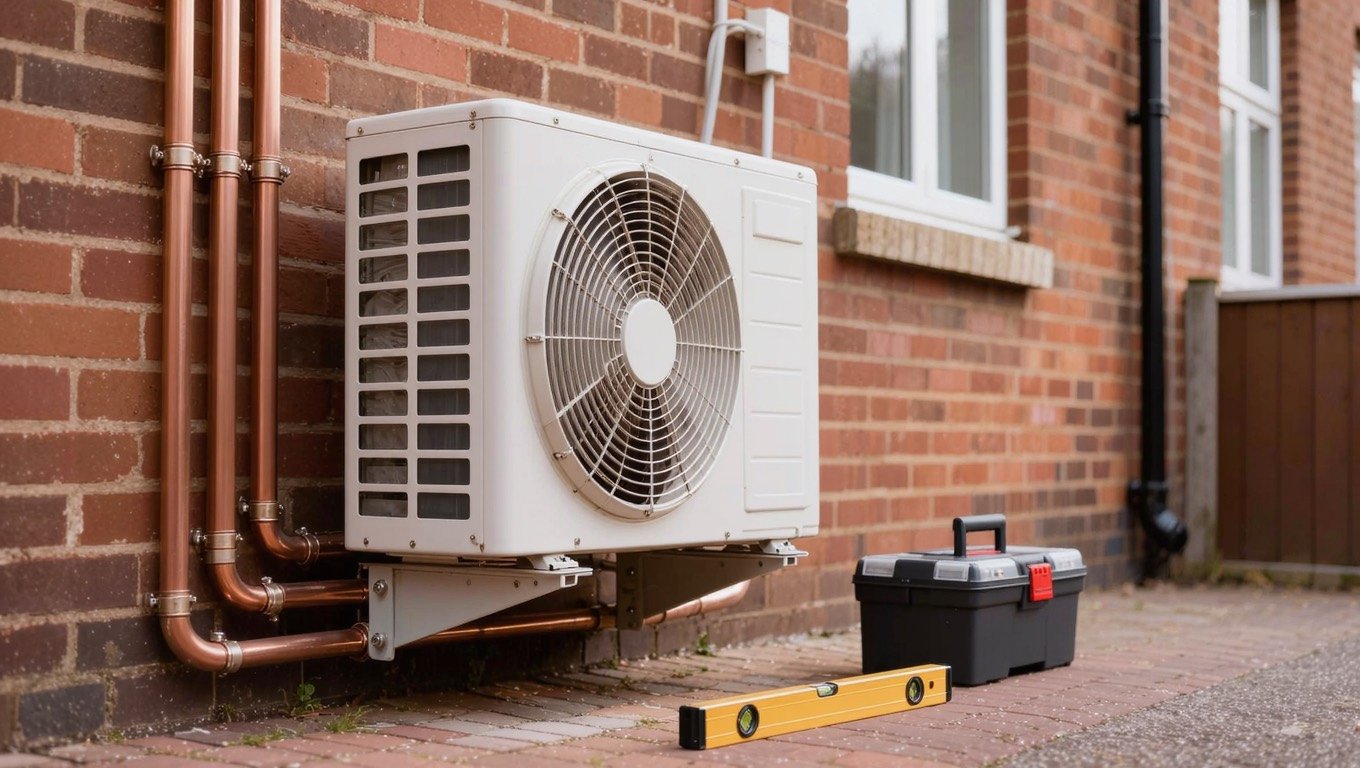
Two summers of 35°C heatwaves have done what decades of marketing never managed: proper air conditioning is now a mainstream British home improvement. The catch is that prices are all over the place — we have seen the same 2.5kW bedroom unit quoted at £1,600 by one firm and £3,400 by another, three streets apart.
This guide sets out what installation genuinely costs in 2026, splits equipment from labour, and works through three priced examples — plus a section for renters, for whom a fixed system is usually off the table.
The typical UK price range
For a single split system — one wall-mounted indoor unit connected to an outdoor condenser — expect £1,800 to £3,000 fully installed. That covers a mid-range unit from Daikin, Mitsubishi Electric, Fujitsu or LG, a straightforward pipe run, the electrical connection and commissioning. A multi-split serving two or three rooms from one condenser runs £3,500 to £6,500. Whole-house ducted systems, the closest thing to American central air conditioning, are rare in UK housing for good reason: retrofitting ductwork into a 1930s semi costs £8,000 to £15,000 and eats loft and ceiling space.
Before you fix a budget, work out capacity — an oversized unit short-cycles and dehumidifies badly. Our guide to how to size an air conditioner covers the kW-per-room method; as a rough steer, a double bedroom needs 2.5kW and a 25m² south-facing living room 3.5kW.
- •Indoor wall unit plus matched condenser, 2.5kW: £900-£1,400 trade price
- •3.5kW equipment set: £1,100-£1,800
- •Insulated refrigerant pipework: £50-£80 per metre of run, supplied and fitted
- •Condensate pump (where the drain cannot fall by gravity): £90-£150
- •Dedicated electrical spur by a qualified electrician: £150-£300
- •Wall bracket or mounting slab for the condenser: £60-£120
Labour vs materials: where the money goes
On a typical single split at £2,300, the split is roughly 55% equipment and materials, 45% labour. An F-Gas certified engineer charges £350-£500 a day, and a standard install takes two people most of a day: mounting the indoor unit, drilling a 65mm core hole through the external wall, running and insulating the pipework, siting the condenser, then pressure-testing, vacuuming and charging the lines.
That F-Gas certification is not optional paperwork. Handling refrigerant — modern units use mildly flammable R32 — is legally restricted to certified engineers, and a unit gassed up by anyone else has no manufacturer warranty. This is why air conditioning resists DIY savings: you can buy the unit yourself, but you cannot legally commission it, and most installers refuse to fit customer-supplied kit anyway.
What moves the price
Two identical units can cost £800 apart to install. These factors move a quote most, in descending order of impact.
- •Pipe run length: a back-to-back install (condenser directly behind the indoor unit's wall) is the cheapest layout; every extra metre adds £50-£80
- •Condenser access: ground level is easy; a first-floor wall bracket needs two engineers and possibly a tower, adding £150-£400
- •Condensate drainage: a gravity drain to outside is free; an internal wall position needs a pump and a route for the pipe
- •Flats and leaseholds: freeholder consent is needed, and comfort-cooling condensers lack the permitted development rights heat pumps enjoy — many councils want a planning application, adding £250-£500 and weeks of waiting
- •Electrical capacity: older consumer units sometimes need a new circuit, £200-£400
- •Brand tier: budget brands like Midea knock £300-£500 off against Daikin or Mitsubishi, at some cost in noise and parts availability
Three worked examples
Composite prices from installs priced or reviewed in the past year; London adds 10-20% to labour.
- •Double bedroom, back-to-back install: 2.5kW Fujitsu set £1,050, one day's labour for two engineers £750, sundries, brackets and electrical spur £300. Total £2,100
- •South-facing living room: 3.5kW Daikin set £1,500, 6m pipe run at £60/m £360, condensate pump £120, labour £800, electrics £250. Total £3,030
- •Three-bedroom multi-split: one 6.8kW condenser feeding three indoor units, equipment £3,200, two days' labour £1,500, pipework and sundries £600. Total £5,300 — about £1,100 cheaper than three separate singles, though if the condenser fails you lose cooling everywhere at once
How to sanity-check a quote
Get three quotes and insist each one itemises equipment by model number, not just "2.5kW system" — a lump-sum quote is hiding either a budget unit or padded labour. Check the company on the REFCOM register or ask for their F-Gas certificate number. Be suspicious of anyone quoting sight unseen: pipe runs, drainage and condenser siting decide half the price, and nobody can assess those over the phone. Our guide on how to compare contractor estimates applies in full — same scope, same equipment tier, same payment terms, or you are not comparing anything. A proper handover includes a pressure test certificate, refrigerant charge record and a demonstration of the controls; between annual services, our summer AC maintenance checklist covers the cleaning you can safely do yourself.
Nearly every modern split is also a reversible heat pump that can heat the room in winter, efficiently — read our heat pump vs air conditioner comparison before choosing cooling-only, because the price difference is often under £200 and the winter savings are real. Weighing one big system against several small ones? The trade-offs are covered in mini-split vs central air.
Renting? The deposit-safe version
A fixed split system means a core-drilled hole through an external wall and a condenser bolted outside — exactly the kind of alteration that swallows a deposit. Some landlords will consent, especially to a heat pump that adds value — get it in writing and agree who owns the unit when you leave. Without consent, here is what works and reverses completely.
A decent portable air conditioner costs £280-£450 and needs no installation beyond venting its hose through a window. The transformative add-on is a window seal kit — £15-£25 of zipped fabric on removable hook-and-loop tape that stops hot air pouring straight back in. Fitted properly, a portable will pull a bedroom from 30°C to 23°C in under an hour. Running cost is about 30p an hour, against roughly 15p for a fixed split doing the same job — fine for six weeks of summer, painful year-round.
The rest of the renter's toolkit keeps heat out rather than pumping it out: static-cling reflective window film (no adhesive, peels off clean, cuts solar gain through south-facing glazing by up to 60%), blackout curtains hung from the existing track, and windows and curtains closed from 10am until the outside is cooler than the inside. None of it touches the building, and together it takes 3-4°C off a room's peak before you spend a penny on machinery.
How we priced this guide
Prices come from installer quotes gathered between March and July 2026 across England and Wales, trade equipment prices from UK refrigeration wholesalers, and day rates reported by F-Gas certified engineers we work with. Figures assume standard cavity or solid brick walls; stone, timber-frame and high-rise installs sit outside these ranges. Running costs assume electricity at 26p/kWh. Where a range is wide, the reason is regional labour: treat the lower bound as northern England, the upper as London and the South East.
Found this useful?
There's plenty more — hundreds of guides and honestly-tested product reviews for every corner of your home.
Browse All Guides