Garden & Outdoor · 6 min read · 11 August 2026
Hosepipe Ban Rules 2026: What You Can and Can't Do (and the Fines)
Nine water companies now have hosepipe bans in force across England and Wales. Here's what the rules legally cover, who's exempt, and how the £1,000 fine actually works.
By the Nims Casa editorial team — written from professional cleaning experience and checked against our editorial standards.
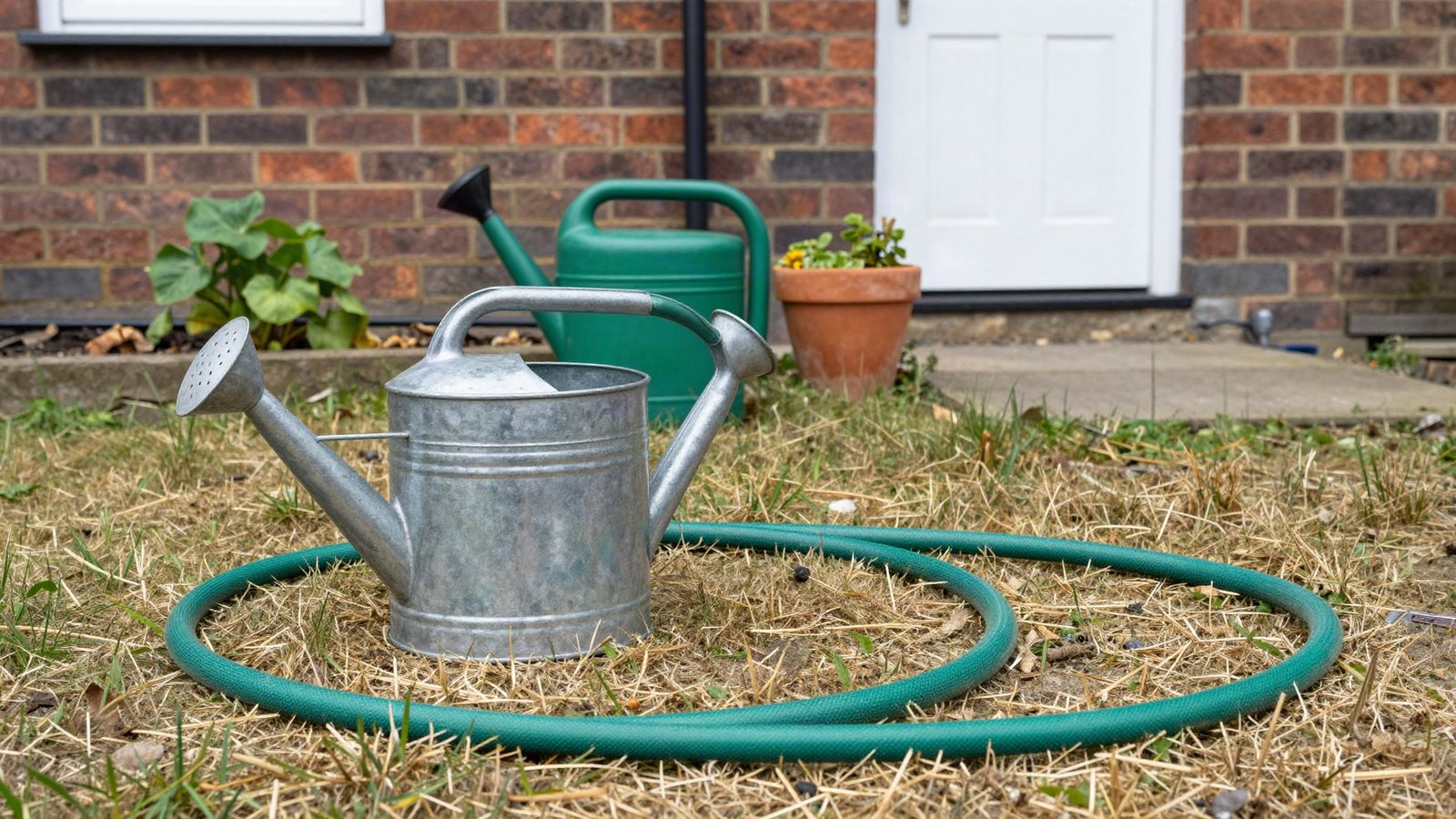
England entered an official 'flash drought' on 29 July 2026, and more than 70% of England and Wales is now formally in drought. Nine water companies currently have hosepipe bans in force: Thames Water, South East Water, Southern Water, Anglian Water, South West Water, Affinity Water, Cambridge Water, Welsh Water and Essex & Suffolk Water. Yorkshire Water has no restrictions at all.
The rules are more specific than most people assume, and the differences between companies catch gardeners out every summer. Below: what a ban legally covers, what you can still do, who is exempt, and how the £1,000 fine works in practice.
What a Hosepipe Ban Actually Is
The proper name is a Temporary Use Ban (TUB), made under section 76 of the Water Industry Act 1991. Crucially, it restricts the delivery method, not the water. Anything fed from the mains through a hosepipe is caught: garden hoses, sprinklers, automatic irrigation systems, and pressure washers running off an outside tap. The same water carried in a watering can is completely legal.
The Act sets out a menu of eleven restricted uses, and each company chooses which to apply and which exemptions to grant — which is why your ban may differ from one two counties away. The company's published wording, not a newspaper summary, is what you would be judged against.
What You Can't Do Under a Temporary Use Ban
The typical banned list, common to all nine companies currently running restrictions, covers the following.
- •Watering a garden, allotment, or plants with a mains-fed hosepipe or sprinkler
- •Washing a car, caravan, boat or motorbike with a hosepipe at home
- •Filling or topping up a paddling pool, swimming pool or hot tub
- •Filling or topping up an ornamental pond, fountain or water feature
- •Cleaning patios, paths, decking or exterior walls with a hose or hose-fed pressure washer
- •Cleaning windows or conservatories with a hosepipe
- •Running mains-connected drip or soaker irrigation — though a few companies exempt timer-controlled drip systems
What You Can Still Do
A surprising amount. Every current ban allows the following — no company restricts water carried by hand.
From twenty years of maintaining lawns: an established lawn does not need saving. Our lawn watering guide explains the moisture a lawn genuinely needs, but in a drought the honest answer is to let it go brown and dormant.
- •Water anything with a watering can or bucket filled from any tap — always allowed
- •Use grey water from washing-up bowls, baths and showers on beds and borders
- •Use stored rainwater from a water butt, even through a hose or pump fed from the butt, because it isn't mains water
- •Wash the car with a bucket and sponge, or take it to a commercial car wash — businesses using water as part of their trade are exempt
- •Water home-grown food crops; most companies exempt edibles, though some insist on a can rather than a hose
- •Top up a pond that has fish or other aquatic life in it
Exemptions and Company-by-Company Differences
All nine companies exempt Blue Badge holders and customers on the WaterSure tariff, who may continue using a hosepipe. Most also exempt newly laid turf or newly seeded lawns for 28 days from installation — after that, the can comes out like everyone else's. Businesses may use a hosepipe where the water is genuinely part of the service, which is why your window cleaner can carry on working.
The variations matter. Some companies permit drip irrigation on a timer; most don't. Some allow hosepipes for topping up wildlife ponds; others limit it to ponds with fish. Southern Water has gone a step further and applied for a non-essential use ban in Hampshire and the Isle of Wight — the next legal tier, which pulls in commercial uses like window cleaning and filling public pools. If you're in that region, watch for the announcement — the allowed list shrinks sharply.
Before you act on anything in this article, spend two minutes on your own supplier's website. Their published exemption list is the legally binding one.
The £1,000 Fine — and How Enforcement Really Works
Breaching a Temporary Use Ban is a criminal offence, prosecuted in the magistrates' court, with a fine of up to £1,000. That figure is real, but water companies do not patrol streets; they respond to reports, which in practice means neighbours. The usual sequence is a reminder letter, then a formal warning, with prosecution reserved for repeat or flagrant cases.
Don't chance it, though: during the 2022 bans companies received tens of thousands of reports, and a conviction means a criminal record over a green lawn. If you claim an exemption — a new lawn within its 28 days, say — keep the dated invoice so you can show it.
Keeping the Garden Alive Within the Rules
Triage first. Established lawns go dormant, turn the colour of digestive biscuits, and recover within weeks of proper autumn rain — most brown lawns in August are drought-dormant, not dead, as our guide to brown patches in lawns explains. Spend your carried water on containers, anything planted this year, and vegetables — in that order. And don't sow seed or lay turf during a ban; wait for the window covered in our guide to when to plant grass seed.
Water in the evening after 7pm, directly at the roots — a 10-litre can per square metre twice a week beats a daily sprinkle. Mulch beds with a 5cm layer of bark or compost to cut evaporation roughly in half. Grey water is fine on ornamentals, but keep water with strong detergents or bleach away from edibles, and use it within 24 hours.
On the DIY-or-professional line: fitting a water butt and downpipe diverter is a genuine 30-minute DIY job, around £40-£70 all in, and it is the single best drought purchase you can make. Anything that connects stored rainwater or grey water into your home's plumbing — pumped systems, mains back-up tanks — must be done by a qualified plumber, because the Water Supply (Water Fittings) Regulations 1999 require backflow protection to stop contaminated water siphoning into the drinking supply.
Patios and paths can wait until autumn — a stiff brush and a bucket handle anything urgent, as covered in our patio cleaning guide, and the pressure washer stays in the shed until the ban lifts.
Quick FAQs
- •Can I water my garden at all? Yes — with a watering can, bucket, grey water or a water butt. Only mains-fed hoses and sprinklers are banned.
- •Can I fill a paddling pool? Not with a hose. Buckets are legal, though companies ask you not to; pools needed for medical reasons are exempt.
- •Does the ban cover my pressure washer? Yes, if it runs off a mains tap. Washing the car or the garden furniture is bucket-and-sponge work until the ban lifts.
- •What about my allotment? Hosepipes are banned there too, but food crops can be watered by can, and most sites' communal troughs remain filled.
- •How long will it last? Until reservoir and groundwater levels recover — realistically well into autumn 2026. Companies must announce the end date publicly.
Found this useful?
There's plenty more — hundreds of guides and honestly-tested product reviews for every corner of your home.
Browse All Guides