DIY & Maintenance · 5 min read · 17 July 2026
How to Tell If a Foundation Crack Is Serious: A Step-by-Step UK Check
Most wall cracks are cosmetic; a few are your house asking for help. Here is how professionals measure, read and monitor a crack before spending a penny on repairs.
By the Nims Casa editorial team — written from professional cleaning experience and checked against our editorial standards.
Find a crack in a wall and the mind jumps straight to subsidence and five-figure bills. Take a breath. Every UK house moves: clay shrinks through a dry August and swells by February, and a Victorian terrace on a shallow strip footing has been shuffling about since 1890. Perhaps one crack in twenty deserves a second opinion.
This follows the order a surveyor works through: measure, classify, read the pattern, corroborate, monitor. One rule first - do not fill or paint over anything until it has been inspected, or you destroy the evidence a loss adjuster needs.
Tools, time, skill level and cost
Skill level: beginner - this is inspection, not repair. Allow 45 to 90 minutes for the first pass, then five minutes a month. The kit costs under £40.
- •A crack width gauge card (£3-£8) or vernier calipers (£12-£20). A tape measure is useless below 2mm, which is where the decisions get made.
- •Two Avongard-type tell-tale gauges, £10-£18 each, plus two-part epoxy.
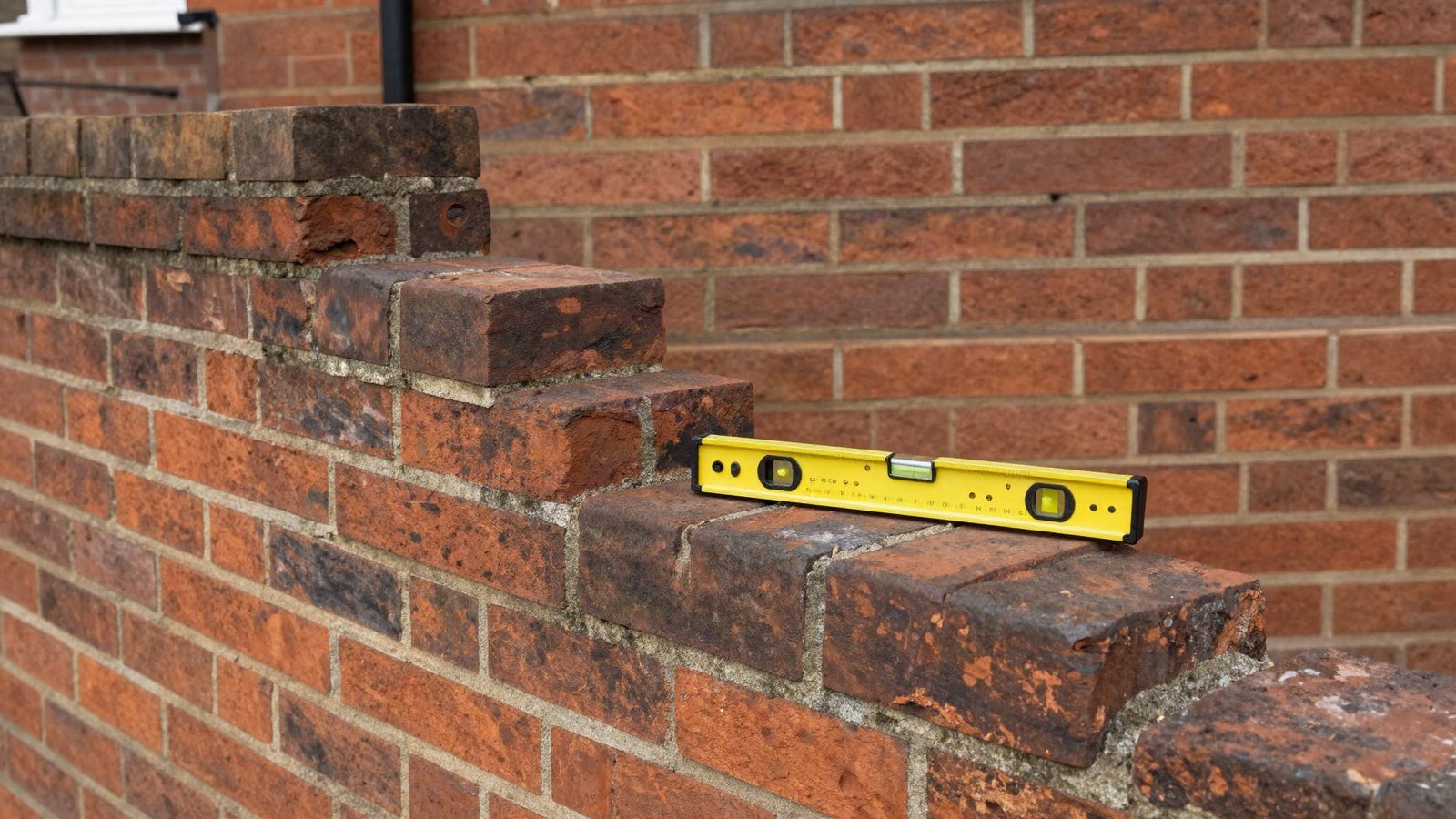
- •A 500-lumen torch - raking light reveals bulges a flat view hides - and a 1.2m spirit level.
- •Optional: a £25-£40 wifi borescope, for inspecting an underfloor void without crawling in.
Step 1: Measure the width against the BRE categories
UK surveyors grade cracking using the BRE Digest 251 damage categories, and so will your insurer. Brush the edges dry first - loose paint exaggerates width by a millimetre. Measure at the widest point, then near the top and bottom. A crack 4mm at the top and hairline at the bottom means one end of the wall has dropped further; that taper matters more than the number.
- •Category 0-1, hairline to 1mm: cosmetic. Normal in plaster and in new builds for the first 12 to 18 months.
- •Category 2, up to 5mm: easily filled, but log and photograph it. Doors may start to bind.
- •Category 3, 5-15mm (or several over 3mm): brickwork will likely need cutting out and repointing.
- •Category 4 (15-25mm) and 5 (over 25mm): extensive repair. Engineer first, before anything else.
- •Any width, but growing month on month: progressive movement trumps every threshold above.
Step 2: Read the pattern - direction tells you the cause
Width tells you severity; pattern tells you cause. Vertical cracks of even width are usually shrinkage or early settlement - the least worrying pattern there is. Check the same spot outside, too: a crack showing on both faces of a wall is structural until proven otherwise, while one in the plaster alone usually is not.
- •Stepped diagonal cracks through the mortar joints, wider at the top: the classic clay shrinkage subsidence signature, typically appearing in late summer.
- •Diagonal cracks wider at the bottom: heave. Often follows a felled tree or a repaired leaking drain.
- •Cracks running straight through bricks rather than around them: real force involved. Serious above 2mm.
- •Horizontal cracks repeating every fifth or sixth course: cavity wall tie corrosion, common in homes built 1900-1980 and worse near the coast.
- •A horizontal crack low in a cellar wall, with the wall bowing inwards: lateral earth pressure. Engineer this week.
- •Cracks at 45 degrees from door and window corners: usually a failed lintel, not a foundation.
- •A hairline gap where an extension meets the original house: differential movement. Once stable, fill it invisibly.
Step 3: Corroborate around the whole house
One crack in isolation means little. Sight along each external wall from the corner - a leaning wall is more urgent than any width reading. Inside, check whether doors now stick or swing open, whether gaps are opening at skirting level, and rest the level on sills and floors looking for a consistent fall.
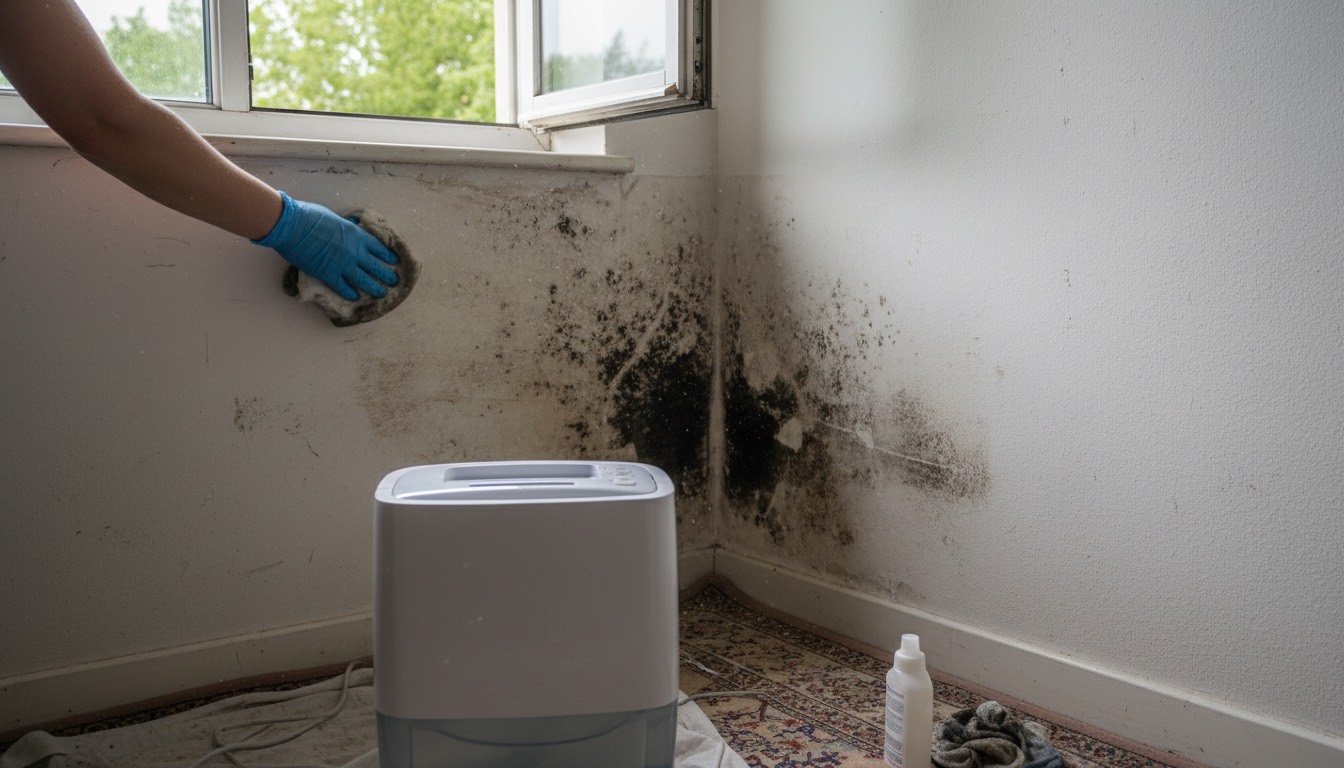
With suspended timber floors, lift the hatch and inspect the underfloor void for stepped cracking in the sleeper walls. Damp down there accelerates movement - our damp and mould guide covers tracing sources.
Step 4: Monitor for at least six months
One measurement proves nothing. On the shrinkable clay under much of the South East, span a summer and a winter: cracks open from August to October and close by March.
Pencil a fine tick across each end of the crack and date it, then photograph monthly with a ruler in frame. Better, epoxy a tell-tale gauge across the widest point, zero it and read it fortnightly. Movement that returns towards zero is seasonal; movement that only increases is progressive, and progressive ends the monitoring period early.
Step 5: Rule out the preventable causes
Most so-called foundation problems are water problems. Water washes fine particles out of the soil under a footing and the footing drops. Fix the water and movement often stops.
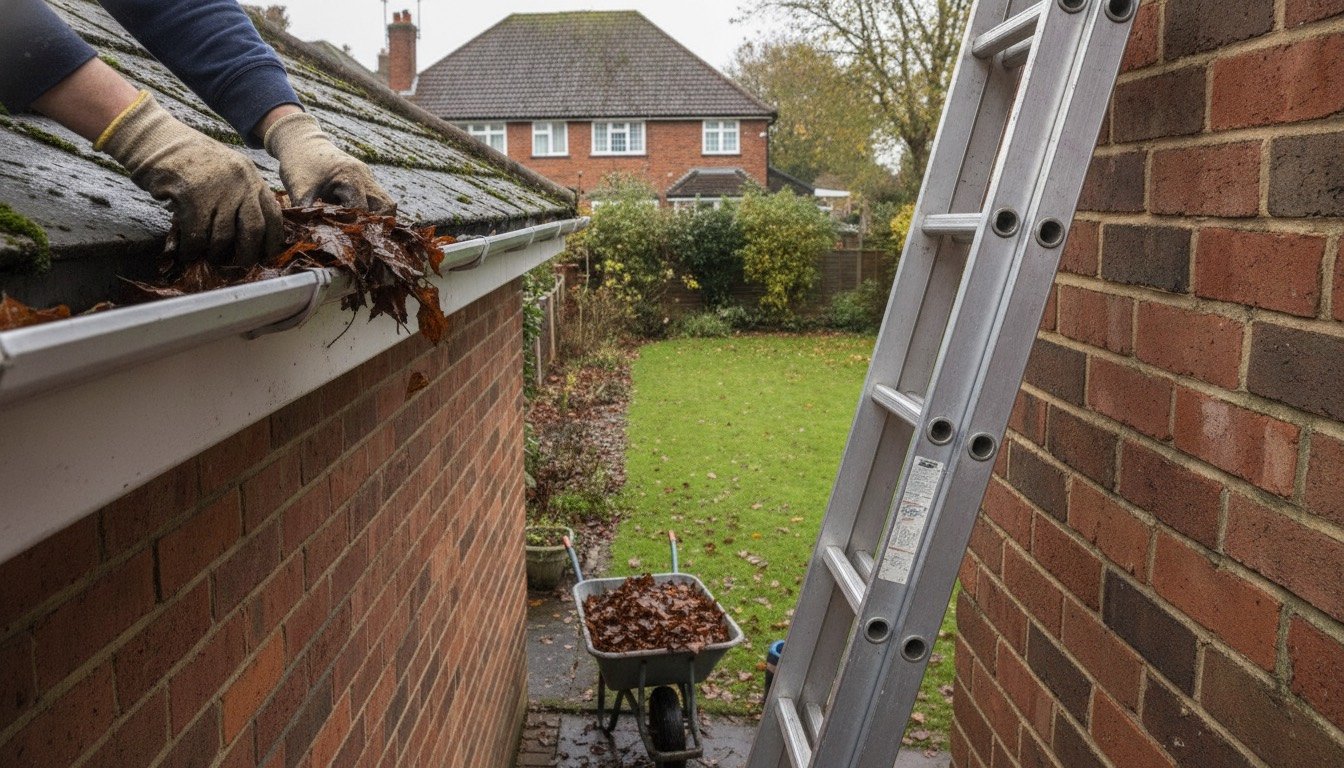
- •Watch every gutter joint and downpipe during heavy rain. A downpipe discharging against a wall is the commonest cause of localised settlement we see - gutter maintenance is the cheapest foundation protection going.
- •Lift the nearest inspection cover and run a tap for two minutes. Water backing up points at a cracked drain. A CCTV survey costs £120-£300 - check quotes against typical plumber's rates.
- •Note every tree within roughly 1.5 times its mature height. Oak, willow, poplar and leylandii on London Clay are the repeat offenders.
- •Do not fell a mature tree in a hurry - sudden removal lets clay swell, and heave cracks houses in reverse. Ask about works next door, too: an extension or basement dig can move your wall.
When to stop: safety, insurance and the law
Leave the building and call 999 or your council's out-of-hours building control line if a crack widens visibly over hours, a wall leans out of plumb, doors jam across the whole house at once, or a chimney has shifted.
- •Tell your buildings insurer before commissioning work. Most UK policies cover subsidence with a £1,000 excess, and the insurer appoints the engineer and often monitors for 12 months first.
- •Instruct an independent structural engineer (CEng, MIStructE) - never a firm that both diagnoses and sells the repair.
- •Never dig a trial pit against your own footing - undermining a shallow Victorian footing can cause the collapse you feared.
- •Underpinning, wall removal, rebuilding brickwork and lintel replacement are Building Regulations work and must go through building control.
- •Shared walls fall under the Party Wall etc. Act 1996 - notice is served two months before work starts. Listed buildings and conservation areas need consent before the fabric is altered, repointing included.
- •Never enter a crawl space alone: confined space risk, live cables, possible asbestos pre-2000, radon in the South West. Use the borescope.
What it costs in the UK
Structural repairs are filthy work - drilling resin ties throws mortar dust that settles into carpets for weeks. Sheet what you cannot move and budget for a deep clean afterwards. For photo examples, our companion piece on which foundation cracks are serious puts pictures to the diagnoses.
- •CCTV drain survey £120-£300; arboricultural report £250-£500.
- •Engineer's visual inspection £250-£400; written report £500-£900; trial pits and soil analysis £900-£2,000.
- •Crack stitching with helical bars plus repointing: £900-£3,000 per elevation. Cavity wall tie replacement: £1,500-£4,000 for a three-bed semi.
- •Underpinning: £10,000-£50,000, usually insurer-funded - and needed in only a minority of confirmed cases. Most are solved by fixing a drain or a tree.
Found this useful?
There's plenty more — hundreds of guides and honestly-tested product reviews for every corner of your home.
Browse All Guides