Costs & Hiring · 6 min read · 20 July 2026
Licensed Contractor vs Handyman in the UK: Who to Call, What It Costs, and Where the Law Draws the Line
There is no general contractor's licence in the UK, so the badge on the van tells you almost nothing. Here is how to work out which job you actually have before deciding who is allowed to do it.
By the Nims Casa editorial team — written from professional cleaning experience and checked against our editorial standards.
There is no such thing as a general contractor's licence in the UK. Nobody issues one, nobody checks for one, and anyone can have Licensed & Insured signwritten on a van by Friday. What does exist is a short list of legally restricted work - gas, most fixed electrics, oil, solid fuel, replacement glazing - and a longer list of voluntary schemes ranging from rigorous to a logo.
The useful question is therefore not who is licensed, but what your job demands: one competent pair of hands for a day, or a firm that can sequence four trades and certificate the result.
Diagnose the Job Before You Pick the Trade
Run the work through these questions before you post anything on a trades site.
- •Does it touch gas, a flue, or an oil or solid-fuel appliance? Only a Gas Safe, OFTEC or HETAS engineer may work on it - criminal law, not preference.
- •New circuit, consumer unit, or fixed wiring in a bathroom or outdoors? Notifiable under Part P in England and Wales, under building warrant rules in Scotland, different again in Northern Ireland.
- •Does it alter a wall, joists, a chimney breast or any load path? Building control is involved, plus a structural engineer at £400-£900.
- •Several trades in a fixed order - strip out, first fix, plaster, second fix, tile, snag? Somebody must own that programme, and that somebody is a main contractor.
- •Will anyone want paperwork later? Conveyancers ask for Part P, FENSA and Gas Safe certificates at sale; insurers ask after a fire or an escape of water.
The Four Buckets, and the Side-by-Side
Those answers land the job in one of four places. Restricted work goes to a registered specialist however small it is. Structural and building-control work needs a main contractor and a completion certificate you keep forever. Multi-trade projects with a deadline need a contractor, or you project manage and own every gap yourself. Everything else - single-trade, non-notifiable, under two days - is handyman work.
- •Registrations: a contractor far more often holds, or subcontracts to, Gas Safe, NICEIC, NAPIT, FENSA or TrustMark cover; a handyman rarely holds any of them.
- •Insurance: £2m-£5m public liability from a contractor, plus employers' liability if they carry staff. Handymen typically hold £1m-£2m and a minority hold nothing, so ask for the certificate and check the expiry date.
- •Pricing: handymen charge £25-£45 an hour or £150-£250 a day, £280-£350 in London, usually with a half-day minimum. Contractors price the job at £250-£350 per trade per day plus 10-20% overhead and profit.
- •VAT: a sole trader under the £90,000 threshold charges none, so identical labour from a registered contractor looks 20% dearer before anyone lifts a tool.
- •Lead time: a handyman can come this week; a good contractor is booked 6-14 weeks out.
Where Each One Actually Performs
A competent handyman is optimised for speed on small, low-consequence work: easing a sticking door, swapping a tap on existing isolation valves, boxing in a pipe run, patching plasterboard, hanging curtain poles. Paying trade rates for any of it is money burnt.
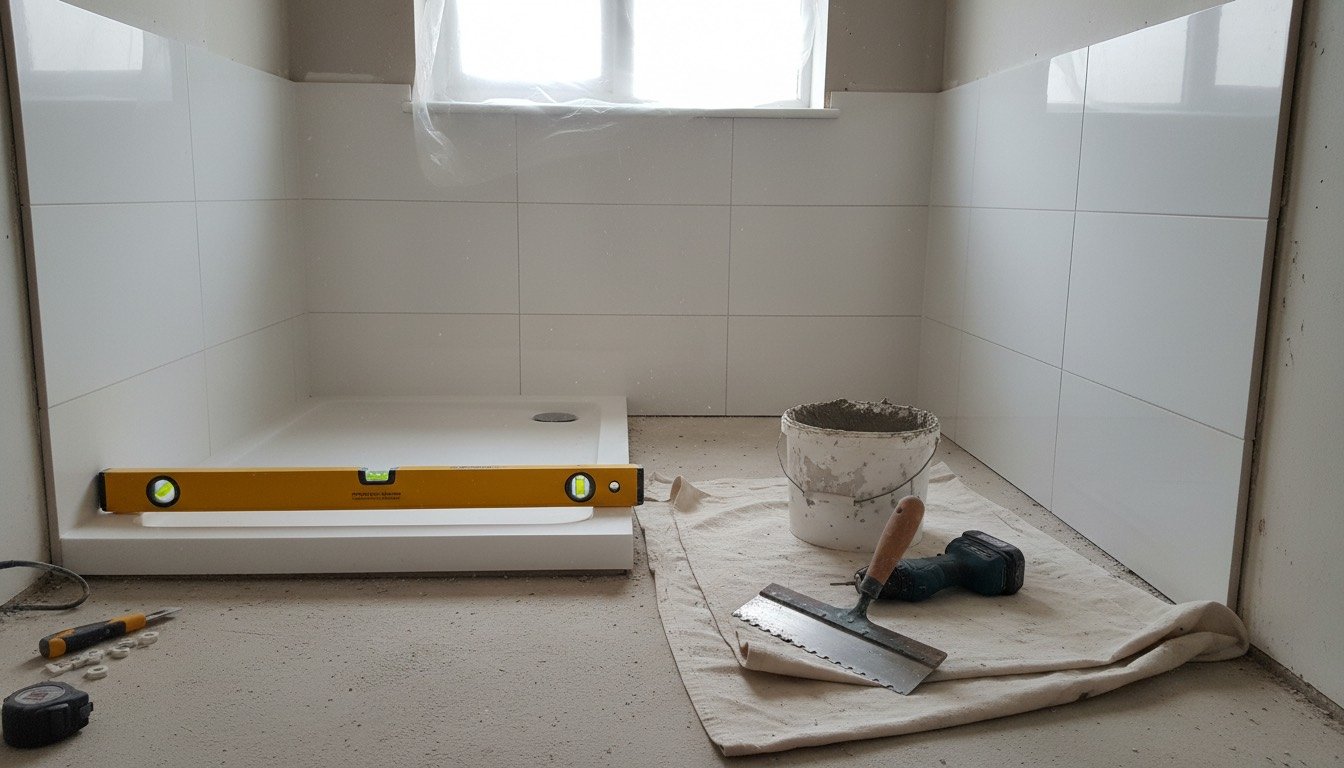
The model breaks on failures that are hidden and slow. A shower tray with a 3mm dip, a poor upstand and a neat bead of silicone over the top looks perfect on handover and puts £1,800-£4,000 of ceiling and joist repair into the room below within two years. Flat-roof details and soil pipe joints behave the same way: the feedback loop is so long the trade never learns it got it wrong. Contractors earn their margin on sequencing and on making good when what is behind the wall is not what the drawing promised.
The 10-Year Cost of Each Route
Take a 1930s three-bed semi outside the South East and run a decade of realistic work through both routes.
- •Handyman-led: 16 handyman days at £190 average = £3,040; annual Gas Safe boiler service at £85-£110 = £950; consumer unit replacement in year four, £550-£850; bathroom refit in year six, £6,500-£9,500. Ten-year total roughly £11,000-£14,400.
- •Specialist-for-everything: the same small work at plumber and electrician rates of £300-£380 a day plus £70-£120 minimum call-outs = £5,600-£6,800, with identical boiler, consumer unit and bathroom figures. Ten-year total roughly £13,600-£18,000.
- •Paper gap: £2,600-£3,600 in the handyman's favour, or about £300 a year.
Sign-Off, Certificates and How You Pay
That £300 a year holds until one hidden-consequence job fails. A single escape of water from a badly made joint above a ceiling erases a decade of savings in a fortnight, and if the insurer decides unqualified hands did the work, settlement can be cut or refused - see our guide to filing a home insurance claim.
For notifiable work the registered route is also cheaper on the day. A Part P electrician self-certifies and issues the compliance certificate within the price; going via building control separately costs £200-£400 and adds two visits. Boilers are notified through Gas Safe within 30 days and windows through FENSA or CERTASS, while Scotland and Northern Ireland set thresholds differently - our guide to planning permission and building regs shows where each line falls.
On payment, the UK equivalent of a lien waiver is structure: no deposit above 25% or the true materials cost, stage payments against visible milestones, 5% held back four weeks for snagging, and a written quotation rather than an estimate. Weigh rival numbers with our method for comparing contractor estimates.
Guarantees and What Happens When It Goes Wrong
The Consumer Rights Act 2015 demands reasonable care and skill from a lone handyman and a national firm alike, with six years to bring a claim in England and Wales, five in Scotland. What differs is whether the business still exists when you need it: a TrustMark or manufacturer-backed guarantee survives a trader going under, a personal promise does not.
Two protections cost nothing. Pay any part of a bill over £100 by credit card and Section 75 makes the provider jointly liable for the whole job. And keep the commissioning paperwork - most boiler warranties are void without an annual Gas Safe service, which is why so many five-year warranties pay nothing in year three. Our list of contractor red flags is largely a list of documents someone would not produce.
Who Each Suits, and the Verdict
A handyman suits anyone with a list rather than a project: landlords clearing snags, households batching a dozen twenty-minute jobs into one booked day, non-notifiable work under about £1,500. Book half a day twice a year and the cost per task collapses, which is how the figures in our handyman pricing guide are meant to be read.
A contractor suits anything notifiable, structural, multi-trade or certificated, and anyone who cannot be on site to make decisions. Set the boundary by consequence, not price. The risk was never a handyman doing a small job badly - it is a handyman doing a big job cheaply, because the saving shows up immediately and the failure does not. If a job would be expensive, dangerous or unsellable when it fails, it belongs to a registered specialist; everything else is fair game for a day rate, and how to hire a contractor is your next step.
Found this useful?
There's plenty more — hundreds of guides and honestly-tested product reviews for every corner of your home.
Browse All Guides