Carpets & Flooring · 6 min read · 10 June 2026
LVT vs Laminate vs Engineered Wood: Which Floor Should You Choose?
The three floors that dominate UK renovations, compared without the showroom gloss: what they cost, how they survive kitchens and kids, and how they age.
By the Nims Casa editorial team — written from professional cleaning experience and checked against our editorial standards.
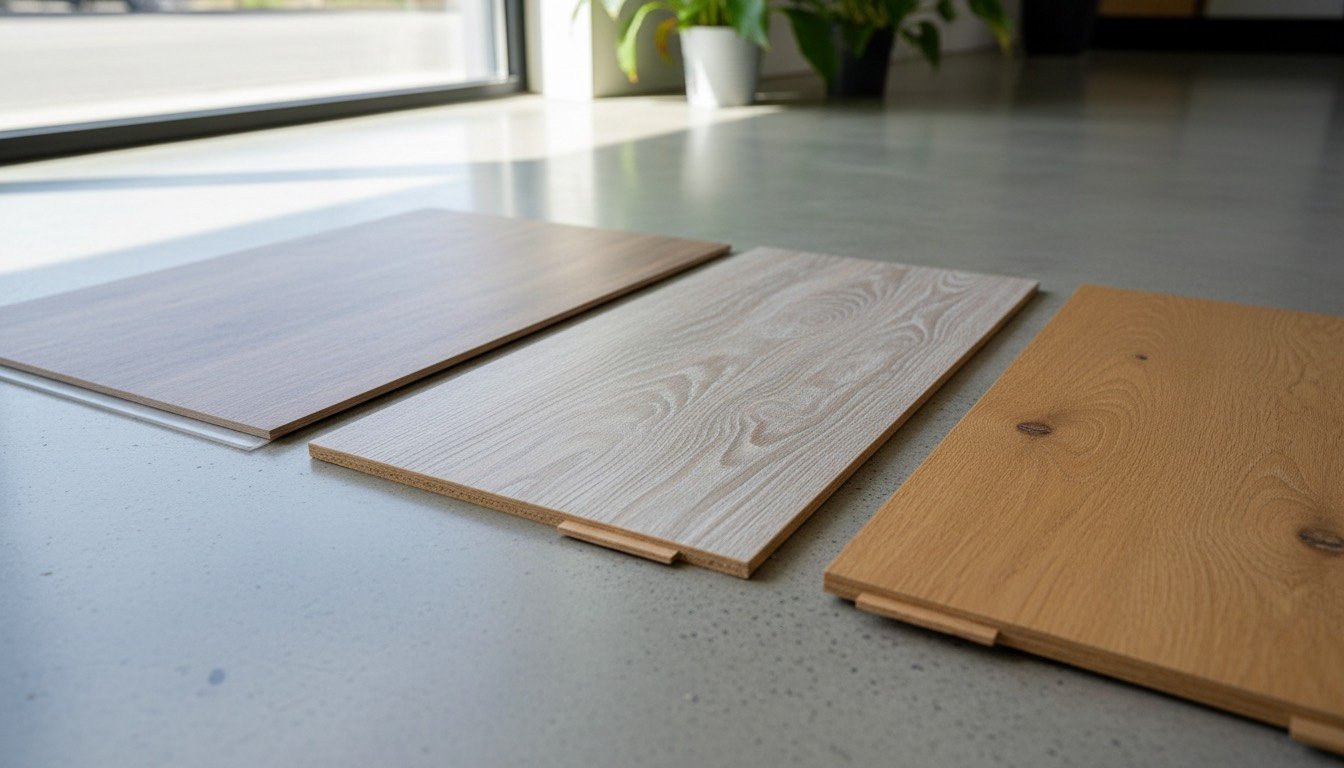
Walk into any UK flooring retailer and the same three names come up: luxury vinyl tile (LVT), laminate, and engineered wood. All three promise a convincing wood or stone look without solid timber's price or fuss, but they age, cope with water and cost very differently once you actually live on them rather than just admire them under showroom lighting.
This guide compares them head to head: realistic 2026 UK prices supplied and fitted, how each copes with spilled water and dropped pans, how they feel underfoot, and which rooms suit which floor. The advice comes from maintaining all three across hundreds of homes, not from a sales brochure.
There's no single winner — only the right floor for your room, budget and how hard your household is on it. By the end you'll know which one fits your kitchen, which fits your bedroom, and how to keep whichever you choose looking new for longer than its warranty implies.
LVT: cost, durability and where it earns its keep
LVT is the most forgiving of the three day to day. Properly fitted rigid click-LVT (often sold as SPC or WPC core) is fully waterproof, warm and quiet underfoot compared with tile, and tough enough to shrug off dropped pans, muddy boots and pet claws without a mark. It's our default recommendation for kitchens, utility rooms and bathrooms.
Budget click ranges start around £18–£25/m² supplied, mid-range wear-resistant ranges run £25–£45/m², and premium glue-down or thick wear-layer ranges reach £55–£70/m². All-in with fitting you're typically looking at £45–£90/m² depending on subfloor prep — see how much flooring installation costs for a fuller breakdown. Its main weaknesses are sharp furniture legs, which dent it permanently without felt pads, and budget ranges fading in strong sunlight.
Laminate flooring: the budget transformer with one lasting weakness
Nothing transforms a room per pound spent like laminate. Budget 7mm laminate starts at £8–£12/m², a durable AC4-rated 8–10mm laminate with a realistic wood-grain finish runs £15–£25/m², and click-fit installation keeps costs down further since most confident DIYers can lay a room in a weekend. Our vinyl plank vs laminate flooring comparison covers the fitting differences in more detail.
The permanent weakness is the compressed fibreboard core beneath the printed layer. Standing water at the joints — a leaking dishwasher, a glass left overnight, a damp dog bed — swells it irreversibly within hours, and 'water-resistant' grades only buy a little extra time, not immunity. That rules laminate out for bathrooms and makes it a genuine risk near kitchen sinks and washing machines. It's also the coldest and noisiest of the three underfoot, though a good underlay narrows the gap.
Engineered wood: the floor that adds value to a house
Engineered wood pairs a genuine oak, walnut or ash wear layer with a stable multi-ply base, which is why it's the only one of the three that surveyors and buyers treat as adding value rather than just being a nice floor. Because the surface is real timber, it can be sanded back and refinished once or twice over its life, typically every 10–20 years — see our guide to refinishing hardwood floors for how that process works. It also copes with underfloor heating better than solid wood, provided you check the maximum surface temperature first in our underfloor heating and flooring guide.
Expect £35–£55/m² for entry to mid-range engineered oak and £60–£90/m² for wide-board or hand-finished ranges, plus fitting. It scratches more visibly than LVT or laminate, and it genuinely dislikes standing water and steam mops, which is why it belongs in living rooms, halls and bedrooms rather than bathrooms.
Price comparison: what you'll actually pay per m² in 2026
Showroom price tags rarely include fitting, underlay, old-floor removal or the trims that finish a room properly. Here's a realistic all-in range for a typical UK room:
Costs climb further if the subfloor needs levelling compound, damp-proofing, or the removal of old tile or cracked screed — check signs of subfloor damage before commissioning any quote, since a floor that looks fine on top can still need remedial work underneath.
- •Laminate: £8–£25/m² supplied, £20–£40/m² fitted, underlay included
- •LVT: £18–£70/m² supplied, £45–£90/m² fitted, more for glue-down with subfloor prep
- •Engineered wood: £35–£90/m² supplied, £65–£130/m² fitted, more again for herringbone or parquet patterns
Which floor suits which room
Kitchens and bathrooms want LVT first and tile second — the combination of splashes, appliance leaks and bare feet makes waterproofing non-negotiable, and the same logic applies to utility and boot rooms. Living rooms, halls and bedrooms are where the choice genuinely opens up: engineered wood adds the most character and value, laminate delivers the look for the least outlay, and LVT is the low-maintenance middle ground. Torn between laminate and solid or engineered hardwood for a period property? Our laminate vs hardwood flooring guide compares them room by room.
Stairs and hallways see the heaviest daily traffic, so whichever material you choose there, pick the highest wear rating available — a domestic-grade product on a staircase shows wear within a couple of years regardless of family size.
Cleaning and maintenance: the mistakes that damage all three
All three floors want the same basic routine: vacuum or dry-mop grit before it scratches the surface, then clean with a barely damp flat mop and a pH-neutral cleaner — never anything abrasive or ammonia-based. The mistakes we get called out for are remarkably consistent:
A £5–£10 pack of felt pads and a five-minute wipe-up habit prevents more damage over a decade than any cleaning product undoes. Many of these problems trace back to fitting itself — see flooring installation mistakes to avoid for the errors that cause them before a mop ever touches the floor.
- •Using a steam mop on laminate or engineered wood — heat and moisture swell the core or lift the finish permanently
- •Mopping properly wet rather than damp — water finds its way into joints and skirting gaps within minutes
- •Cleaning engineered wood with vinegar or wax-based products, which dulls the factory lacquer over time
- •Skipping felt pads under furniture and dining chairs, which dent LVT and laminate and scratch engineered wood
- •Leaving spills to dry naturally instead of wiping them up straight away, especially red wine and pet accidents
Frequently asked questions
Is LVT actually waterproof, or just water-resistant? Rigid click-LVT and glue-down LVT are genuinely waterproof at the surface and, properly fitted with sealed joints, at the seams too — different from laminate's 'water-resistant' claims, which only slow absorption rather than stop it. Standing water left for days can still reach the subfloor through skirting gaps, so it's no excuse to skip wiping up spills.
Can I fit any of these floors myself? Laminate and click-LVT are the most DIY-friendly and a careful amateur can fit a room in a weekend with a saw, spacers and underlay. Glue-down LVT and engineered wood, especially herringbone patterns, reward professional fitting because subfloor prep and pattern-matching mistakes are expensive to undo.
Which floor works best over underfloor heating? Engineered wood and LVT both perform well, provided you check the manufacturer's maximum surface temperature (usually around 27°C) and choose a click or glue-down system rather than a floating floor with thick underlay, which insulates against the heat rather than conducting it.
How long does each floor actually last? LVT typically lasts 15–25 years, quality laminate 10–20 years, and engineered wood 20–40 years or more thanks to its ability to be resanded. Real-world lifespan depends far more on footfall and maintenance than the warranty printed on the box.
Does engineered wood really add value to a house? Estate agents and buyers consistently rate real wood flooring, including engineered wood, above laminate or vinyl when valuing a property, particularly in period and higher-value homes. LVT and laminate are viewed as practical rather than value-adding, though neither counts against a sale.
Found this useful?
There's plenty more — hundreds of guides and honestly-tested product reviews for every corner of your home.
Browse All Guides