Energy & Insulation · 7 min read · 5 September 2026
October's Price Cap Rise Is a Gas Problem: What to Do Before It Hits
The October price cap rise is overwhelmingly a gas rise, so not every appliance deserves the same attention. Here is what is worth sorting before 1 October.
By the Nims Casa editorial team — written from professional cleaning experience and checked against our editorial standards.
Ofgem confirmed on 26 August that the energy price cap for 1 October to 31 December 2026 will be £1,723 a year for a typical dual-fuel household paying by direct debit. That is a 4% rise, about £60 a year or £5 a month, up from £1,663.
The useful detail for anyone running a home is where that increase comes from. Gas bills go up about 8%, while electricity is broadly flat because of the government's removal of VAT on it. A household with no gas at all sees an increase of less than 1%. Wholesale gas prices rose about 11% over three months, driven mainly by conflict in the Middle East and volatile global gas markets.
So this is not the moment to start treating every plug socket as the enemy. Our October 2026 price cap guide covers the wider change; here, the job is simpler: work out where your home burns gas and tackle the waste before 1 October.
First, work out which household jobs actually use gas
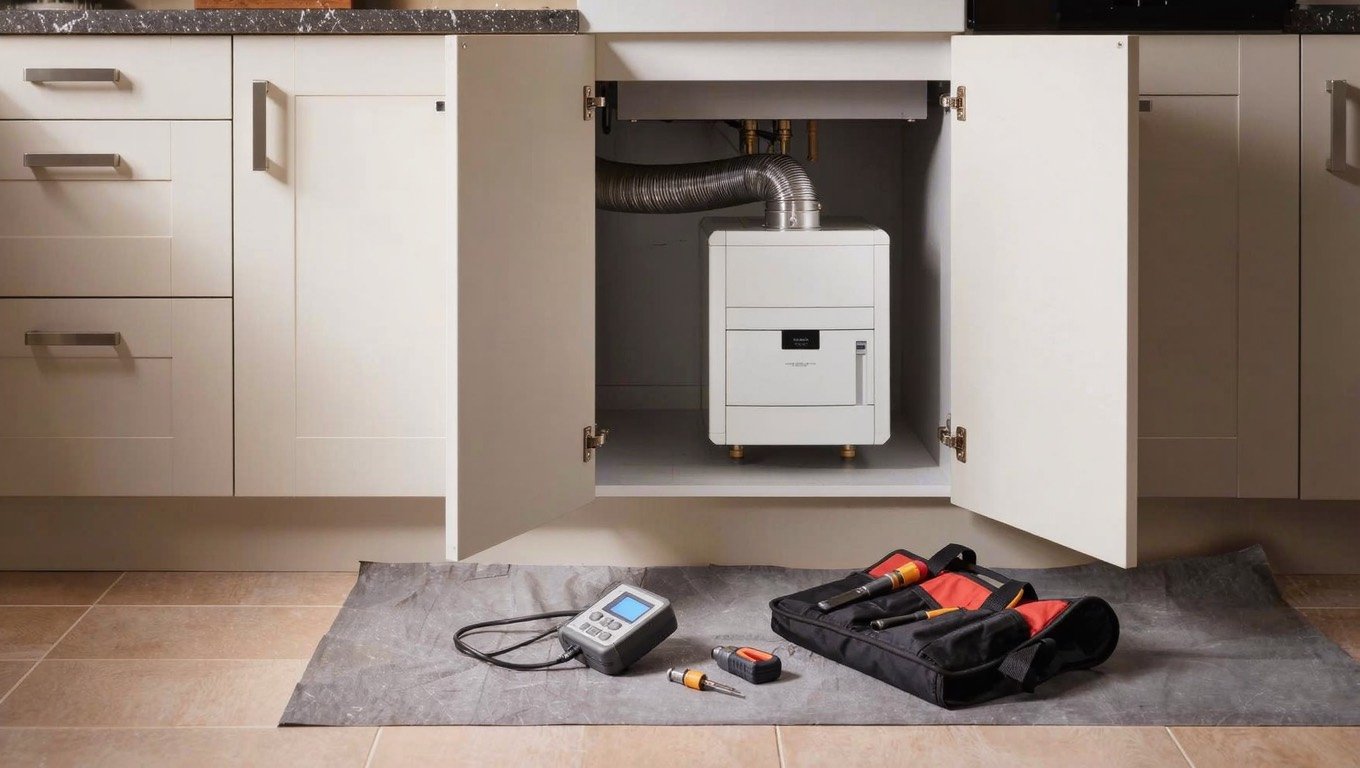
In a typical UK home with a gas boiler, the obvious gas job is central heating. The less obvious one is often hot water. A combi boiler can fire whenever you run a hot tap, take a shower or fill a washing-up bowl, so everyday cleaning routines can involve gas even when no radiator is warm.
Your washing machine, tumble dryer, vacuum cleaner, dishwasher and dehumidifier are normally electrical appliances. That matters this autumn because electricity is broadly flat under this particular cap change. There are still good reasons not to waste electricity, but the October rise does not suddenly make every electrically powered cleaning job markedly more expensive.
Check rather than assume. Look at your boiler and hot-water setup, and check whether your shower is fed by the boiler or is an electric shower. If you have a hot-water cylinder, understand what heats it. Once you know which tasks call for gas, you can stop making broad cuts and concentrate on the parts of the house affected most by this change.
Hot water is the cleaning cost worth watching
Hot water disappears surprisingly easily during cleaning. Leaving a hot tap running while wiping down the kitchen, rinsing every plate under flowing water or taking a long boiler-fed shower can all keep a gas boiler working for longer.
The practical fix is not to make the house miserable. It is to stop heating water that goes straight down the drain. For hand washing-up, fill a bowl or sink rather than leaving the tap running continuously. When cleaning greasy surfaces, take the hot water you actually need and then turn the tap off. If your shower is boiler-fed, spending less time under it means the boiler has less hot water to produce.
There is no need to force cold water into jobs where warmth genuinely helps. Greasy pans and some cleaning tasks are easier with hot water. The useful habit is simply to distinguish "needs hot water" from "hot tap left running because I am busy doing something else".
That is particularly relevant this year because reducing unnecessary boiler-fired hot water goes directly at the part of the bill that is rising.
Turn down laundry heat before obsessing over the machine
Most UK washing machines heat their own water with electricity rather than drawing hot water from the gas boiler. So, in a gas-heated home, the washing machine itself is not where this October increase bites hardest.
Even so, cooler suitable wash programmes remain sensible because heating less water requires less energy. Follow the garment label and the detergent instructions, and use hotter cycles when hygiene or the item genuinely calls for them rather than as an automatic default.
Drying becomes the awkward bit as autumn turns damp. An electric tumble dryer still uses electricity, and electricity is broadly flat in this cap change, so it would be misleading to present avoiding the dryer as the big answer to October's rise. But drying everything over radiators can push the heating system harder and load the room with moisture.
If you dry washing indoors, give the moisture somewhere to go. Our guide to preventing September condensation covers the early warning signs and ventilation jobs. A rack positioned sensibly, controlled ventilation and moisture management are better than draping wet clothes over every warm radiator.
Check your boiler flow temperature while there is time
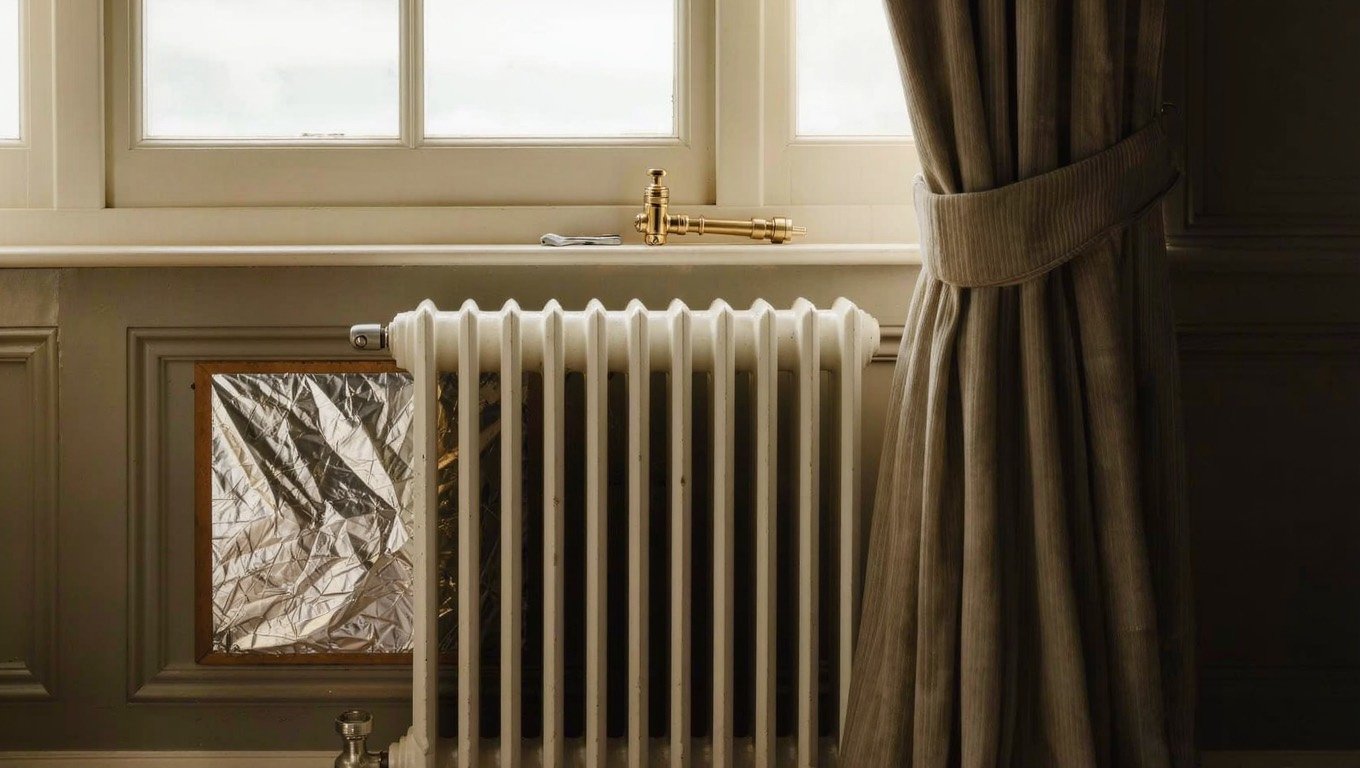
If you have a condensing combi boiler, the central-heating flow temperature is worth understanding before heating season properly starts. This is the temperature of the water the boiler sends around the radiator circuit; it is not the same thing as setting the room thermostat lower.
A lower suitable flow temperature can help a condensing boiler operate more efficiently because it can improve the conditions in which the boiler condenses and recovers heat. The trade-off is that radiators will feel cooler and the home may take longer to warm. Go too low for your particular house and system and you can end up uncomfortable, so this is a setting to adjust thoughtfully rather than blindly.
Do not alter settings you cannot identify confidently, and do not confuse radiator flow temperature with stored hot-water controls. If your boiler manual or controls are unclear, get appropriate advice.
This job deserves more attention before 1 October precisely because gas heating is the part facing the larger rise. We have a separate list of cheap heating tweaks before winter for the small maintenance and setup jobs that are easier to do before cold mornings arrive.
Seal the draughts you can actually feel
Draught-proofing is not glamorous, but it has a straightforward mechanism: if warmed indoor air escapes through unwanted gaps and cold air replaces it, the heating system has more work to do.
Use the next few weeks to inspect the places that are easy to miss when the weather is mild. Check around opening windows and external doors, including worn seals and obvious gaps. Look at the letterbox and any unused openings that are meant to be sealed. Do not block intentional ventilation, air bricks or vents needed for safe appliance operation.
This is also a good cleaning job. Vacuum dirt from window and door channels before fitting appropriate seals, because adhesive strips stick poorly to dusty surfaces. Clean around frames, dry them properly, then deal with the gap rather than sealing grime underneath.
The saving from one small strip of draught seal may be modest, and there is no honest reason to pretend otherwise. The attraction is that the job is cheap, targeted and reduces avoidable heat loss every time the heating runs.
Do not create a damp problem to save on heating
One bad autumn habit is to shut every vent, keep every window permanently closed and pack the house with wet washing in an effort to retain warmth. That can leave moisture from showers, cooking and laundry trapped indoors.
Ventilation and heating do different jobs. Heating raises temperature; ventilation removes moisture-laden air. You need a workable balance, especially in bathrooms, kitchens and rooms where clothes are drying. Use extractor fans where fitted and deal with moisture close to its source rather than letting it spread through the home.
For laundry-heavy weeks, our guide to drying clothes indoors without damp goes into the practical setup. The aim is not maximum ventilation all day. It is enough moisture control to keep the house usable without needlessly throwing away heat.
Cleaning matters here too. Keep extractor grilles clear of dust and grease, wipe condensation rather than leaving it sitting on frames, and avoid blocking radiators with furniture or heaps of laundry. These are ordinary housekeeping jobs, but they help the heating and ventilation you already have do their work properly.
All-electric home? This rise barely changes the calculation
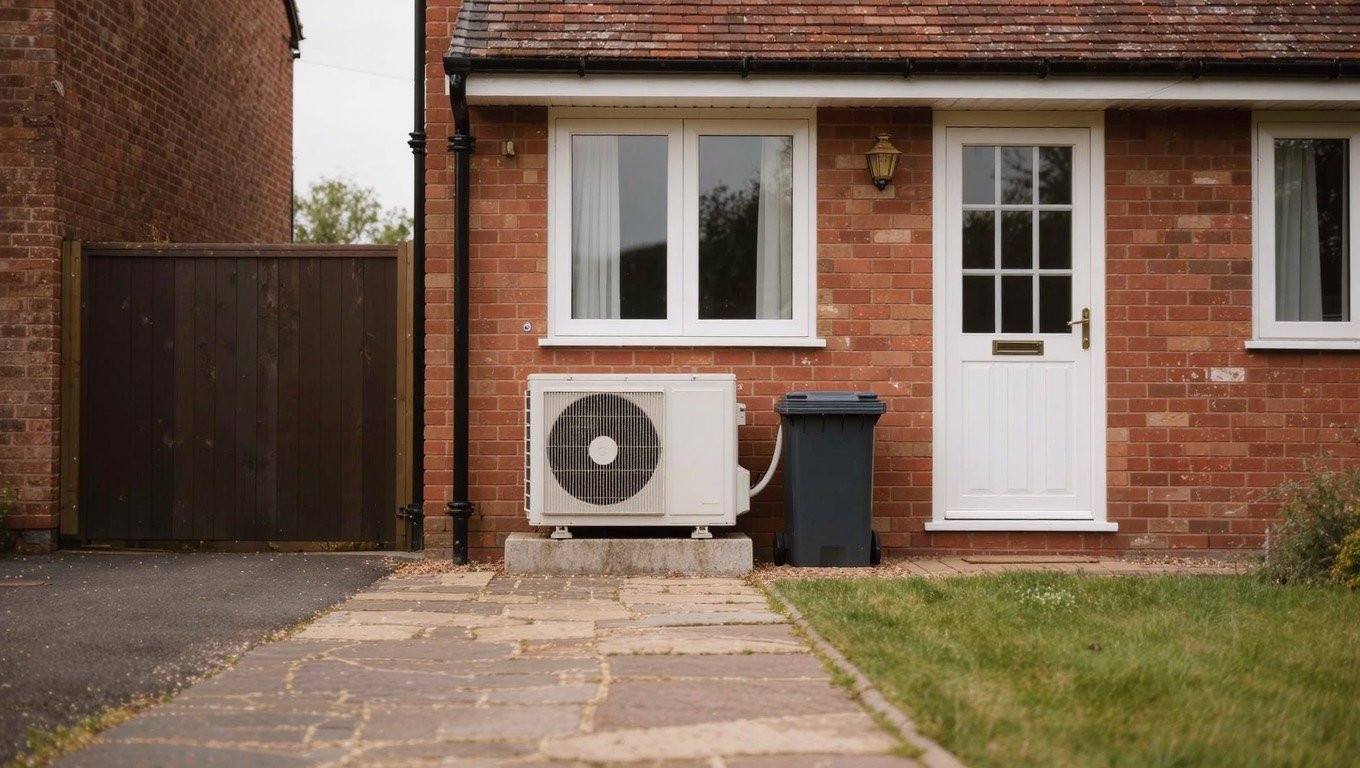
If your home has no gas at all, including homes heated entirely by electricity or a heat pump, this particular cap change is much less dramatic: Ofgem's figures mean an all-electric household sees an increase of less than 1%.
That does not make energy use irrelevant. It does mean you should not copy gas-focused advice as though your costs have moved in the same way. Keep using your heating system as intended, maintain sensible laundry and ventilation habits, and concentrate on genuine waste rather than reacting to the headline 4% figure.
For a gas-heated home, the priority before 1 October is clearer. Find the routines that make the boiler fire unnecessarily, check whether your heating settings are sensible, deal with obvious draughts and get your damp-season laundry setup ready. The electricity side has barely moved; the gas side is where this autumn's change lands.
Found this useful?
There's plenty more — hundreds of guides and honestly-tested product reviews for every corner of your home.
Browse All Guides