Energy & Insulation · 6 min read · 11 August 2026
Energy Price Cap October 2026: What the New Cap Means for Your Bills
Ofgem announces the October–December cap by 26 August, and forecasters expect a small rise. Here is what the cap really limits, why your bill may differ, and what to do before 1 October.
By the Nims Casa editorial team — written from professional cleaning experience and checked against our editorial standards.
By 26 August 2026, Ofgem will confirm the energy price cap that runs from 1 October to 31 December. The current July–September cap sits at roughly £1,663 a year for a typical dual-fuel household paying by direct debit, and analysts at Cornwall Insight forecast the October figure at around £1,701–£1,747 — a rise of roughly 2–5%. Until Ofgem publishes the real numbers, treat every October figure, including those, as a forecast.
The cap is also one of the most misunderstood numbers in household finance. It does not cap your bill. Below: what it actually limits, how to work out why your bill is high before you fix the wrong thing, and the jobs worth doing before the new rates land.
What the price cap actually caps
The cap sets the maximum unit rate — the price per kilowatt-hour — and the maximum daily standing charge that suppliers can bill customers on standard variable (default) tariffs in England, Scotland and Wales. Northern Ireland has a separate system. If you use more energy, you pay more; the cap never limits the total.
Under the current July–September cap, typical direct debit rates are around 26p per kWh for electricity and 6.4p per kWh for gas, with standing charges of roughly 51p a day for electricity and 30p a day for gas. Rates vary by region because network costs differ — Merseyside and the South East pay different unit rates under the same cap — so check the tariff label on your own bill.
Fixed tariffs sit outside the cap entirely: if you signed a 12-month fix, your rates are whatever the contract says until it ends.
Where the £1,663 'typical household' figure comes from
The headline figure is simply the capped rates multiplied by Ofgem's typical consumption values: 2,700 kWh of electricity and 11,500 kWh of gas a year for a dual-fuel, direct debit home. It exists so the press can compare one quarter with the next — it is not a promise about your bill.
A well-insulated two-bed flat with one occupant might use half the typical gas figure; a draughty four-bed 1930s semi with two home-workers can use double. Payment method matters too: prepayment and pay-on-receipt-of-bill customers have their own capped rates, and paying quarterly by cheque typically costs over £100 a year more than direct debit.
The October forecast — and when it becomes fact
Cornwall Insight's forecast of roughly £1,701–£1,747 for October–December implies a rise of about £3–£7 a month for a typical home. Wholesale gas and electricity costs drive most of the movement, with network charges, policy costs and a small allowed supplier margin making up the rest. These forecasts are usually close by August, but they are not the cap. Our sister site The NE Times is following the Ofgem announcement itself, with analysts pointing to a rise of about 4% and a typical bill near £1,729.
The confirmed rates arrive by 26 August and take effect on 1 October — right as the heating season starts, which is why the preparation below belongs in September, not November.
Diagnose why your bill is high before you fix anything
Most households jump straight to a fix — a new tariff, a thermostat fiddle — without knowing which problem they actually have. High bills have four distinct causes, each with a different cure. Spend twenty minutes with a recent bill running these checks in order:
- •Check 1 — estimated readings. If readings are marked 'E', the bill may be fiction. Submit an actual reading and wait for a corrected bill before anything else.
- •Check 2 — usage. Compare your annual kWh with the typical values above. More than 20% over on gas usually means a heating or insulation problem, not a tariff problem.
- •Check 3 — standing charge share. Standing charges total about £296 a year at current rates. In a low-use home that can be 25–30% of the bill — cutting usage barely helps, and tariff choice matters more.
- •Check 4 — tariff type. If you came off a fix months ago and did nothing, you are on capped default rates, rarely the cheapest available. Compare fixes before October.
Ten moves to make before 1 October
If Check 2 flagged high gas use, the cheapest wins come first: draught-proofing doors, floors and letterboxes costs £30–£60 and typically saves £45–£90 a year, and topping up a loft from 100mm to 270mm of mineral wool is a £300–£450 job that pays back in three to four winters — our guide to insulation costs breaks down the sums. Then work through this list:
- •1. Photograph both meters on 30 September or 1 October, so no September units get billed at October rates.
- •2. Submit those readings within a day or two of the switchover (smart meter homes: check the meter is actually sending reads).
- •3. Review your direct debit against 12 months of actual usage; suppliers must refund excessive credit if you ask.
- •4. Compare fixed deals against the forecast cap once the 26 August announcement lands — a fix 3–5% below the new cap is worth serious thought.
- •5. Bleed radiators and re-pressurise the boiler so the system heats efficiently from day one — a 15-minute job.
- •6. Drop a combi boiler's flow temperature to around 60°C; this trims gas use by 6–8% with no comfort loss.
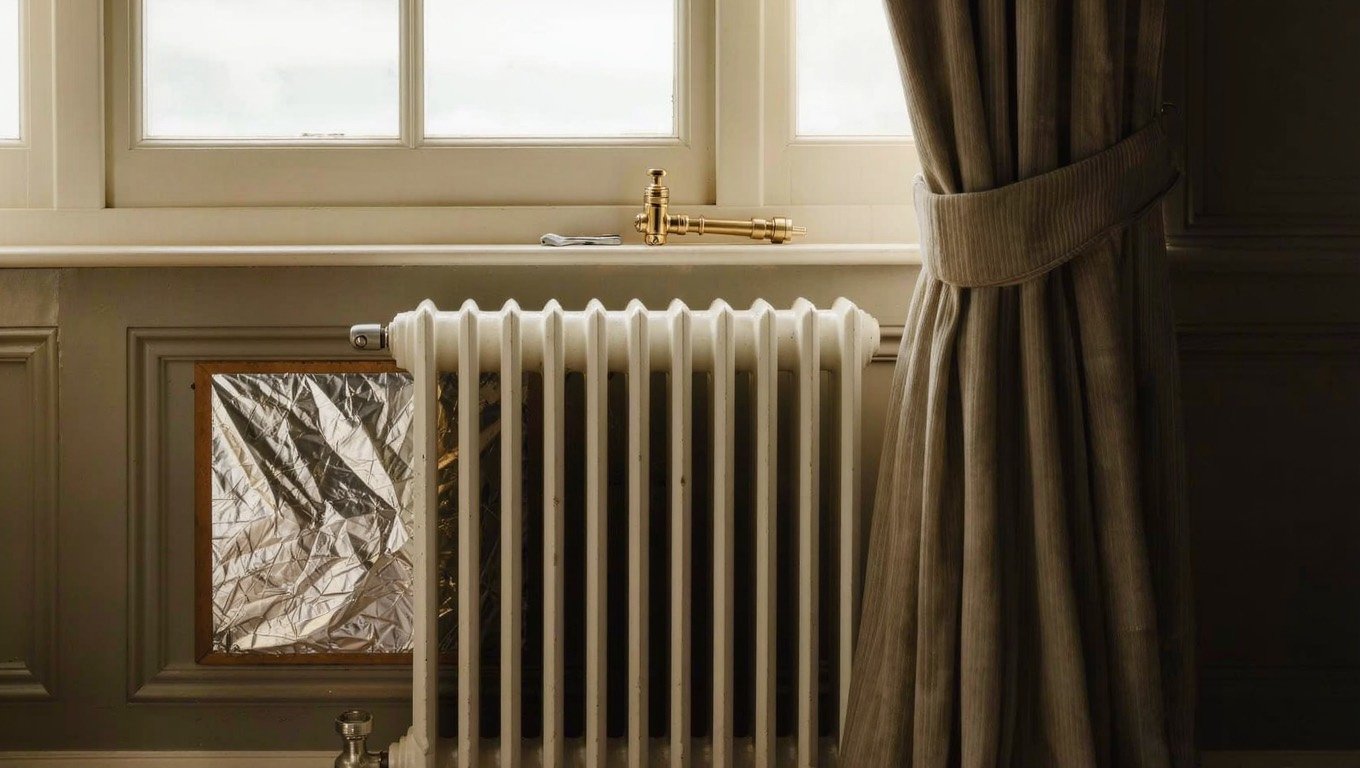
- •7. Fit reflector panels behind radiators on uninsulated external walls (£10–£15 per radiator).
- •8. Set a proper heating schedule rather than running the thermostat manually.
- •9. Check Warm Home Discount eligibility — £150 off electricity bills for qualifying households.
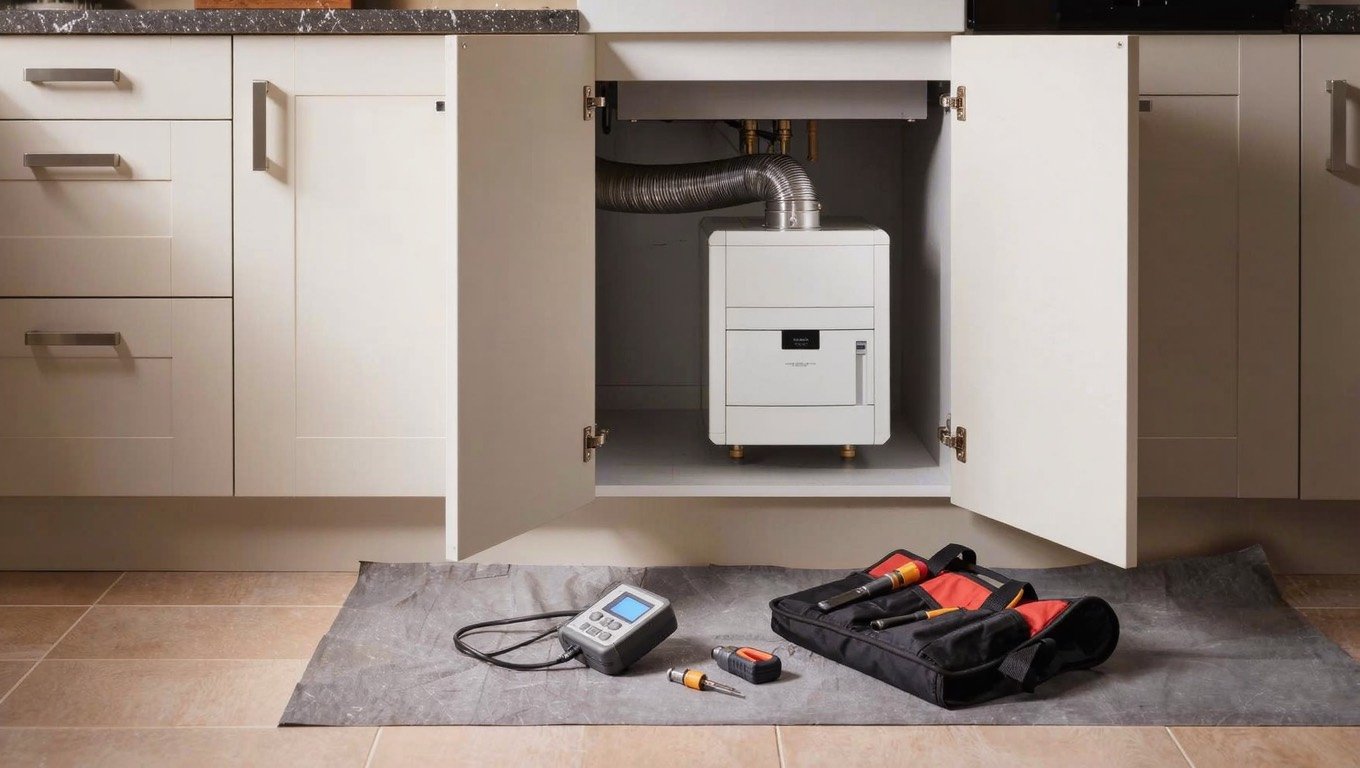
- •10. Book any boiler service now; engineers' diaries fill fast from mid-October.
Fix or stay on the cap?
There is no universal answer, but there is a sound method. The cap resets every three months, so staying on it is a bet that wholesale prices fall; fixing is buying certainty. As a rule of thumb: a 12-month fix at or below the current cap is defensible; one 5% or more below the forecast October cap is usually worth taking; anything above the cap only makes sense if you expect further rises. Check exit fees — £25–£75 per fuel is common — because a cheap fix with steep exit fees traps you if prices drop in spring. Our guide to fixing your tariff versus staying on the cap works through that decision properly.
Whatever you choose, pair it with demand-side work. A tariff decision moves your bill by a few percent; programming the thermostat properly and a weekend spent bleeding radiators and checking boiler pressure routinely save 10% or more in a typical UK home. And once the new rates are confirmed, see which home jobs October's rise actually changes — the increase lands almost entirely on gas.
Quick FAQs
The questions we hear most, answered plainly. For a season-by-season plan, our printable home energy efficiency checklist covers the lot.
- •Does the cap apply to me? Yes if you are on a standard variable or default tariff in England, Scotland or Wales — around two-thirds of households. No if you are mid-fix.
- •Will my direct debit jump on 1 October? Not automatically. A 2–5% cap rise justifies only a small adjustment, so challenge anything larger.
- •Are prepayment meters capped? Yes, with their own rates, currently slightly cheaper than direct debit for typical use.
- •Should I wait for 26 August before fixing? Yes if you are close to it — comparing against confirmed rates beats comparing against a forecast.
- •Does the cap cover heating oil or LPG? No. Off-grid fuels are uncapped, so rural homes should prioritise insulation even harder.
Found this useful?
There's plenty more — hundreds of guides and honestly-tested product reviews for every corner of your home.
Browse All Guides