Carpets & Flooring · 6 min read · 6 April 2026
Porcelain vs Ceramic Tile: Differences, Pros, Cons and Real UK Costs
One number separates these two materials, and strength, wear, tools and fitting time all follow from it. Here is the honest UK cost comparison, split into labour and materials.
By the Nims Casa editorial team — written from professional cleaning experience and checked against our editorial standards.
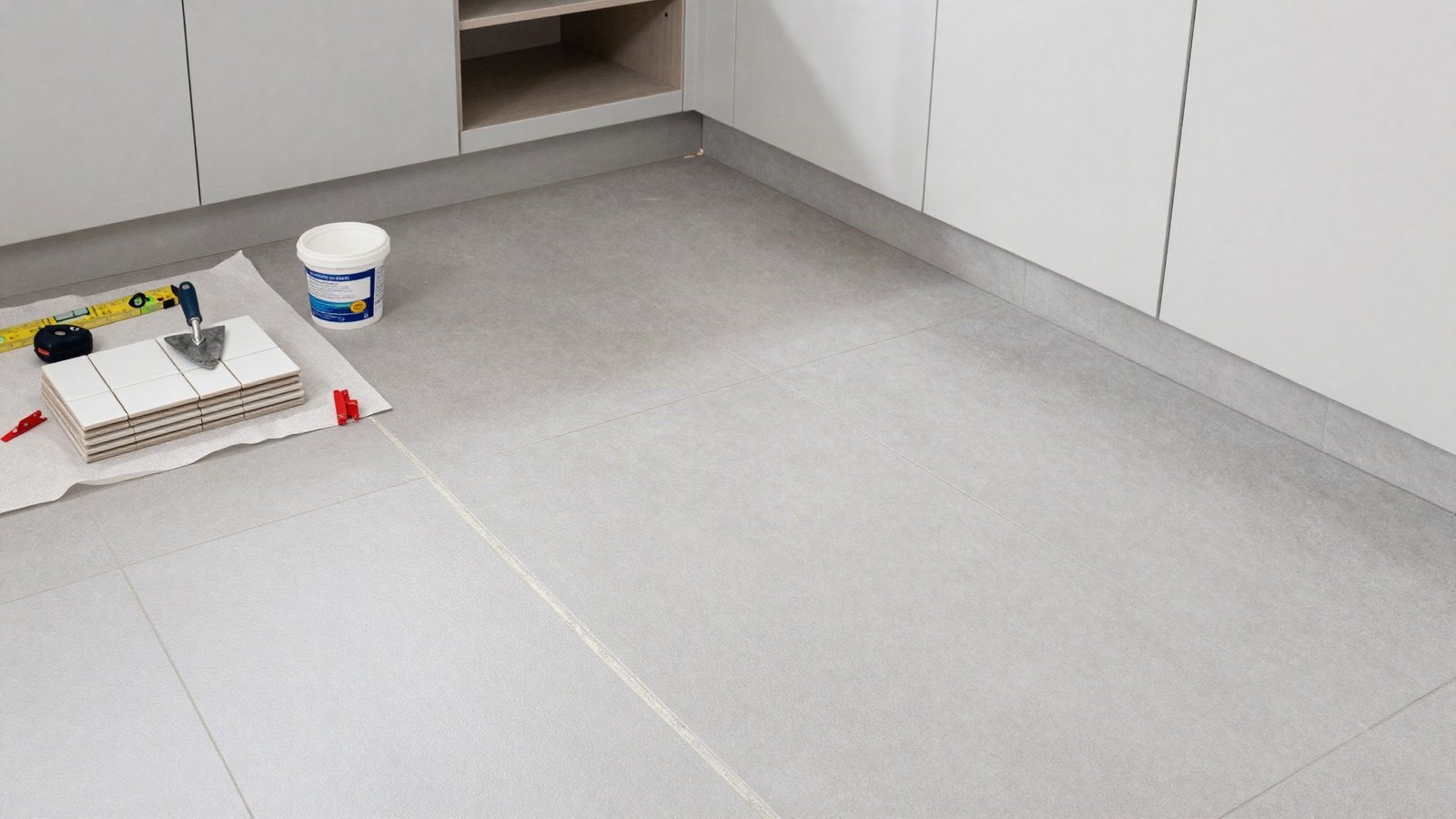
Both come out of the same kind of kiln, and showroom staff use the words interchangeably. The dividing line is one figure: water absorption, measured to BS EN 14411. At or below 0.5% it is porcelain; above that, typically 3% to 10% for the wall tiles at the front of Topps Tiles or Wickes, it is ceramic.
The tile is rarely where the money goes. Porcelain runs £10 to £25 per m2 above comparable ceramic, so on a 6 m2 kitchen floor the premium is only £60 to £165. What moves the total is what porcelain demands around it: better adhesive, a diamond blade, slower cutting and a flatter substrate.
The difference, side by side
Ignore the sample board; these specifications decide how a tile behaves.
- •Absorption: porcelain 0.5% or less (group BIa); ceramic 3% to 10% (BIII walls, BIIb floors).
- •Firing: ceramic 1,000 to 1,100°C; porcelain 1,200 to 1,300°C, which vitrifies the body almost to glass.
- •Breaking strength: porcelain 1,300 N and up; floor-rated ceramic nearer 700 to 1,000 N.
- •Wear: ceramic floor tile is usually PEI 3; porcelain is PEI 4 or 5 and survives a hallway.
- •Frost: porcelain yes, ceramic no. Absorbed water freezes in an unheated porch and lifts the glaze off.
- •Chips: glazed ceramic shows a white or terracotta body; full-body porcelain carries colour through.
- •Cutting: ceramic scores and snaps on a £30 manual cutter; porcelain wants a wet saw and a diamond blade.
- •UK price: ceramic £12 to £30 per m2, porcelain £22 to £60, rectified large-format or 20 mm outdoor porcelain £40 to £75.
Performance: water, wear and British weather
On a wall, ceramic is fine. The tile is not the waterproof layer; the tanking behind it is. Paying porcelain money for a splashback buys nothing but a harder afternoon with the cutter, as our guide to tiling a kitchen splashback sets out.
Floors are different. Absorption matters where a tile is soaked, freezes, or takes outdoor shoes. For a wet floor look for R10 or R11, or a pendulum value of 36 and above; polished porcelain in a family bathroom is a fall waiting to happen. Over heating, porcelain conducts better and moves less, though both need flexible S1 adhesive and a proper commissioning cycle, covered in the underfloor heating and flooring guide.
Installation: where porcelain quietly costs more
Fitting porcelain is slower, needs better consumables and punishes a poor substrate. All of it lands in the quote.
- •Cutting: a hired wet cutter at £30 to £45 a day, or a blade at £15 to £40, and cuts take twice as long.
- •Adhesive: flexible S1 at £22 to £30 per 20 kg bag against £14 to £18 standard; a bag covers 4 to 5 m2 at a 6 mm bed.
- •Flatness: 60x60 cm and above wants the floor within 3 mm over 2 m. Levelling compound is £14 to £20 a bag, covering 3.5 m2 at 5 mm.
- •Suspended timber floors: overboard with 6 mm tile backer or 15 mm WBP ply, or lay decoupling matting at £14 to £22 per m2.
- •Levelling clips, £20 per 250, prevent the lipping that ruins a large-format job.
Real UK costs: the labour and materials split
Labour is 45% to 60% of a typical UK tiling job, and on budget ceramic it reaches 70%. Room-by-room figures sit in our tile installation cost guide; these are the rates behind them.
- •Day rate: £180 to £260 across most of the UK; £250 to £400 in London.
- •Fitting: £30 to £45 per m2 standard format, £45 to £70 in London, plus £8 to £15 for anything over 60x60.
- •Herringbone or mosaic: £55 to £90 per m2, because setting out and cutting time doubles.
- •Waste allowance: 10% straight lay, 15% diagonal. A quote without one produces a mid-job phone call.
- •Grout: £10 to £18 per 5 kg bag, covering 5 to 8 m2 at a 3 mm joint; width decides the type, as sanded vs unsanded grout explains.
- •Stripping out existing tile: £8 to £15 per m2, plus £60 to £120 for a skip.
Worked examples, and how to read a quote
Same room, three specifications, 2026 UK prices including VAT.
- •6 m2 kitchen floor, 45x45 ceramic, DIY: 6.6 m2 of tile at £18 = £119; adhesive £34; grout £14; primer and compound £48; tools £45. About £260 and two weekend days.
- •The same floor in 60x60 porcelain, fitted: tiles £231; S1 adhesive £78; grout £18; primer, compound and clips £85; labour at £40 per m2 plus a £10 large-format uplift = £300. About £712, or £119 per m2 finished.
- •14 m2 open-plan porcelain over wet underfloor heating: tiles £560; decoupling matting £250; adhesive and grout £190; labour at £45 per m2 = £630. About £1,630, or £116 per m2.
- •A fair quote itemises the rate per m2, names the adhesive class, states a waste percentage, carries a preparation line and is clear on VAT.
- •Treat with suspicion: one all-in number; non-flexible adhesive on porcelain or over heating; no preparation line on a timber floor; a deposit above 25%; and £15 per m2 fitting, where the saving always comes out of the prep.
Ten-year cost and maintenance
Across a decade the tile rarely fails; grout does. Cementitious grout in a shower needs resealing every 18 to 24 months at £10 to £16 a bottle; the products worth buying are in our grout sealer review. Regrouting later is £30 to £45 in materials yourself, or £12 to £20 per m2 for a tiler.
Glaze wear is where the two genuinely diverge. In a busy house, PEI 3 ceramic dulls at pivot points, in front of the sink and at the foot of the stairs, by 8 to 12 years; good porcelain looks unchanged at 20. Buy 10% spare and keep it in the loft; a matching tile in 2036 will not exist. Over ten years the DIY ceramic floor lands near £365, about £36 a year; the fitted porcelain floor near £757, roughly £76 a year, and barely started.
Who each suits, and the verdict
Ceramic suits walls and splashbacks, budget rental refurbishments, first-time DIY with only a manual cutter, and period rooms where a slightly irregular glazed tile is the honest look. Porcelain suits kitchen and hallway floors, wet rooms, anything over heating, conservatories and porches that drop below freezing in January, patios in 20 mm, and large-format designs.
The verdict is not close once you separate walls from floors. Vertically, ceramic; spend the difference on tanking and grout. On any floor walked on in shoes or exposed to cold, porcelain, and budget the extra labour rather than be surprised by it. Measure, add your waste, then compare three itemised quotes per m2 fitted, not as headline totals. If you are laying it yourself, start with our step-by-step tile floor guide.
- •Is porcelain always better? No. On a wall it is a dearer tile doing an identical job.
- •Can I tile over existing tile? Sometimes, on a sound solid floor with primer and flexible adhesive, but you lose 15 to 20 mm at every doorway.
- •Does porcelain need sealing? The tile does not; cementitious grout does, and textured porcelain benefits from an impregnator.
Found this useful?
There's plenty more — hundreds of guides and honestly-tested product reviews for every corner of your home.
Browse All Guides