Carpets & Flooring · 6 min read · 5 April 2026
How Much Does Tile Installation Cost? UK Prices for 2026
Tiling quotes vary by hundreds of pounds for the same room, and it is almost never the tiles. Here are 2026 UK rates, real material costs, three costed jobs and the honest DIY limit.
By the Nims Casa editorial team — written from professional cleaning experience and checked against our editorial standards.
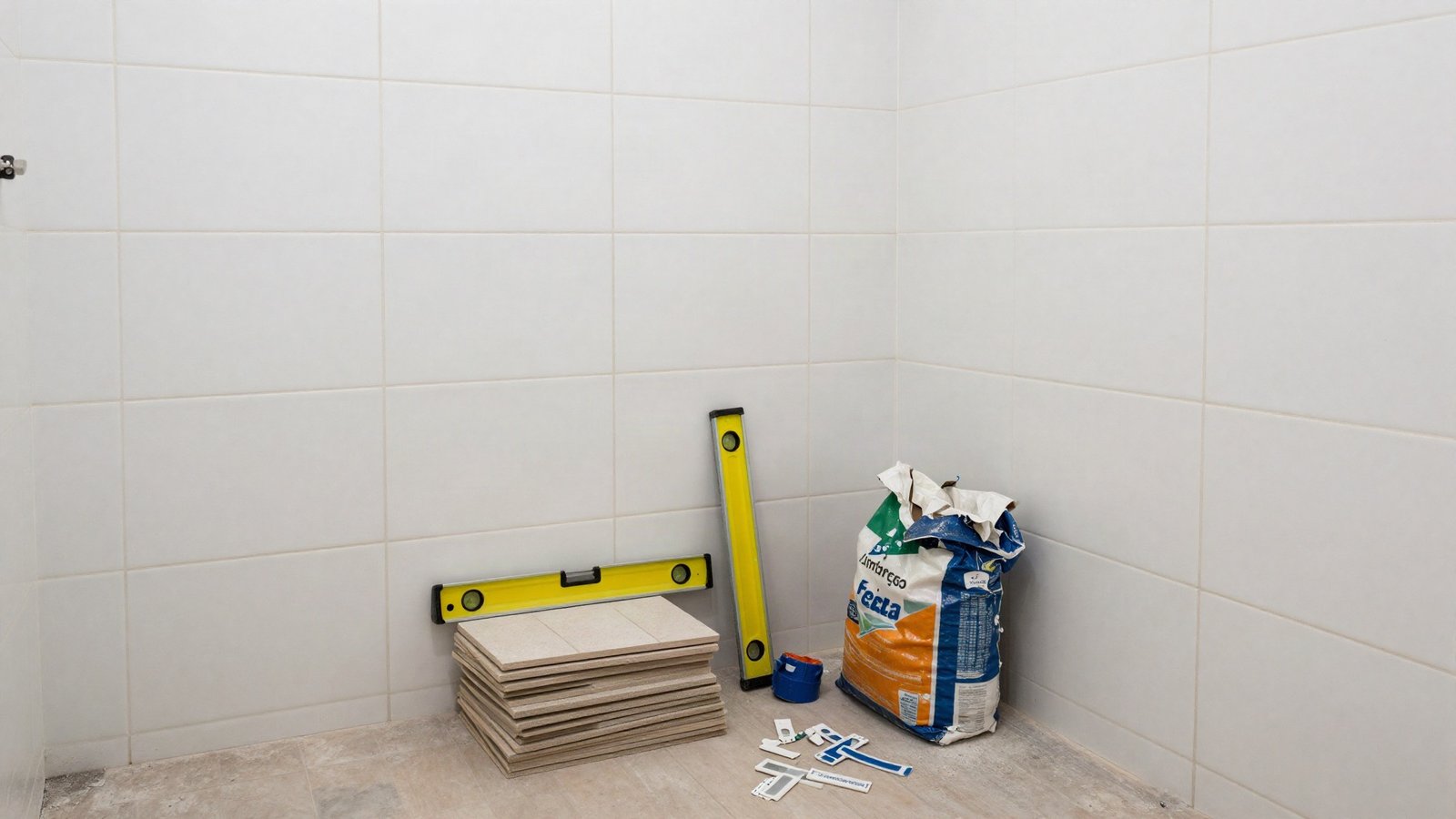
A tiler quoting your bathroom is pricing three jobs, not one: taking off whatever is already on the wall, getting the surface flat and stable enough to tile, and the tiling itself. Homeowners compare three quotes, look at the third number, and cannot see why they differ by £800. The answer is nearly always in the first two.
Across the UK in 2026, tiling lands between £60 and £140 per square metre supplied and fitted. That spread is genuine: a ceramic splashback in a 1980s semi and a 900mm porcelain floor over springy Victorian floorboards are not the same trade. Here are the rates, three costed jobs and the DIY limit.
UK labour rates: what a tiler charges in 2026
Most tilers price by the square metre once a job passes roughly 8 m², and by the day below that. Day rates run £180-£240 across the North, Midlands, Wales and Northern Ireland, and £250-£350 in London and the Home Counties. Nearly everyone applies a one-day minimum, which is why small jobs cost so much per metre.
- •Standard ceramic or porcelain wall tiling, up to 300x600mm: £40-£55 per m²
- •Standard floor tiling on a sound concrete slab: £30-£45 per m²
- •Large-format porcelain, 600x600mm and up: £55-£85 per m², because it needs levelling clips, back-buttering and a far flatter substrate
- •Herringbone, brick bond with 2mm joints, or mosaic sheets: £65-£110 per m²
- •Natural stone: £60-£100 per m², plus sealing before and after grouting
- •London and the South East: add roughly 25-40% to everything above
Materials: unit costs and the bits nobody budgets for
Tiles are the line everyone prices before ringing a tiler; the ancillaries quietly add £250 to a bathroom. Buy tiles yourself where you can — studios add 20-30% supplying through a fitter — and know how porcelain differs from ceramic before buying.
- •Budget ceramic wall tile £10-£20 per m²; mid-range porcelain £22-£40 per m²
- •Large-format or wood-effect porcelain planks: £35-£70 per m²
- •Natural stone and patterned encaustic: £50-£130 per m²
- •Flexible S1 adhesive, 20kg: £16-£26, covering 4-5 m² at a 6mm notch — halve that if back-buttering
- •Grout, 5kg: £10-£18 standard, £45-£70 for epoxy in a shower
- •Self-levelling compound, 20kg: £15-£25, covering 4 m² at 4mm
- •Tile backer board, 12.5mm: £14-£22 per board; trims £9-£22 per 2.5m; wet room tanking kit £70-£130
- •Waste: add 10% for a straight lay, 15% for herringbone, 20% for patterned tiles
The labour-materials split, and what moves the price
Labour is 55-65% of a typical UK domestic job and materials 35-45%. Bathrooms sit at the top of that range: more cutting per square metre than any other room. Use it as a smell test — 70% materials means showroom margin, while 80% labour on a simple slab floor means prep is priced heavily, so ask what it covers.
- •Substrate. A flat slab is the cheap case; a suspended timber floor in a pre-1940s terrace needs 6mm backer board or 18mm WBP ply plus decoupling matting, adding £25-£40 per m².
- •Tile size. Anything over 600mm wants a substrate flat to 3mm over 2m, and achieving that on an old floor is where the money goes.
- •Strip-out. Old ceramic bedded on sand-and-cement comes off in lumps and takes the plaster with it: £250-£450 for a bathroom, skip included.
- •Underfloor heating. Electric mat supplied and fitted runs £60-£120 per m² and forces flexible adhesive — see our guide to underfloor heating and floor coverings.
- •Access. A third-floor flat with no lift adds half a day.
Three UK jobs, costed line by line
Job one, a full retile of a 2.4m x 1.8m bathroom — 4.3 m² of floor, 17 m² of wall, mid-range porcelain, old tiles out: strip-out and skip share £310; backer board and tanking to the shower zone £245; 24 m² of tile including waste £670; adhesive, grout, trims and silicone £235; five days at £220 £1,100. Total £2,560, or £120 per m² — a quarter of a mid-spec full bathroom refit.
Job two, a 4 m² metro splashback onto sound plaster: tiles £99, adhesive and trim £55, one day at £200 because of the minimum charge. Total £355, or £89 per m² — the rate looks poor only because the job is small.
Job three, 22 m² of 600x600 porcelain across an open-plan kitchen-diner on a slab: levelling compound and primer £175; tiles with 12% waste £850; six bags of S1 adhesive £120; grout and trims £90; a prep day plus 22 m² at £38 is £1,060. Total £2,295, or £104 per m².
Where DIY stops and a tiler starts
Tiling is one of the few trades where a patient amateur matches a professional on simple work, and one where a few mistakes cause thousands of pounds of damage. The boundary is consequence, not skill.
- •Reasonable to do yourself: splashbacks and half-height walls onto sound plaster; standard-format floor tiles on a flat, dry slab; grouting, siliconing and sealing; cutting with a hired wet saw at £30-£45 a day.
- •Get a professional: wet room tanking and forming falls to a gully. A failed membrane does not leak visibly for months, then brings a ceiling down, and insurers argue hard about unqualified work.
- •Get a professional: electric underfloor heating connections. Laying the mat is easy, but the final connection in a kitchen or bathroom is notifiable under Part P in England and Wales — keep the certificate.
- •Get a professional: any suspended timber floor that flexes underfoot. Deflection is what cracks tiles months later, and spotting the signs of subfloor damage before tiling is a specialist call.
- •Get a professional: heavy tiles on a wall. Skimmed plaster carries about 20 kg/m² and plasterboard 32 kg/m²; 10mm porcelain plus adhesive is close to 28 kg/m² — a thinner margin than people assume.
- •Stop entirely: pre-2000 floor tiles or black bitumen adhesive, which can contain asbestos. Do not grind, sand or dry-cut — have it tested and, if positive, removed under licence.
How to sanity-check a tiling quote
Push for a written breakdown: a square-metre rate, a separate materials line, and preparation itemised rather than buried. Most disputes start with the words prep excluded on a quote nobody read closely. Ask which adhesive they will use and why — flexible S1 over timber or heating, standard cement-based over a sound slab. A tiler with a clear answer has thought about your floor.
Ask what waste they have allowed; anyone quoting your measured area exactly has not allowed for cuts. Never pay more than the materials cost as a deposit, and never settle the balance before the grout has dried, since that is when faults such as cracking along the edges appear. Knowing the common tiling mistakes shortens those conversations.
How we arrived at these figures
Material prices come from UK trade counters and tile retailers in early 2026, using mid-range rather than promotional lines. Labour rates come from domestic quotes across five UK regions and reflect what homeowners actually paid. Figures exclude VAT: a sole trader below the £90,000 threshold will not charge it, while an established firm adds 20% — £500 on a £2,500 bathroom, and the commonest reason two similar quotes look hundreds apart. Treat them as a spring 2026 baseline, varying up to 40% by region.
Found this useful?
There's plenty more — hundreds of guides and honestly-tested product reviews for every corner of your home.
Browse All Guides