DIY & Maintenance · 5 min read · 11 July 2026
Why Does My Sump Pump Keep Running? Causes, Fixes and When to Call a Pro
A sump pump that never switches off is usually a £20 fix — a stuck float or a failed check valve. Here's the 20-minute diagnosis we use, and the exact point where DIY should stop.
By the Nims Casa editorial team — written from professional cleaning experience and checked against our editorial standards.
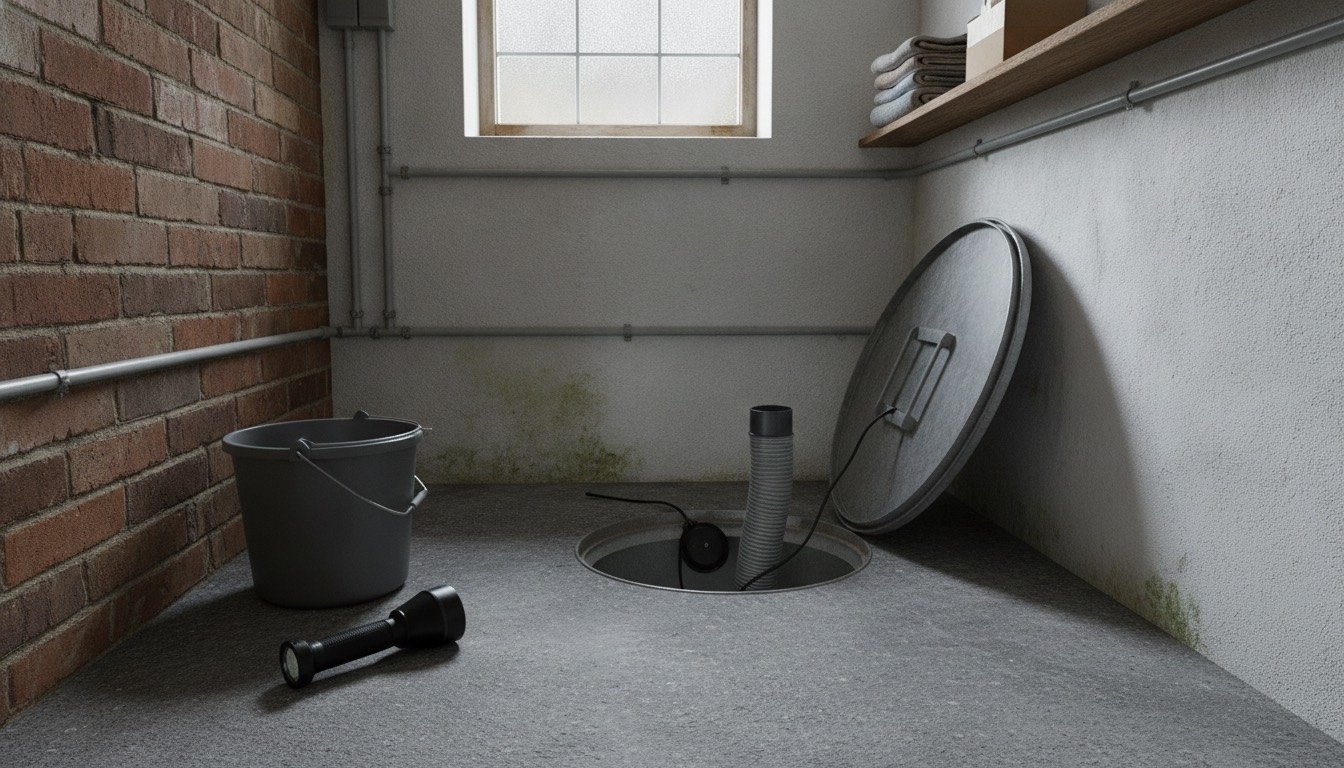
A sump pump that never switches off is telling you one of five things: the float switch is stuck, the check valve has failed, the water table is genuinely high, the pump is undersized for the pit, or the discharge pipe is blocked. In the basement flats and cellar conversions we maintain, the first two cause roughly seven in ten call-outs — both fixable in under an hour for less than £30.
It matters more than the noise. A domestic sump pump motor is rated for intermittent duty; run it continuously and you will cook it in weeks, and a replacement is £120 to £400 fitted. A pump that runs non-stop and then dies picks the worst moment — mid-downpour — to hand you a flooded cellar.
First: Is It Actually Moving Water?
Before touching anything, switch off and unplug the pump — never work on a live pump with your hands in the pit. The socket should be RCD-protected; if yours dangles off an ordinary extension lead, fix that first.
Now look and listen. If the pump hums but the water level never drops, it is running dry or against a blockage — a mechanical or discharge fault. If it is genuinely shifting water and the pit refills within a minute or two of emptying, water is arriving faster than it should — a drainage problem, and the pump is the messenger, not the culprit.
The Five Usual Causes, in the Order We Check Them
Work down this list in order — cheapest and most likely first:
- •Stuck or tangled float switch (most common). Tethered floats snag on the pit wall, the power cable or debris, so the pump never gets the signal to stop. Fix: reposition or replace the switch — £15 to £25.
- •Failed check valve. Without a working non-return valve, every litre pumped up the discharge pipe falls straight back into the pit, forever. Listen for a heavy slosh back into the pit seconds after each cycle. New valve: £15 to £30.
- •Blocked, kinked or frozen discharge pipe. Silt, gravel or a crushed section stops water leaving; in January, an exposed outlet freezes solid. The pump runs flat out and achieves nothing.
- •Genuinely high water table or heavy inflow. After a week of proper British rain, some pits take on water constantly. Frequent cycling is correct behaviour; running without ever stopping is not.
- •Undersized pump or pit. A pit under about 45 cm across short-cycles constantly because a few litres of inflow trips the float. Common in budget cellar conversions.
The 20-Minute Diagnosis
Tools: a torch, a bucket of clean water, gloves and 20 minutes. With the pump unplugged:
- •Lift the pit lid and check the float. Move it up and down by hand — it should travel freely through its full arc without touching the wall, pipework or its own cable.
- •Check the pit floor. Scoop out silt, gravel and debris; grit jams floats and chews impellers. Five minutes that prevents half of all repeat faults.
- •Find the check valve on the vertical discharge pipe (an arrow marks flow direction). Plug the pump in, let it cycle once, and listen: a loud gurgle and rush back into the pit means the valve has failed.
- •Follow the discharge pipe outside. Check the outlet is clear and discharging at least 2 m from the wall — not straight back against your own footings.
- •Pour a bucket of water into the pit and watch a full cycle. Pump kicks in, empties, shuts off, stays off: switch and valve are fine, and your issue is inflow.
- •Time the cycles during rain. Under 30 seconds of rest between runs, every cycle, for hours, means the pit genuinely cannot cope.
The DIY Fixes and What They Cost
A snagged float costs nothing: re-route the power cable away from the float's arc and cable-tie it to the discharge pipe. A worn-out float switch is £15 to £25 from any DIY shed and swaps over in 20 minutes on most submersible pumps. A check valve is £15 to £30 and a half-hour job with a hacksaw and two jubilee clips — cut the old one out, note the flow arrow, clamp the new one in. If the outlet freezes each winter, refit the final run with a continuous fall and insulate it — the same logic as preventing frozen pipes.
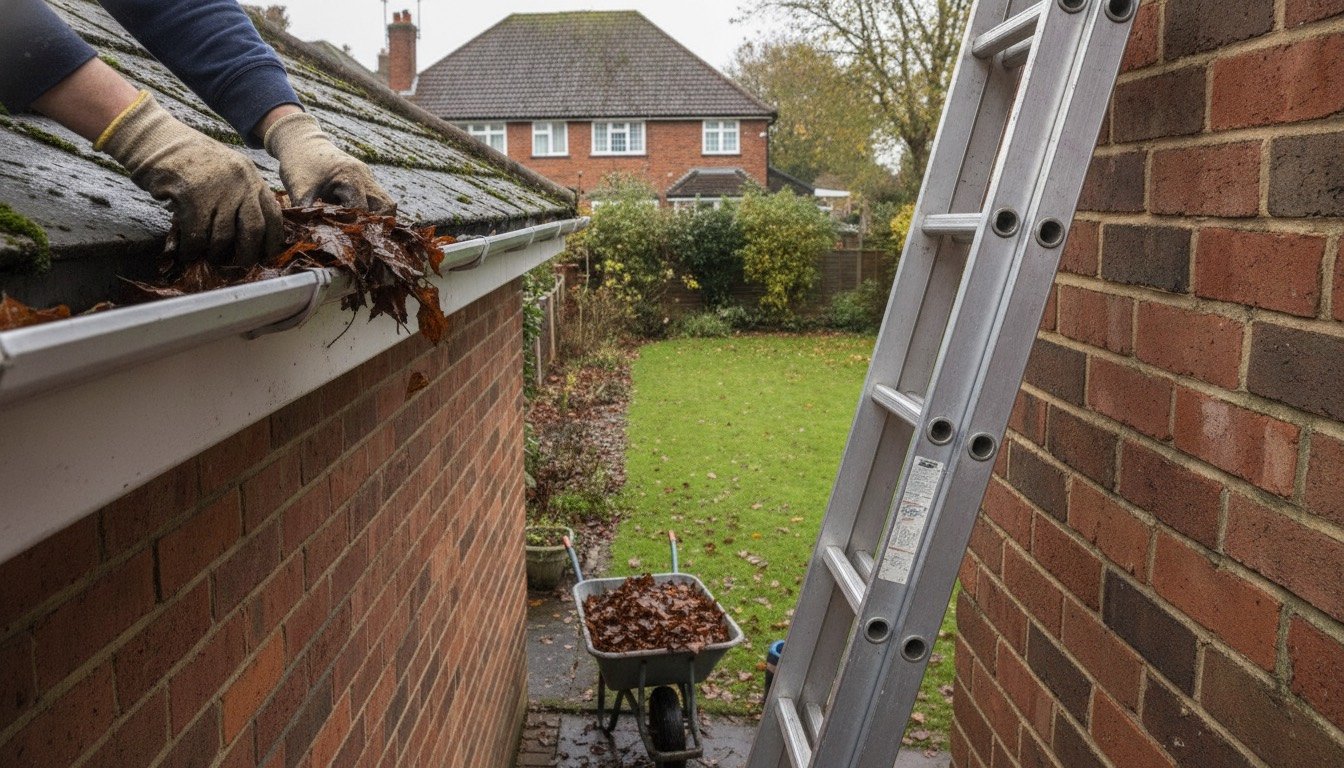
If the problem is inflow rather than the pump, start outside. Overflowing gutters dump hundreds of litres against your foundations in a single storm, and clearing them is the cheapest drainage work you will ever do — our gutter cleaning and maintenance guide covers it. Check outside taps too; a slow underground leak keeps a sump busy in bone-dry weather.
Where DIY Stops: Call a Professional When…
Be honest about the boundary. Call someone qualified when: the pump trips the RCD (an electrical fault — do not keep resetting it); the pit needs enlarging or a second pump adding; the water table keeps the pump running even in dry spells, which points to a failed land drain or a rising main leak; or you want a battery back-up specifying — essential for any furnished cellar. Expect £80 to £150 in labour for a pump swap and £300 to £600 for a new pit or back-up system — our guide to plumber costs by job has the full picture.
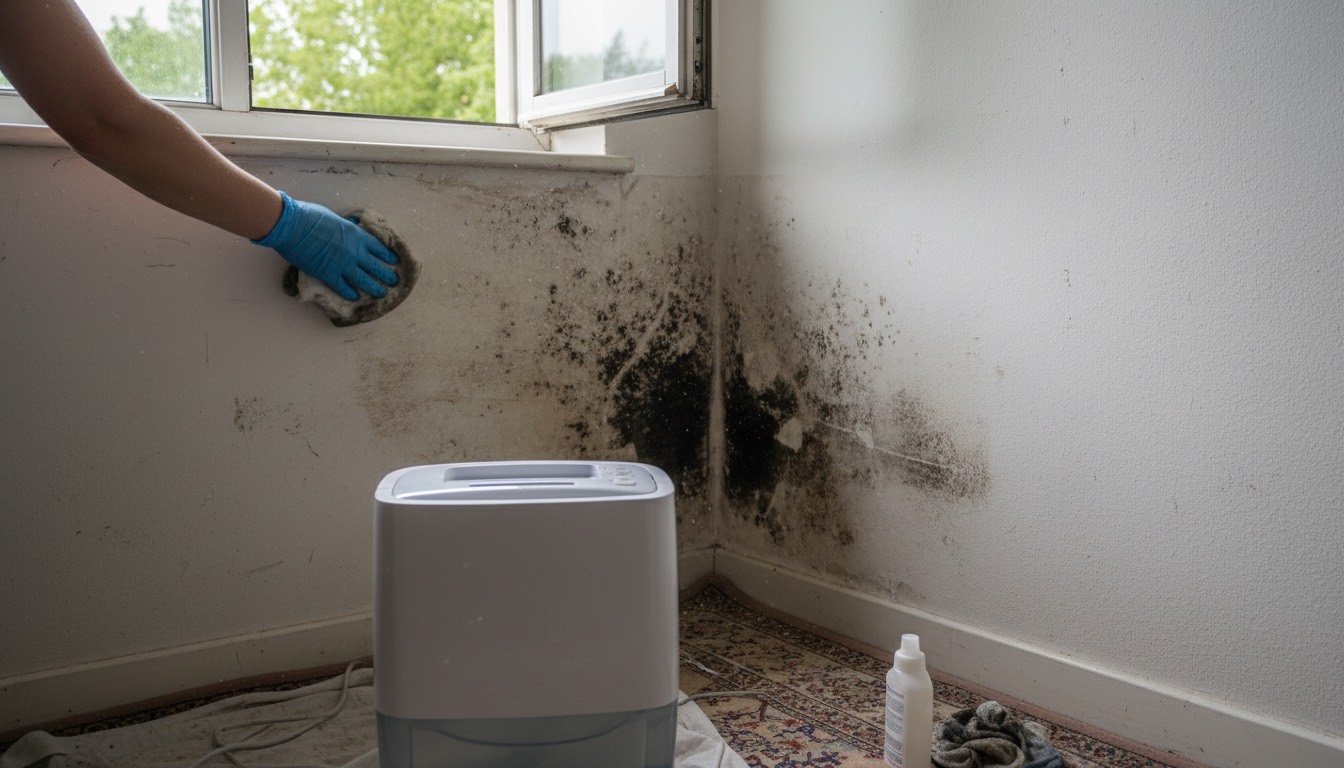
And if a failure has already put water through the room, dry it fast. Carpets that have taken flood water need extraction, not airing — a professional carpet clean within 48 hours is the difference between a rescue and a skip. Then run a dehumidifier hard for a week; our dehumidifier round-up covers models that pull 10 to 20 litres a day from a soaked room.
The Maintenance Routine That Stops It Happening Again
Sump pumps fail silently, then all at once. This quarterly five-minute check is the whole secret:
- •Every 3 months: pour a bucket of water in and watch one full cycle — in, empty, off, stays off.
- •Every 3 months: lift the lid, scoop out silt and check the float swings freely.
- •Every autumn: walk the discharge run outside, clear the outlet and check the fall before the freezing weather arrives.
- •Every 2 to 3 years: replace the check valve on age alone — £20 is not worth the gamble.
- •After any flood scare: check walls and skirtings for lingering moisture — leftover damp becomes a mould problem within weeks.
The Bottom Line
Nine times out of ten, a sump pump that keeps running is a £20 part or a snagged cable, diagnosed in 20 minutes with a torch and a bucket. The tenth time it is your drainage talking. Fix the small fault this weekend, diary the quarterly bucket test, and the pump goes back to being the quietest insurance policy in the house.
Found this useful?
There's plenty more — hundreds of guides and honestly-tested product reviews for every corner of your home.
Browse All Guides