Product Reviews · 6 min read · 30 April 2026
The Best Dehumidifiers UK (2026): Beat Condensation, Damp & Drying Washing Indoors
Condensation on windows, musty smells, washing that takes two days to dry — UK homes are damp homes. The machines that fix it, sized correctly.
By the Nims Casa editorial team — written from professional cleaning experience and checked against our editorial standards.
Affiliate disclosure: if you buy through links in this article we may earn a small commission at no extra cost to you. Our recommendations come from professional cleaning experience and are never influenced by retailers or brands.
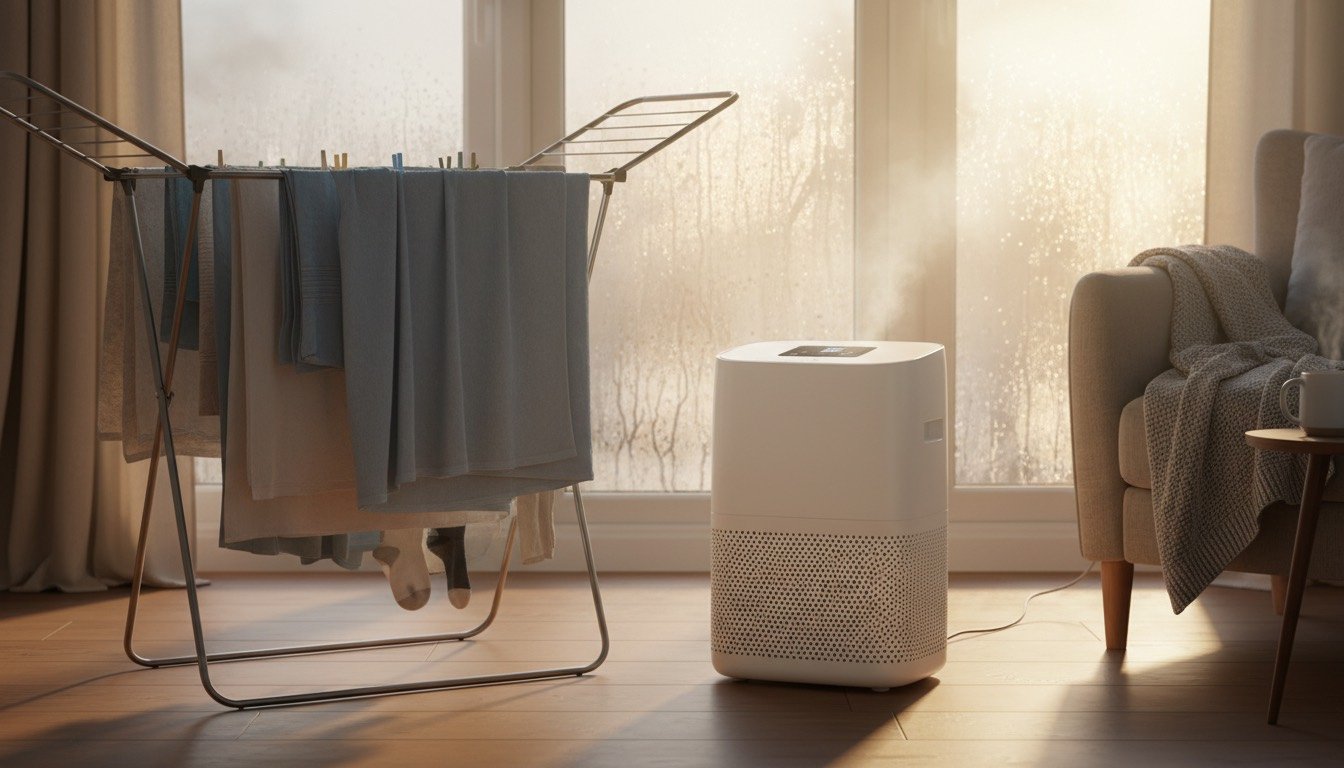
Step into a British house in January and you can usually smell the problem before you see it: a faint mustiness in the hallway, black spots on the bathroom ceiling, windows running with condensation every morning. Cool solid walls, sealed double glazing and washing dried indoors on radiators trap moisture that older houses were never built to shed, and extractor fans alone often can't keep up. A dehumidifier tackles the cause rather than the symptom, pulling litres of water out of the air daily so mould, dust mites and that damp smell lose the environment they need to thrive.
This guide goes beyond the spec sheet: how we actually tested the three machines reviewed above, what capacity, tank size and noise ratings mean for your rooms, what a unit costs to run over a year, how to keep one working for a decade rather than three winters, and the buying mistakes that waste money on a machine that never quite fixes the problem.
Our top picks at a glance
MeacoDry Arete One 12L
~£180Quiet, accurate, efficient and built on years of UK-specific design. The set-and-forget mode holds a healthy 55% humidity without micromanagement, and laundry mode genuinely halves drying time.
Pros
- ✓ Very quiet for a compressor
- ✓ Excellent humidity control
- ✓ Low running costs
Cons
- ✗ Tank on the small side
- ✗ Plain styling
EcoAir DD1 Simple Desiccant
~£160Keeps extracting at temperatures that stall compressor rivals, making it the pick for conservatories, garages, boats and chilly bedrooms. Light enough to carry room to room.
Pros
- ✓ Full performance in the cold
- ✓ Lightweight and portable
- ✓ Gentle background warmth
Cons
- ✗ Higher energy use
- ✗ Fan note audible on boost
ProBreeze 12L Low Energy
~£130Solid extraction figures and a friendly price. Controls are simpler and the hum a touch louder than the Meaco, but as a first dehumidifier it delivers where it counts.
Pros
- ✓ Strong value
- ✓ Decent extraction rate
- ✓ Simple controls
Cons
- ✗ Louder than premium rivals
- ✗ Humidistat less accurate
How We Chose These Dehumidifiers
We run every dehumidifier in identical rooms for at least two weeks each, starting with a badly ventilated bathroom and an unheated box room so both compressor and desiccant technology get a fair test at realistic UK temperatures rather than in a warm showroom. Extraction is checked against the machine's own display with a separate hygrometer, because a unit that under-reports humidity lets a room stay damp while telling you everything is fine.
We also time how long each machine takes to visibly speed up an indoor drying rack, useful for anyone drying clothes indoors without causing damp, and measure noise from typical bedside distance, since a machine too loud to sleep near just gets switched off. Tank capacity and how fiddly the filter is to remove both factor into the final award.
The Buying-Guide Specs That Actually Matter
Two decisions matter more than any brand name: compressor or desiccant, and choosing the right daily extraction capacity for your actual problem, not just room size.
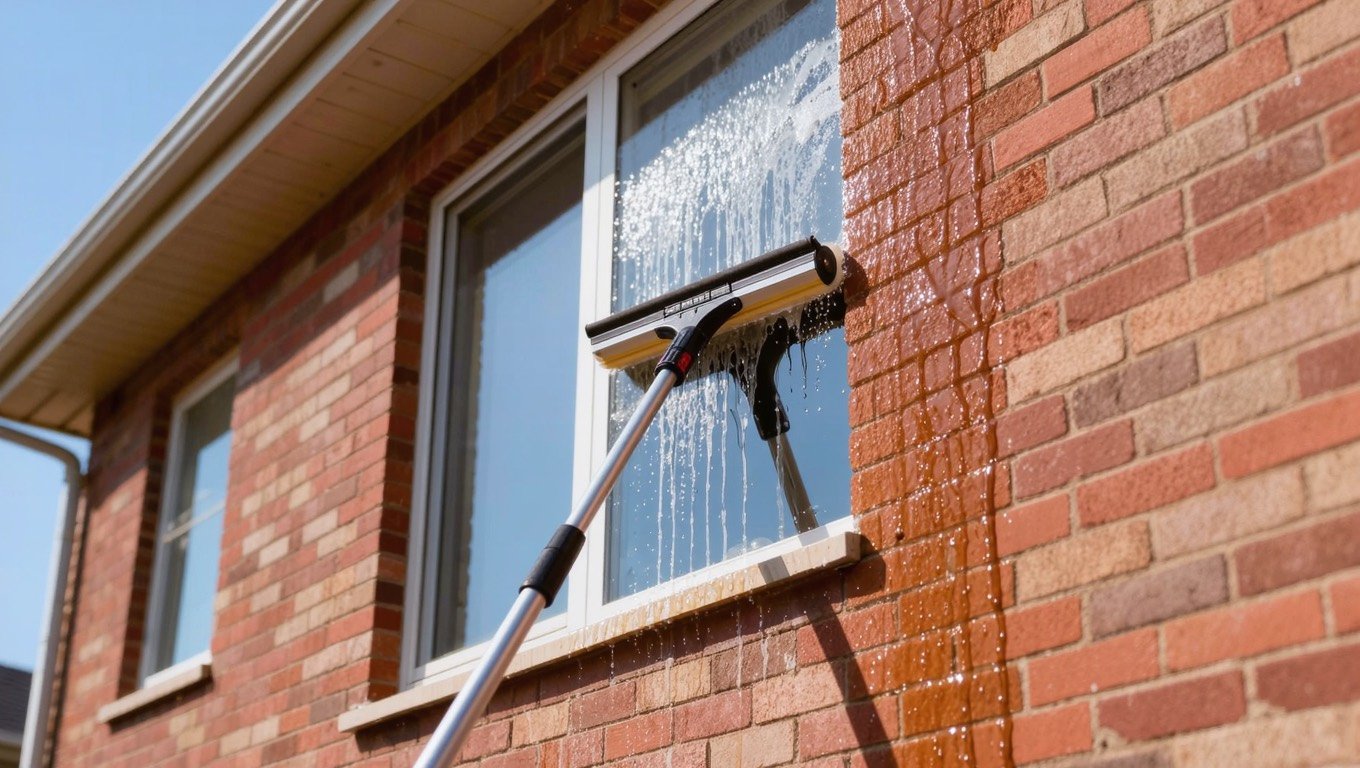
Compressor (refrigerant) models work like a mini fridge and are efficient in warm, lived-in rooms of 18°C and above, making them the natural pick for living areas and daily laundry drying. Desiccant models use an absorbent wheel instead, so they keep extracting at low temperatures that stall compressor units completely — the right call for unheated conservatories, garages and cool bedrooms, though they use more electricity for the same extraction. Rule of thumb: heated home, buy compressor; cold space, buy desiccant. For windows streaming with condensation regardless, a window vacuum clears the immediate mess while the dehumidifier works on the underlying humidity.
- •Daily extraction: 10–12L suits a single damp bedroom or bathroom; 16–20L is the realistic minimum for daily indoor laundry drying or whole-house condensation.
- •Tank size: under 2L on a 12L+ machine means emptying most days — look for a continuous-drain hose fitting near a sink if you'd rather not.
- •Humidistat accuracy: one that genuinely holds 50–60% automatically beats a few extra litres of extraction on paper, since it stops the machine over-running.
- •Noise rating: above roughly 48–50dB is noticeable in a bedroom overnight; check the quiet mode figure, not the peak number on the box.
- •Price band: budget compressor units start around £110–£140; well-specified 12L machines with laundry mode run £160–£220; desiccant models sit around £150–£200.
What a Dehumidifier Actually Costs to Run
Running costs depend on wattage, hours used and your tariff, but as a rough guide most 10–12L compressor dehumidifiers draw around 200–300 watts on full power, dropping close to nothing once the humidistat is satisfied. Run for a few hours a day through autumn and winter, that typically adds a modest amount to a monthly bill — nowhere near the cost of running a tumble dryer for the same laundry. Desiccant machines with a heating element tend to draw a little more.
If condensation reappears within hours of switching the dehumidifier off, the more permanent fix is cutting the heat and moisture a room loses through poor insulation and gaps around doors and windows — a home air sealing checklist alongside the machine tends to fix the problem for good, rather than just managing it every winter.
Caring for a Dehumidifier So It Lasts
A dehumidifier looked after properly should run for eight to ten years; neglect the basics and one can fail within two or three winters.
- •Empty and rinse the tank weekly even in low season — standing water grows its own mould and starts smelling like the problem you bought the machine to solve.
- •Vacuum or rinse the filter monthly; a clogged filter cuts extraction and makes the compressor work harder for a worse result.
- •Leave at least 15–20cm of clearance around the unit — pushed into a corner, it recirculates its own exhaust air and reads humidity inaccurately.
- •Use any built-in defrost setting in cold rooms; ice on the coils is the most common reason a compressor unit suddenly seems to stop working.
- •Store it dry over summer: run the unit empty for an hour before packing away so no water sits inside for months.
Common Dehumidifier Buying Mistakes
- •Buying a small 'mini' unit for a whole flat or family home — it's a teaspoon against a genuine leak or daily condensation problem.
- •Ignoring the compressor/desiccant split; a compressor unit in an unheated garage barely extracts anything once the temperature drops.
- •Choosing on extraction figures alone and skipping the noise rating, then finding the machine too loud to leave running overnight.
- •Assuming a dehumidifier fixes mould already established on clothes or inside wardrobes — it stops humidity climbing back up, but existing mould still needs treating directly.
- •Treating the machine as a replacement for extractor fans rather than a complement to them; ventilation removes moisture at source, a dehumidifier mops up what's left.
Frequently asked questions
**Will a dehumidifier stop mould coming back?** It stops the humidity mould needs to establish itself, but won't remove mould already growing — treat visible patches with a dedicated mould and mildew remover first, then use the dehumidifier to keep humidity below the roughly 60% level mould needs to return.
**How big a dehumidifier do I need for a UK three-bed house?** For whole-house condensation control or daily laundry drying, look at 16–20L/day capacity moved between rooms, rather than running several small units — one larger machine usually outperforms two mini ones and costs less to run.
**Is a dehumidifier enough for a damp basement or cellar?** For a cellar with visible water ingress it only manages the symptom; find and fix the leak first. With no active leak, a dedicated basement-rated machine such as those in our dehumidifier for basement guide is usually enough alone.
**Can I leave a dehumidifier running all day while out?** Yes, provided it has a working humidistat set to switch off at the target humidity, and the tank has capacity — or is on continuous drain — to not overflow before you're home.
**Will a dehumidifier help with dust mite allergies?** Indirectly — dust mites need humidity above roughly 50% to thrive, so a bedroom held below that sees the population drop over several weeks. It works well alongside a genuine air purifier for allergies, not instead of one.
**Do I need to run one all year round?** Most UK homes only need one working hard from roughly October to April, when heating is on and washing dries indoors most often; summer ventilation usually copes alone.
Which Dehumidifier Should You Buy?
For most UK homes fighting everyday condensation and drying laundry indoors, the MeacoDry Arete One 12L (Best Overall) earns its higher price with a humidistat that genuinely holds the room at a healthy level, plus a laundry mode that noticeably speeds up drying. For an unheated conservatory, garage or a bedroom kept cold overnight, the EcoAir DD1 Simple Desiccant (Best for Cold Rooms) keeps extracting where compressor machines stall. For a first dehumidifier or a rental, the ProBreeze 12L Low Energy (Best Value) delivers solid extraction at the lowest price, with a slightly louder hum as the trade-off.
Found this useful?
There's plenty more — hundreds of guides and honestly-tested product reviews for every corner of your home.
Browse All Guides