Kitchens & Bathrooms · 6 min read · 19 April 2026
Bathroom Remodelling Mistakes to Avoid, Ranked by What They Cost to Put Right
Almost nothing that goes wrong in a bathroom refit is visible on completion day. The expensive failures sit behind the tiles and surface between six months and three years later.
By the Nims Casa editorial team — written from professional cleaning experience and checked against our editorial standards.
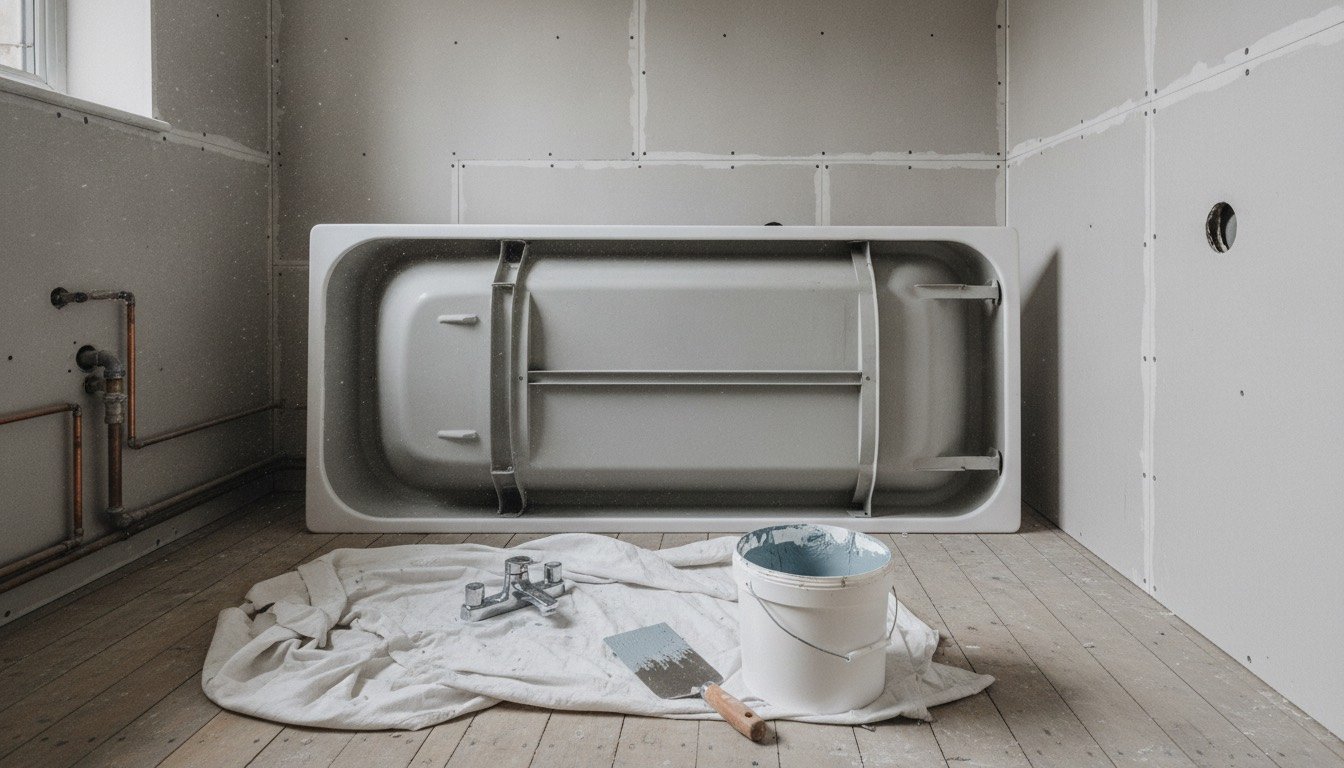
A like-for-like refit of a standard 2.0m x 2.2m UK bathroom lands at £4,500 to £8,000 supply and fit outside London, £6,500 to £11,000 inside the M25. Move the WC, take out a wall or build a proper wet room and you are at £9,000 to £16,000. Those are the numbers people plan around. The ones nobody budgets for are remedial: £1,800 to re-tile a shower that leaked, £2,400 to rebuild the ceiling below it.
We get called into the aftermath more often than the build, so what follows is ordered by what each error costs to undo rather than by how obvious it looks. If you are still specifying, read it alongside what a bathroom refit actually costs in the UK.
The mistakes ranked by what they cost to put right
The cost of a mistake is not the cost of the fix. A £70 tanking kit skipped at first fix becomes a four-figure strip-out, because the only route to the failure is through finished tiling.
- •Tiling straight onto plasterboard in a shower — £1,500 to £3,500 to strip, re-board and re-tile, plus any ceiling below.
- •No extractor fan, or one venting into the loft — £900 to £2,500 in mould remediation and redecoration, repeating annually.
- •Sanitaryware fitted before the floor was checked for deflection — £600 to £1,600 to lift, stiffen and relay.
- •Moving the WC off the soil stack without correcting the fall — £700 to £1,800, and a smell you cannot decorate over.
- •Electrics outside the zone rules or uncertified — £300 to £900 to remedy, more if it stalls a house sale.
- •Grout used where silicone belongs — £150 to £400 to rake out and reseal, if caught early.
Waterproofing: the shortcut that eats the budget
Grout is not waterproof. Nor is moisture-resistant plasterboard. Both slow water down; neither stops it. A shower enclosure needs 6mm to 12mm tile backer board (£14 to £28 a 1200 x 600 sheet) plus a liquid tanking membrane with reinforcing tape over every joint, corner and screw head. A kit for one shower area is £60 to £130 — the cheapest insurance on the whole job.
The other half of the same mistake is sealant. Internal corners and the bath-to-tile junction are movement joints, so they take silicone, never grout: a filled bath drops several millimetres under load. Fill it, stand in it, seal, then leave 24 hours before draining. If yours is already black, replacing the silicone around a bath properly is a £15 Saturday rather than a callout.
Deleting the extractor fan to save £200
It is the first line people cut and the most expensive over ten years. Approved Document F asks for 15 litres per second of intermittent extract in a bathroom, about 54 m³/h. A £12 axial fan on a 3m duct with two bends will not deliver that; a centrifugal or inline unit at £60 to £130 will. Fitted and certified, budget £150 to £300.
Two errors undo even a good fan: ducting that terminates in the loft instead of through a soffit, tile or wall, and uninsulated flexible duct crossing a cold roof space, which condenses and drips back. Use insulated ducting, keep the run short, fit a humidistat with a 15-minute overrun. Otherwise you will be reading how to get rid of mould on bathroom ceilings every winter.
Where the money actually goes: labour versus materials
On a like-for-like UK refit the split is roughly 55–65% labour and 35–45% materials. People invert that, overspend on the suite, then find the fitting quote steep. Typical 2026 rates outside London:
- •Bathroom fitter, all trades: £220–£320 a day; a full refit runs 5 to 10 working days.
- •Plumber: £250–£350 a day, or £60–£90 an hour for short works — see plumber's rates by job.
- •Tiler: £35–£60 per m² for standard ceramics, £60–£100 per m² for large-format porcelain or mosaic.
- •Electrician £250–£350 a day (a certified fan or shower circuit £180–£350); plasterer £180–£250 a day; skip hire £180–£320.
- •Materials check: mid-range suite £700–£1,400, tiles £20–£45 per m², electric underfloor heating mat £45–£70 per m² plus a £90–£180 thermostat.
Reading a quote: reasonable versus suspect
A sound quote is itemised, names the products, states who supplies what, gives a start date and a duration in working days, and separates labour from materials. Compare three on identical scope — comparing contractor estimates covers how to normalise them.
- •Reasonable: a 10–25% deposit for materials, stage payments against milestones, 5–10% held back until snagging is signed off.
- •Suspect: 50% or more demanded up front, or cash requested before work starts.
- •Reasonable: 10–15% below the others because the fitter is local and self-supplying tiles.
- •Suspect: 35–40% below the pack. Something has been left out, usually tanking, making good or the electrical certificate.
- •Suspect: "cash, no VAT" from a trader clearly over the £90,000 threshold. No invoice means no guarantee and no comeback.
- •Reasonable: competent person scheme registration (NICEIC, NAPIT, Gas Safe) named on the paperwork, not a logo on a van.
The ones that can genuinely hurt you
Bathroom electrics are governed by zones. Zone 0, inside the bath or shower tray, takes IPX7-rated 12V SELV fittings only; Zone 1 runs to 2.25m above floor level at IPX4 minimum. Standard 13A sockets are not permitted within 3m of the Zone 1 boundary, a shaver unit to BS EN 61558-2-5 being the exception. In England a new circuit or any alteration inside those zones is notifiable under Part P and must be certified; Wales keeps wider rules, Scotland works under Building Standards. Uncertified electric showers are the commonest thing we find, and they surface on surveys.
Then asbestos. In a bathroom fitted before 2000, expect textured ceiling coating, vinyl floor tiles bedded in bitumen, and insulating board boxing the soil pipe. Do not sand or drill any of it; a UKAS lab sample is £35 to £60. And floors: a filled 1700mm bath with someone in it is 250 to 300kg over a small footprint, and Victorian joists at 400mm centres often need noggins or sistering first. Tiles crack because the floor moved, every time.
Finally, flow rate. A large rainfall head on a combi managing 10 litres a minute produces a dribble. Time filling a 10-litre bucket at the kitchen tap: under 30 seconds is fine, over a minute and you need a different head or a pump. Check that before you buy anything.
When to stop and call someone in
Tiling, decorating, changing a tap and replacing sealant are fair DIY. Stop at anything touching a circuit inside the zones, any gas appliance, moving the soil stack, or altering a load-bearing wall. A macerator is not a way round drainage rules either — Approved Document H only permits one where the property still has a WC discharging to a gravity drain.
The honest test is whether the failure mode is expensive or dangerous. Patchy grout is a Saturday. Water tracking behind a shower tray for eight months is a ceiling, a floor and an insurance excess. Sequence the work properly — first fix, board and tank, screed, tile, fit, second fix, silicone last — and read the rest of the Kitchens & Bathrooms guides before ordering a single tile.
Found this useful?
There's plenty more — hundreds of guides and honestly-tested product reviews for every corner of your home.
Browse All Guides