Product Reviews · 6 min read · 21 May 2026
The Best Carpet Cleaner Machine UK (2026): What's Worth Buying, and What It Really Costs
A carpet washer only pays for itself above a certain amount of carpet and a certain amount of chaos. Here is the honest arithmetic, plus four machines that survive real use.
By the Nims Casa editorial team — written from professional cleaning experience and checked against our editorial standards.
Affiliate disclosure: if you buy through links in this article we may earn a small commission at no extra cost to you. Our recommendations come from professional cleaning experience and are never influenced by retailers or brands.
Most people buy one of these after a specific disaster — a dog, a toddler, a burst wine bottle — and then discover it sits in the cupboard for three years. That is a £250 mistake, and it is entirely avoidable if you do the arithmetic before you buy rather than after.
We clean carpets for a living, so we own the professional kit and, for small jobs, the domestic machines everyone else buys. What follows is the honest version: where hiring or paying someone beats owning, and the four we would spend our own money on.
Our top picks at a glance
Vax Platinum Power Max Carpet Cleaner
~£250–300The most balanced domestic upright sold in the UK: a 4-litre clean tank, genuinely strong recovery and a wash bar that leaves a three-bed lounge walkable in about three hours. It is the machine we recommend when someone wants one purchase to cover the whole house.
Pros
- ✓ Large tanks mean fewer refills on big rooms
- ✓ Dirty tank lifts out and rinses easily
- ✓ Solution and spares widely stocked in UK shops
Cons
- ✗ Around 10 kg full, which is heavy on stairs
- ✗ Bulky to store in a flat
Bissell ProHeat 2X Revolution Pet Pro
~£280–330The pet tool set is the reason to pay the premium — the hand tool has enough airflow to actually pull liquid out of a rug rather than smear it. Heated cleaning holds your hot-fill temperature well through a long session.
Pros
- ✓ Excellent hand tool for accidents and upholstery
- ✓ Holds water temperature better than most rivals
- ✓ Two-tank system is quick to empty
Cons
- ✗ Noisy compared with the Vax
- ✗ Branded pet formula is expensive per litre
Vax SpotWash Home Duo
~£130–160For most families this is the machine they should have bought first. It lives in a cupboard, weighs under 5 kg, and deals with a spill in ten minutes without dragging an upright across the house.
Pros
- ✓ Light enough to carry upstairs one-handed
- ✓ Brilliant on car seats, sofas and mattresses
- ✓ Cheapest genuine extraction on this list
Cons
- ✗ Small tank makes whole-room cleaning tedious
- ✗ Short hose limits reach on stairs
Rug Doctor X3 Pet Deep Carpet Cleaner
~£380–450Closest a domestic buyer gets to the hire-shop machines, with the vibrating brush and suction to match. Worth it only if you have four or more carpeted rooms or you are cleaning rentals between tenants.
Pros
- ✓ Strongest recovery here, so shortest drying times
- ✓ Built like a hire machine and repairable
- ✓ Handles ground-in soil other domestics leave behind
Cons
- ✗ Expensive and very heavy to manoeuvre
- ✗ Overkill for a flat or a two-bed house
Who a carpet washer genuinely pays off for
The break-even point is not about how dirty your carpet is. It is about how often you would otherwise pay someone, and whether the mess arrives in small, urgent doses or one annual deep clean. Small and urgent favours ownership. Annual and thorough usually does not.
- •Worth owning: households with dogs, cats or under-fives, where you need something on a spill within ten minutes rather than in ten days.
- •Worth owning: landlords and anyone doing regular changeovers, where three or four cleans a year adds up fast.
- •Borderline: a two-bedroom flat with wool carpet and no pets — you may clean it twice in five years, and a professional will do it better.
- •Not worth owning: homes that are mostly hard floor. Hire a machine on the rare occasion you need one.
- •Not worth owning: anyone hoping a £200 machine will rescue a carpet that is matted, delaminated or 15 years old. That is a replacement job.
Buy, hire or pay a professional: the real UK numbers
Here is where most buying guides go quiet. Hiring a commercial-style machine from a supermarket or hire shop runs £29–£35 for 24 hours, plus £12–£20 for the solution you are obliged to buy, so a realistic day out is £45–£55 including the drive there and back. Professional cleaning sits at £30–£45 per average room, £35–£60 for a hall, stairs and landing, with a minimum charge of £70–£120 because nobody unloads a van for one bedroom. A three-bed semi throughout typically lands between £150 and £250.
The split inside a professional quote is worth understanding, because it explains the pricing that looks odd. Roughly 75–85% of what you pay is labour, travel and the cost of running the plant; only 10–15% is chemistry and water. That is why two rooms rarely costs two-thirds of three rooms — the setup is the expense, not the square metres. Our full breakdown of what cleaning services charge follows the same logic across other jobs.
A reasonable quote names a price per room with a stated minimum, asks what fibre you have and whether there are pet accidents, gives an expected drying time, and states whether VAT is included. Be wary of leaflet pricing at £12–£18 a room: that model depends on upselling protector, deodoriser and "heavy soil" surcharges once the hose is through your front door, and the bill routinely triples.
- •Machine purchase: £90–£150 spot cleaner, £180–£300 mid-range upright, £350–£450 heavy-duty domestic.
- •Running cost per room: £2–£4 of solution, plus about 45–55p of electricity for 90 minutes at current unit rates.
- •Consumables over five years: £60–£120 of concentrate, plus a brush bar or filter set at £15–£30.
- •Break-even against professional cleaning: roughly two to three whole-house cleans, so 18 months to three years for most families.
- •Hire versus buy: if you use a machine more than twice a year, buying wins by year two.
How we judge these — and what we can't tell you
We are not a laboratory. These judgements come from using the machines on real jobs and in our own homes across wool twist, polypropylene loop and rented-flat nylon, and from what comes back to us broken.
- •Recovery, not spray. How much water comes back up decides whether the carpet is dry in three hours or damp for two days.
- •Drying time in a cold British sitting room in February, not a heated test rig.
- •Whether the dirty tank can be emptied and rinsed without redecorating the bathroom.
- •Stairs and edges: weight when full, hose length, and whether the tools reach a landing.
- •Spares and solution availability three years on.
The four we would buy
Two uprights, one portable and one heavy-duty machine, because those are genuinely different jobs. If you are choosing between wet extraction and other methods entirely, our comparison of steam cleaning versus carpet shampooing explains why the labels on the box rarely describe what the machine does.
One caveat applies to all of them: none will remove old pet urine that has soaked into underlay. Extraction lifts what is in the pile, then the smell returns within a fortnight as the salts rewet. That has its own method, and often needs the underlay lifted.
What to look for on the spec sheet
Motor wattage is the number manufacturers shout and the one that matters least. Read past it to these.
- •Clean water tank of 2.5 litres or more. A 2-litre tank means refilling every 8–10 m², which doubles the time a room takes.
- •Separate clean and dirty tanks, with the dirty tank mounted where you can lift it out one-handed.
- •Hose length of at least 2 metres if you want to do stairs, a car boot or a sofa.
- •Brush width: 25–30 cm clears a room quickly but will not reach behind a radiator pipe, so check for an edge tool.
- •Weight with tanks full — several popular uprights hit 9–11 kg loaded, a real problem on a Victorian staircase.
- •Heated cleaning usually maintains the temperature of the water you poured in rather than generating heat. Fill it from the hot tap at about 50°C and it works; fill it cold and the feature does nothing.
The mistakes we see every week
Almost every ruined carpet we are called out to has one of these behind it, and four of the five cost nothing to avoid.
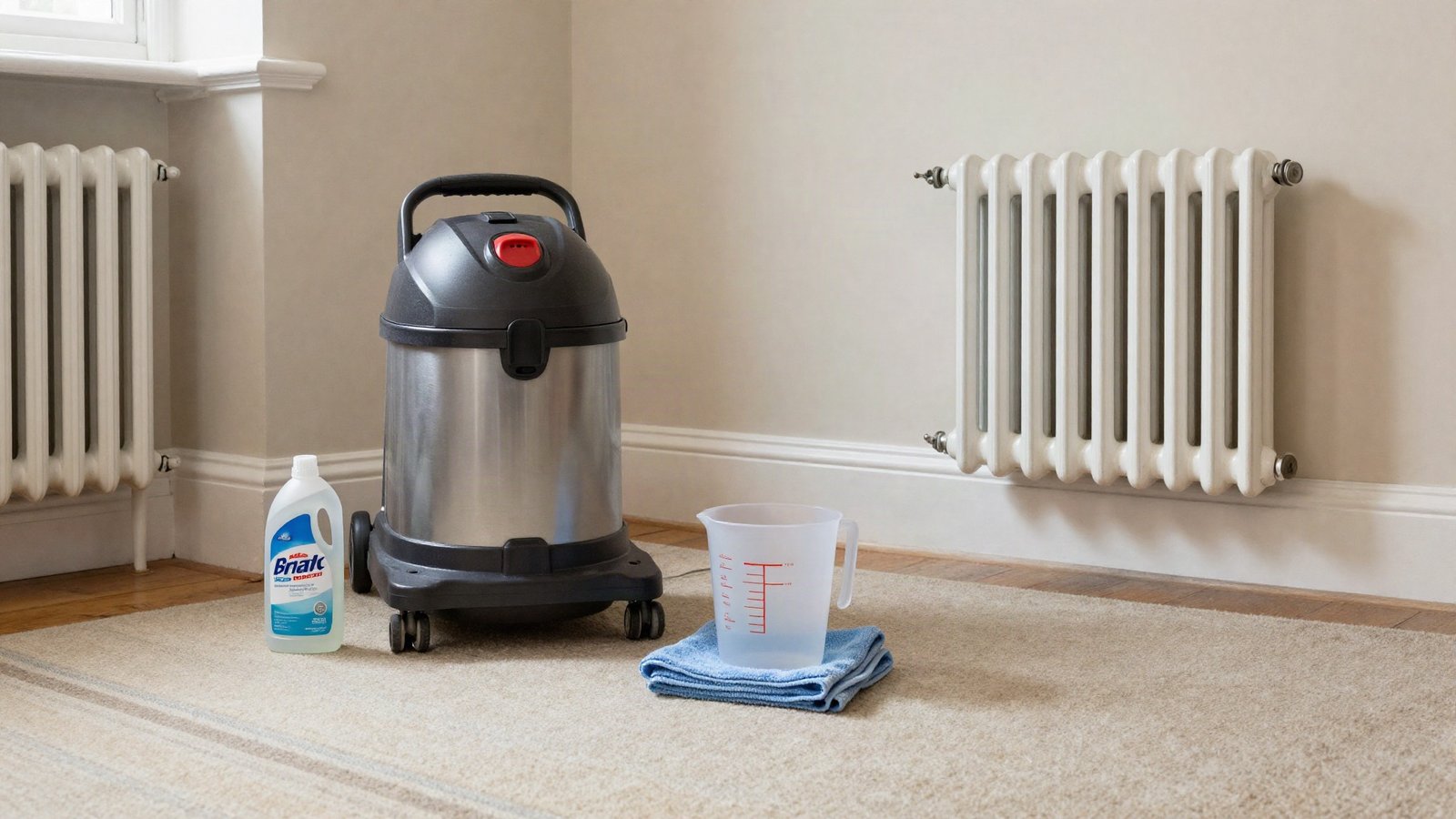
- •Too much solution. Double-dosing leaves detergent in the pile, it attracts soil, and the carpet looks filthy again in three weeks. Measure it.
- •Washing-up liquid instead of proper concentrate. It foams into the motor housing and never fully rinses out.
- •Skipping the vacuum. Around 80% of what is in a carpet is dry soil, and wetting it turns it to mud.
- •Ignoring fibre type. Wool and wool-rich carpets need pH-neutral products; strongly alkaline supermarket solutions cause browning and can bleach the dye. Check what your carpet is made of before the first pass.
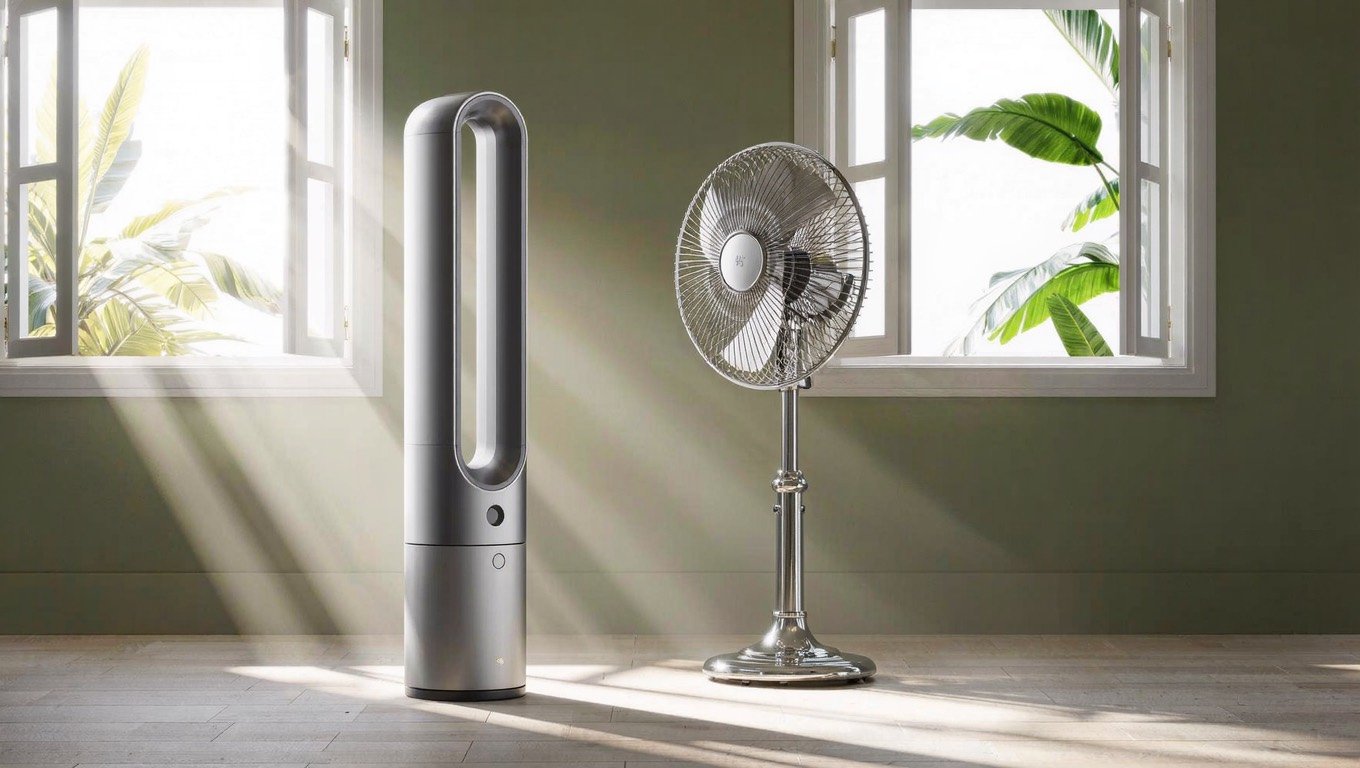
- •Not managing drying. Open a window, put a fan on the floor and keep off it for four hours. Heat alone does not dry a carpet; moving air does.
- •Buying an upright when 90% of the need is spills. A portable spot machine and a good stain remover covers most family accidents for under £180.
The verdict
Pets or small children plus more than two carpeted rooms: buy the machine. It pays for itself inside two years, and the value is speed of response rather than deep-clean quality. Wool carpet, no pets, one clean a year: pay a professional and spend the difference on making the carpet last. Everyone else should hire twice before deciding.
Found this useful?
There's plenty more — hundreds of guides and honestly-tested product reviews for every corner of your home.
Browse All Guides