Carpets & Flooring · 6 min read · 4 July 2026
Carpet Types Explained: Wool, Nylon, Polypropylene & How to Choose
We see how every carpet ages, stains and cleans — knowledge carpet shops don't have. Here's what each fibre and pile is really like to live with.
By the Nims Casa editorial team — written from professional cleaning experience and checked against our editorial standards.
Carpet shops can tell you how a carpet looks on the day it's fitted. We can tell you what it looks like in year five, because we're the ones called out to steam-clean it, patch a scorch mark near the fireplace, or explain why the hallway has gone bald in a dead straight line to the front door. That's a different kind of expertise, and it changes which carpet we'd actually choose for our own homes.
This guide walks through the fibres that matter — wool, nylon, polypropylene and polyester — the pile styles that decide how forgiving a carpet is day to day, why underlay is half the budget nobody thinks about, and which combinations suit which rooms, plus realistic 2026 UK prices and the buying mistakes we see most often.
Get the fibre and pile right for the room, and a mid-price carpet on decent underlay will comfortably outlast a premium carpet bought on looks alone.
Carpet fibres compared: wool, nylon, polypropylene and polyester
Fibre is the single biggest factor in how a carpet performs, cleans and ages — more important than colour, pattern or even price. Here's how the four fibres you'll actually be offered compare in real UK homes.
- •Wool: the benchmark for looks and feel. Its natural lanolin repels spills briefly, it bounces back after furniture is moved, and it insulates well. Expect £35–£70 per m² fitted. It fades in strong sun, hates bleach or high-alkali cleaners, and is vulnerable to carpet moths. An 80/20 wool-nylon twist keeps most of the look with better resilience for around £28–£45 per m².
- •Polypropylene: the budget option, and the only fibre that's genuinely bleach-cleanable, since the colour runs through the plastic rather than sitting on the surface. At £8–£18 per m² it's hard to beat for rentals and tight budgets. It shrugs off water-based stains, but oil and grease bind to it, and with almost no natural spring it flattens permanently in traffic lanes within a couple of years.
- •Nylon (polyamide): the durability champion. It springs back from crushing far better than polypropylene, takes stain treatment well, and holds colour vividly. At £15–£35 per m² it's usually the right call for busy family rooms when a full wool budget isn't there.
- •Polyester: soft underfoot, in strong, vivid colours, at £12–£25 per m², with decent built-in stain resistance. It doesn't recover from crushing as well as nylon, so it suits bedrooms better than stairs or hallways.
Pile styles: twist, saxony, loop and cut-and-loop
Fibre decides durability; pile construction decides how a carpet actually behaves underfoot and how well it hides everyday life.
- •Twist (twist pile or frieze): tightly twisted, heat-set tufts giving a slightly textured, casual finish. It's the UK's default — it hides footprints and vacuum lines well and wears evenly almost anywhere in the house.
- •Saxony/plush: a smooth, deep, luxurious pile that feels wonderful underfoot but shows every footprint and vacuum stroke. Reserve it for bedrooms and formal sitting rooms rather than hallways or stairs.
- •Loop/Berber: level loops that are genuinely hardwearing and add texture, but they can snag on pet claws or a wheeled office chair, and flatten under furniture castors. Fine for busy households without cats or dogs.
- •Cut-and-loop (sculpted): a mix of cut and looped tufts that creates a pattern brilliant at disguising soil and vacuum marks — it's had a quiet revival for 2026 as a middle ground between plush looks and Berber toughness.
Underlay: the invisible half of the budget
It's tempting to spend the whole budget on the carpet itself, but a mid-range carpet on excellent underlay will outperform an expensive carpet on cheap underlay for comfort, warmth, noise and lifespan — underlay absorbs the impact that would otherwise crush the pile.
PU foam underlay (10–11mm, roughly £6–£12 per m²) suits bedrooms and lounges. Crumb rubber (£8–£15 per m²) is denser and copes best with the constant flexing of stairs — see our stair carpet guide for fitting specifics on the hardest-working floor in the house. Whatever you choose, never reuse old, compacted underlay under a new carpet: it prints its old traffic lanes straight through the new pile within months.
Matching carpet to the room
The right fibre and pile changes by room, and getting this wrong is the single biggest source of buyer's regret we see.
- •Hallways and stairs: twist pile in nylon or a wool-nylon blend, mid-tone and flecked rather than plain, on dense underlay — this is the highest-traffic, highest-visibility flooring in the house.
- •Living rooms: twist or cut-and-loop in nylon or wool-blend copes with daily footfall and furniture without showing every mark.
- •Bedrooms: saxony or plush in polyester or wool is fine here — traffic is light, so the softness matters more than resilience.
- •Kids' rooms and playrooms: polypropylene twist, bleach-cleanable and inexpensive enough not to panic over spilt juice or paint.
- •Homes with pets: skip loop and Berber piles, which snag on claws; a polypropylene or nylon twist is more forgiving, and it's worth keeping our carpet stain remover picks to hand for accidents.
What carpet actually costs in the UK (2026)
Budget polypropylene twist runs £8–£18 per m² fitted; mid-range nylon or polyester £15–£35; wool-rich carpet £28–£70 or more. For a typical 12m² bedroom that's roughly £100–£220 budget, £180–£420 mid-range, or £340–£840 for wool. Add underlay (£6–£15 per m²) and gripper rods plus fitting labour (£3–£6 per m²) on top — get a quote that itemises all three, and see our full flooring installation cost guide for the wider picture.
Wool also needs professional cleaning to stay within warranty and avoid over-wetting the backing — budget for this every 12–18 months in busy rooms. Our carpet cleaning cost guide breaks down typical UK call-out prices by room and size.
Common carpet-buying mistakes to avoid
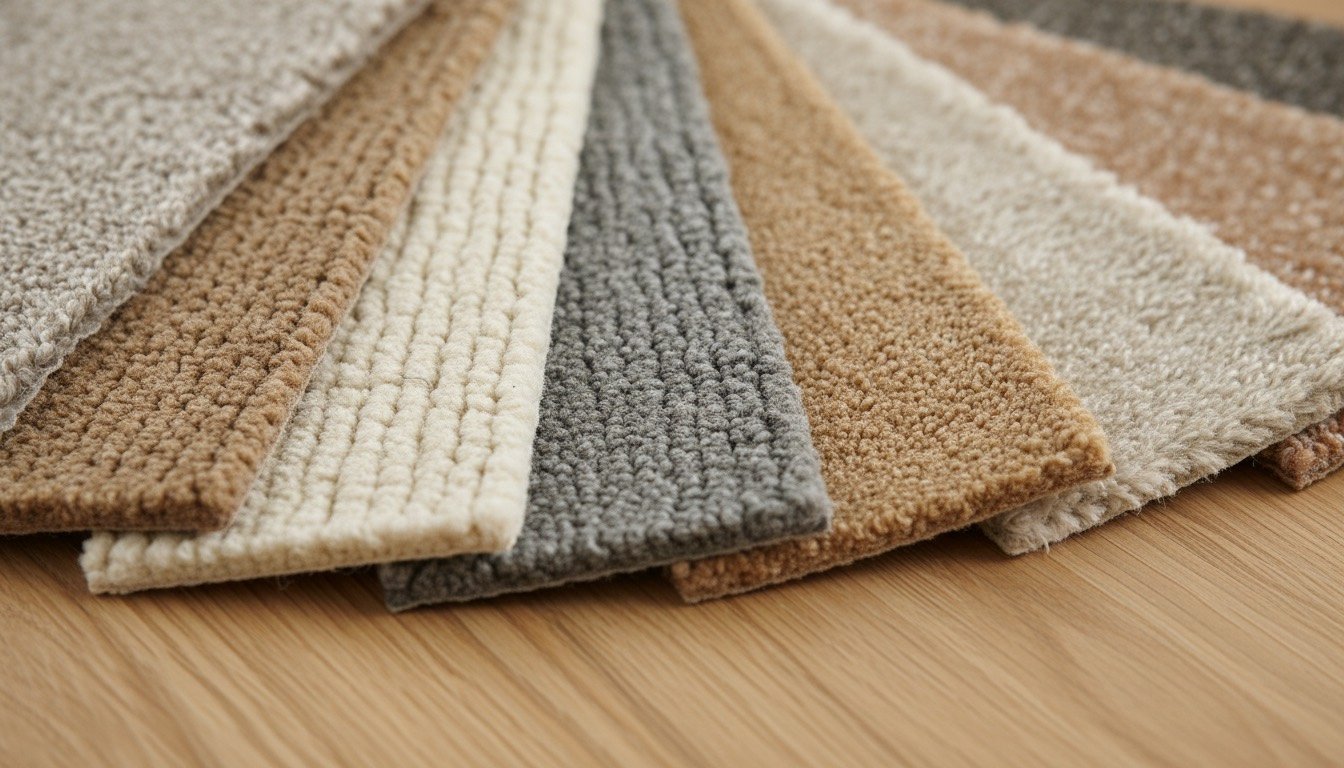
- •Choosing on colour under shop lighting alone — take swatches home and check them in daylight and under a lamp, since carpet colour can shift noticeably between the two.
- •Skimping on underlay to afford a fancier carpet — usually the wrong trade-off, since underlay does more for comfort and lifespan than the last few pounds per metre of carpet quality.
- •Fitting saxony or plush pile on stairs or in a hallway, where it will show wear within a season.
- •Reusing old underlay or gripper rods to save money — old underlay is usually compacted and will telegraph its wear pattern through the new carpet.
- •Forgetting fire safety labelling on stair carpet — UK building regulations expect stair coverings to meet recognised flammability standards, so check the label before you buy.
Frequently asked questions
**How long should a good carpet last?** Wool can reach 15–20 years in a well-cared-for home, nylon typically 10–15, and polypropylene 5–10 depending on traffic. Our guide to making carpet last longer covers the habits that push any fibre toward the top of its range.
**Is wool carpet worth the extra cost?** If you'll commit to professional cleaning and keep direct sun off it, yes. If the budget is tight or the room gets heavy daily traffic from kids or pets, a wool-nylon blend or straight nylon is the more sensible choice.
**Can I clean any carpet with a rented steam cleaner?** Not safely. Wool can shrink or discolour if it's over-wetted, so it generally needs professional attention rather than a hired machine. Synthetics are far more forgiving — our steam cleaning vs shampooing comparison explains which method suits which fibre.
**What carpet is best for allergies?** A dense, low pile in nylon or polypropylene traps less dust than a deep saxony, and regular vacuuming matters more than the fibre — a machine with strong suction and good filtration, as in our vacuum cleaner reviews, makes the bigger difference.
**Does more expensive always mean more durable?** No. Price mostly reflects fibre quality and finish, not automatically wear resistance — a well-made nylon twist can outlast a poorly constructed wool saxony in a busy hallway. Check pile density and twist level, not just the price tag.
Found this useful?
There's plenty more — hundreds of guides and honestly-tested product reviews for every corner of your home.
Browse All Guides