Heating & Cooling · 6 min read · 14 August 2026
Boiler Service Before Winter: Why August Booking Beats October Panic
Engineers are quiet in August and slammed by October. How to tell a proper boiler service from a ten-minute wipe-down, what it should cost, and which checks you can legally do yourself.
By the Nims Casa editorial team — written from professional cleaning experience and checked against our editorial standards.
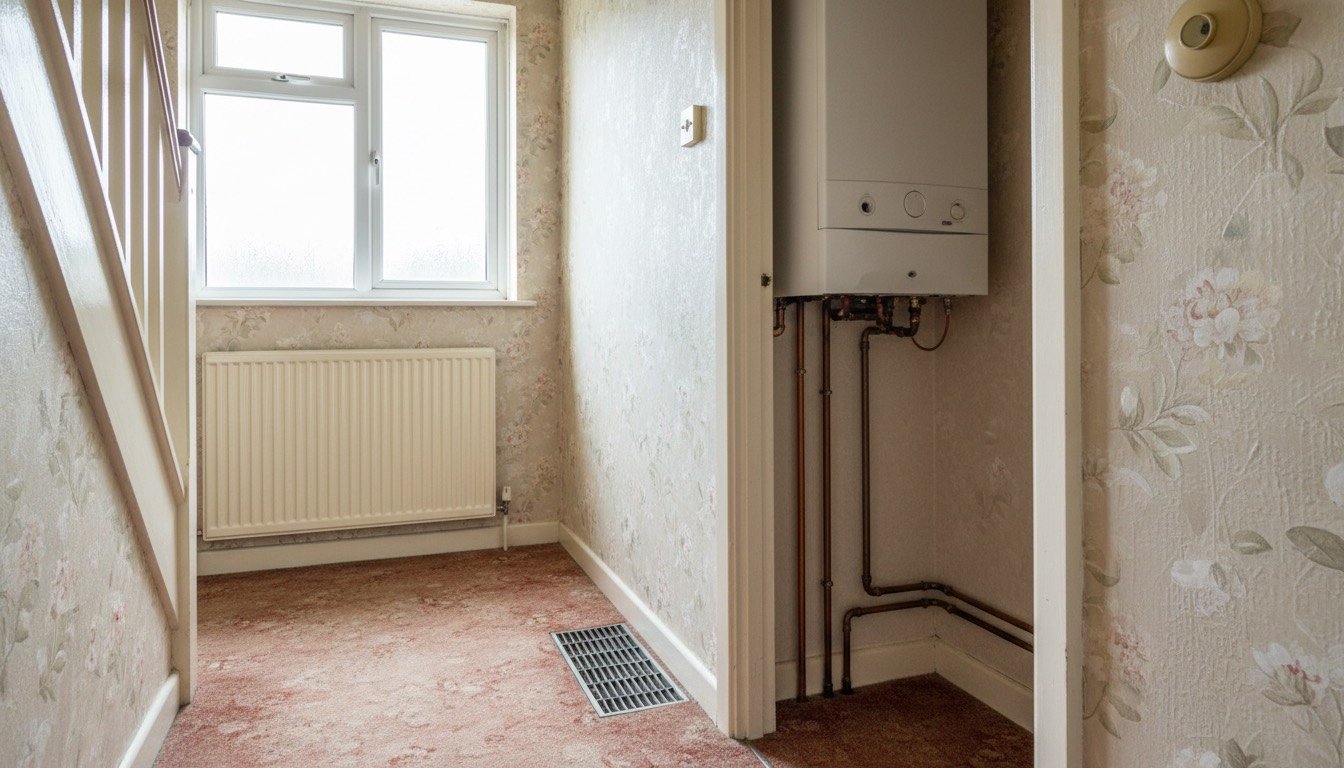
The first cold snap of October fills every Gas Safe engineer's diary for three weeks solid, and anyone whose boiler locks out that morning joins a repair queue just as call-out rates peak. In August those same engineers are quiet — most will fit you in within days, many discount to keep the van moving, and any failing part gets replaced while the weather is still warm. Most homes do not switch on properly until October — our guide to when to turn the heating on covers that timing — which is exactly why early-autumn slots are easy to book.
An annual service is not a box-ticking exercise either. It keeps the manufacturer's warranty valid, catches wearing parts while they are still cheap to swap, and picks up carbon monoxide risks before the windows stay shut for six months. Here is what a genuine service involves, what it costs, and how to tell which appointment your boiler actually needs.
What a boiler service actually is
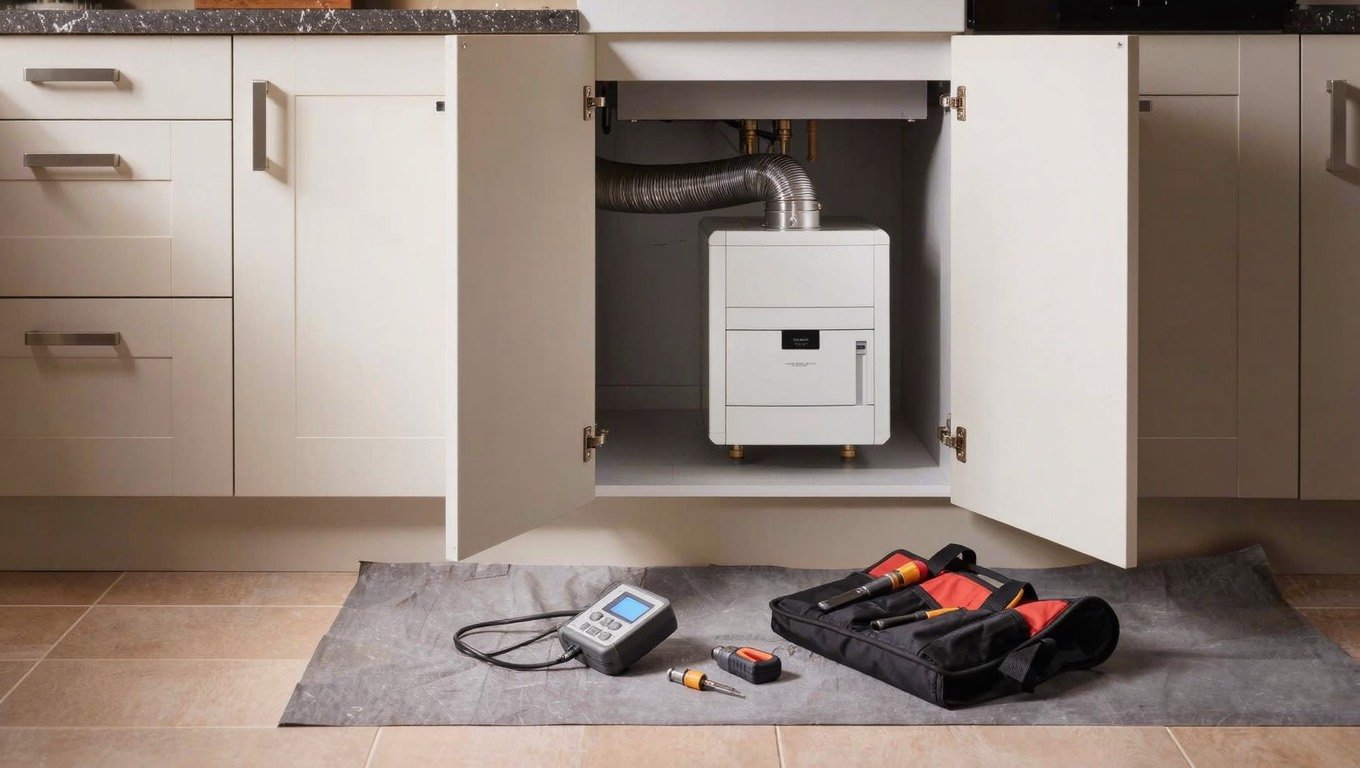
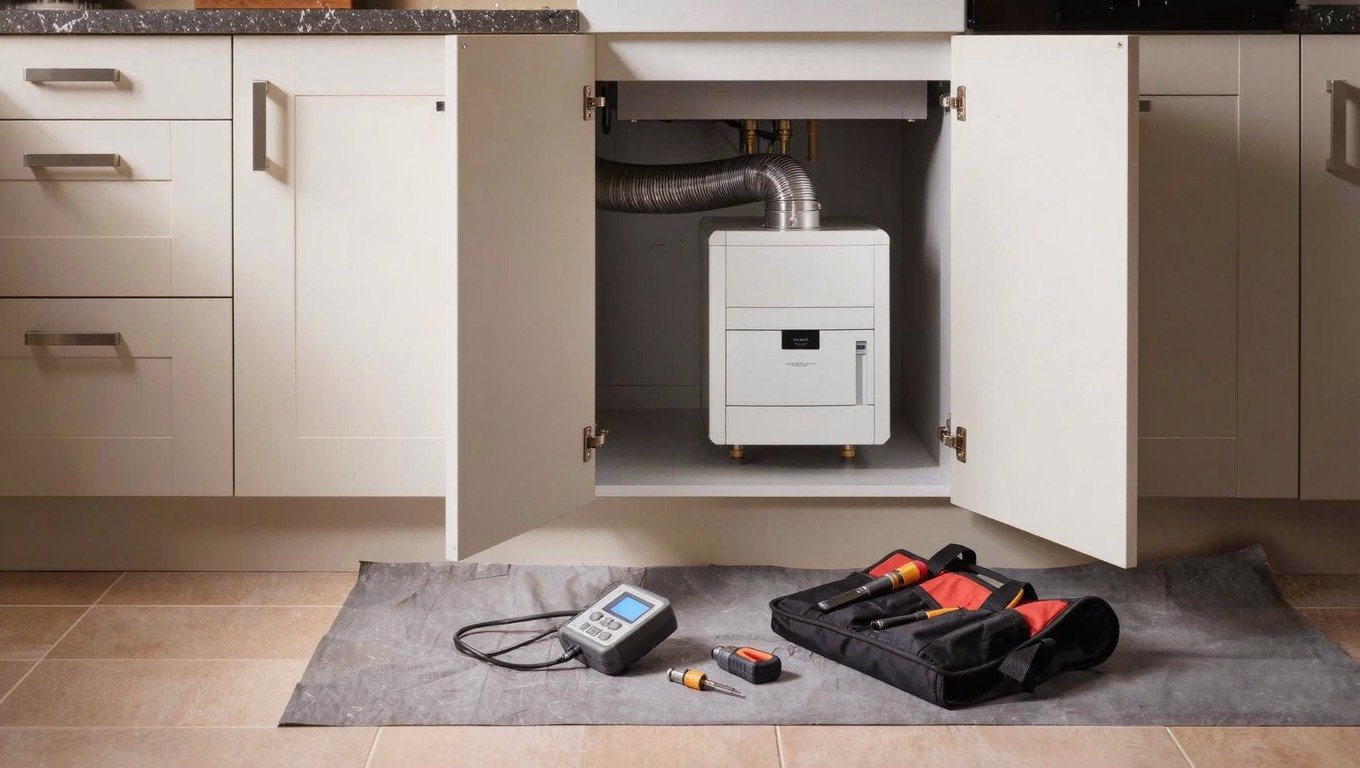
A boiler service is an annual inspection, clean and combustion test carried out by a Gas Safe registered engineer. On a modern combi it takes 45-60 minutes: the engineer removes the casing, inspects the burner, heat exchanger, ignition electrodes, seals and fan, cleans the condensate trap, checks the gas inlet pressure and gas rate against the data plate, and finishes with a flue gas analyser reading that proves the boiler is burning cleanly, recorded on a written or emailed report.
That report matters, because a cheaper product is sold under the same name. An engineer who wipes the casing, glances at the flame and leaves inside ten minutes has done a visual check, not a service. If the casing never came off and no analyser readings were recorded, it was not a service, whatever the invoice says — and warranty providers routinely reject that paperwork.
Why August beats October
Booking in late summer buys three things autumn cannot. Choice: a well-reviewed local firm rather than whoever still answers the phone. Price: summer rates of £60-£85 against £80-£120 once demand spikes. Time: if the engineer condemns a worn fan or a tired expansion vessel, the part is fitted in warm weather, not during a fortnight-long cold-snap backlog.
There is a warranty angle too. Most warranties require a service every 12 months counted from the installation date, not the calendar year — miss the window by a few weeks and some manufacturers void the remaining cover. Check the installation date before you book. The same week is a good time to work through a wider winter heating system checklist so the rest of the system is ready too. While you wait for the visit, checking your boiler flow temperature is a free tweak most engineers would approve of.
First, work out what you actually need
"Service" gets used as a catch-all for several different jobs, and booking the wrong one wastes money. Match your situation before you ring anyone:
- •Boiler runs fine but has not been serviced in the last 12 months: book a standard annual service. This is maintenance, not repair.
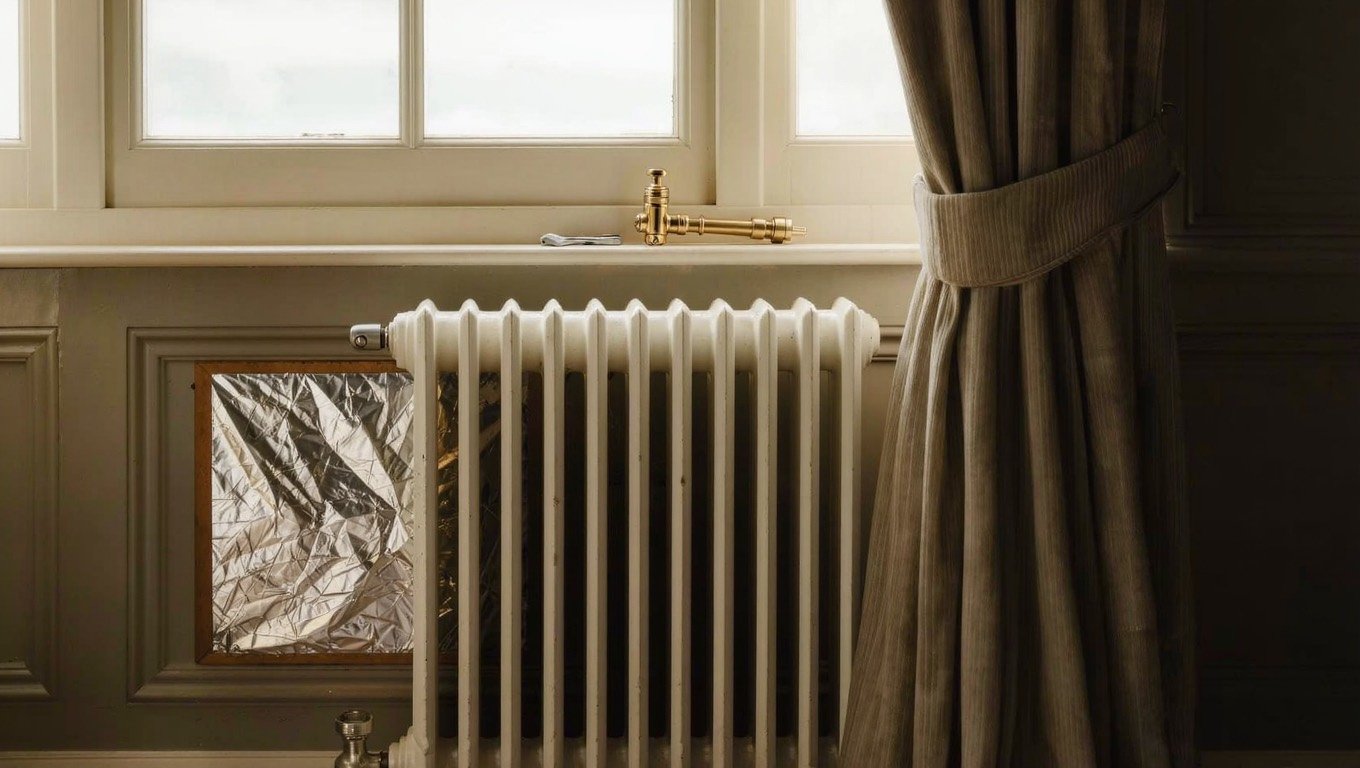
- •Pressure keeps dropping, or radiators are cold at the top: that is a system issue, not a boiler fault. Bleed the radiators and repressurise yourself first; if the pressure falls again within days, book a repair visit and mention a suspected leak.
- •Error codes, kettling noises, lockouts, lukewarm hot water: book a repair and say so on the phone — an engineer who arrives expecting a routine service will need a second appointment.
- •You are a landlord: the annual CP12 gas safety certificate is a legal requirement, but it is a safety check, not a service. Most engineers will do both in one visit for £110-£150, cheaper than two call-outs.
- •Boiler is 12-15 years old with repairs mounting: get the service, but ask for an honest verdict while the casing is off — past that age the money is often better put towards a replacement, typically £2,000-£4,500 installed.
What a proper service includes
Use this as a checklist against the engineer's worksheet:
- •Casing removed; burner, heat exchanger, electrodes and fan visually inspected
- •Flue gas analyser test, with CO and CO2 ratio readings recorded
- •Gas inlet working pressure and gas rate checked against the data plate
- •Flue and terminal inspected for secure fit, sound seals and correct clearances
- •Condensate trap and pipework checked and cleaned
- •System pressure checked and the expansion vessel recharged if needed
- •Safety devices tested and the boiler run through a full heat cycle
- •Written report issued, with any advisories in writing
What it costs in 2026
A one-off annual service costs £70-£120 across most of the UK, with London and the South East at the top of the band and summer promotions dipping to £60-£75. Oil boilers run £90-£140 because the burner strip-down takes longer. If a part needs replacing, the engineer is already on site, so you pay parts plus a modest top-up rather than a fresh call-out fee.
Service contracts — typically £15-£30 a month with a call-out promise — mainly suit older, out-of-warranty boilers. On a boiler under seven years old that is £180-£360 a year to insure against faults the warranty already covers; a £75 one-off service almost always works out cheaper. Either way, keep every invoice and report in one folder: a warranty claim without an unbroken service history is routinely refused.
DIY checks that are legal — and where Gas Safe territory starts
Under the Gas Safety (Installation and Use) Regulations 1998, only a Gas Safe registered engineer may work on a gas appliance — and that includes removing the boiler casing. What you can legally do is everything outside it, and doing these checks monthly means the annual visit finds fewer surprises:
- •Check the pressure gauge reads 1-1.5 bar cold; top up via the filling loop if it drops below 1 bar
- •Run the heating 10-15 minutes monthly through summer to keep the pump and diverter valve free
- •Bleed any radiators that are cold at the top, then re-check the pressure
- •Test the carbon monoxide alarm button monthly and replace the unit every 5-7 years
- •Check the external flue terminal is unobstructed and the condensate pipe outside is intact and lagged
- •Confirm the thermostat and timer genuinely call for heat when set
Boiler service FAQs
A carbon monoxide alarm within a few metres of the boiler is non-negotiable — our guide to preventing carbon monoxide poisoning covers placement and alarm choice. If the controls are the weak point rather than the boiler, setting the programmer properly costs nothing and often saves more over a winter than the service fee. The questions engineers hear most:
- •How often should a boiler be serviced? Every 12 months, timed from installation or the last service. Warranties are strict about this.
- •How long does it take? 45-60 minutes for a gas combi; up to 90 for an oil boiler or a neglected system.
- •Is it worth servicing an out-of-warranty boiler? Yes — a clean burner restores efficiency, and the safety checks matter more as boilers age, not less.
- •Does a service include a power flush? No. That is a separate £300-£500 job for sludged systems; a service may recommend one but never includes it.
- •Can I skip a year if the boiler seems fine? A live warranty dies with the missed service, and the faults a service catches — cracked electrodes, pinholed condensate traps, partially blocked flues — give no warning at all.
Found this useful?
There's plenty more — hundreds of guides and honestly-tested product reviews for every corner of your home.
Browse All Guides