Heating & Cooling · 6 min read · 23 September 2026
When to Turn the Heating On in Autumn 2026 and Spend Less
There is no single UK date for switching the heating on. Use the temperature indoors, the needs of your household and the way your home responds to autumn weather.
By the Nims Casa editorial team — written from professional cleaning experience and checked against our editorial standards.
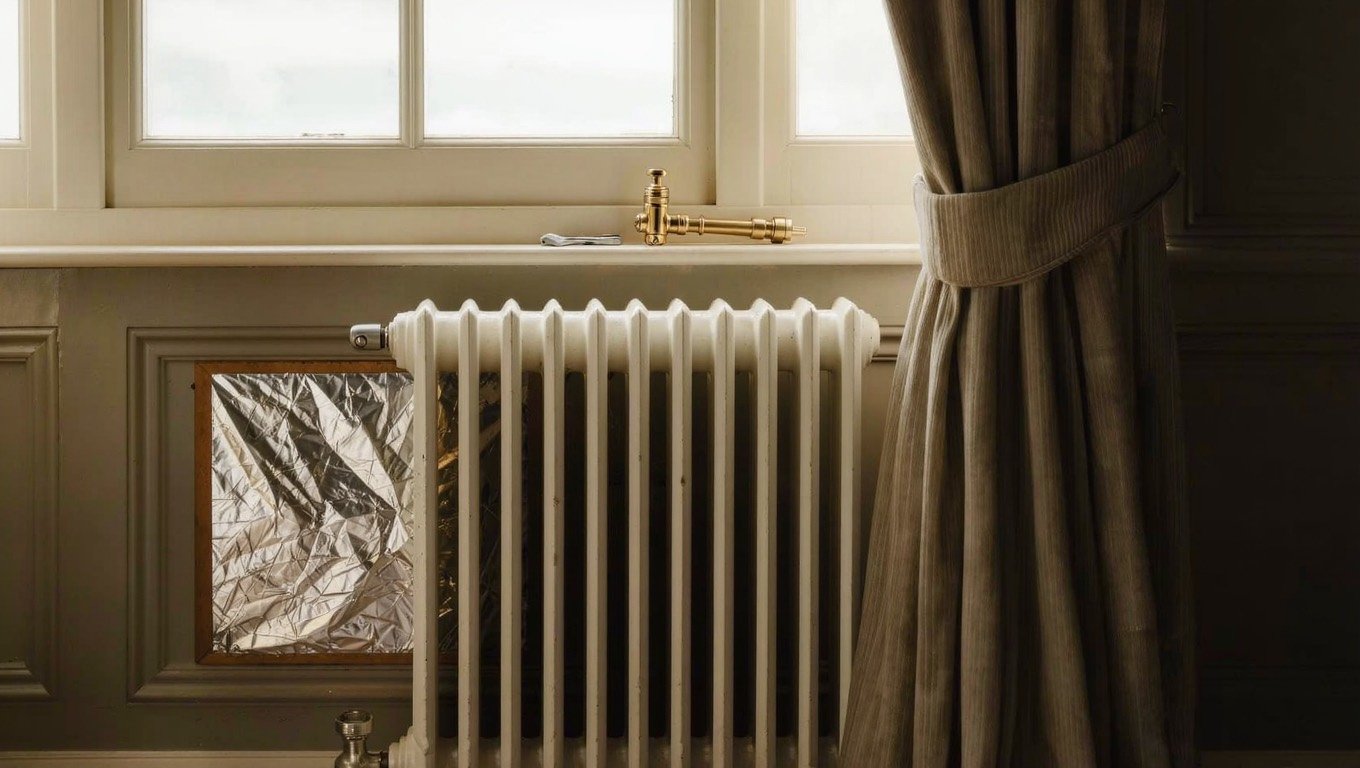
There is no correct national date for turning the heating on. A well sheltered home in the south of England may feel comfortable while another property, or a home farther north, already feels cold enough to need regular heating. The better question is not what date other households have chosen, but what is happening inside your own home.
That matters in a changeable autumn. The Met Office forecast for 23 September says Atlantic frontal systems are bringing spells of rain, showers and occasional strong winds, with the wettest and windiest conditions most likely across Scotland and Northern Ireland. England and Wales may also see wet and windy periods, although drier spells are expected between systems.
Temperatures are slightly above normal overall, according to the Met Office, so this is not a simple case of switching the heating on and leaving it running for the season. The first few weeks are better treated as a period of adjustment, with the building, the household and health needs guiding the decision. Warmer bedding buys time too — see choosing the right duvet tog for autumn — though it is a comfort aid, not a substitute for keeping vulnerable rooms warm enough.
Decide by the house, not the calendar
Start by paying attention to the rooms you actually use. If bedrooms and living areas are staying comfortable without central heating, there is no need to copy a date chosen by a neighbour or posted online. If those rooms are becoming persistently cold, the answer may be different even when afternoons still feel mild outside.
Think about how quickly your home cools after a settled spell ends, whether certain rooms feel noticeably colder than others and who spends the most time at home. Autumn weather can move between wet, windy conditions and calmer periods, so a fixed seasonal start date can be less useful than checking what the house is doing from day to day. The decision is about comfort and health in that particular building, not winning an argument about how long everyone can hold out.
Treat 18°C as a health floor, not a savings target
Guidance brought together by Smart Energy GB from the Energy Saving Trust, the NHS and the UK Health Security Agency says a home should be heated to at least 18°C, particularly in regularly used rooms such as a bedroom or living room. This is especially important where someone is elderly, a child or has a chronic illness.
That 18°C figure is a health point, not a challenge to see how close you can stay to the minimum. If somebody in the household is at greater risk from a cold home, do not delay heating simply to save money. Smart Energy GB also says central heating thermostats in most households are typically set between 18 and 21°C. The useful approach is to find a setting that keeps the home appropriately warm without turning the thermostat higher than the household needs.
What the October price cap changes
Ofgem says the energy price cap for a typical household paying by direct debit rises from £1,663 to £1,723 a year for the period from 1 October to 31 December 2026. That is a 4% rise, equivalent to about £60 a year or £5 a month for a typical household under the cap.
The change does not affect every bill in the same way. Ofgem says around 35% of households, roughly 11 million, are on fixed tariffs and are not affected by the price cap change. It also says fixed tariff options are available at £100 or more below the October cap. If you want the detail before making tariff decisions, our guide to the October price cap explains the change. The important point for the heating decision is simpler: cost matters, but it does not create a universal date for switching the heating on.
What to do in the week before the heating goes on
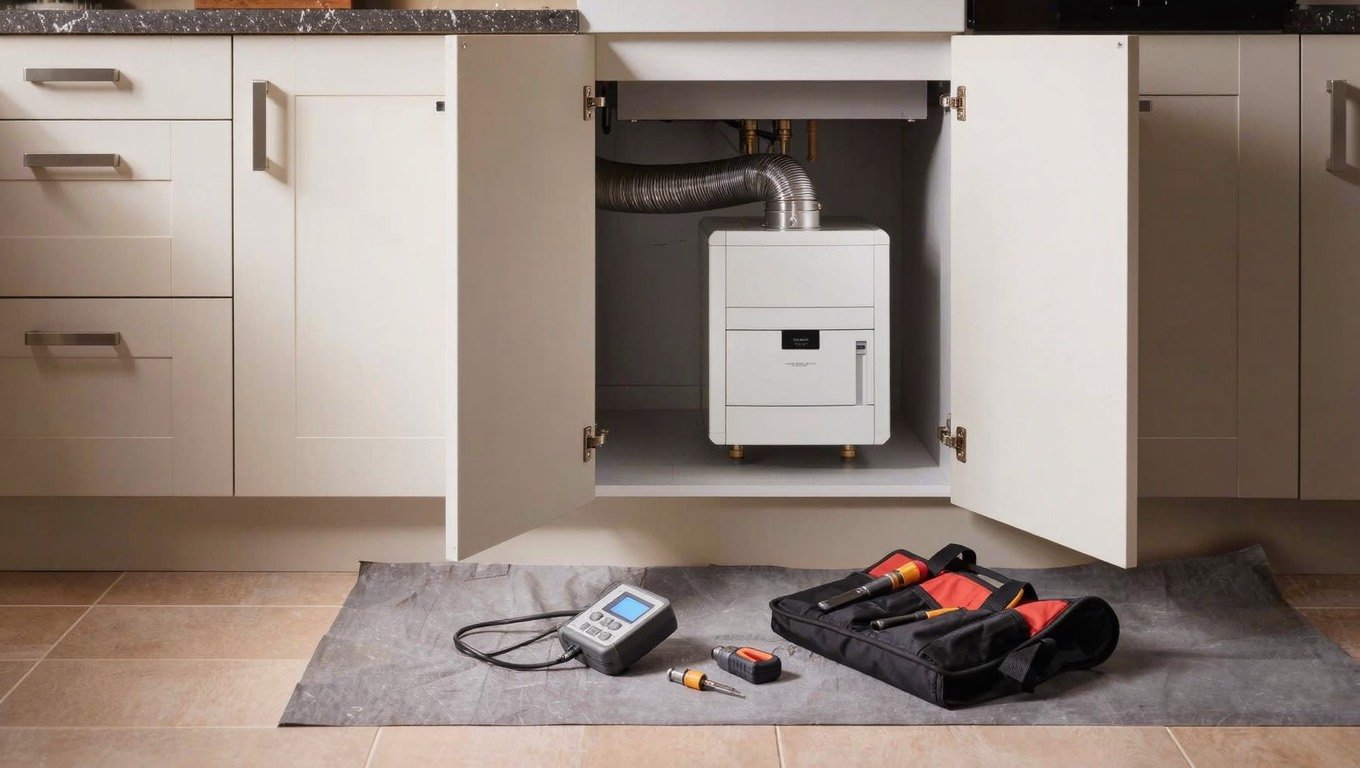
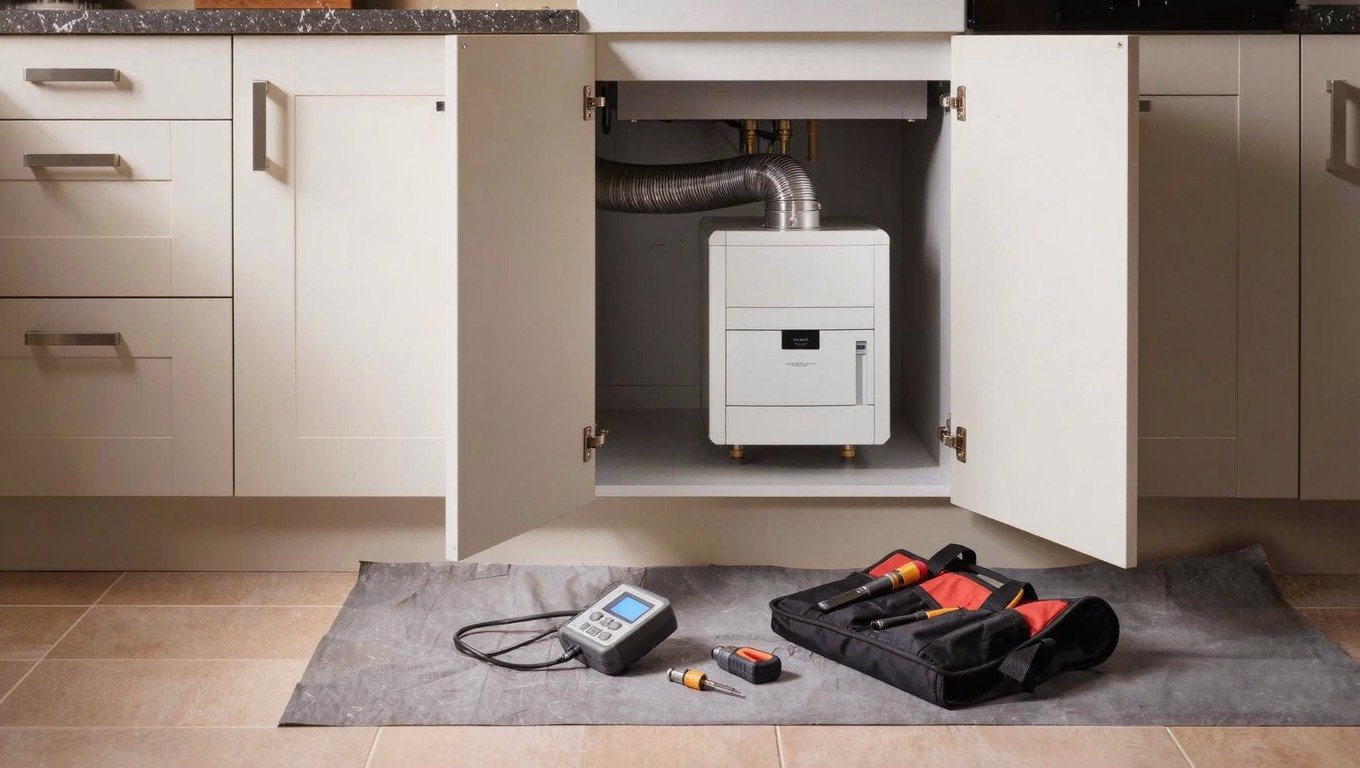
A short check before the first regular use can make the changeover calmer and help you spot small problems before a colder spell arrives. Work through the system while the weather is still mixed rather than waiting until the house feels uncomfortably cold. The same session is a good time to check the boiler flow temperature, which decides how efficiently a condensing boiler runs all winter.
- •Turn the heating on briefly and check that the system responds when the thermostat calls for heat.
- •Walk through the house and check each radiator rather than assuming the whole system is behaving the same way.
- •If a radiator is not warming properly, follow the correct steps to bleed your radiators and check the system afterwards.
- •Make sure furniture, curtains and stored items are not crowding the radiators you rely on most.
- •Review the thermostat setting instead of simply returning to whatever was used last winter.
- •Check your heating controls and make sure any programme still matches when the household is normally at home.
- •Use a winter heating system checklist to catch maintenance jobs you may otherwise overlook before regular use begins.
Make the first few weeks flexible
Autumn is exactly when rigid heating habits make the least sense. The Met Office expects drier and more settled spells between Atlantic systems, especially in the south and east, so a setting that feels right through several wet days may be unnecessary when milder conditions return.
Use the thermostat and controls to respond to the house rather than treating the first switch on as the start of an unbroken winter routine. Smart Energy GB says turning a thermostat down by 1°C could save money each year, although the amount depends on where you live and the price you pay for energy. That does not mean lowering the temperature below what is appropriate for the people in the home. It means checking whether the heating is set higher than needed and making careful adjustments where comfort and health allow.
Small building issues also become easier to notice once the heating is running. If cold air is making one area uncomfortable, look at sensible draught-proofing rather than automatically raising the thermostat for the entire house.
Should I turn the heating on now in the UK?
There is no national date you need to follow. Decide from the conditions inside your home, the people living there and how the building behaves as the weather changes. If regularly used rooms are becoming too cold, particularly where a child, an older person or someone with a chronic illness lives in the home, the health guidance on keeping rooms at least 18°C should take priority over trying to delay the heating.
If the home remains comfortable during a mild spell, you do not need to switch to a full winter routine simply because autumn has arrived. The current Met Office outlook is changeable rather than uniformly cold, so reassessing as conditions shift is more useful than choosing one fixed date.
What temperature should I set my thermostat to in autumn?
Smart Energy GB says thermostats in most households are typically set between 18 and 21°C. Start with the needs of the people in your home and the rooms used most often rather than copying somebody else’s thermostat setting.
The key distinction is between using the thermostat thoughtfully and chasing the lowest possible number. The NHS and UK Health Security Agency guidance behind the 18°C recommendation gives you the health floor for regularly used rooms, particularly where somebody may be more vulnerable to cold. Above that, your household can adjust the setting according to comfort and how the home holds heat.
Does wet and windy weather mean the heating should stay on?
Not necessarily. The Met Office expects spells of rain, showers and occasional strong winds as Atlantic systems move through, but it also expects drier, more settled periods between them. That means conditions can change enough for the heating needs of the same home to change over a short period.
Judge what is happening indoors. A wet, windy spell may coincide with a house feeling colder and needing more regular heating, while a settled period may let you reduce it again. The useful habit in early autumn is to keep checking rather than making a once only decision. That gives you a practical way to balance comfort, health and cost without pretending there is one switch on date that suits every UK home.
Found this useful?
There's plenty more — hundreds of guides and honestly-tested product reviews for every corner of your home.
Browse All Guides