Heating & Cooling · 6 min read · 16 July 2026
Boiler vs Furnace: Wet Central Heating vs Warm Air in UK Homes
Ask a British heating engineer about a furnace and they will picture a foundry. But ducted warm air does exist in UK housing — and if you have it, the replace-or-convert decision is worth thousands.
By the Nims Casa editorial team — written from professional cleaning experience and checked against our editorial standards.
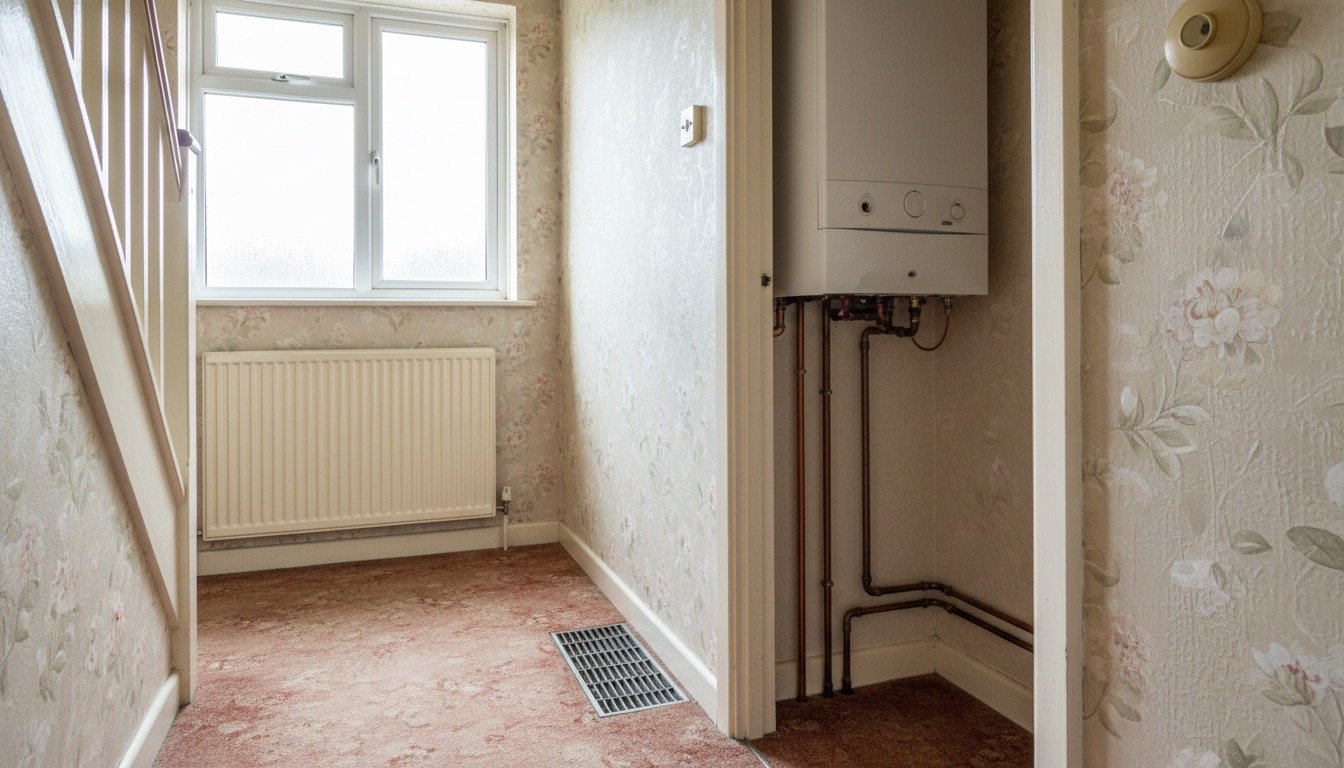
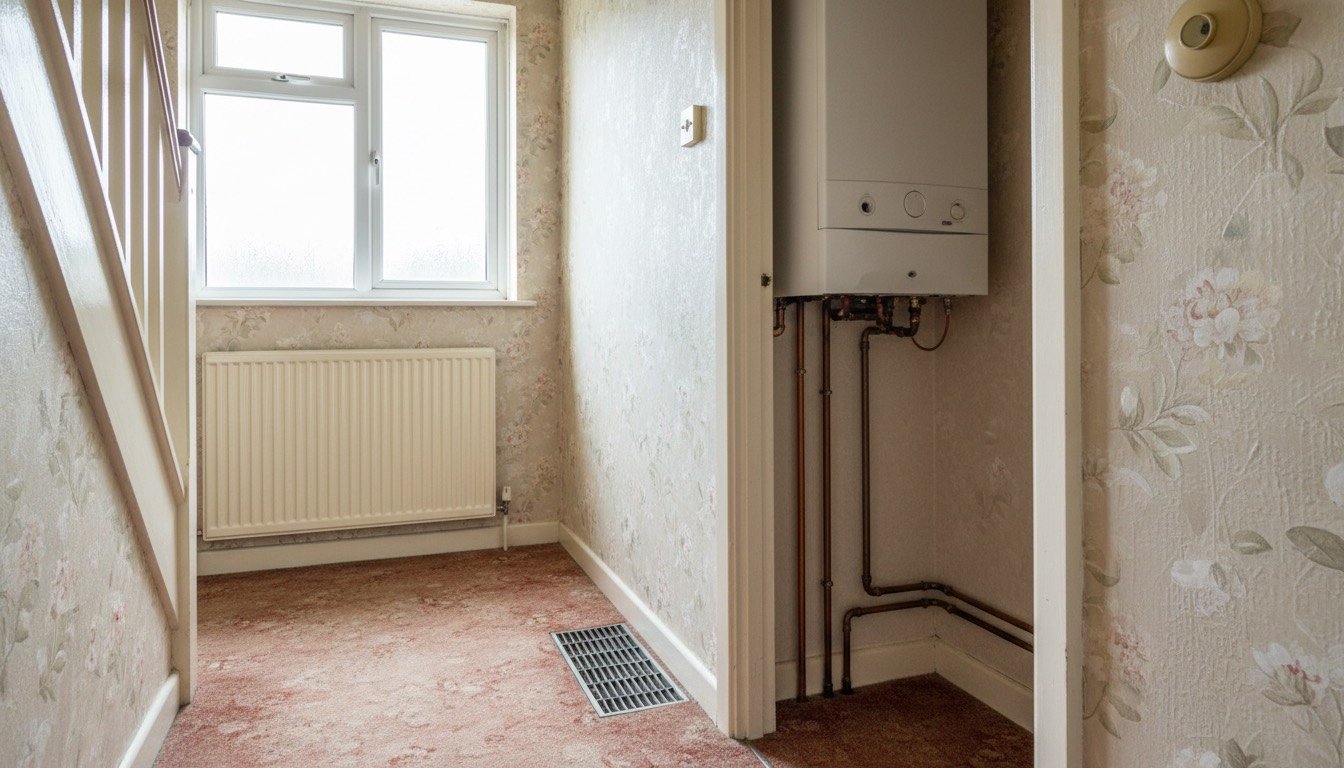
The word furnace is an American import, and it causes real confusion when UK homeowners read heating advice online. Over there it means a gas-fired box blowing hot air through ducts. Over here that exists in perhaps a hundred thousand houses — mostly 1960s and 70s estates fitted with a Johnson & Starley unit in the hall cupboard — while everyone else has a boiler pushing hot water round radiators.
So the honest UK version of this comparison is wet central heating versus ducted warm air. It matters to two groups: anyone with an ageing warm-air unit weighing replacement against conversion, and anyone buying a house with floor grilles instead of radiators.
What a "Furnace" Actually Means in a British House
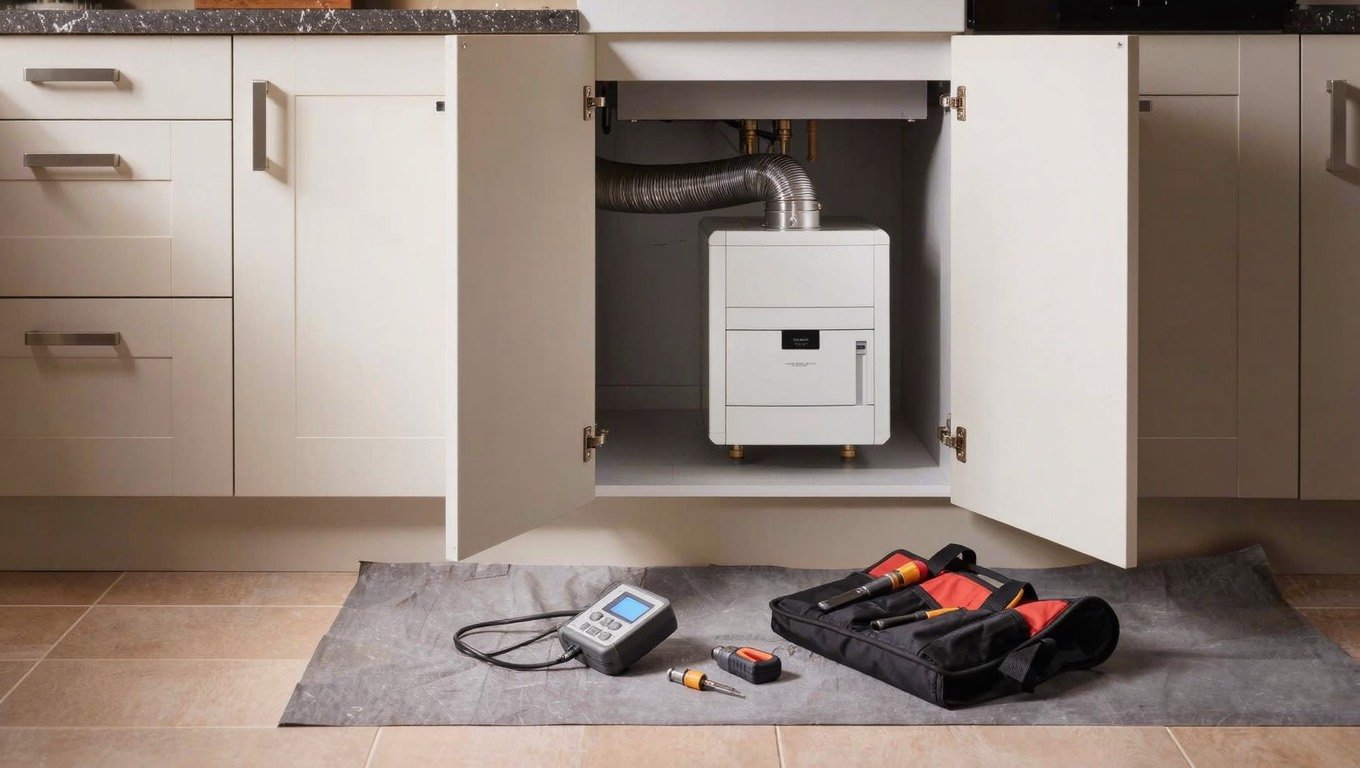
A warm-air unit burns gas in a heat exchanger and a fan pushes air across it into a plenum, then out through ducts buried in the floor slab or built into stud walls. Air leaves the grilles at roughly 40-55°C and returns through a large hall-wall grille holding a washable or disposable filter. Crucially, most domestic warm-air units heat air only — hot water comes from a separate immersion cylinder or multipoint heater.
A boiler does the opposite: it heats water to a flow temperature of 55-70°C and a pump circulates it to radiators or underfloor pipework, a combi also producing hot water on demand. Both sit under the same Heating & Cooling fundamentals — output must match heat loss, or nothing else fixes the cold rooms.
Boiler vs Furnace: The Side-by-Side
Stripped of marketing, the differences that change how you live are these.
- •Heat-up time: warm air reaches comfortable room temperature in 8-12 minutes; radiators need 30-45 minutes from cold.
- •Heat retention: warm air stops when the fan stops; radiators keep releasing heat for 30-60 minutes after the boiler cuts out.
- •Room-by-room control: boilers give thermostatic radiator valves and separate zones; warm air gives crude damper adjustment and one thermostat for the house.
- •Hot water: a combi handles heating and hot water in one appliance; warm air needs a separate electric immersion, the expensive way to heat water.
- •Efficiency: a modern condensing boiler runs at 89-93% seasonal efficiency; a surviving 1980s warm-air unit is realistically 62-72%.
- •Air quality: ducts move dust, and dry, fast-moving air aggravates asthma and shrinks timber.
- •Wall space and noise: radiators eat 1.2-1.8m of usable wall per room but are silent; grilles take no wall space, though the fan runs at 40-48 dB in the hall.
- •Parts and engineers: boiler spares are on the van; warm-air parts are specialist order and few Gas Safe engineers touch them regularly.
Performance: How Each One Feels to Live In
Warm air is genuinely brilliant at one thing — getting a cold house warm fast. In a poorly insulated 1970s semi in January that is no small advantage. The problem is what follows. Nothing stores heat, so temperature swings between fan cycles, and the system is only as good as its ductwork. Ducts running through unheated underfloor voids leak into the ground and, in plenty of houses we have opened up, are half full of builders' rubble.
Boilers trade speed for stability. Water and steel hold energy, so rooms drift rather than swing, and thermostatic valves let you run bedrooms at 16°C while the sitting room sits at 20°C. That zoning is the biggest comfort advantage, and it is why most cold-room complaints on wet systems are fixable — see why one room is colder than the rest for the diagnosis order. Radiators do need bleeding to hit rated output; 15 minutes bleeding and re-pressurising recovers more heat than people expect.
Installation, Servicing and the Real 10-Year Cost
A straight combi swap on an existing wet system runs £1,900-£3,200 for a three-bedroom house, or £2,800-£4,500 for a system boiler with an unvented cylinder. A like-for-like warm-air unit costs £2,600-£4,200, being a low-volume specialist product. Converting warm air to a wet system — boiler, radiators, pipework, making good the duct openings — is £5,500-£8,500, plus £400-£900 for flooring and decorating. Our boiler replacement cost breakdown covers the variables.
Servicing is annual for both: £80-£130 for a Gas Safe boiler service, £95-£160 for warm air and harder to book. Warm air has a cost boilers do not — the return-air filter, £8-£25, checked every 2-3 months in a house with pets, on the same logic as changing an air filter. A clogged filter drops airflow, overheats the exchanger and shortens the unit's life.
Worked example on 11,000 kWh of delivered heat a year at 6.5p/kWh: a 90% condensing boiler burns 12,200 kWh, £793 a year. A 68% warm-air unit burns 16,200 kWh, £1,053 — a £2,600 gap over ten years. Nursing a 30-year-old unit costs about £10,530 in gas, £1,200 servicing and a near-certain £3,000 replacement: £14,700. Converting costs £6,800 up front, £7,930 gas and £1,000 servicing: £15,700 — but you finish with zoned heating, mains-pressure hot water and a house that surveys better. Conversion pays back on comfort and resale, not fuel.
The Renter-Safe Version: Upgrades That Come Back Off the Wall
Tenants cannot change the heat source and should not try — anything gas is a Gas Safe matter, anything hard-wired is the landlord's. But the reversible layer holds most of the practical gain, and none of it touches your deposit if you photograph everything first and keep the original parts in a labelled box.
- •Smart radiator valve heads (£45-£70 each) screw onto existing valve bodies with no drilling; refit the originals on move-out.
- •Standard replacement TRV heads, £8-£15, if the fitted ones have seized — a five-minute swap that fixes an overheating bedroom.
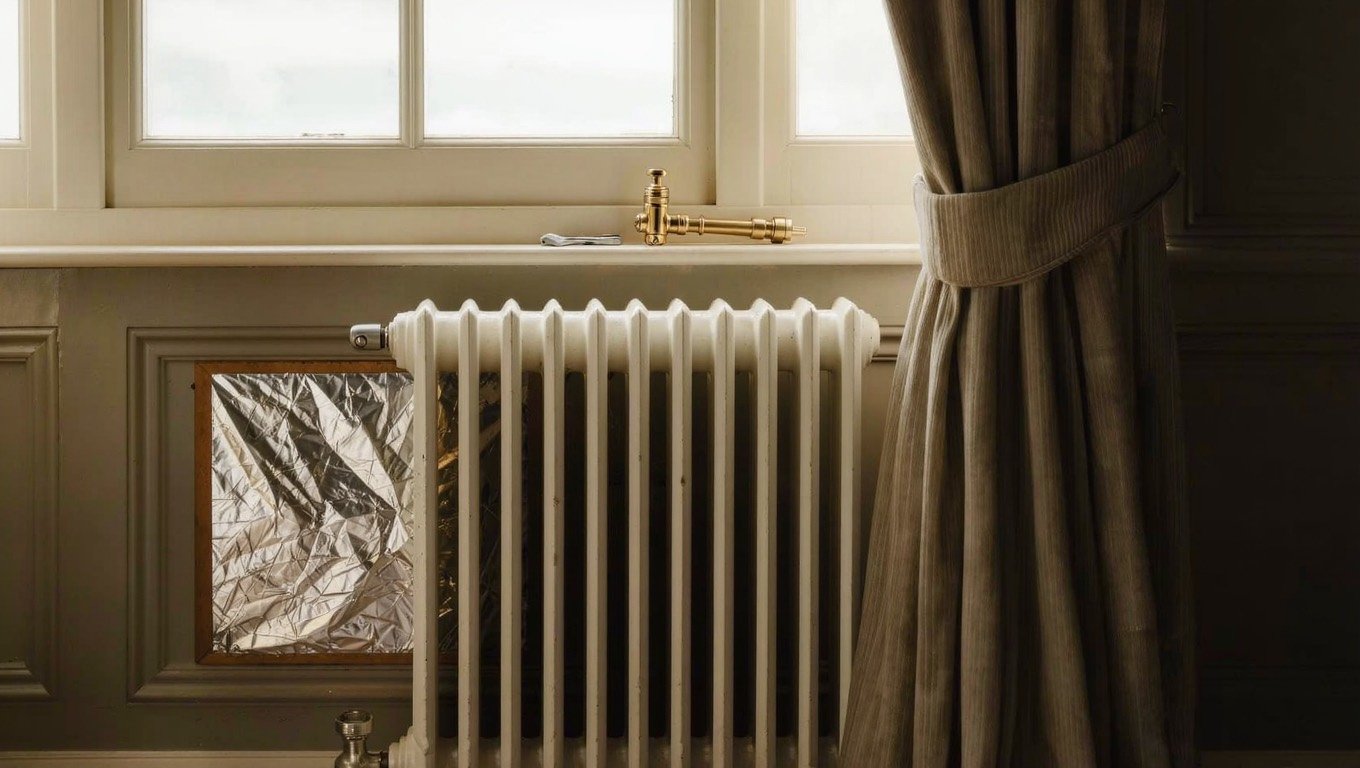
- •Reflective foil panels behind radiators on external walls, £12-£20 a pack, friction-fitted rather than glued.
- •Thermal-lined curtains on the existing pole, a floor-length draught excluder and a clip-on letterbox brush — no fixings, and the cheapest wins in draught-proofing.
- •In a warm-air house: change the return-air filter yourself — a consumable, not a repair — and stop blocking floor grilles with rugs and sofas, which alone can lift output 15-20%.
- •Ask for the current Landlord Gas Safety Record; it is required every 12 months and it is the polite way to raise a unit that is clearly failing.
Who Each Suits, and the Verdict
Warm air still makes sense in a narrow band of homes: small terraces and flats where wall space is genuinely scarce, houses with sound ductwork, and households wanting fast heat rather than steady whole-house warmth. A boiler suits everyone else — families, anyone with respiratory issues, anyone wanting underfloor heating later, and anyone selling within a decade, because surveyors treat warm air as a defect to be priced in.
The verdict for UK housing stock: a condensing boiler on a wet system wins on efficiency, control, hot water, serviceability and resale. Warm air wins on speed and wall space, and that is the whole list. If you have inherited warm air and it still works, service it, keep the filter clean and spend first on insulation. When it fails, convert — take three quotes from Gas Safe registered installers, insist each does a room-by-room heat loss calculation rather than sizing off floor area, and check the appliance is Boiler Plus compliant.
Found this useful?
There's plenty more — hundreds of guides and honestly-tested product reviews for every corner of your home.
Browse All Guides