DIY & Maintenance · 5 min read · 4 July 2026
Why Is One Room Colder Than the Rest? The 20-Minute Diagnosis (and Every Fix, Costed)
That one freezing bedroom is nearly always radiators, draughts or missing loft insulation. Here's the 20-minute diagnosis we use, what each fix costs in the UK, and where DIY should stop.
By the Nims Casa editorial team — written from professional cleaning experience and checked against our editorial standards.
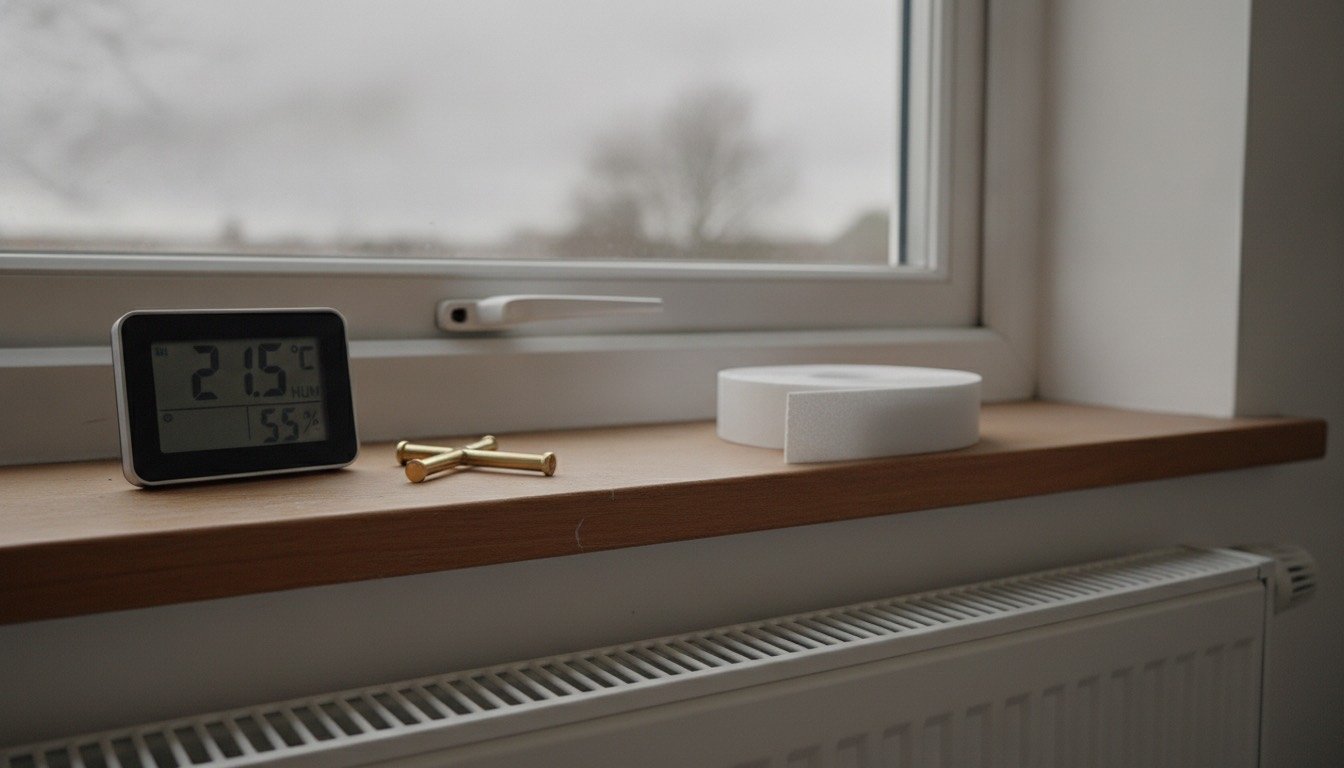
Every house we work in regularly has one: the bedroom that needs an extra duvet, the box room nobody sits in after October. Nine times out of ten the cause is one of three things — a radiator that isn't doing its job, uncontrolled draughts, or missing insulation above or around that particular room. All three are diagnosable in an afternoon with a £10 thermometer and your own hands.
Below is the order we check things in, what each fix costs in the UK right now, and the exact point where DIY stops making sense.
The 20-Minute Diagnosis (Do This Before Buying Anything)
Work out which of the three culprits you actually have. You need a cheap digital thermometer (around £8), an incense stick or thin strip of tissue, and the heating running for at least an hour beforehand.
- •Measure the temperature at chest height in the cold room and in the hallway outside it. A 2°C gap is normal; 4°C or more is a genuine fault, not perception.
- •Feel the radiator top and bottom. Cold at the top means trapped air — it needs bleeding. Cold at the bottom means sludge. Barely warm all over while other radiators blaze means a balancing problem.
- •Hold the lit incense stick near window frames, skirting boards, the loft hatch and any sockets on external walls. Smoke pulled sideways marks an air leak.
- •Press your palm flat against the ceiling and the external walls, then do the same in a warm room. A noticeably colder ceiling points to thin or displaced loft insulation above.
- •Note the room's position: north-facing, above a garage, over an alleyway, or part of an extension. These lose heat from more directions than a mid-house room.
Radiator Fixes: Free to About £20
Trapped air is a two-minute job with a £2 bleed key — our full walkthrough is in how to bleed radiators and re-pressurise the boiler. If the radiator is cold at the bottom instead, that's magnetite sludge and no amount of bleeding will help; that radiator needs removing and flushing, or the whole system needs a power flush.
The fix most people miss is balancing. Radiators nearest the boiler steal the flow, and the furthest room — usually that cold bedroom — gets what's left. Closing the lockshield valve on the hottest radiators by a turn or two pushes hot water onwards to the starved ones. It costs nothing, takes an hour with an adjustable spanner, and is the single most common cure we see actually work. While you're there, clear the dust out of the fins — a fluffy radiator loses real output, and parking a sofa in front of it loses even more.
Draughts: The £50 Afternoon
A cold room with a healthy radiator is usually leaking its warm air. The repeat offenders are trickle vents jammed open, shrunken gaps around older windows, unsealed skirting over suspended timber floors, and an unlined loft hatch. Self-adhesive foam or rubber seal costs £8–£15 a pack, decorator's caulk about £3 a tube, and a hatch seal kit around £12.
Work around the room systematically with the incense stick and seal what moves the smoke — the full room-by-room method is in our draught-proofing guide. Budget £30–£60 and one afternoon; per degree gained, it's the cheapest heating upgrade in the house.
Loft Insulation Above the Cold Room
If the ceiling felt cold, get into the loft with a torch and inspect the area directly above the room. Current UK guidance is 270mm of mineral wool — roughly R6 if you're reading American R-value guides; UK products quote thickness instead. Plenty of homes still carry the original 100mm from the 1980s, and we routinely find bare patches where someone dug out the Christmas boxes and never put the quilt back.
Topping up is genuine DIY. Top-up rolls cost roughly £25–£35 each and a typical bedroom's worth is £60–£100. Wear a mask, gloves and long sleeves, lay the new layer at right angles across the joists, and never pack insulation tight into the eaves — the roof needs that airflow, or you swap a cold room for a condensation problem. Don't bury downlighters or cables.
The Awkward Rooms: Extensions, Bays and Rooms Over Garages
Some rooms are cold by construction. A bedroom over a garage sits on what is effectively an outdoor floor; the lasting fix is insulating the garage ceiling below it with insulated plasterboard (£150–£300 in materials for a single garage). Flat-roofed extensions from the 1970s–90s often have next to no insulation in the roof deck and an undersized radiator to match — as a rule of thumb a UK bedroom needs 90–110 watts of radiator output per square metre, more with big glazing — check what's fitted before blaming the boiler.
Rooms with large bays or patio doors lose heat through glass faster than any radiator can replace it. Heavy lined curtains closed at dusk are worth 1–2°C on their own, and a £12 reflector panel behind any radiator on an external wall stops you heating the brickwork.
DIY vs Pro: Where We Draw the Line
Bleeding, balancing, draught-proofing, loft top-ups and reflector panels are all safe DIY. Stop and call a professional for the following:
- •Power flushing a sludged system (£300–£500 for a three-bed) or replacing a dead radiator (£150–£250 fitted) — heating engineer's work.
- •Cavity wall insulation — it must be surveyed first, because the wrong install in an exposed wall causes damp for years. Use a TrustMark-registered installer and get the guarantee in writing.
- •Spray foam in the loft: our advice is almost never. Several UK mortgage lenders decline homes with spray-foamed roofs and removal runs into thousands. Mineral wool does the same job without the baggage.
- •A whole-house answer: if several rooms are cold, a retrofit assessment (£150–£350) finds every leak and weak spot in one visit and stops you fixing things in the wrong order.
- •Anything involving the gas boiler itself — Gas Safe registered engineers only. That's law, not preference.
Don't Ignore It: Cold Rooms Grow Mould
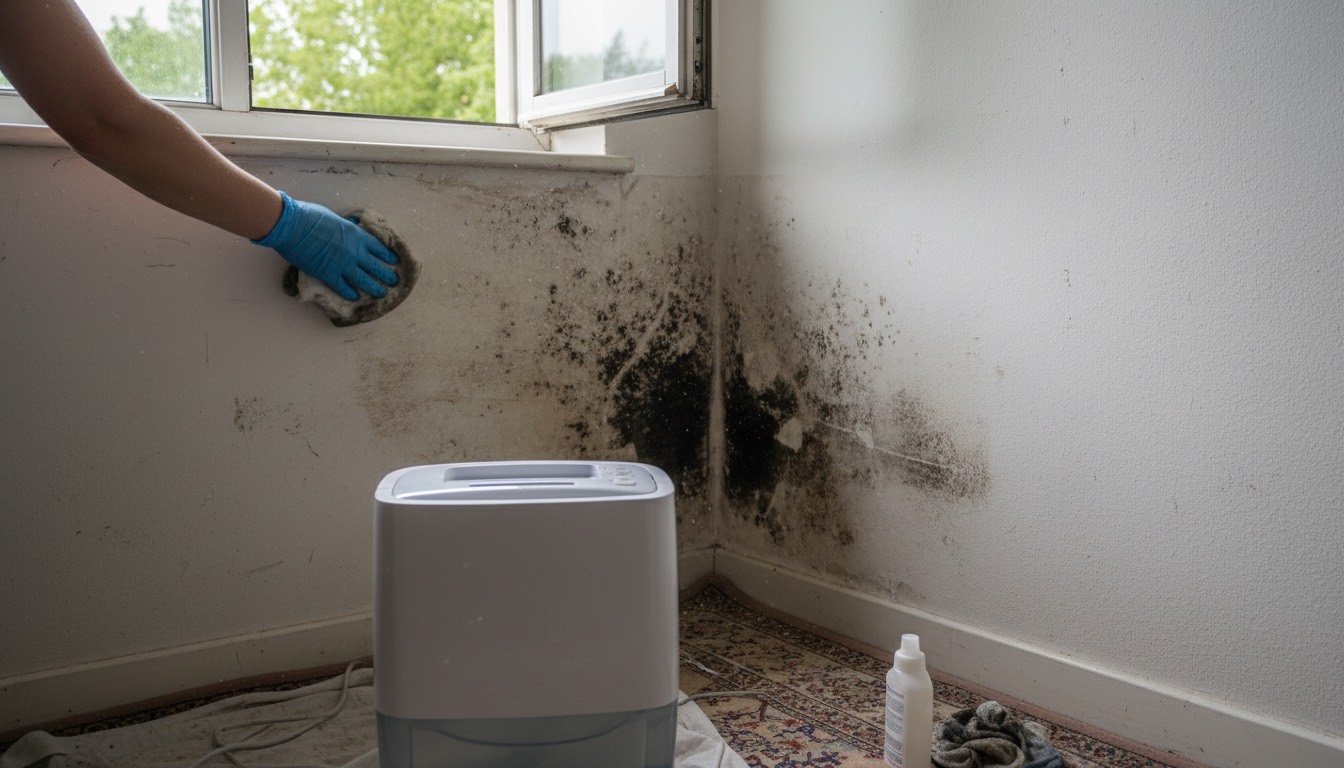
A persistently cold room isn't just uncomfortable. Its surfaces sit below the dew point of the house's air, so moisture condenses on the coldest wall — which is why the cold bedroom is so often also the mouldy one, with black speckling on the ceiling corners and musty wardrobes against the external wall. If you're seeing that, treat both halves of the problem: warm the room using the steps above and cut the moisture load. Our damp and mould guide covers safe treatment, and a decent dehumidifier will hold the line while you work through the fixes.
Take the list in order — diagnose, radiators, draughts, insulation — and most cold rooms come back within a degree or two for under £100. The expensive fixes only make sense once the cheap ones are done, and by then you may not need them.
Found this useful?
There's plenty more — hundreds of guides and honestly-tested product reviews for every corner of your home.
Browse All Guides