Home Decor · 6 min read · 14 July 2026
Colour Drenching Ideas That Work in Real UK Homes (With Real Costs)
Drenching a room in one colour looks effortless in photographs and costs about a third more than a standard two-tone job. Here is what it involves, and where the money actually goes.
By the Nims Casa editorial team — written from professional cleaning experience and checked against our editorial standards.
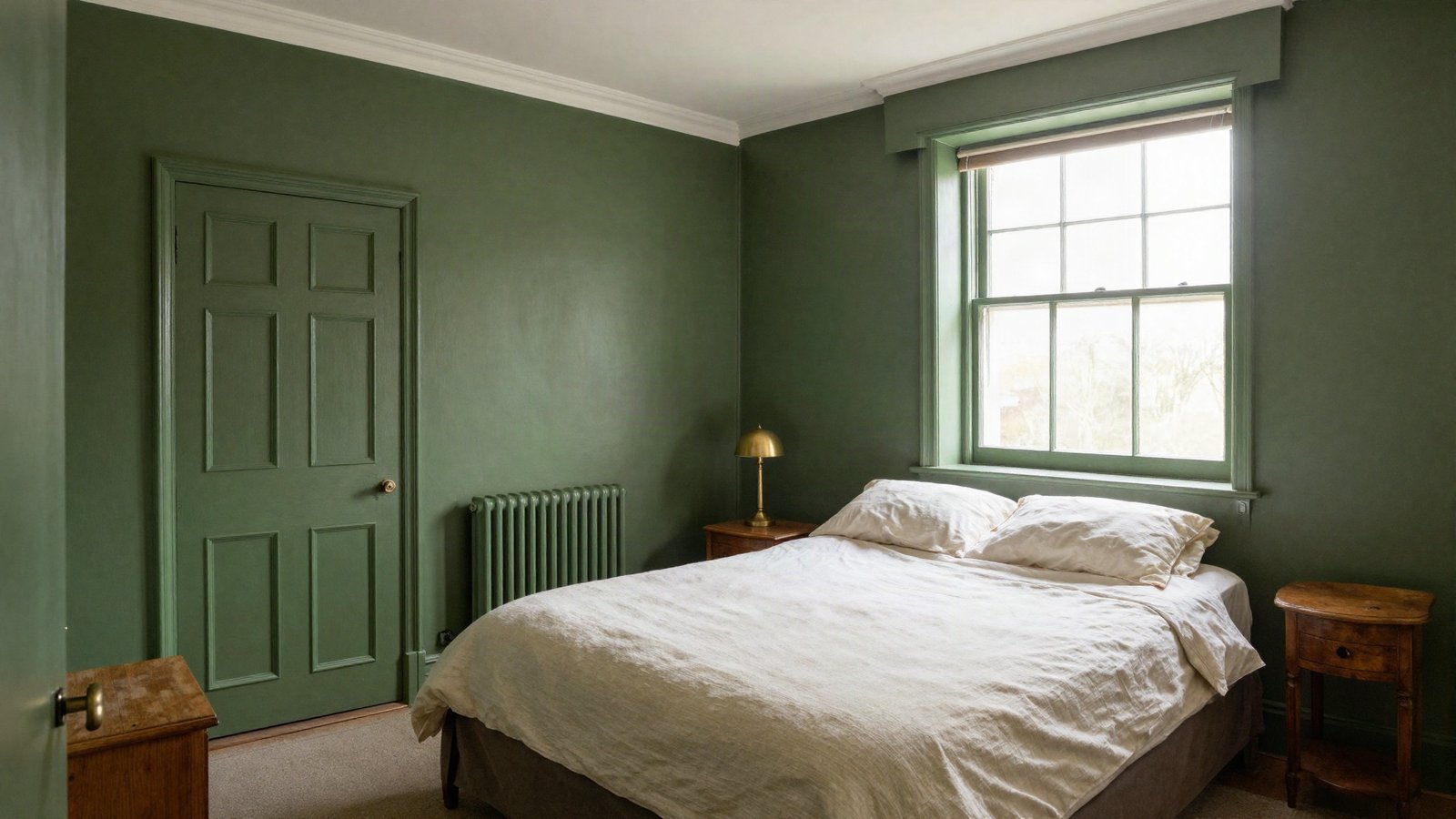
Painting walls, ceiling, skirting, architrave, door and radiator in a single shade takes longer than a conventional job: more cutting in, a second product for the woodwork, and usually an extra coat because the colours involved tend to be deep. Reckon on 25 to 35 per cent more than a standard walls-and-white-ceiling scheme.
The ideas below hold up in British housing stock — box rooms, Victorian terraces with picture rails, lofts full of sloping ceilings. Each comes with what it costs, because a photograph never tells you the 5L tin you're admiring is £108.
What Drenching Actually Involves
The finish is one colour but rarely one product. Walls and ceiling take matt emulsion; skirting, architrave, doors and radiators take eggshell in the same colour reference. That difference in reflectance stops the room reading as flat cardboard. Our breakdown of paint sheens room by room covers where each finish belongs.
Prep is where drenching quietly gets expensive. Because everything is one colour, every filled screw hole and proud plaster patch shows under raking light. A decorator who normally spends two hours prepping a bedroom will spend four on a drenched one.
- •Fill, caulk the skirting-to-wall line and sand back — 2 to 4 hours in an average bedroom
- •Mist coat new plaster (emulsion thinned 20–30 per cent) before colour goes on
- •Two coats on walls and ceiling; three going from magnolia to a deep ink or oxblood
- •Tinted undercoat plus two coats of eggshell on woodwork and radiators — cold and degreased first; water-based eggshell beats oil, which yellows within 18 months
Six Drenching Ideas Worth Copying
Pick by room function, not by shade. Daylight or lamplight matters more than the colour itself.
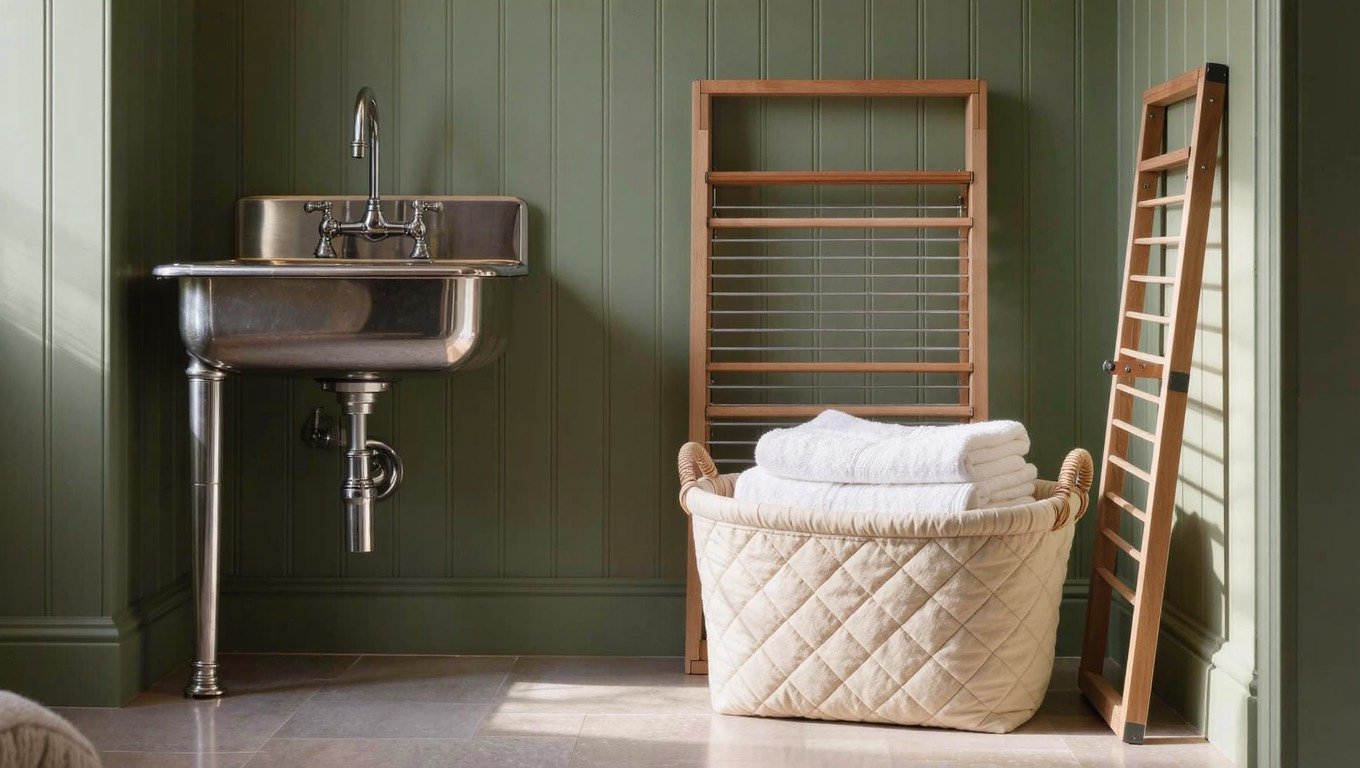
- •Downstairs WC in a deep clay or terracotta. No natural light to lose, and it costs under £70 in paint — the highest impact per pound in the house.
- •Hallway drenched to picture-rail height, pale above. Stops a narrow Victorian hall feeling like a tunnel. Skirting, spindles and stair string all take the same eggshell.
- •Box room in a mid-tone olive or blue-green. Pale small rooms still look small; a mid-tone drench makes the corners disappear. Our best paint colours for small rooms lists the references we keep returning to.
- •Loft bedroom with sloping ceilings — the honest answer to a room with seven planes and no obvious wall-to-ceiling line. Add half a day of labour.
- •Study in a saturated ink blue. Screens read better against a dark, low-sheen wall, and the radiator stops being a white lump.
- •Bay-window living room in a warm off-black, reveals and window board included. Leaving those white drags the eye to the coldest part of the room.
Budget Tiers, DIY to Decorator
For a typical UK double bedroom, 3.5m by 3m with 2.4m ceilings — roughly 37m² of wall and ceiling plus 13 metres of skirting. On a professional job, materials are only 20 to 30 per cent of the bill, which is why upgrading the paint adds less than people expect.
- •£200–£280, DIY, mid-range paint: 5L Dulux Heritage or Crown Period Colours (£38–£48), 2.5L water-based eggshell (£32–£40), tinted undercoat (£20), sundries (£45). Two weekends of your own time.
- •£550–£750, DIY, premium paint: 5L Farrow & Ball Estate Emulsion or Little Greene Absolute Matt (£99–£112) plus matching eggshell (£55–£68). Colour-matching that shade into a trade base at Brewers or a Dulux Decorator Centre saves 40–55 per cent.
- •£850–£1,300, decorator, mid-range paint: 2 to 2.5 days at £180–£260 per day outside London, £240–£340 inside the M25, plus £120–£180 materials.
- •£1,400–£1,900, decorator plus remedial work: skimming a patchy wall, replacing skirting, or stripping decades of gloss off a Victorian door.
What Works in Small UK Rooms
The idea that dark colours shrink rooms is only half right. What shrinks a small room is contrast: a white ceiling against a coloured wall draws a hard line telling your eye where the boundary sits. Remove the line and the boundary blurs. The techniques in how to make a small room look bigger work with drenching, not against it.
Two caveats. A north-facing box room in a deep cool grey feels like a cave from October to March, so go warm on north and east elevations. Keep the floor lighter than the walls, or the room loses depth.
- •Under 8m²: drench everything including the ceiling. Half-measures look indecisive at this size.
- •8–14m² with a picture rail: drench below, pale tint above. Saves about £40 in paint and keeps the height.
- •Single small window: paint the reveals and window board in the colour. White reveals frame the window and make the wall look bigger by comparison.
- •Rented flats: drench one wall plus its skirting, photograph the original first, and budget £80–£120 to reinstate.
Materials: Where the Money Goes
That bedroom needs roughly 6 litres of emulsion for two coats and about 1.5 litres of eggshell. Deep colours over a pale base routinely need a third coat, pushing you into a second tin — the commonest budgeting error we see. Work your figures with how much paint do I need before ordering; returning opened tinted paint is rarely possible.
Premium paints earn their money on pigment density and a chalky finish deep colours genuinely need. They do not earn it on durability — mid-range trade emulsion from Johnstone's or Leyland scrubs better than most heritage brands. Premium on the walls, colour-matched trade on the ceiling, is the sensible compromise.
Reading a Decorator's Quote
Ask for the quote split into labour days and materials. A fair 2026 quote for a drenched double bedroom states two to two and a half days, names the paint and finish, and specifies the coat count. For whole-house benchmarks, see our interior painting cost guide.
- •Reasonable: £180–£260 per day outside London, £240–£340 in London, materials itemised at or near retail, two coats minimum in writing.
- •Reasonable: a £60–£120 surcharge for drenching over a standard scheme, covering the extra cutting in and second product.
- •Suspect: under £350 all-in for a drenched double bedroom. That is one thin coat, no caulking, no undercoat — and it will show within a year.
- •Suspect: a day rate with no day count, materials as a round £300 with no brand named, or painting radiators with the heating on.
Questions We Get Asked
Does it devalue a house? No, but a saturated scheme narrows the buyer pool and repainting back to neutral takes three coats. Allow £400–£600 per room if you may sell within two years.
Can you drench over wallpaper? Only if it is well stuck and unembossed. Anything textured or with lifting seams needs stripping, adding a day and roughly £150 to a professional quote.
How long does it last? A drenched bedroom holds up five to eight years, a hallway three to five, because touching in a deep colour is far more visible than touching in white. Keep 500ml of each product labelled with the room name, and if you are still choosing, work through how to choose a paint colour using large sample boards — a drenched room is unforgiving of a shade picked from a 5cm square.
Found this useful?
There's plenty more — hundreds of guides and honestly-tested product reviews for every corner of your home.
Browse All Guides