Roofing & Exterior · 6 min read · 15 May 2026
How Much Does Foundation Repair Cost in the UK? 2026 Price Guide
Most UK homeowners who panic about a cracked wall spend under £6,000 and never see a concrete mixer. Here is what each repair route genuinely costs in 2026, and who pays.
By the Nims Casa editorial team — written from professional cleaning experience and checked against our editorial standards.
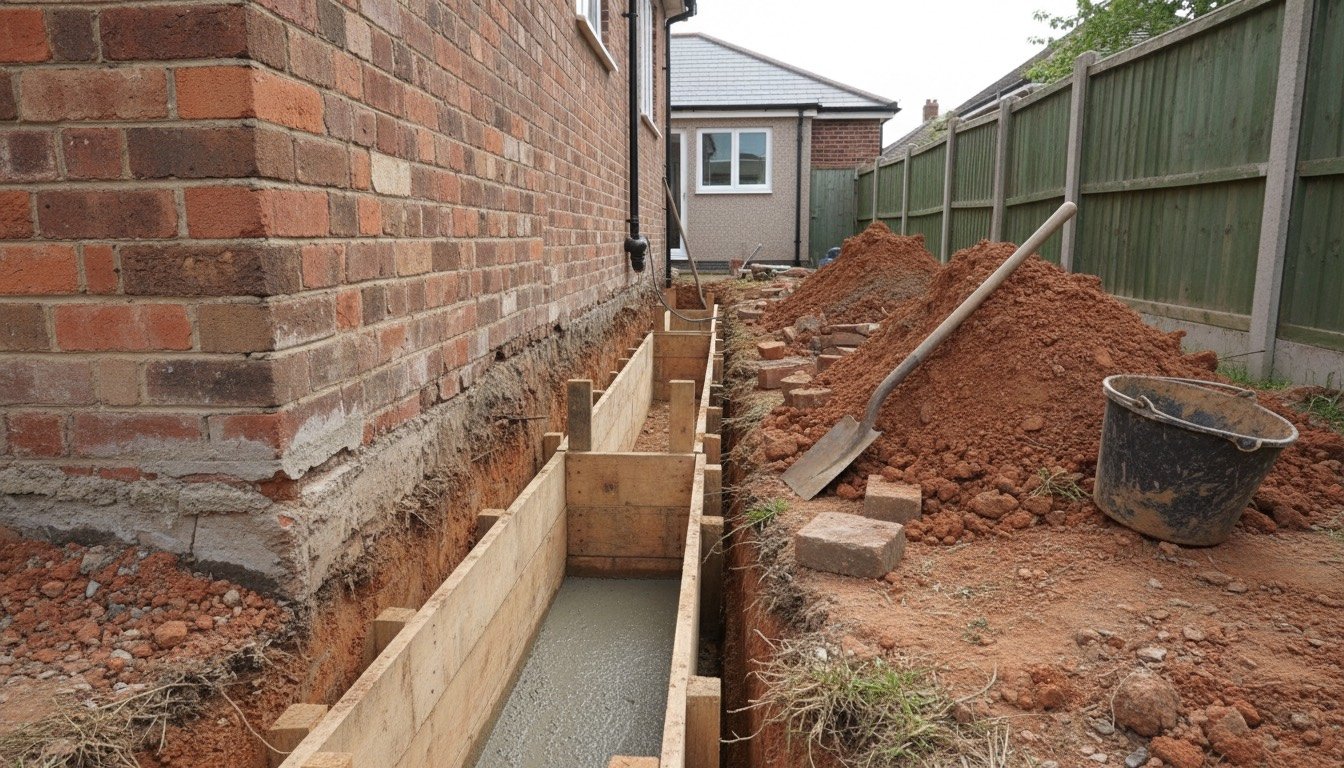
The single most useful fact in this whole subject: fewer than one in ten confirmed UK subsidence cases ends in underpinning. Yet underpinning is the figure everyone quotes, which is why a diagonal crack over the bay window reads as £40,000 and a ruined sale.
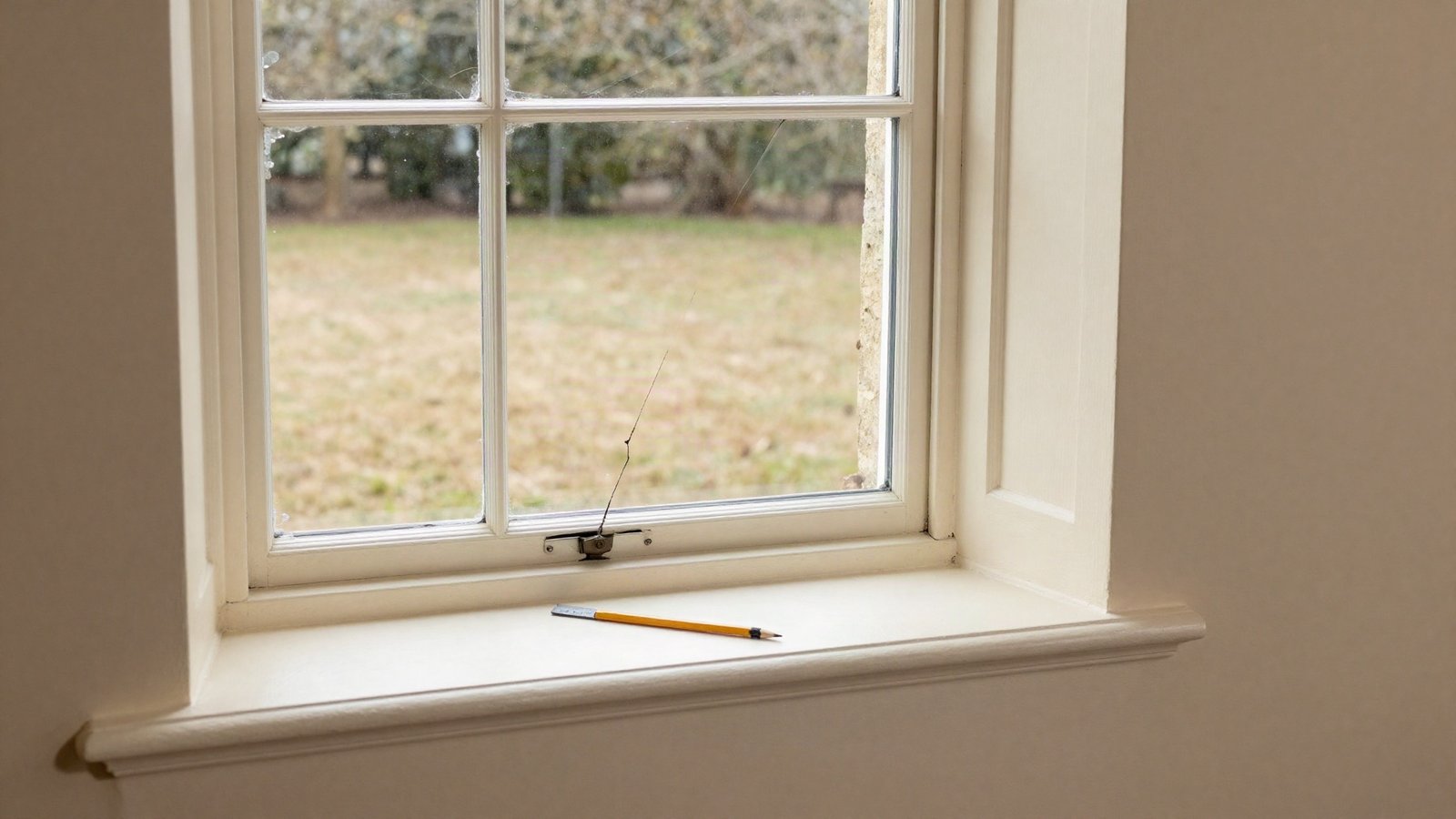
The realistic picture is far less dramatic. Most movement in British housing stock comes from a leaking drain washing fines out of the ground, or a thirsty tree drying out clay soil in a hot summer. Fix the drain, manage the tree, wait a year, fill the cracks, and you are done for a few thousand pounds. Before you spend anything, work out whether you are even looking at structural movement using our step-by-step check on how to tell if a foundation crack is serious.
Typical UK price ranges in 2026
All-in figures including VAT, from quotes across England, Wales and Scotland. Investigation comes first; anyone pricing a repair before the ground has been looked at is selling, not diagnosing.
- •Structural engineer site visit and written report: £450–£950
- •Full site investigation (trial pits, boreholes, soil and root analysis, CCTV drain survey): £1,500–£3,500
- •Twelve months of crack and level monitoring: £900–£2,500
- •Drain repair or relining, the actual fix in a great many cases: £1,000–£5,000
- •Crack stitching with helical bars, plus repointing and making good: £1,200–£4,000
- •Root barrier trench and tree management: £1,500–£6,000
- •Resin injection (geopolymer ground stabilisation): £4,500–£15,000
- •Mass concrete underpinning to part of one elevation: £12,000–£30,000
- •Full perimeter underpinning of a semi-detached house: £40,000–£75,000+
Unit rates: what to expect per metre
Lump sums hide a multitude of sins. Ask every contractor to break their price down to these units.
- •Chartered structural engineer: £80–£145 per hour, or £450–£900 for a single-visit report
- •CCTV drain survey with report: £150–£350
- •Drain relining: £110–£250 per metre; full excavation and replacement £250–£500 per metre
- •Helical bar crack stitching: £70–£130 per linear metre installed
- •Cavity wall tie replacement: £28–£45 per tie, or £2,500–£6,000 per elevation
- •Lintel replacement over a window opening: £650–£1,400 each
- •Mass concrete underpinning in 1m bays: £1,500–£2,600 per linear metre
- •Mini-piled underpinning where access is restricted: £2,600–£4,500 per linear metre
- •Resin injection: £150–£400 per square metre of treated ground
- •Root barrier: £120–£250 per metre of trench
- •Repointing and rendering repairs after movement: £45–£95 per square metre
Labour versus materials: where the money goes
Underpinning is roughly 75–80% labour and plant, 20–25% materials. Concrete, reinforcement and shuttering are cheap; digging a 1m-wide, 1.5m-deep bay by hand under a live wall is not. A 10-metre underpin generates 14–20 tonnes of spoil, and grab lorry removal runs £280–£450 per load. Scaffolding adds £700–£1,600 per elevation.
Resin injection flips the ratio: the polyurethane itself is 45–55% of the price, which is why quotes swing so hard on injection depth. Crack stitching is almost pure labour — the bars cost £8–£15 each. Professional fees for design, supervision and the final certificate add 12–18% on top. If a quote does not name who is supervising, read our guidance on when to call a structural engineer before signing.
What moves the price, including the regulations
Ground conditions dominate. Shrinkable clay across London, Essex, Kent and the Oxford belt is the classic culprit; sandy and chalky ground fails differently, by washout from a broken drain; former colliery districts need a Coal Authority mining report at £30–£55 before anyone digs. Access is the second lever: a rear elevation where every barrow of spoil goes through the hallway can add 30–50% to the same length of underpinning.
Then there is the paperwork, which people routinely forget to budget for. Underpinning is notifiable structural work under Part A of the Building Regulations: expect a building control application of £350–£800, and expect a buyer's solicitor to demand the completion certificate years later. If your excavation goes within three metres of a neighbour's structure and deeper than their foundations, or you are underpinning a shared wall, the Party Wall etc. Act 1996 applies — one month's notice for adjacent excavation, two months for a party structure notice, and £1,200–£2,500 per party in surveyor fees if they dissent.
Trees add a layer. In a conservation area you must give the council six weeks' written notice before felling, and a tree with a Preservation Order needs formal consent; ignoring either is a criminal offence. Budget for it with our tree removal cost guide. Listed buildings need listed building consent for structural intervention, adding six to twelve weeks and £1,000–£3,000 in heritage engineering fees. Landlords cannot pass any of this to tenants: structure and exterior sit with the landlord under section 11 of the Landlord and Tenant Act 1985 and the Homes (Fitness for Human Habitation) Act 2018. Permitted development is irrelevant here — this is building control, not planning.
Three worked examples
Real job shapes, priced end to end.
- •1930s semi in Essex, hairline diagonal crack over the bay, poplar eight metres away. Engineer report £650, drain survey £220, twelve months' monitoring £1,400, consented crown reduction £480, crack stitching and repointing £1,900, redecoration £600. Total £5,250 — no underpinning, movement seasonal and stable.
- •Victorian terrace in south London, rear addition dropping, a collapsed clay drain washing out the bedding sand. Full investigation £2,400, 14m of drain relining £2,240, resin injection beneath the addition £8,500, internal making good £2,100, engineer supervision and Certificate of Structural Adequacy £1,100. Total £16,340 — insurer paid all but the £1,000 subsidence excess.
- •1960s detached in Nottinghamshire built partly on made ground, 22mm of corner settlement still progressing. Investigation £3,100, nine linear metres of mass concrete underpinning at £2,100 per metre = £18,900, muck away £1,350, building control £520, professional fees £3,400, making good and decoration £2,800. Total £30,070.
How to sanity-check a quote
The firm that diagnoses the problem should not be the firm that profits from the cure. Pay £450–£900 for an independent chartered engineer (IStructE or ICE), get a written specification, then put that specification out to three contractors. Three quotes written against three different scopes tell you nothing, as we explain in how to compare contractor estimates.
If your buildings insurance is in force, claim before you commission anything. Subsidence carries a standard £1,000 excess on almost every UK policy, but the insurer then manages investigation and repair, and unauthorised work you have already paid for is generally excluded. Our walkthrough on filing a home insurance claim covers the sequence. Insist on the Certificate of Structural Adequacy at completion — without it, conveyancing solicitors stall your sale. And do the boring prevention: blocked downpipes discharging against a wall cause more movement in this country than anyone admits, which is why routine gutter maintenance is the cheapest structural insurance going.
Methodology and caveats
Figures come from 2026 contractor quotations and insurer schedules across England, Wales and Scotland, all inclusive of VAT at 20%. Apply roughly +20–30% inside the M25 and −10–15% for the north of England, Scotland and Wales. Underpinning rates assume traditional 1m bays to a depth of 1.2–1.8m; deeper or piled work sits in a different bracket. We review these ranges annually. Treat every number as a sanity check, not a substitute for a site-specific engineer's report on your own ground.
Found this useful?
There's plenty more — hundreds of guides and honestly-tested product reviews for every corner of your home.
Browse All Guides