DIY & Maintenance · 6 min read · 8 April 2026
Walk In Tub vs Roll In Shower: Walk-In Baths and Level-Access Wet Rooms Compared (UK)
Both options solve a real problem, but they solve different ones. Here is the diagnostic path we use before quoting either, plus honest UK costs, grants and the failures nobody mentions in the showroom.
By the Nims Casa editorial team — written from professional cleaning experience and checked against our editorial standards.
Most people reach this decision after a fall, a hospital discharge letter or a visit from an occupational therapist — so it gets made in a fortnight, from a brochure, under pressure. That is how a household spends £5,000 on a bathroom no safer than the one it replaced.
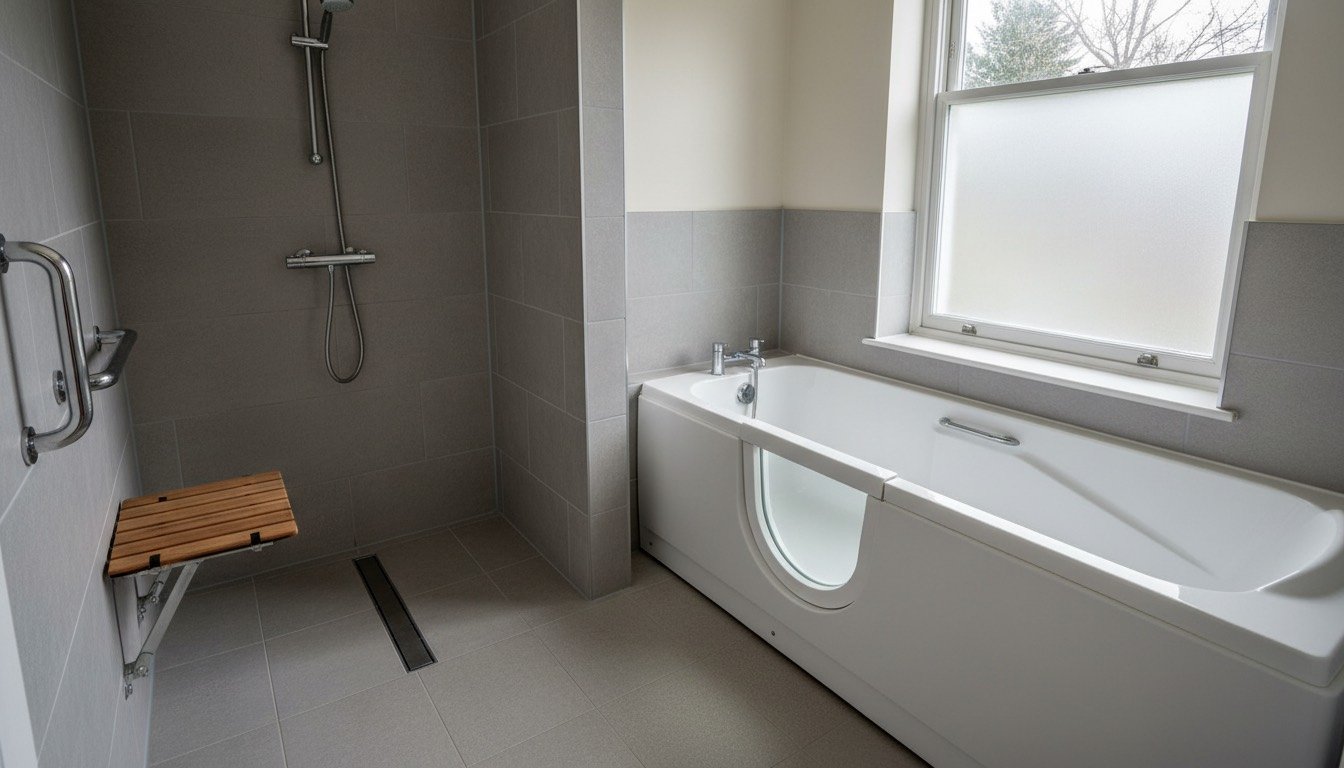
A note on words, because the quotes landing in your inbox will not agree. A walk-in tub is sold here as a walk-in bath; a roll-in shower is a level-access shower, or a wet room once the floor is tanked and falls to a drain.
Start with a diagnosis, not a showroom
Before comparing prices, work out which problem you actually have. Answer these six about the person who will use the room daily, not the household.
- •Can they step over a 150mm threshold unaided on a wet floor? A walk-in bath still has a 100–170mm door step, and borderline now means impossible later.
- •Can they lower onto a 430–480mm seat and stand up again with wet hands? Failing sit-to-stand is the commonest reason walk-in baths stop being used.
- •Do they use a wheelchair, rollator or transfer board, or is that likely within five years? Only level access takes wheeled equipment; a bath cannot be adapted later.
- •Will a carer assist? A wet room gives a helper 700–900mm beside the user; a walk-in bath puts a 600mm wall between them.
- •Has a physiotherapist recommended warm-water immersion for arthritis or chronic pain? That is a real argument for the bath. Habit is not.
- •How do they cope with being wet and cold for 8–12 minutes? That is the fill-and-drain window in a walk-in bath.
Side by side: the differences that matter
Two discouraging answers in the first four and the decision is made for you. These are the figures we specify to; our guide to making a bathroom accessible covers the rails and door widths around either.
- •Threshold: walk-in bath 100–170mm; level-access shower 0–15mm, or 25–45mm with a low-profile tray and ramped edge.
- •Water per use: 170–230 litres to fill a walk-in bath above seat level; 60–90 litres for an eight-minute shower.
- •Time in the room: 22–35 minutes for a bath once filling and draining are counted; 10–15 for a shower.
- •Footprint: a walk-in bath drops into a standard 1700 × 700mm bath space. A shower a carer or chair can use wants 1200 × 900mm clear.
- •Adaptability: a wet room takes a perching stool today and a mobile shower chair later. A walk-in bath is a fixed answer to a changing question.
- •Resale: buyers read a wet room as a modern bathroom, a walk-in bath as a medical fixture.
Living with each one
Hot water is where walk-in baths quietly fail. A 24kW combi giving 12 litres a minute takes 15–19 minutes to put 200 litres in the bath, and in January it will not hold 40°C at that flow. A 210-litre unvented cylinder is emptied by one bath, leaving the next person waiting 60–90 minutes. Test the flow rate with a bucket and stopwatch before anyone measures up.
Showers are kinder to UK plumbing, and the controls matter more than the tray. Fit a TMV2 thermostatic mixer at 41°C with a lever handle, 900–1000mm up at the dry end, and a riser rail so a seated user can drop the head. Electric instead? An 8.5kW unit is feeble in winter; 9.5–10.5kW on its own Part P–certified circuit.
Installation: what it does to a UK floor
On a ground-floor slab, level access is straightforward: a former bedded into a chased recess, a tanking membrane, falls of roughly 1:50 to a gulley. Two days, no structural argument.
First-floor timber is the cost driver and the reason quotes diverge. Victorian and inter-war joists run 175–220mm deep; a recessed former plus trapped gulley wants 90–120mm of that, and notching rules cap you at an eighth of the joist depth. That leaves trimming between joists with a shallow-trap gulley, a 40–60mm platform with a 1:20 ramp, or a 25mm tray with a bonded threshold ramp. Add £600–£1,500 upstairs; our shower installation cost guide breaks the labour down.
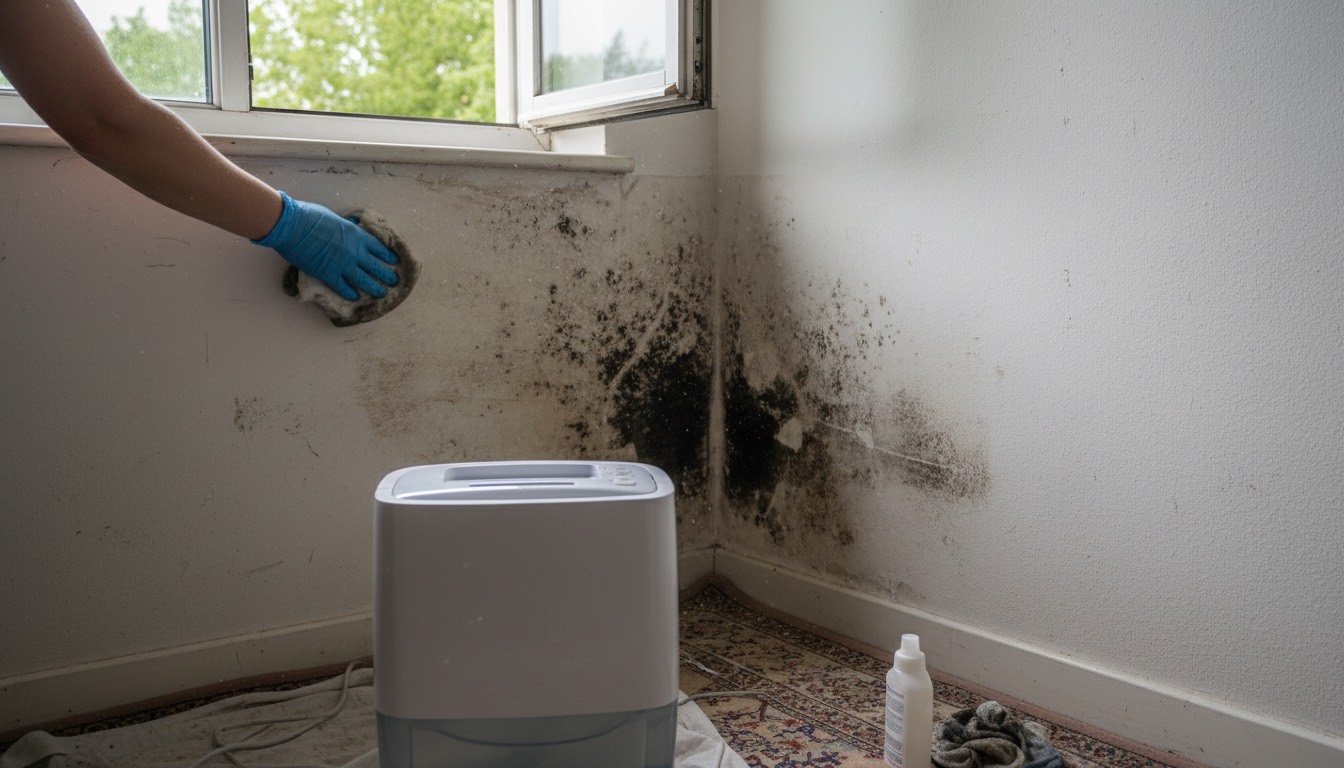
A walk-in bath fits faster, into the existing footprint, but bath, water and occupant total 300–330kg over about 1.2m² — fine on sound joists, not on a floor that bounces. Either way the extractor must shift 15 litres a second, or you will be fighting bathroom mould within two winters.
The ten-year cost, with grants and VAT relief
Walk-in baths run £1,700–£4,500 supply-only and £3,500–£7,000 fitted; powered doors and air-spa systems push £6,000–£10,000 and rarely earn it. Level access starts lower than people expect — a low-profile tray, half-height screen and welded safety vinyl is £2,500–£4,500 fitted; a fully tanked, retiled wet room is £6,000–£12,000.
Running costs favour the shower without settling it. On a meter, a filled walk-in bath costs £1.10–£1.40 in water, sewerage and gas: four a week is £230–£290 a year against £165–£220 for a daily shower. Ten years, roughly £700 apart.
Two things move the number far more. The Disabled Facilities Grant covers up to £30,000 in England, £36,000 in Wales and £25,000 in Northern Ireland, with Scotland run through the Scheme of Assistance. Get the council occupational therapist's assessment before ordering anything, because buying first can disqualify the work. Then VAT: adaptations for a chronically sick or disabled person are zero-rated on goods and labour with a signed eligibility declaration — £1,200 off a £6,000 job. Raise it with the usual questions to ask a contractor.
Maintenance, and what fails first
On a walk-in bath it is always the door seal: 5–10 years, then £120–£300 for a gasket, assuming the manufacturer still trades — not a safe assumption here. In hard-water areas dry the sealing face after every bath, because limescale turns a weep into a floor repair.
On a wet room, silicone at the screen-to-floor junction needs renewing every three to five years at £60–£150, and the gulley trap wants clearing monthly. The failure that hurts is the tanking membrane, usually at the gulley flange or where a fitter skipped the upstand behind the former — £1,500–£3,500 to redo, plus the ceiling below. Get the tanking guaranteed in writing, separately from the tiling.
Flooring does quiet work here. Welded safety vinyl with a wet pendulum value of 36 or above, coved 100mm up the wall, is the care-sector specification, and it copes with wet dog paws too — see our bathroom flooring picks. Tiles instead? R11 or better, small format.
The verdict, and the questions we get asked most
For roughly eight in ten UK households facing this, the level-access shower is the better buy: cheaper at the lower specification, workable with carers and wheelchairs, adaptable as needs change, and still a bathroom rather than a piece of equipment. The walk-in bath earns a narrow but real case — reliable sit-to-stand, no wheelchair on the horizon, a clinical reason to soak, and someone who will not use a shower.
Can you have both? In a typical 2.4 × 1.8m bathroom, not well. Fit it yourself? Setting a former on a slab suits a confident DIYer, but the waste, the guarantee and the electrics do not, and a self-installed wet room rarely satisfies a grant inspection. Do it before other work: bathrooms top most ageing-in-place modification lists because falls happen there first.
Found this useful?
There's plenty more — hundreds of guides and honestly-tested product reviews for every corner of your home.
Browse All Guides