DIY & Maintenance · 6 min read · 26 June 2026
What to Do Before Moving Into a New House: The Empty-House Checklist
The gap between completion and the removal van is the only time you will own this house empty. Diagnose what you have actually bought first, then spend the window on the jobs that need it.
By the Nims Casa editorial team — written from professional cleaning experience and checked against our editorial standards.
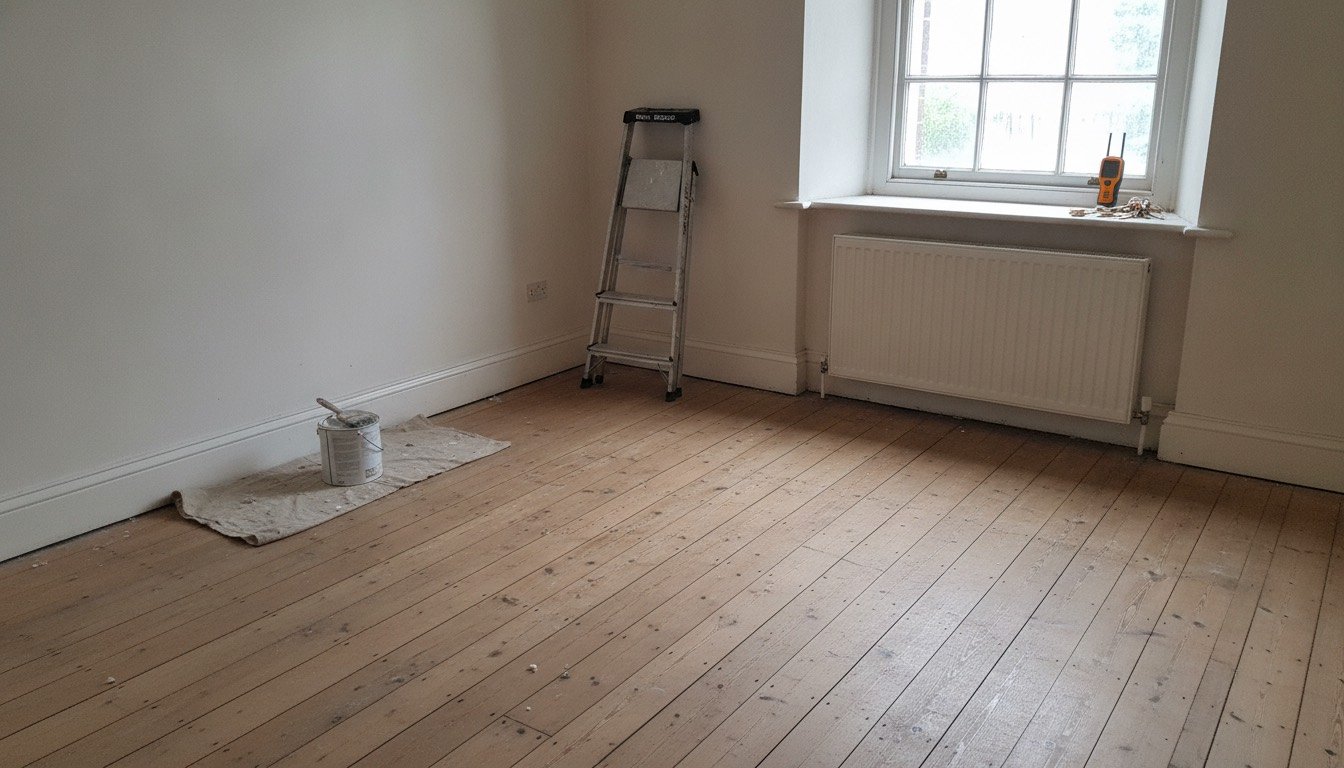
Completion day to removal van is the only stretch you will ever own this property empty. No wardrobes against the walls, no carpet you are frightened of. Every trade works faster in that window, and every fault you find is cheaper to fix now than in six months with a sofa on top of it.
Most moving checklists hand you the same dozen tasks regardless of the building. Wrong order. A 1930s semi with a bridged damp-proof course needs a different first fortnight from a 2015 new-build with one sticking window. Diagnose before you spend.
What the empty-house window actually buys you
"Before you move in" is not a category of task, it is a category of access. Decorators quote 20 to 30 per cent less for a cleared room: no masking, no shuffling furniture. Floor sanding, rewires, chasing walls for sockets and lifting carpets all go from straightforward to genuinely disruptive the moment your possessions land. Most buyers get three days to three weeks.
One legal point people get wrong: in England and Wales you carry the risk from exchange, not completion, so buildings cover must be live before you get the keys. After that, the trap is cosmetic work. Painting a wall that will be stained again by February is money burnt.
The ninety-minute diagnostic walk
Do this on the first visit with your own keys, before you open a window: a closed-up house tells you more by smell than any survey summary. Take a torch, a socket tester (£10) and a moisture meter (£15 to £25).
- •Smell test at the front door, windows shut. Musty and earthy points at damp; sour or drain-like at a dried-out trap or cracked gully; sweet and rotten means a rodent under the floorboards.
- •Ground-floor external walls. Run the back of your hand along every outside wall at skirting height, then check behind doors and in the under-stairs cupboard. Cold and slightly tacky is worth metering.
- •Chimney breasts, including blocked-up ones. Brown tide marks or a fluffy white bloom mean a capped stack with no ventilation, or failed flashing.
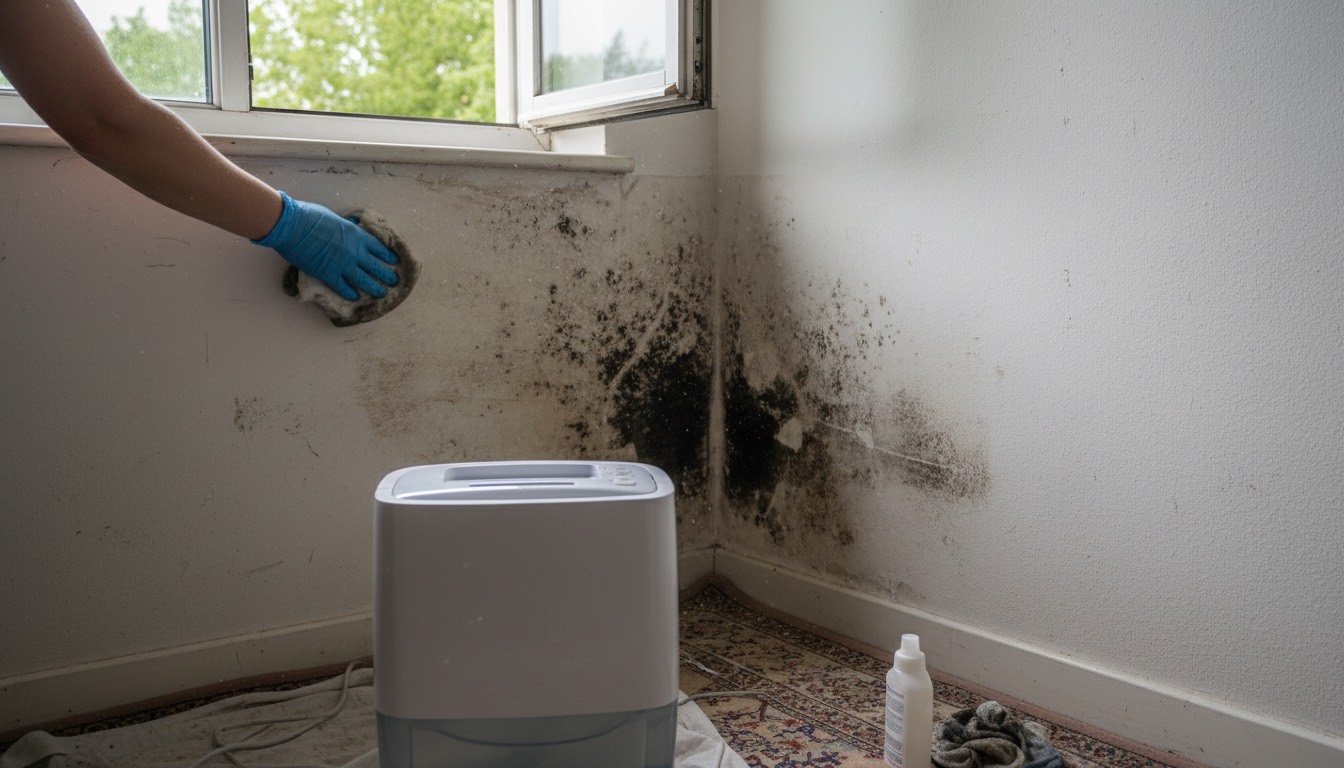
- •Window reveals and ceiling corners. Black spotting in frame corners and north-facing bedrooms is condensation behaviour, not a structural fault.
- •Heating for an hour, whatever the season. Note boiler pressure cold — 1.0 to 1.5 bar is normal — then feel every radiator top and bottom.
- •Electrics. Photograph the open consumer unit. Rewireable fuse carriers, a wooden back board or no RCD means an inspection first. Then socket-test every outlet, loft and garage included.
- •Water, in and out. Find the internal stopcock and external stop tap, fill every basin and pull the plug, then run the shower five minutes while someone watches the ceiling below.
- •Outside last. Ground level should sit 150mm below the damp-proof course, and raised borders, patios and decking routinely bury it. Finish on gutter joints and the ridge line.
Reading the results: which house have you bought?
Four patterns cover almost everything we see. Match your findings to one before booking a trade, because the same damp patch carries three very different bills depending on which it belongs to. Our guide to damp and mould in UK homes separates them properly.
- •Tired but sound. Dry readings, radiators hot top to bottom, an RCD-protected consumer unit, no smell. Decorate freely — this is where the empty window pays back most.
- •Condensation-led. Black spotting in corners and on reveals, worse upstairs, no tide marks, walls dry a metre up. A ventilation and heating-pattern problem, not a builder's job.
- •Water getting in. Isolated patches, no salt bloom, worse on the weather-facing elevation or under a gutter joint. Fix the outside first, then leave the plaster through a winter.
- •Services overdue. Radiators cold at the bottom, a boiler losing pressure, fuse wire in the consumer unit, a cylinder with no service label. Nothing urgent, but it eats the first year's budget, and trades come before decorators.
What the first fortnight typically costs
Figures are 2026 mid-range for a three-bed semi outside London; add 20 to 35 per cent inside the M25. They are a front-loaded version of a normal year rather than an extra one, and our annual home maintenance cost guide shows which repeat.
- •Electrical Installation Condition Report: £150 to £280, worth it on anything not rewired since the 1990s. A consumer unit change runs £450 to £800.
- •Gas Safe boiler service: £80 to £130. A power flush, if radiators are cold at the bottom, £350 to £700.
- •Locks: a 3-star anti-snap euro cylinder is £25 to £45 and takes ten minutes with a screwdriver. A locksmith doing four is £120 to £200.
- •Deep clean of an empty three-bed: £180 to £350. Carpet cleaning with rooms cleared: £25 to £40 a room.
- •Interlinked smoke and heat alarms: £120 to £250 in kit, £300 to £450 fitted. Legally required in Scotland, sensible everywhere else.
- •CCTV drain survey, if the smell test flagged anything: £120 to £250 — the cheapest way to prove whether a sluggish gully is yours or the water company's.
Do it yourself, or book someone
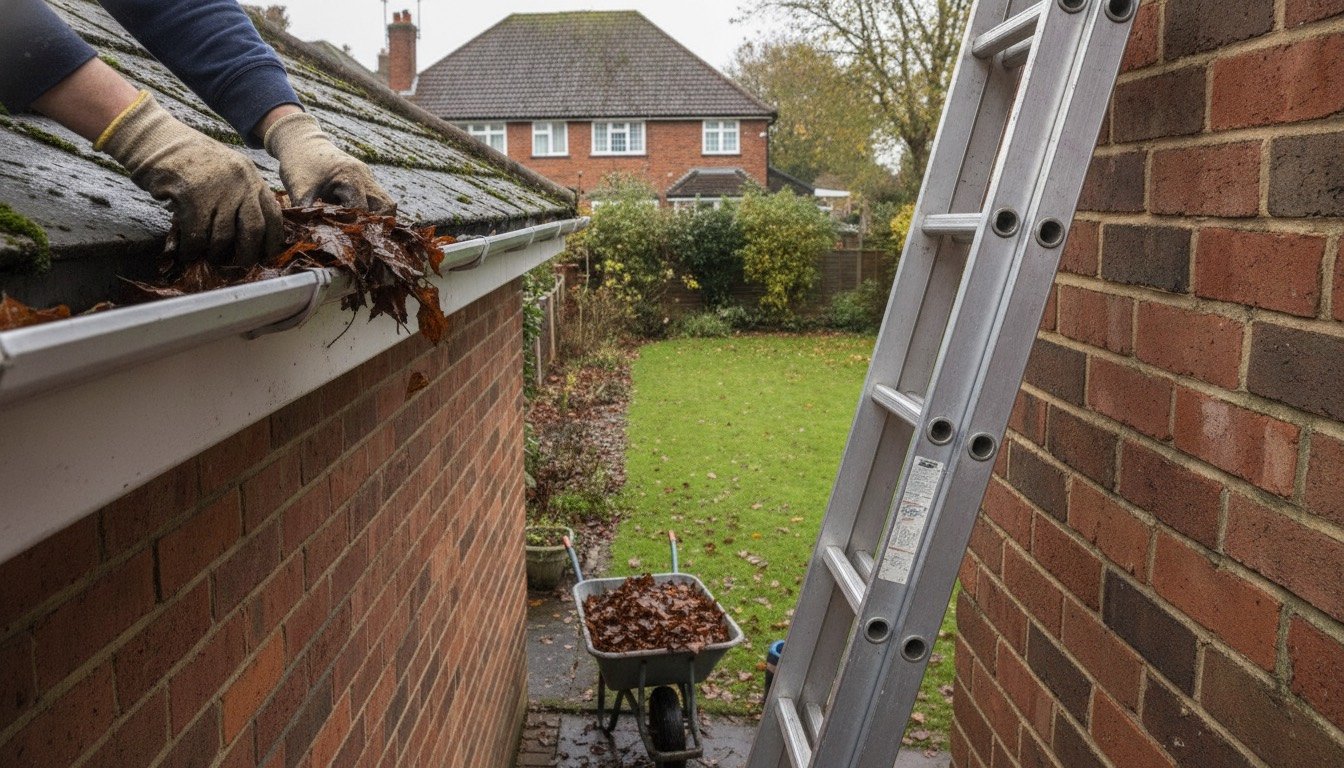
Straightforward DIY: swapping euro cylinders, fitting battery-linked alarms, draught-proofing, clearing gutters from a stable ladder, and everything decorative. Bleeding the radiators and re-pressurising the boiler takes fifteen minutes and tells you plenty, and painting a room properly is the best use of an empty house you will get.
Book someone for anything behind the consumer unit cover, any gas appliance, roofline work above single-storey height, and damp diagnosis where two patterns overlap. The honest middle is the deep clean: you can do it in a weekend, and a two-person team still beats you in five hours because they follow the professional order in our spring cleaning checklist.
The admin that has real deadlines
None of this is interesting and all of it costs money if it slips.
- •Photograph gas, electricity and water meters within the hour of collecting keys, date visible. Disputed opening readings are the most common first-bill argument.
- •Notify the council within a fortnight — single-occupancy discounts and empty-property exemptions are rarely backdated.
- •Book broadband before completion; Openreach lead times run 10 to 15 working days.
- •Find the paperwork pack: FENSA or CERTASS window certificates, Part P notifications, Gas Safe records and building regulations completion certificates. Missing documents are a problem you inherit and later sell on to someone else.
Questions buyers ask us
Do I need another survey? No — re-read the one you paid for while standing in the empty house. Level 2 and 3 reports are written defensively, and half the "further investigation recommended" lines resolve once you can see the wall.
How long before decorating? Two weeks with the heating on a normal daily pattern, because a cold, empty house hides moisture it will show you once lived in. And if something serious surfaces after completion, caveat emptor applies unless it was concealed or misdescribed — check the TA6 form, where a "no" against a known damp problem is very different from a blank box.
Diagnose first, then work the list, and the empty window goes on jobs that needed it. More seasonal work in our DIY and maintenance guides.
Found this useful?
There's plenty more — hundreds of guides and honestly-tested product reviews for every corner of your home.
Browse All Guides