Electrical · 6 min read · 2 May 2026
When Do You Need an Electrical Permit? The UK Rules, Explained (Part P)
Britain does not issue electrical permits. It has something narrower and stranger - Part P notification - and most homeowners discover how it works at the worst possible moment: mid house sale.
By the Nims Casa editorial team — written from professional cleaning experience and checked against our editorial standards.
There is no such thing as an electrical permit in Britain. Ask a building control officer for one and you will get a blank look. What exists instead is a notification system, and it catches a surprisingly narrow slice of work while ignoring plenty of jobs that feel far more frightening.
The confusion usually surfaces at the worst moment: on a sale, when the buyer's solicitor asks for the certificate covering the consumer unit you had swapped in 2019, and nobody notified anybody. Here is what the law requires in each UK nation, who can sign work off, what it costs, and where the DIY line falls.
The UK Has Notification, Not Permits
In England and Wales the law is Part P of the Building Regulations 2010, in force for dwellings since 1 January 2005. It says little: reasonable provision must protect people from fire and injury. What 'reasonable' means in practice lives in BS 7671, the IET Wiring Regulations.
Two obligations are at play and people conflate them constantly. Technical compliance with BS 7671 applies to everything - swapping a socket front, adding a spur, changing a pendant. Notification to building control applies only to a short list of higher-risk jobs. Work can be legal and unnotified, or notified and still dangerously wrong.
One point surprises people: DIY electrical work is not illegal in England and Wales. A homeowner may install a new circuit in their own house. They simply may not skip the notification, inspection and testing.
Which Jobs Are Notifiable in England
The 2013 revision of Approved Document P cut the notifiable list back hard. In England, only three categories now require building control involvement.
- •Installing a brand-new circuit - shower, cooker, EV charger supply, or a garden or outbuilding submain.
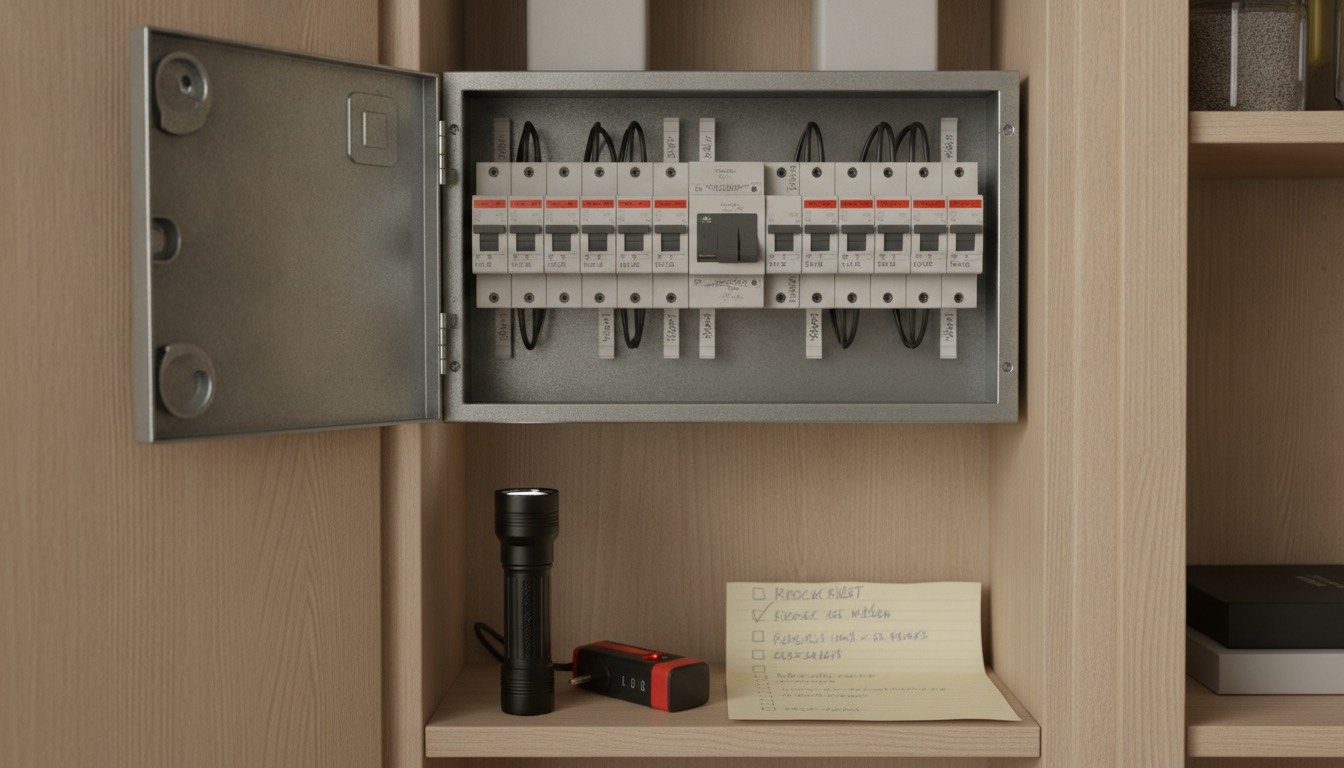
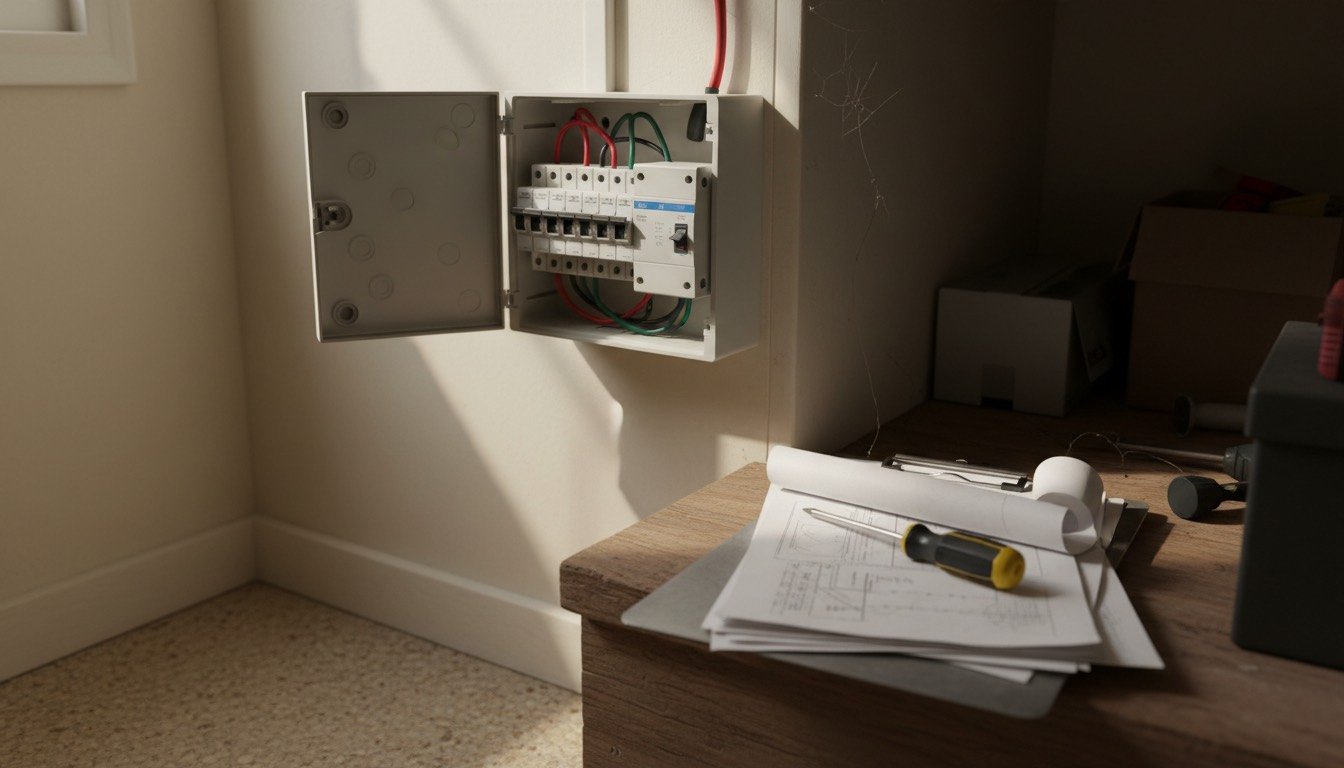
- •Replacing a consumer unit (fuse box), including a like-for-like swap. This one catches almost everyone.
- •Any addition or alteration to circuits in a special location: within the defined zones of a room containing a bath or shower, or a room containing a swimming pool or sauna heater.
- •NOT notifiable: replacing a socket, switch, light fitting or ceiling rose; adding a socket or lighting point to an existing circuit outside a special location; like-for-like cable repairs.
- •NOT notifiable but still regulated: all of the above must meet BS 7671 and be tested, with a Minor Works Certificate issued.
Wales, Scotland and Northern Ireland Differ
Wales did not adopt England's 2013 reduction. The wider pre-2013 list still applies there, so work in kitchens and outdoor electrical work can remain notifiable. Ring your local authority building control before assuming an English answer holds.
Scotland has no Part P. Electrical safety sits under Section 4.5 of the Scottish Technical Handbook, and standalone electrical work in an existing home does not usually need a building warrant - though one is required where the work forms part of a larger alteration or conversion. Northern Ireland has no direct equivalent either, but BS 7671 compliance is still expected and conveyancers still ask for certificates. In every case the local building control or building standards team is the authority.
The DIY-Pro Boundary, Stated Plainly
Legality and wisdom are not the same thing. The boundary below assumes a competent DIYer with a socket tester, a multimeter and the discipline to isolate and prove dead first. For the jobs that consistently end badly, see our guide to electrical repairs you should never DIY.
- •Fair game: replacing a like-for-like socket or light switch on an existing circuit outside a bathroom; swapping a pendant or light fitting; changing a fused connection unit.
- •Fair game with care: adding a socket to an existing ring final circuit in a bedroom or lounge, provided you verify circuit type, cable size and RCD protection first.
- •Registered electrician territory: any new circuit, any consumer unit replacement, any work inside bathroom zones, any EV charger, and anything at all in a property you let.
- •Registered electrician only, no exceptions: anything on the supply side of the consumer unit - meter tails, main isolator, service head, cut-out fuse. That equipment belongs to the network operator, is live at all times, and breaking the seal is an offence.
- •Stop and call someone on finding burnt terminals, cloth or rubber-insulated cable, no earth at a lighting point, aluminium conductors, or rewireable fuses and no RCD.
Three Routes to a Compliant Job, and What Each Costs
For notifiable work the cheapest, fastest route is a scheme-registered electrician. Registration with NICEIC, NAPIT, ELECSA, STROMA or Certsure lets them self-certify: they test the work, issue an Electrical Installation Certificate and notify building control themselves. The compliance certificate usually arrives within 30 days at no extra charge. Day rates are in our electrician cost guide.
The second route is notifying building control yourself before work starts. Councils set their own fees; budget roughly £200-£500 for domestic work, plus any third-party inspector they appoint. Legal, slow, and usually dearer than hiring a registered firm.
The third is regularisation - going to building control afterwards. Fees are higher, inspection is invasive, and no certificate is guaranteed. Councils can enforce for 12 months after completion under section 36 of the Building Act 1984. At sale the fallback is an indemnity policy at £20-£150, which covers enforcement risk but does nothing about the wiring.
Older Homes, Landlords and Awkward Cases
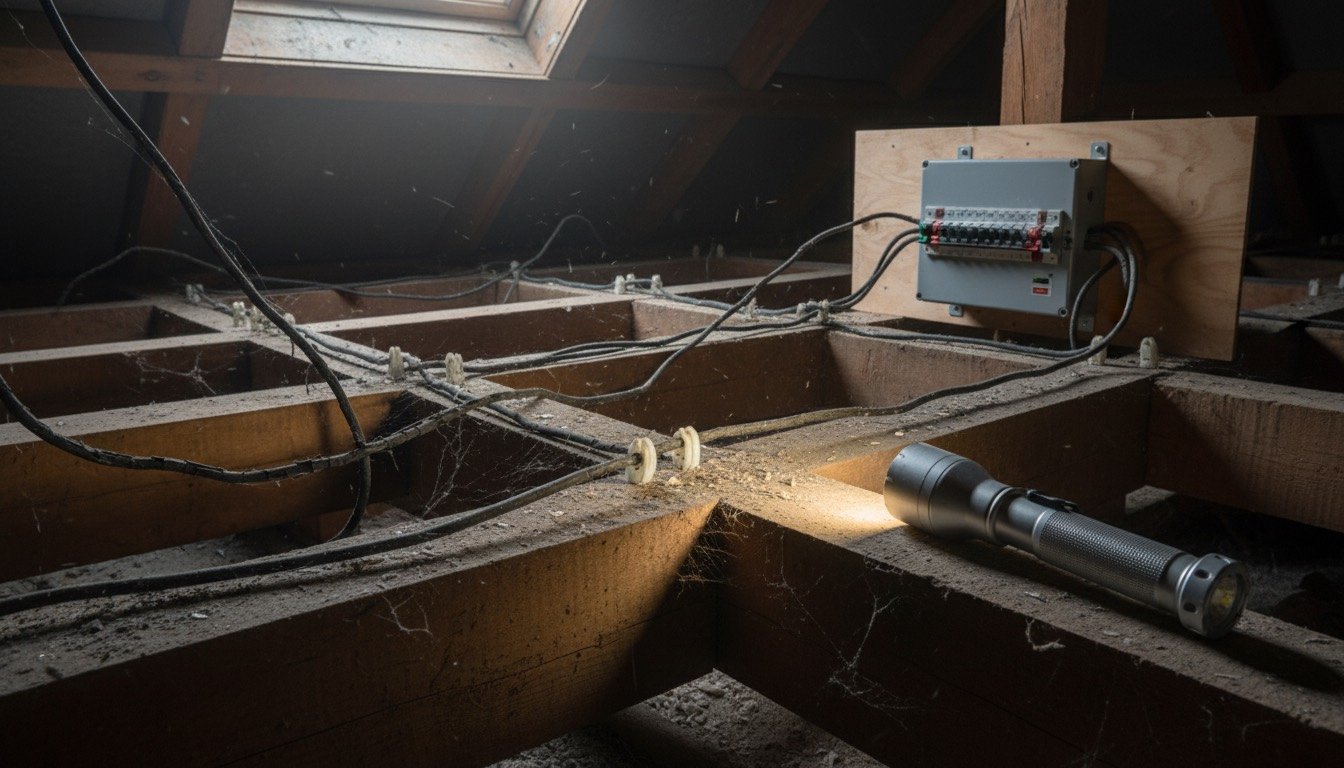
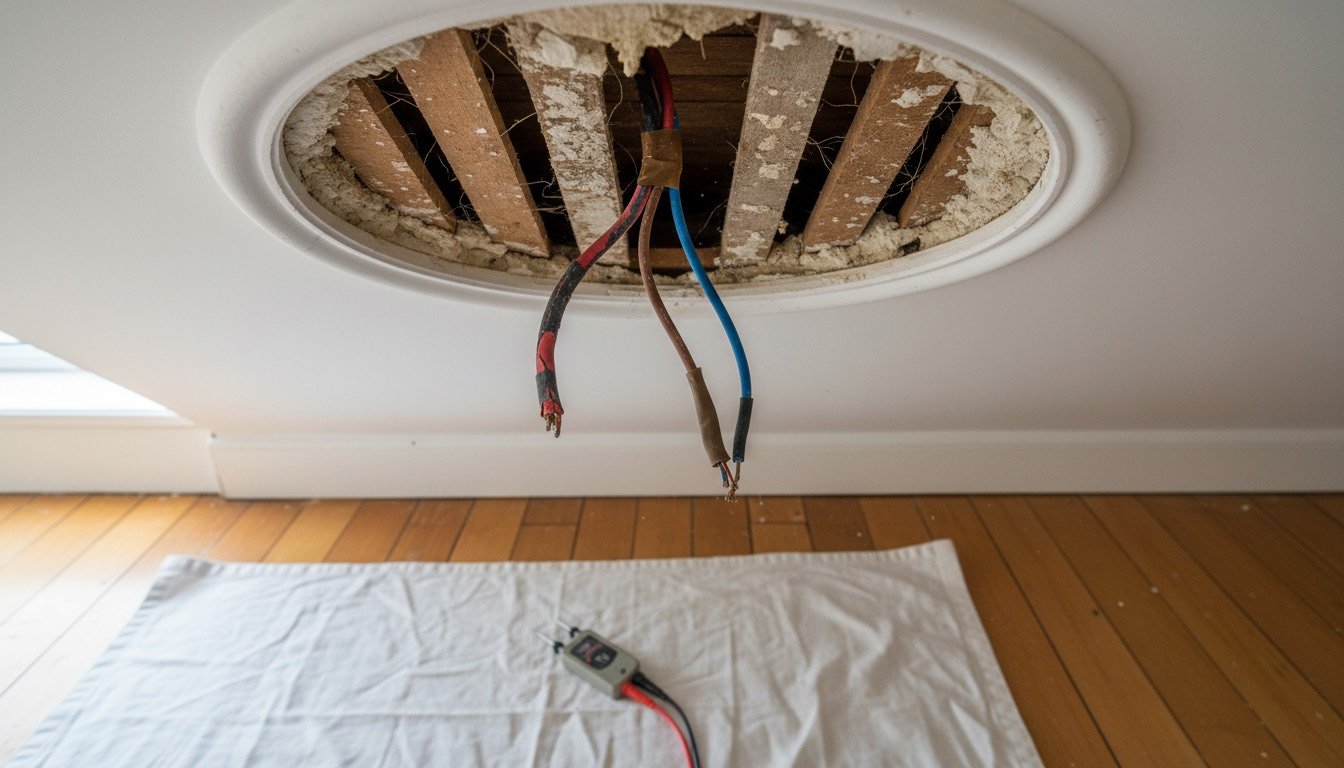
Pre-1970s housing forces the question most often. Rubber and lead-sheathed cable from the 1930s to 1950s - Britain's equivalent of the American knob and tube problem - crumbles when disturbed, so adding one socket becomes a partial rewire and a notifiable job. Aluminium conductors, used in some 1960s and 1970s council stock, creep at terminations. If either turns up, get an EICR at £150-£350 before committing and price a full rewire as the realistic alternative.
Landlords carry a separate duty regardless of Part P. In England the Electrical Safety Standards in the Private Rented Sector Regulations 2020 require a satisfactory EICR every five years, with penalties up to £30,000. Wales matches this; Scotland has since 2015.
Two final traps. An EV charger installation is a new circuit, so it is notifiable, and the installer must also notify the distribution network operator - which makes a competent-person installer effectively compulsory. And in a listed building, chasing cable into original plaster can need listed building consent: a separate requirement, with criminal penalties.
Common Questions
- •Do I need to notify a consumer unit replacement? Yes, in England and Wales, even like-for-like. It is the most commonly missed notification of all.
- •Can I do notifiable work myself? In England and Wales yes, but notify building control first and pay for inspection and testing. A registered electrician is usually cheaper.
- •What if previous owners never notified? Ask for certificates at purchase; if none exist, budget for an EICR plus an indemnity policy or a retrospective inspection.
- •Does a bathroom extractor fan count? If it alters a circuit within the bathroom zones, yes. A fan fed from a lighting point outside the zones may not - check with building control.
- •How do I check my board before starting? Work through our electrical inspection checklist; ten minutes often answers the question.
Found this useful?
There's plenty more — hundreds of guides and honestly-tested product reviews for every corner of your home.
Browse All Guides