Costs & Hiring · 6 min read · 2 June 2026
Buying an Old House vs New House: UK Costs, Pros and Cons Compared
A 1902 terrace and a 2024 estate house can cost within £20,000 of each other and still bankrupt you differently. Here is the honest ten-year comparison, plus the renter-safe version.
By the Nims Casa editorial team — written from professional cleaning experience and checked against our editorial standards.
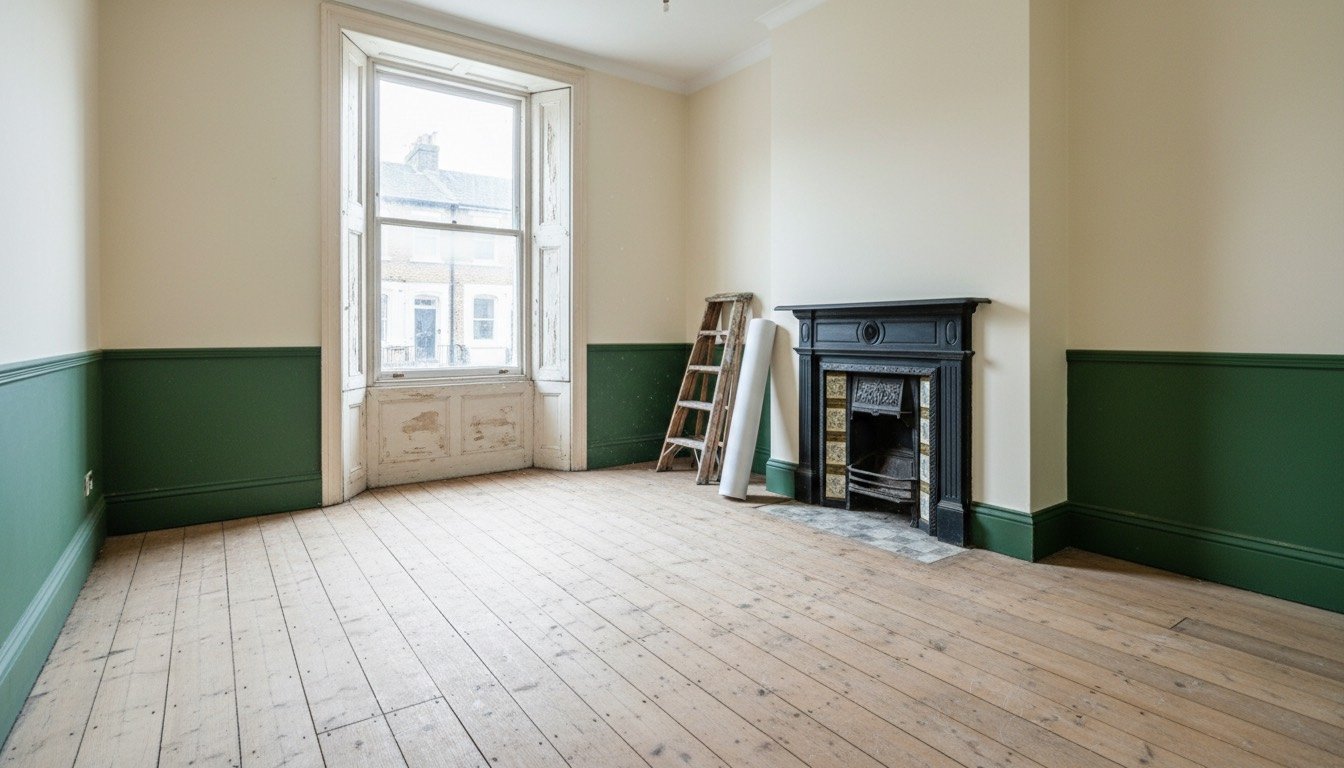
A 1902 mid-terrace and a 2024 estate house can sit half a mile apart, cost within £20,000 of each other, and ask completely different things of you over the next decade. One wants capital and patience up front. The other wants far less of both, then charges you in smaller rooms, thinner walls and an estate fee nobody mentioned at the show home.
We have surveyed, stripped and replastered both. Costed over ten years they land closer together than either agent will admit; what differs is where the money goes and when.
Old house vs new build: the differences that actually matter
These are the differences that drive every cost decision afterwards.
- •Space: a three-bed Victorian mid-terrace runs 95-115 m² with 2.7-3.0 m ceilings; a three-bed built since 2015 runs 84-95 m² with 2.4 m ceilings.
- •Walls: 215 mm solid brick with no cavity in pre-1920 stock, versus insulated cavity or timber frame with a measured airtightness test.
- •EPC: pre-1900 housing averages band D or E; homes built under current Part L land at B, occasionally A.
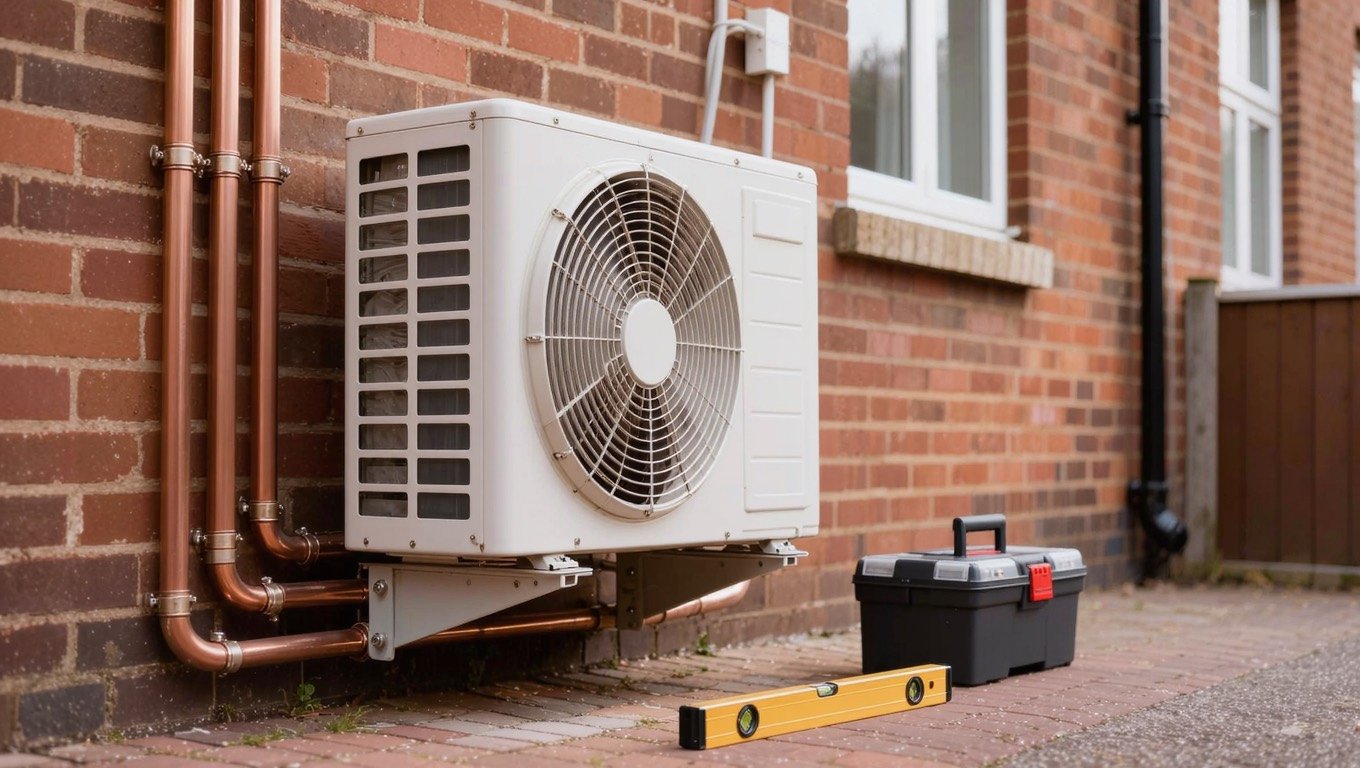
- •Heating: old stock is nearly always a gas combi on microbore or 15 mm copper; new stock increasingly arrives with an air source heat pump and a cylinder cupboard.
- •Warranty: a new build carries NHBC Buildmark or equivalent — two years on defects, years three to ten on structure only. An old house carries nothing.
- •Charges: new estates often levy £150-£500 a year for unadopted roads, plus covenants on extensions, colours and parking. Freehold terraces rarely have either.
Performance: what each is like to live in
A post-2015 house holds heat. Switch the heating off on a February evening and you might lose 1°C an hour, where a solid-wall terrace on a suspended timber floor loses two to three times that, the cold arriving at ankle height from the airbricks. Bills follow: a three-bed EPC B house runs £850-£1,100 a year on energy, an uninsulated EPC E terrace £1,900-£2,500. On noise the older house wins: solid brick beats a timber-frame party wall.
New builds are not problem-free. Airtight construction plus trickle vents people keep shut is why two-year-old houses grow black spots behind wardrobes: condensation, not a wall defect. Old houses produce the other sort, penetrating damp through failed pointing and salt-contaminated plaster at skirting level. Telling them apart is the most useful skill in either house, and our guide to damp and mould in UK homes sets out the test.
The ten-year cost, worked through
Two three-bed houses in one postcode: a Victorian mid-terrace at £280,000 and a comparable new build at £310,000. The new-build premium sits at 10-15% and takes five to eight years of ordinary growth to wash out.
- •Terrace, energy: £2,100 a year for three years, £1,400 after loft, floor and internal wall insulation — about £16,500.
- •Terrace, rewire and consumer unit £4,500-£7,000 on any pre-1990 installation (see what rewiring a house costs); boiler £2,400-£3,400.
- •Terrace, roof: slipped slates early, a full re-cover somewhere in the decade, £7,000-£12,000. Damp works and replastering £1,800-£3,000. Sash overhaul across eight windows £3,500-£6,000.
- •Terrace, routine upkeep about £700 a year. Ten-year total: roughly £42,000-£52,000.
- •New build, energy about £950 a year — £9,500. Repairs in years one and two are the developer's, provided every item is logged in writing.
- •New build, estate charge £150-£500 a year, index-linked. Routine upkeep about £350. Component cluster at years eight to twelve — shower valve, taps, uPVC hinges, extractors, fence panels — £2,500-£4,000. Ten-year total: roughly £19,000-£23,000, plus the £30,000 premium paid on day one.
Buying it: surveys, snagging and the money to hold back
Add the premium back and the gap narrows to £8,000-£12,000 over a decade — real, but smaller than most assume, and roughly the value of the extra 15 m² and garden. The purchase itself is where the two diverge.
- •Old house: commission a Level 3 building survey, £700-£1,500. A Level 2 HomeBuyer Report on anything pre-1920 is false economy.
- •Ask the surveyor to price the defects, not just list them, then take that figure into renegotiation. Lenders retain funds against damp and roof findings.
- •New build: book an independent snagging inspection before legal completion, £300-£600. Two hundred logged items is normal; what matters is that they are on paper before you sign.
- •Check the estate charge, the covenants and road adoption before exchange — none of it is negotiable afterwards.
- •View twice either way, once in daylight and once after heavy rain; our list of red flags when buying a house covers what to look for.
Maintenance: what each will ask of you
The old house wants skilled, occasional, expensive attention — lime repointing rather than cement, sash cords, chimney flaunching, slate slips after every gale, and cast-iron gutters cleared before they dump water down a solid wall and recreate the damp you paid to cure. None of it is urgent on any given weekend, which is why it gets deferred until it is.
The new house asks for almost nothing for five years, then everything at once, because the components were specified to a budget. Put £400 a year aside from completion and the year-nine cluster is an inconvenience, not a crisis.
The renter-safe version: what a tenant can do without risking the deposit
Tenants get the same cold terrace with none of the power to fix it. Everything below is reversible and leaves nothing on a check-out report.
- •Draught-proofing: self-adhesive EPDM strip in sash and casement rebates, a brush strip on the letterbox, a weighted excluder at the front door. About £30-£60 for a flat, and it peels off cleanly.
- •A chimney balloon or wool chimney sheep in an unused fireplace, £20-£40, stops a lot of heat leaving.
- •Magnetic secondary glazing — clear acrylic on a self-adhesive strip, £40-£90 per window. Warm it with a hairdryer to lift it cleanly at the end.
- •Thermal-lined curtains on the existing poles, reflector panels behind radiators on external walls, and a 10-12 litre dehumidifier run while washing dries indoors. All swap-back, and together they end most condensation.
- •Decor: command strips, freestanding shelving and loose-lay vinyl over the existing floor — our rental-friendly decor ideas covers what comes off cleanly.
- •Two things are the landlord's job: a property let in England needs an EPC of E or better and a valid EICR. Report damp or heating failure in writing.
Who each suits, and the verdict
Over ten years the money is close enough that it should not decide this for you: take the new build for certainty, the old house for space and optionality. What decides it is cash reserve — a period property without a contingency fund is a slow-motion problem, not a bargain. If you are leaning period, price the work first with what it costs to renovate an old house, then read the Costs & Hiring guides before you offer.
- •Buy the old house if you want space per pound, can hold £15,000-£25,000 in reserve for three years, and will project-manage trades.
- •Buy the new build if you are time-poor, need predictable outgoings, and count smaller rooms a fair trade for a warranty.
- •Buy neither on a stretched budget if the period house needs a roof and a rewire on day one — that combination breaks more first-time buyers than anything.
Found this useful?
There's plenty more — hundreds of guides and honestly-tested product reviews for every corner of your home.
Browse All Guides