Electrical · 6 min read · 25 April 2026
Ceiling Fan Size Guide: Blade Span, Drop and Clearance for UK Rooms
Most disappointing ceiling fans were chosen from a photograph rather than a tape measure. Here is how blade span, drop rod length and clearance actually work in British rooms.
By the Nims Casa editorial team — written from professional cleaning experience and checked against our editorial standards.
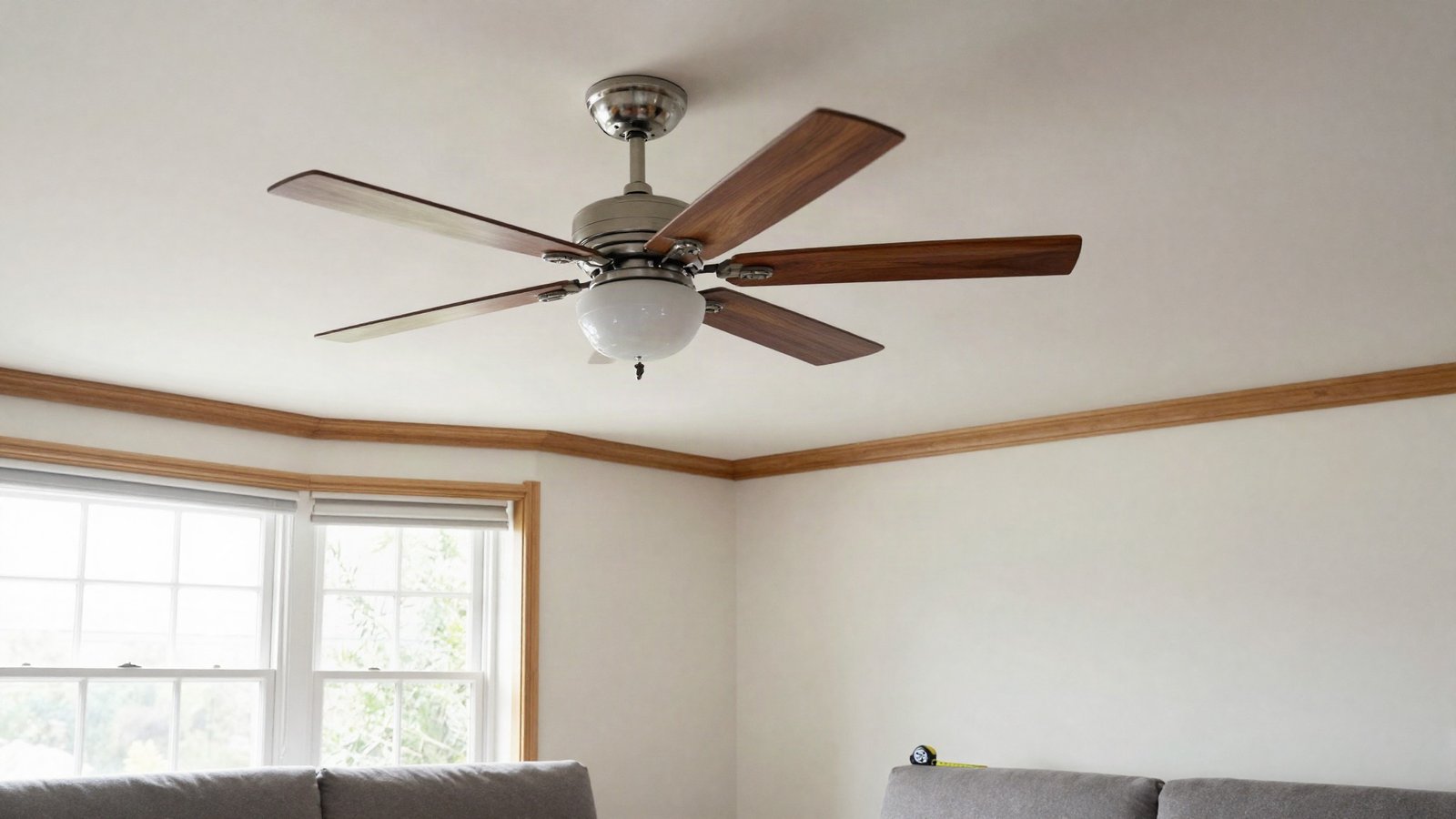
Three numbers decide whether a fan moves air across a room or churns it beneath itself: blade span, drop rod length, and clearance around the blades. Get those right and a 15W motor makes a July bedroom sleepable.
British housing makes this harder than the American guidance you will find online. A 1998 new-build has a 2.3m ceiling; the Edwardian terrace two streets away has 3.1m and coving you do not want to touch. This guide works in a fitter's order: diagnose what is actually wrong first, then size the sweep, then the drop, then worry about the light.
Start here: which fan problem do you actually have?
Match your complaint to the list below before buying anything. Half the people who ask about sizing do not have a sizing problem, and a bigger fan will not fix a mounting fault.
- •Runs flat out but the room still feels stuffy — the sweep is too small for the floor area. A 1,067mm fan in a 20m² lounge shifts air in a tight circle and nothing at the edges. Go wider, not faster.
- •Fierce draught underneath, dead air three metres away — the same fault in different clothing. Narrow blades spinning hard make a column, not a circulation pattern; a wider fan on speed two moves more air, more quietly.
- •Blades feel oppressive overhead — the drop rod is too long. Measure floor to blade: under 2.3m and people instinctively duck.
- •Wobble, ticking or a hum — not a sizing issue at all. That is loose mounting, unbalanced blades, or an AC motor fed by a wall dimmer.
- •One end of a knocked-through room stays warm — no single fan serves an L-shape or a room longer than about 7m. Two fans beat one large one.
- •Dimmer room since you fitted it — integrated fan lights rarely exceed 1,200 lumens against 2,500 from the pendant you removed. That is a lighting problem, not a fan problem.
What "size" means on a ceiling fan
Sweep, also called blade span, is the circle described by the blade tips, measured tip to tip through the centre. UK retailers quote millimetres, imported specifications inches: 1,067mm is 42in, 1,320mm is 52in. That one number does most of the work.
Airflow is quoted in cubic metres per minute: a decent 1,320mm fan moves 180–240 m³/min on maximum, a 900mm fan 90–130. Motor type matters too. DC motors draw 3–35W, give six speeds and are near-silent; older AC motors draw 50–75W and hum. For a bedroom, pay the extra £60–£100 for DC. Blade count is largely cosmetic — pitch matters more, and under 12 degrees is decorative rather than functional.
The sizing decision tree, room by room
Measure floor area in square metres and read across. Between two bands, go up: a larger fan on a low speed beats a small one working hard.
- •Under 7m² (box room, home office): 750–900mm sweep.
- •7–12m² (average UK double bedroom, small dining room): 1,050–1,100mm.
- •12–18m² (typical terraced or semi lounge): 1,200–1,320mm.
- •18–25m² (large lounge, open kitchen-diner): 1,320–1,520mm.
- •Over 25m², L-shaped, or longer than 7m: two 1,200mm fans, spaced a third in from each end.
- •Keep blade tips at least 450mm from any wall, 600mm if you can — closer gives turbulence and noise.
- •Centre the fan over where people sit or sleep, not the geometric middle — one centred above a coffee table cools nobody.
- •On a sloping ceiling, allow 900mm from tips to slope and check the canopy's pitch rating — many stop at 15 degrees.
Ceiling height and drop rods
This is where most UK installations go wrong. Fans work best with blades 2.4–2.7m above the floor: comfortable in a Victorian room, impossible in a 1980s bedroom. The practical floor is 2.1m, below which any decent electrician will refuse to hang it. Measure finished floor to ceiling before ordering — the rod in the box is usually only 100–150mm.
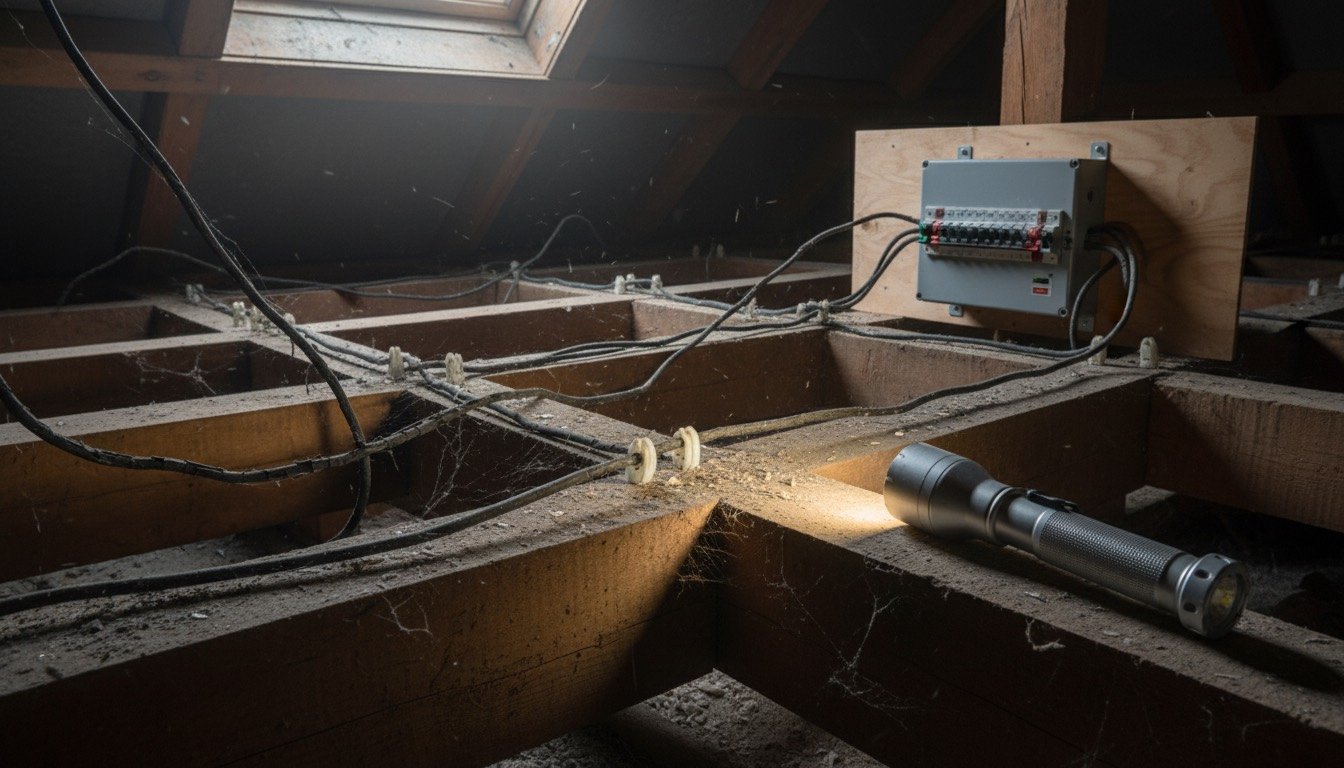
Check what you are hanging it from. A fan applies live rotational load, not the dead weight of a pendant, and a plasterboard rose fixing is not adequate — it needs a batten or noggin between the joists.
- •2.3–2.4m ceiling: low-profile or hugger fan, no rod. Accept 15–20% less airflow.
- •2.5–2.7m: the supplied 100–150mm rod.
- •2.8–3.0m: 300mm rod.
- •3.0–3.6m: 450–600mm rod.
- •Above 3.6m: 900mm or longer, and buy the rod from the same manufacturer for the wiring length.
Light output, colour temperature and dimmers
If the fan replaces the room's only ceiling light, check the integrated LED's lumen figure before buying — afterwards your options are limited. In most rooms the honest answer is to treat the fan as air movement plus a soft central glow and add table and floor lamps, the approach in our guide to layering lighting in a room. Choose 2,700K for bedrooms and living rooms, 3,000–4,000K for kitchens.
Never put a ceiling fan on a standard wall dimmer. Dimmers are built for resistive and LED loads, not inductive motors, and the result is buzzing, overheating and a shortened motor life. Use the pull cord, the remote, or a proper fan speed controller. If the light strobes, that is a driver or dimmer mismatch — see why LED lights flicker.
Costs, DIY and the legal boundary
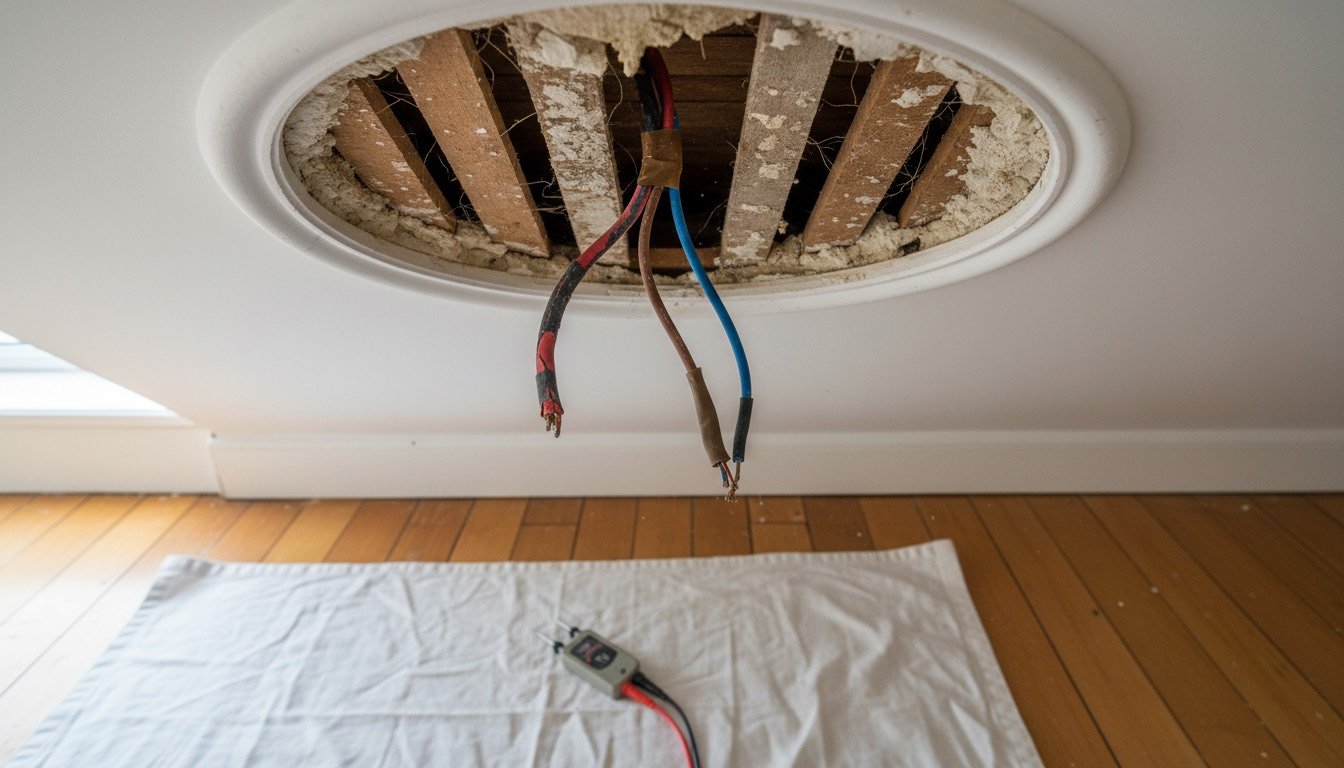
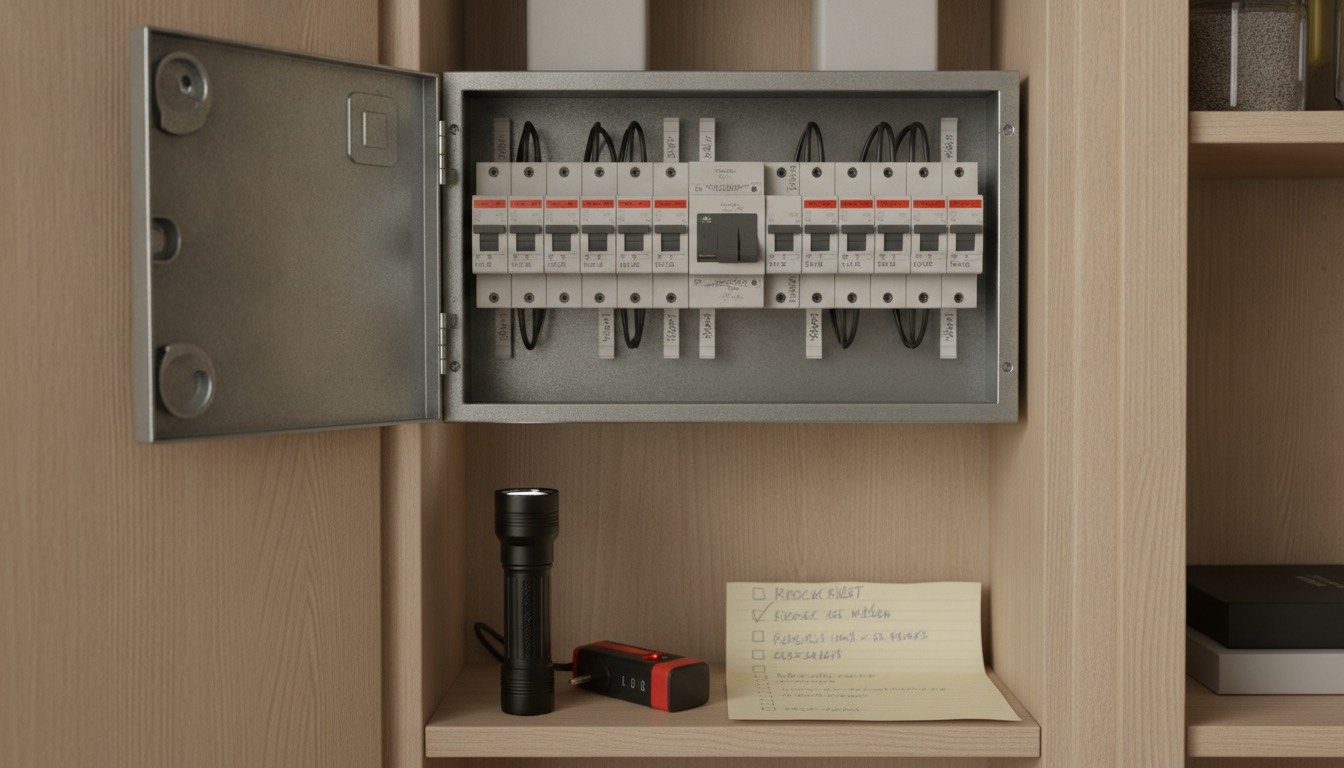
Swapping a fan for a fan on an existing ceiling rose is within reach of a competent DIYer, provided the fixing is sound and the circuit is isolated at the consumer unit and proved dead. Our ceiling fan installation walkthrough covers bracing and wiring. Running new cable, adding a second switched live, or working in a bathroom is a different job under different rules.
In England and Wales, Part P of the Building Regulations makes new circuits and any electrical work in a bathroom notifiable, through a registered competent person scheme or building control. Scotland works to the Building (Scotland) Regulations via the local authority, Northern Ireland has its own equivalent, and all of it must comply with BS 7671. Requirements change, so confirm the position for your address before starting, and read which electrical repairs you should never DIY if in doubt.
- •Budget AC fan, 1,050–1,320mm, from a UK shed or trade counter: £60–£120.
- •Mid-range DC fan with remote and dimmable LED: £150–£300.
- •Premium DC fan (Fantasia, Henley, Faro, Lucci Air): £300–£650.
- •Electrician, like-for-like swap on an existing rose: £80–£160, roughly 1–2 hours.
- •New position with cable run, joist bracing and switch: £250–£450 plus making good.
- •Running cost: a 15W DC fan for eight hours costs about 3p a day at 26p/kWh; a 65W AC fan nearer 13p.
Frequently asked questions
- •Can a fan be too big for a room? Practically no — oversized fans simply run slower. The real limits are wall clearance and headroom, not power.
- •Do ceiling fans cool a room? No. They cool people by moving air across skin, worth roughly 3°C of perceived difference. Switch them off in empty rooms.
- •Should it run in winter? Yes, on reverse and the lowest speed, pushing warm air down off the ceiling — see our guide to ceiling fan direction.
- •Maintenance? Wipe the blade tops every three months, since uneven dust causes wobble, and check the downrod grub screws annually.
Found this useful?
There's plenty more — hundreds of guides and honestly-tested product reviews for every corner of your home.
Browse All Guides