Organisation & Storage · 6 min read · 26 June 2026
How to Declutter Your Home Room by Room (Without the Overwhelm)
Decluttering fails when it's treated as one heroic weekend. The sustainable version is boring, 20 minutes at a time — and it actually sticks.
By the Nims Casa editorial team — written from professional cleaning experience and checked against our editorial standards.
We clean homes for a living, and here's the honest observation: cleaning a cluttered home takes twice as long and never quite looks finished, because clutter is visual noise no amount of polish can fix. Yet the all-weekend decluttering blitz fails most people — it ends in an exhausted heap of 'maybe' piles by Sunday teatime, and the house looks worse than when you started because nothing has actually left the building.
What works instead is smaller, more boring, and permanent: short sessions, one zone at a time, a simple sorting system, and a clear exit route for anything you're letting go of. It's less satisfying than a dramatic before-and-after, but it's the version still holding a year later.
This guide covers the four-box method, room order, the tools worth buying, common mistakes, and how to keep a decluttered home that way — plus a short FAQ.
The Four-Box Method: A Decluttering System That Actually Works
The system needs a timer, four boxes, and one rule: pick a single zone, never a whole room. A drawer, a shelf, one cupboard — 'the kitchen' is not a zone, it's a weekend you'll abandon by lunchtime. Handle every item once — pick it up, choose a box, put it down, move on. No re-sorting piles later, which is where decision fatigue creeps back in.
- •Set a timer for 20 minutes and choose one zone only — a drawer, one shelf, a single cupboard.
- •Label four boxes: Bin, Donate, Belongs Elsewhere, Decide Later.
- •Pick up each item once and place it straight into a box — no re-handling, no 'I'll come back to it'.
- •Write today's date plus three months on the Decide Later box, then close it.
- •Return Belongs Elsewhere items to their correct room immediately, before sitting back down.
- •Stop the moment the timer goes off, even mid-drawer — momentum comes from finishing sessions, not extending them.
- •Anything still sealed in Decide Later after three months goes to donation, unopened.
Room-by-Room Order: Where to Start (and Where to Finish)
The order you tackle rooms in matters as much as the method. Start where decisions are easy; save sentimental items for last, once you've built decision fitness.
- •Bathroom first — low sentiment, fast wins from expired products and hotel miniatures, finished in one or two sessions.
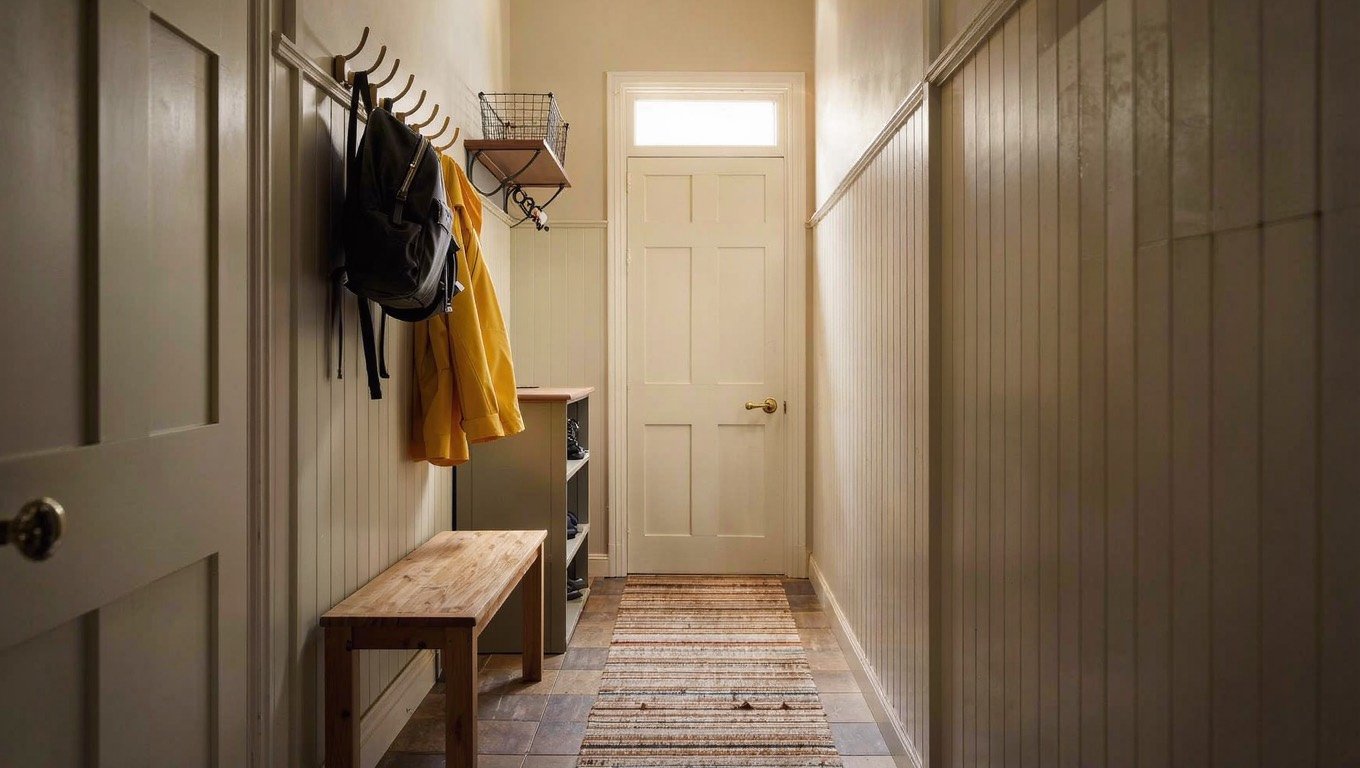
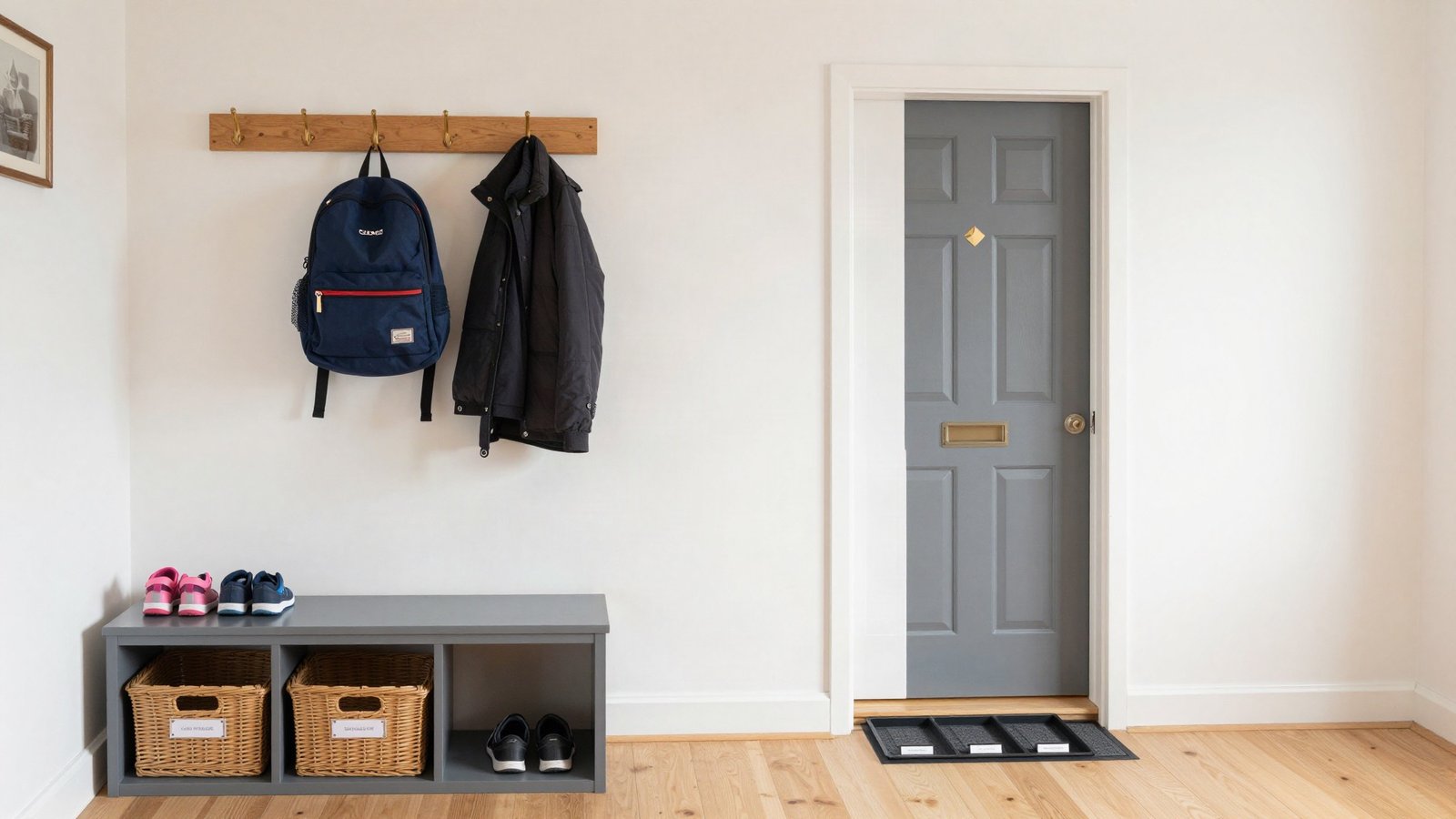
- •Hallway and kitchen surfaces next — daily-visible zones; a proper hallway drop zone makes results stick once it's done.
- •Wardrobes third — try the hanger trick: reverse every hanger, and anything still reversed in six months isn't earning its space. Full wardrobe organisation systems work best after the clear-out, not before.
- •Kitchen cupboards — group by task rather than item type; see kitchen cupboard organisation for zoning.
- •Kids' things — involve the child if over four, and do this before Christmas and birthdays, never straight after.
- •Garage, shed or loft — usually the biggest win by volume; see garage storage ideas once sorted.
- •Sentimental boxes, photos and paperwork last — never start here. This is where decluttering resolutions go to die.
Tools and Supplies Worth Buying (and What to Skip)
You don't need a storage-system shopping trip before you start — that's a trap covered below. A handful of cheap supplies genuinely speed the process up.
- •Heavy-duty bin bags — around £4 to £6 for a roll of 20, so nothing splits en route to the car.
- •A permanent marker and masking tape, or a basic label maker — £2 for tape, £15 to £25 for a label maker.
- •Box-for-life crates for the Donate box, ready to load the same day — around £1 to £3 each.
- •Clear stackable storage boxes for the keep pile only, bought after sorting — £15 to £35 for a set of four to six.
- •Vacuum storage bags for out-of-season bedding and clothes — £10 to £15 for a pack of five.
Getting Clutter Out of the House for Good
A donate bag left in the hall for six weeks is just relocated clutter. Book its exit the moment it's full. Charity shops accept most clothing, books, toys and household items in saleable condition, and several larger UK charities collect furniture free if you book ahead. Textile recycling banks, often found at supermarket car parks, take worn-out clothing charity shops can't resell. Council recycling centres handle anything electrical, and a free listing on a local selling app usually clears bulky items within a day or two. The rule that matters: bags leave the house within one week, unexamined — reopening them is how 'maybe' piles are born.
Common Decluttering Mistakes That Undo Your Progress
Most stalled projects fail for the same handful of reasons — our common home organisation mistakes guide covers this further, but these come up most in room-by-room decluttering specifically.
- •Starting with photos or memory boxes — save these for last, once momentum is built.
- •Buying storage before decluttering — empty containers just become clutter's new furniture.
- •Tackling 'the whole kitchen' instead of one cupboard — oversized zones stall weekend blitzes.
- •Leaving a full donate bag by the door for weeks instead of booking its collection.
- •Sorting other family members' belongings without them — it causes conflict and rarely sticks.
- •Skipping the Decide Later deadline — a box with no review date becomes permanent.
- •Decluttering and deep cleaning in one session — clear the clutter first, then clean.
Keeping a Decluttered Home That Way
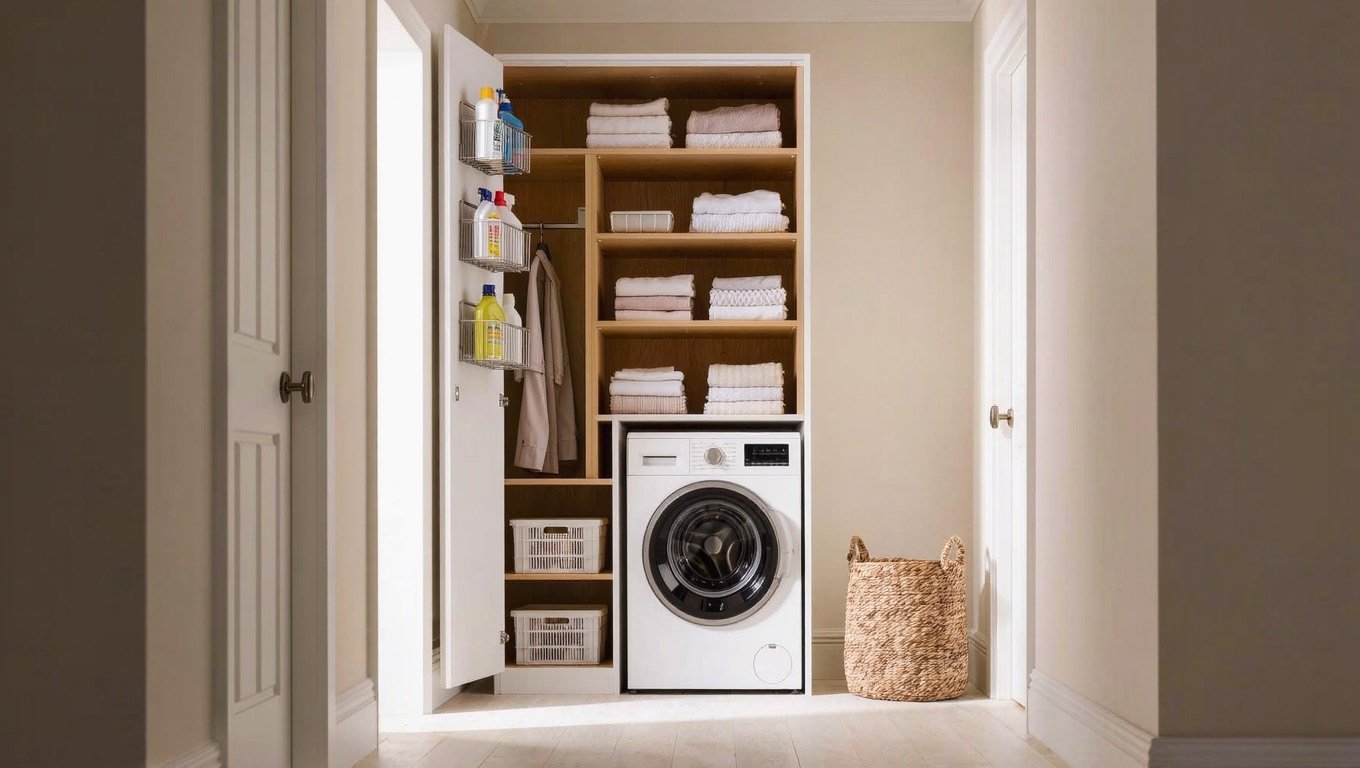
Keeping a home clear once life resumes is the hard part. Three habits do most of the work: one-in-one-out for clothes, books and toys; a permanent small donate basket somewhere central, like where coats live; and a 10-minute evening reset where everything goes back to its home before bed. Homes with a place for everything take minutes to tidy — homes without take hours, every time. Pair this with a proper laundry cupboard organisation system and a seasonal skim through a whole house cleaning checklist, and clutter stops coming back.
When to Call In Professional Help
Most homes never need outside help — the four-box method and a few weeks of 20-minute sessions gets there. It's worth bringing in support after a bereavement, ahead of a tight-deadline house move, or where volume has built up over years. Professional decluttering services in the UK typically charge £150 to £350 per day, while a full house clearance (skip hire, labour and disposal) generally runs £300 to £900 depending on volume. Always check a clearance firm holds a valid waste carrier's licence before they take electrical items away — it's a legal requirement.
Frequently asked questions
**How long does it take to declutter a whole house?** For an average three-bedroom UK home, expect four to eight weeks of 20-minute sessions, or a handful of dedicated weekends. Lofts and sentimental boxes usually take longest per square metre.
**What should I do with sentimental items I can't decide about?** Put a genuine time limit on the Decide Later box — three months, written on the lid. If you haven't opened it by the date, that's your answer: donate it unopened. For items with real meaning, photograph them before letting go.
**Is it better to declutter before or after a house move?** Before, wherever possible. Every item decluttered beforehand is one you don't have to pack and unpack, and UK removal costs are often partly based on volume, so a lighter load can genuinely save money.
**How do I get the rest of the family on board?** Let each person handle their own belongings rather than sorting on their behalf. Model the 20-minute habit yourself first in shared spaces, since visible quick wins persuade better than a lecture about clutter.
**What's the difference between decluttering and organising?** Decluttering means removing items you no longer need. Organising means giving what you're keeping a proper home. Organising first — buying baskets for things about to be given away — is the most common wasted spend we see.
**Do I need to buy new storage before I start?** No — buy storage after sorting, once you know exactly what you're keeping. Buying boxes in advance almost always results in the wrong size, and empty boxes become another thing cluttering the room.
Found this useful?
There's plenty more — hundreds of guides and honestly-tested product reviews for every corner of your home.
Browse All Guides