Electrical · 6 min read · 2 July 2026
How Much Does It Cost to Install an Outlet in the UK? 2026 Socket Prices
A 13A double socket costs about £4 at the trade counter. Getting one onto your wall costs between £90 and £520, and the gap is almost entirely about where the nearest live cable sits.
By the Nims Casa editorial team — written from professional cleaning experience and checked against our editorial standards.
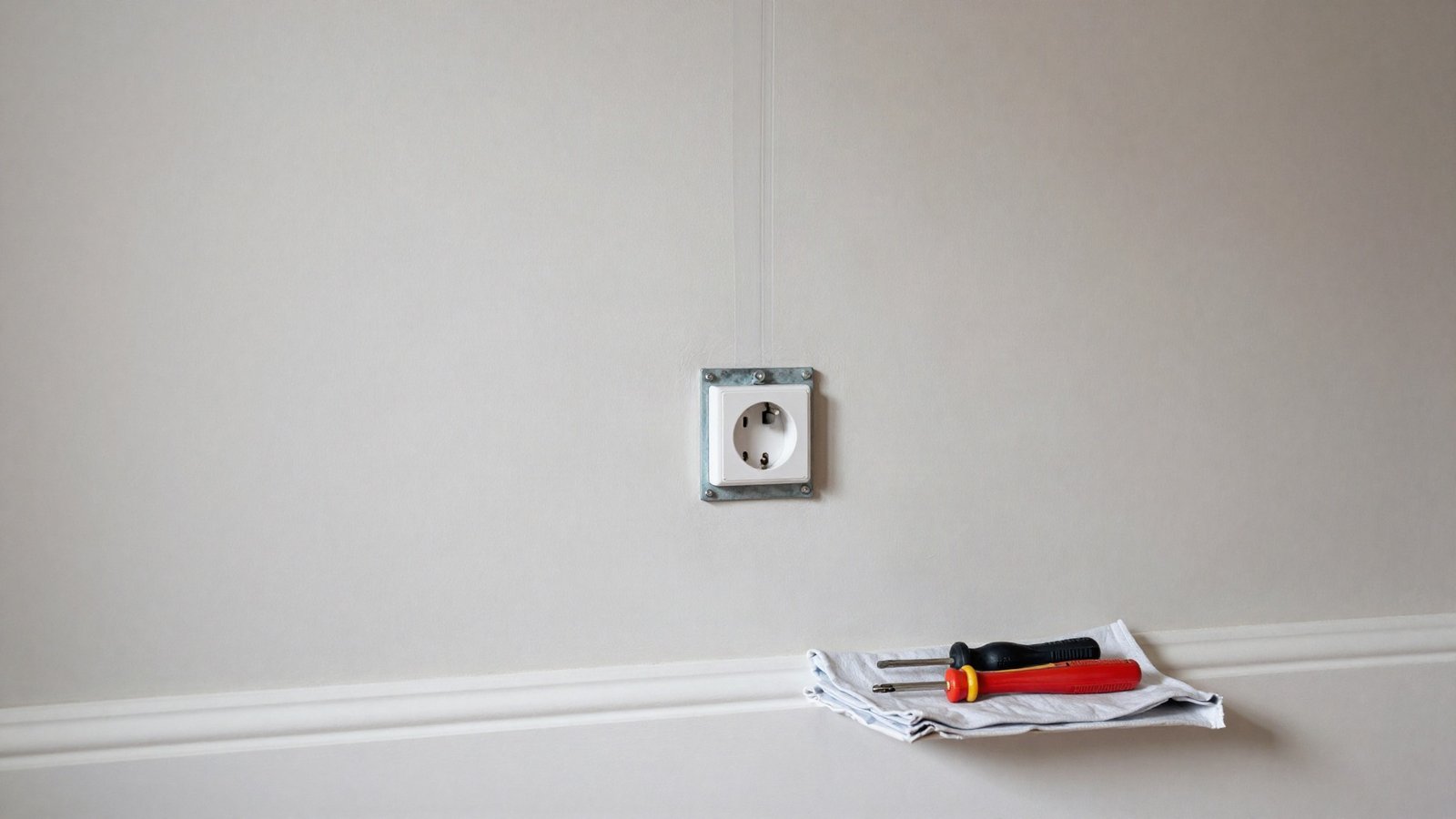
A white moulded 13A double socket costs about £4 at a trade counter. Getting one onto your wall costs between £90 and £520, and almost none of that difference is the socket. You are paying for a cable run: how far it travels, what it passes through, and whether the consumer unit can legally accept it.
That is why phone quotes vary so wildly. Before the numbers below mean anything, work out which of five jobs you actually have.
Start here: which socket job are you actually buying?
Electricians do not price sockets, they price cable runs and testing time. Stand where you want the point and work down this list — the first yes sets your band.
First, though: a socket that exists but has no power is not an installation job at all. Run the dead-socket diagnosis sequence — a tripped RCD or a backed-out terminal screw costs nothing to fix.
- •Working socket on the same wall within a metre, same side of the plasterboard? A spur or a faceplate swap. Cheapest band.
- •Nearest point on the same floor and circuit, clear route through skirting, void or loft? An extension of the existing ring. Middle band.
- •Route crosses a floor, a tiled splashback or a load-bearing wall? Add an hour each, plus a tiler or plasterer.
- •Feeding one heavy fixed load — workshop, hob, garden room? That is a dedicated circuit, not a socket. Two bands up.
- •Bathroom, outbuilding or external wall? Special locations bring IP ratings, zone restrictions and sometimes notification.
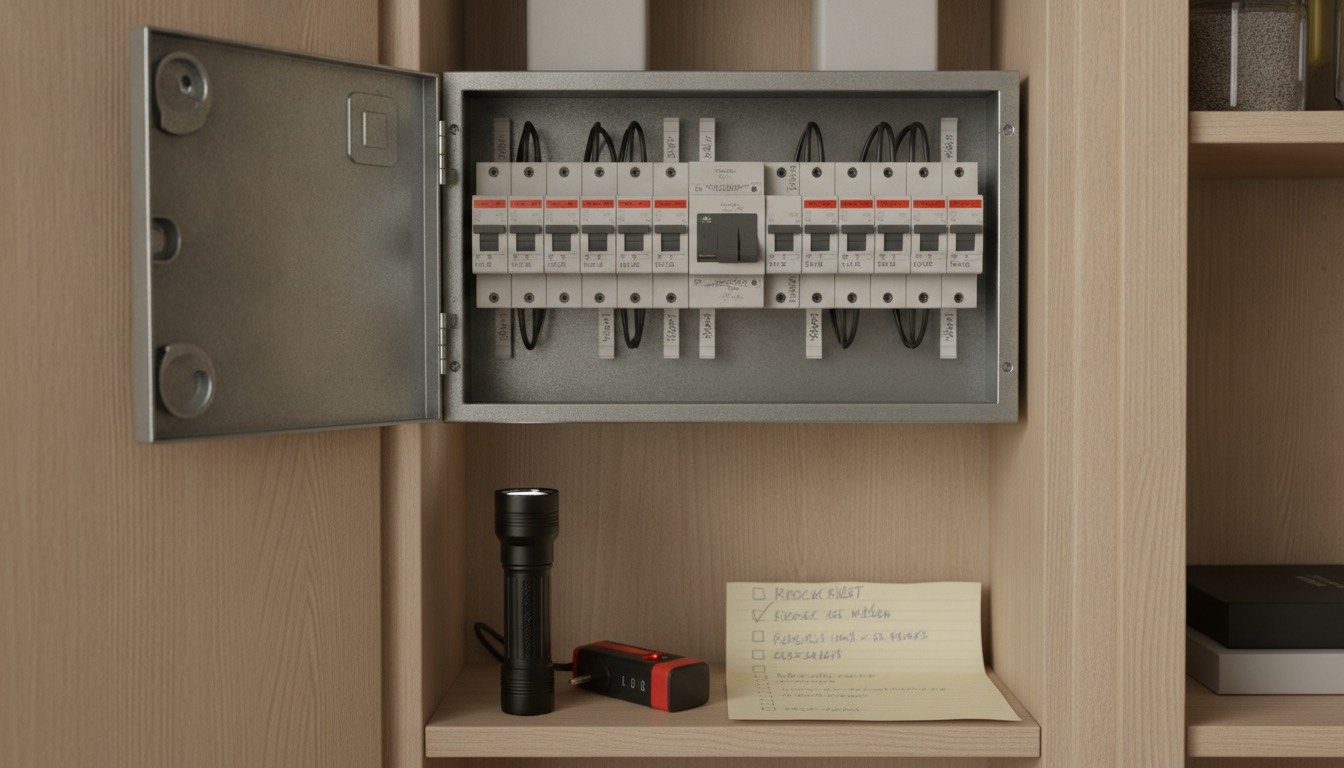
- •Now open the consumer unit. Spare way? A 30mA RCD or RCBO? No spare way is the commonest reason a £280 job becomes an £800 one.
What socket installation costs in the UK in 2026
All-in prices for one point, including testing and certification, from a registered electrician in daytime hours.
- •Faceplate swap on an existing back box: £60 to £95 standalone, £25 to £40 added to other work.
- •Spur a socket off an existing one, same wall, under a metre: £90 to £160.
- •New socket on an existing ring, 3 to 5 metres chased into plaster: £130 to £240 plus making good.
- •The same run crossing rooms or floors: £200 to £380.
- •New dedicated 20A or 32A radial from the consumer unit: £280 to £520.
- •Outdoor IP66 socket fed from inside: £170 to £320. Armoured sub-main to a garage or garden room: £700 to £1,600.
- •London and the South East run 25 to 40 per cent above; the North East, Wales and Northern Ireland 15 to 25 per cent below.
Labour versus materials: where the money goes
On a single-socket job materials are 8 to 15 per cent of the bill; the rest is time, testing and the certificate. Rates run £45 to £70 an hour outside London and £70 to £95 inside it, with a first-hour minimum of £60 to £120, which is why one small job costs nearly as much as three. Our breakdown of what an electrician charges goes further into call-out structures.
Retail prices for the parts themselves, spring 2026:
- •White moulded 13A double faceplate £3 to £6; screwless flat plate or brushed steel £14 to £28
- •Double socket with integrated USB-A and USB-C: £20 to £45
- •35mm galvanised back box £1 to £2; dry-lining box £1.50 to £2.50
- •2.5mm twin and earth cable £1.10 to £1.70 per metre; RCBO £22 to £45
- •Minor Works certificate normally included; a full EIC for a new circuit adds £0 to £60
What moves the price
Five things explain nearly every gap between two quotes, and four are visible before anyone starts.
- •Wall construction. Dot-and-dab plasterboard is fastest. Solid brick needs SDS chasing and a plaster patch: add £40 to £90. Lath and plaster rarely patches invisibly.
- •Making good. Chases are filled to a paintable finish, not a decorated one. The emulsion is yours.
- •Consumer unit condition. With rewireable fuses or no RCD, nobody can legally add a socket without providing 30mA protection first, and a board change runs £450 to £900 — see our consumer unit upgrade costs.
- •Quantity. The second and third socket in a room cost 40 to 55 per cent of the first: travel, set-up and testing are already paid for.
- •Circuit loading. Six new kitchen sockets on a ring already running a dishwasher, washer and dryer may need a new circuit instead.
Three worked examples
Leeds semi, double socket behind a wall-mounted TV. Plasterboard, spurred from a socket 700mm away, dry-lining box, no chase. An hour and a quarter at £55 (£69), materials £11, certificate included. Invoiced at £95, no VAT — the electrician trades below the registration threshold.
Bristol terrace, new double socket in a chimney alcove. Solid brick, 4.2 metres chased from the ring within the permitted safe zones, patch left ready for paint. Three and a half hours at £60 (£210), materials £18, filler £12. Net £240, invoiced at £288 with VAT.
Milton Keynes detached, new 20A radial to a workshop bench in the garage. Eleven metres through the loft, RCBO into a spare way, two IP66 sockets. Half a day at £190, RCBO £34, cable £26, accessories £29, certification included. Net £279, £335 with VAT.
Sanity-checking a quote
A quote that does not say where the cable comes from is a guess. Ask these before accepting anything.
- •Which point or circuit does it feed from, and by what route? Someone who has looked answers in ten seconds.
- •Is the certificate in the price — Minor Works for an alteration, a full EIC for a new circuit?
- •Does making good mean filled, skimmed or painted? Get it in writing, with VAT and the hourly rate shown separately.
- •Is the firm on the NICEIC, NAPIT or ELECSA register? Search the trading name, not the van sticker.
- •Walk away from a per-socket price quoted over the phone with no question about your walls, from anyone unwilling to record RCD trip times and earth loop impedance, and from talk of spurring off a spur.
Part P, certification and where DIY stops
In England, adding a socket to an existing circuit outside a special location has not been notifiable since 2013, though it must still comply with BS 7671. New circuits, consumer unit work and anything in a bathroom remain notifiable. Wales kept kitchens and outdoor work on the list; Scotland and Northern Ireland run their own rules — our guide on when electrical work needs notifying has the detail.
Notify Building Control yourself and you face a £150 to £400 fee plus inspection, which is why self-certification through a scheme member is nearly always cheaper. Uncertified work also surfaces on an EICR, or in conveyancing enquiries.
Swapping a faceplate on an existing box is within reach of a careful homeowner with the circuit isolated and proved dead. Extending a ring is not. Our list of electrical jobs never worth attempting yourself exists because the failure mode here is a fire behind plaster nobody can see.
How we costed this: quotes and invoices from England, Wales and Scotland between January and June 2026, ranges covering the middle 80 per cent, out-of-hours call-outs excluded. Component prices are UK retail as of June 2026, revisited annually.
Found this useful?
There's plenty more — hundreds of guides and honestly-tested product reviews for every corner of your home.
Browse All Guides