Carpets & Flooring · 6 min read · 9 May 2026
Tile Installation Mistakes to Avoid (Ranked by What They Cost to Put Right)
Almost no failed tiling job fails because of bad tile-laying. It fails because of what happened before the first tile went down, and because money got saved in exactly the wrong place.
By the Nims Casa editorial team — written from professional cleaning experience and checked against our editorial standards.
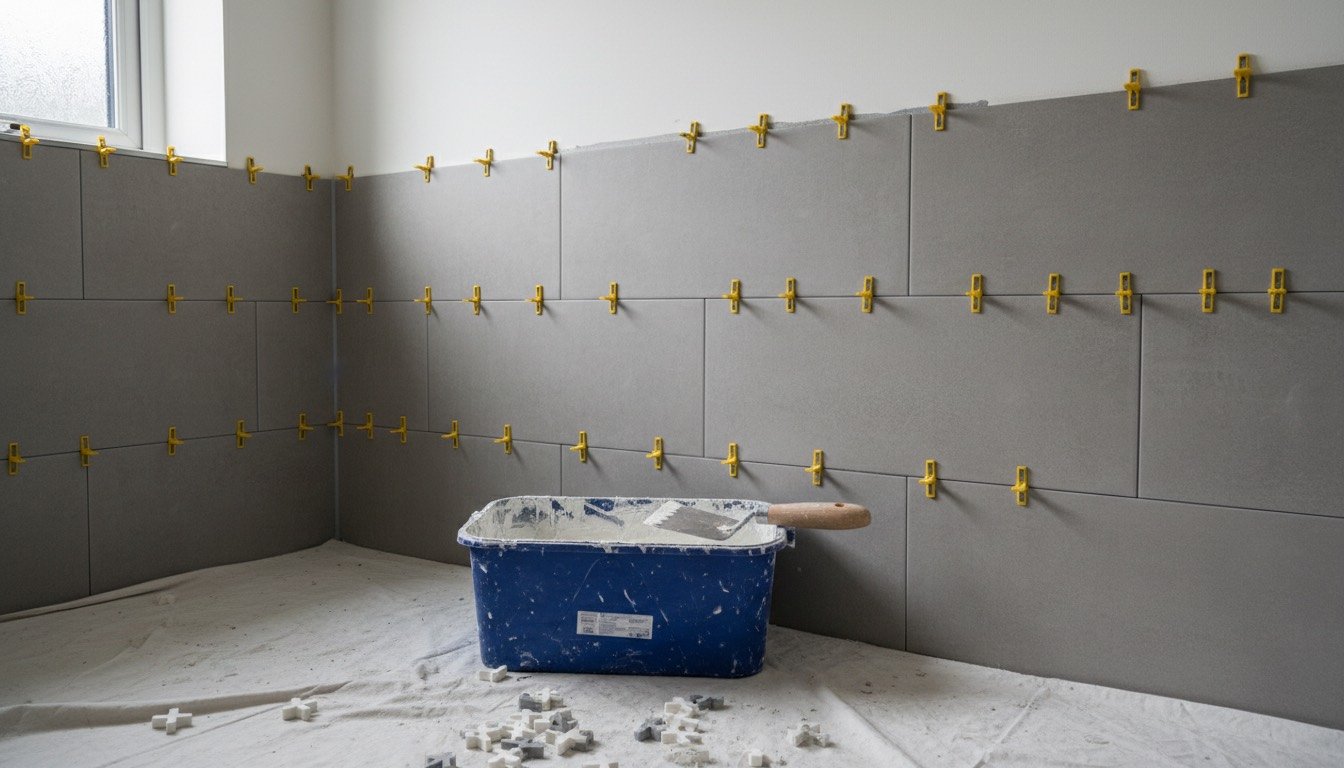
Most failed tiling we get called out to looks fine for about eighteen months. Lines straight, grout clean, and then one February a hairline crack tracks along a wall junction, or three tiles beside the shower tray start ringing hollow underfoot. The laying was usually competent. The prep, the adhesive bed and the movement detailing were not.
So this is a ranking by consequence and by money, not by how obvious the error looks. A tile cut badly at a door threshold annoys you daily and costs nothing to live with. A shower whose membrane never went behind the tray costs four figures and takes the ceiling below with it.
The mistakes ranked by what they cost to put right
Every figure below is a UK strip-and-redo range for a domestic bathroom or kitchen at 2026 rates, materials and labour combined. Note how steeply it climbs once water or structure is involved.
- •1. No waterproofing behind a shower or wet room. Rotten joists, a stained ceiling below, sometimes an insurance claim. £1,500-£6,000 to open up, dry out and rebuild.
- •2. Tiling onto a substrate that moves — springy chipboard, unbraced joists, old vinyl left down. Strip and re-tile: £900-£2,500 for a bathroom, £1,400-£3,500 for a kitchen-diner.
- •3. A hollow adhesive bed: five blobs per tile instead of a solid ribbed bed. Tiles crack under point loads. £600-£1,800 to redo, more if the tiles are discontinued.
- •4. No movement or perimeter joints. Cracked grout lines and tented tiles, worst over underfloor heating and long open-plan runs. £700-£2,000 to cut joints in retrospectively.
- •5. Grout in internal corners instead of silicone. Cracks within a year and lets water behind. £80-£250 to rake out and reseal properly.
- •6. Wrong grout or joint width — sanded grout scratching polished porcelain, or 2mm joints on hand-made tiles needing 4mm. £150-£500 to rake out and re-grout a room.
- •7. Layout errors: slivers under a wall, cuts landing at eye level, patterns out of square. Cosmetic, £0-£400 to disguise with trims — but you will notice it forever.
Why each one happens, and the fix
Substrate failures happen because prep is invisible and feels unbillable. On a suspended timber floor in a Victorian terrace, deal with deflection first — noggins between joists, then 15mm backer board or decoupling matting, not the old trick of 6mm ply at 300mm centres. If the boards flex as you walk the room, read the signs of subfloor damage before buying a single tile.
Hollow beds happen because dot-and-dab is quicker and hides an uneven wall. Good practice is around 80% adhesive coverage in dry areas and effectively full coverage in wet ones. Use the notch size the bag specifies, comb in one direction, and back-butter anything over 300x300mm. Lift one tile early in the day and read the transfer pattern — that ten-second check has saved more floors than any tool.
Movement joints get skipped because they look untidy. Leave a 5-8mm perimeter gap hidden behind skirting, and put an intermediate joint every 8-10m internally, dropping to 4-5m over heated screed. Anyone laying over underfloor heating also needs a flexible S1 or S2 adhesive, and should ramp the heating up slowly a week after grouting, not on day two.
The genuinely dangerous ones
These four are health and safety, not quality, and no saving justifies them.
- •Old 9-inch thermoplastic floor tiles and black bitumen adhesive in pre-2000 homes can contain asbestos. Never sand, grind or scrape them dry. Test first, or have a licensed contractor lift them: £250-£600 for a small room.
- •Dry-cutting porcelain releases respirable crystalline silica. Use a water-fed cutter or an M-class extractor plus an FFP3 mask — never a domestic vacuum indoors.
- •Chasing walls for pipes or cables puts you into the safe zones. Use a decent detector and stop if you find cable outside the vertical and horizontal zones from an accessory.
- •Tile weight on plasterboard is capped at roughly 32kg per square metre on 12.5mm board, around 20kg once skimmed. Heavier porcelain or stone needs backer board fixed to the studs, or it comes off the wall in one sheet.
What tiling actually costs in the UK, split honestly
Unless you have bought expensive stone, labour is the larger share: roughly 55-65% labour to 35-45% materials on a standard bathroom. A self-employed tiler charges £180-£280 a day across most of England and Wales, £250-£350 in London and the South East. Per square metre that is £35-£55 for plain floor tiles, £40-£65 for walls, £55-£80 for large-format porcelain and £70-£110 for mosaic or herringbone.
On materials, ceramic runs £12-£30 per square metre and porcelain £20-£50, with large-format and stone climbing to £120 — worth reading the porcelain versus ceramic comparison before you order. Add flexible adhesive at £18-£30 per 20kg bag covering 4-5m², primer at £20-£35 for 5 litres, grout at £8-£15 per 5kg (£45-£70 if epoxy), backer board at £12-£28 a sheet, a tanking kit at £60-£120, and trims at £8-£20 each. Order 10% waste on a square layout, 15% on diagonal or herringbone.
Two worked examples. A 4m² bathroom floor plus 14m² of walls in mid-range porcelain: tiles £430, sundries and boards £320, labour 3.5 days at £220 equals £770 — roughly £1,520 plus VAT if the tiler is registered. A 6m² metro-tile splashback: tiles £110, sundries £90, labour 1.5 days equals £330, so £530 all in. Our tile installation cost guide breaks the same numbers down room by room.
Reading a quote: reasonable versus suspect
A quote 30% under the others is cheaper because something has been left out. These are the tells.
- •Reasonable: itemised prep — priming, boarding or self-levelling compound named separately with a square-metre rate.
- •Reasonable: a stated adhesive class (S1, S2 or standard C2) and grout type, not just 'adhesive and grout included'.
- •Reasonable: a written waste allowance, a small materials deposit only, staged payments, and VAT shown or stated as not applicable.
- •Suspect: 'we can tile straight over the existing tiles' with no mention of primer, weight or door clearances.
- •Suspect: no line for tanking in a shower area, or tanking priced under £100 including labour.
- •Suspect: a day rate under £120 in 2026, or a fixed price quoted without anyone measuring or lifting a floorboard.
- •Suspect: 50% cash up front before any materials appear on site, and no written scope.
When to stop and call someone
Stop if the floor deflects visibly, if you find damp or crumbling screed, if suspected asbestos appears, or if the room is a full wet room with a formed gradient — tanking one is specialist work and the failure cost dwarfs the fee. Stop too if the tile is over 600mm on its long side and you are alone; large format is a two-person, levelling-clip job and lippage is unforgiving.
If the damage is done, it is not always a rip-out. A single drummy or chipped tile can usually be swapped — see how to repair a cracked tile — and failed joints often just need raking and redoing, covered in why grout cracks. Tap-test the whole floor with a coin first: if under 10% rings hollow and none of it sits in the wet zone, you are patching, not starting again.
Found this useful?
There's plenty more — hundreds of guides and honestly-tested product reviews for every corner of your home.
Browse All Guides