Plumbing · 6 min read · 1 May 2026
How Much Does Toilet Installation Cost in the UK? 2026 Price Guide
A straight WC swap can be £180. The same job in a Victorian terrace can be £900. Here is what UK plumbers actually charge in 2026, line by line, and where the money goes.
By the Nims Casa editorial team — written from professional cleaning experience and checked against our editorial standards.
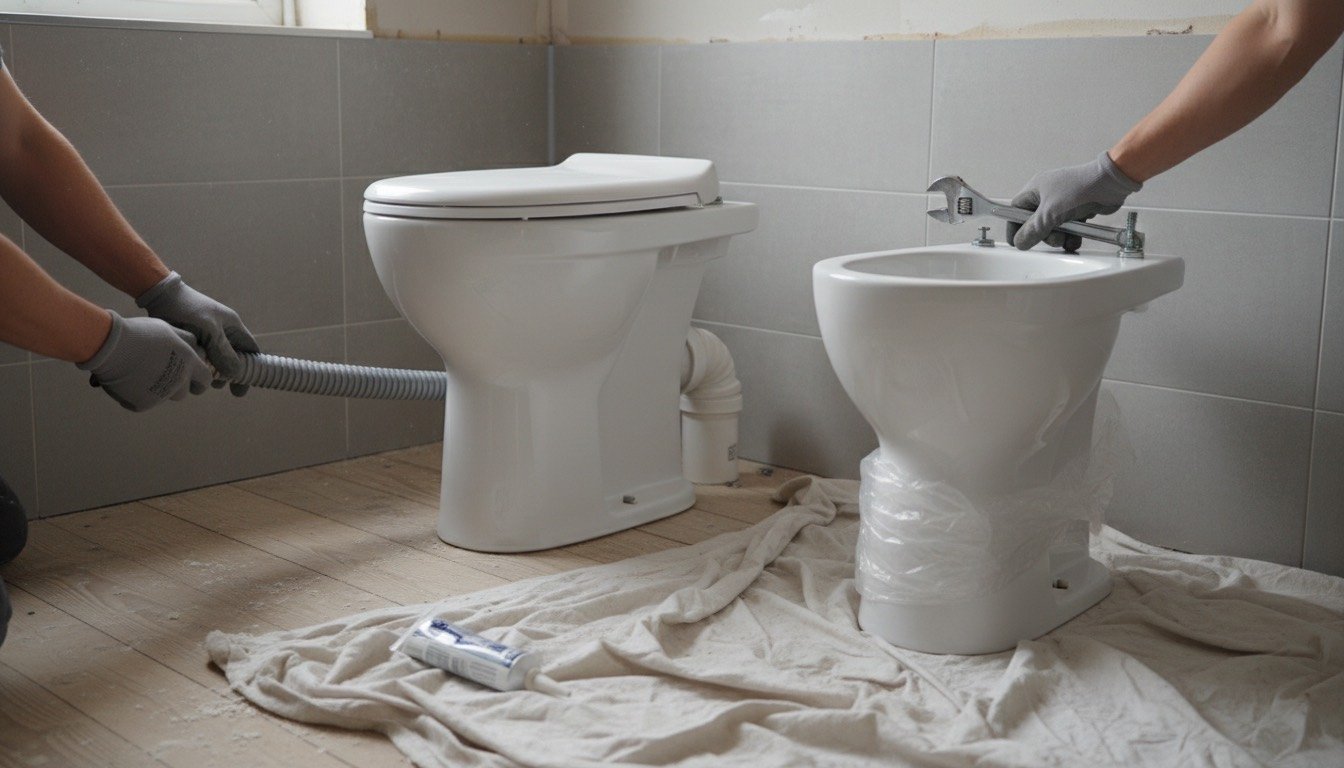
Fitting a WC is one of the cheapest jobs a plumber will quote for, and one of the most routinely underquoted. The pan and cistern are the easy part. What costs money is everything behind and beneath: the soil branch, the floor, the wall the cistern fixes to, and whether the stop tap last turned in 1987 still closes.
Two houses can produce quotes differing fourfold for the same job, and age is usually the reason. A 2010 estate house has a plastic soil stack, a level chipboard floor and an isolating valve within reach. A Victorian terrace has a cast iron stack, a lead bend, a springy floor and lime plaster that will not hold a fixing.
Typical UK price range in 2026
Fitted prices, labour included. Scotland, the North East and Wales sit at the bottom of each band; the South East and London run 25 to 40 per cent above the middle.
- •Like-for-like swap, you supply the WC: £150–£280 labour, 1.5–3 hours on site
- •Supply and fit, mid-range close-coupled WC: £330–£600 all in
- •High-level or low-level cistern replaced with a close-coupled unit: £450–£850
- •Back-to-wall or wall-hung WC on a concealed frame: £650–£1,400, excluding tiling
- •New WC where none existed, with a new 110mm soil branch: £1,200–£3,500
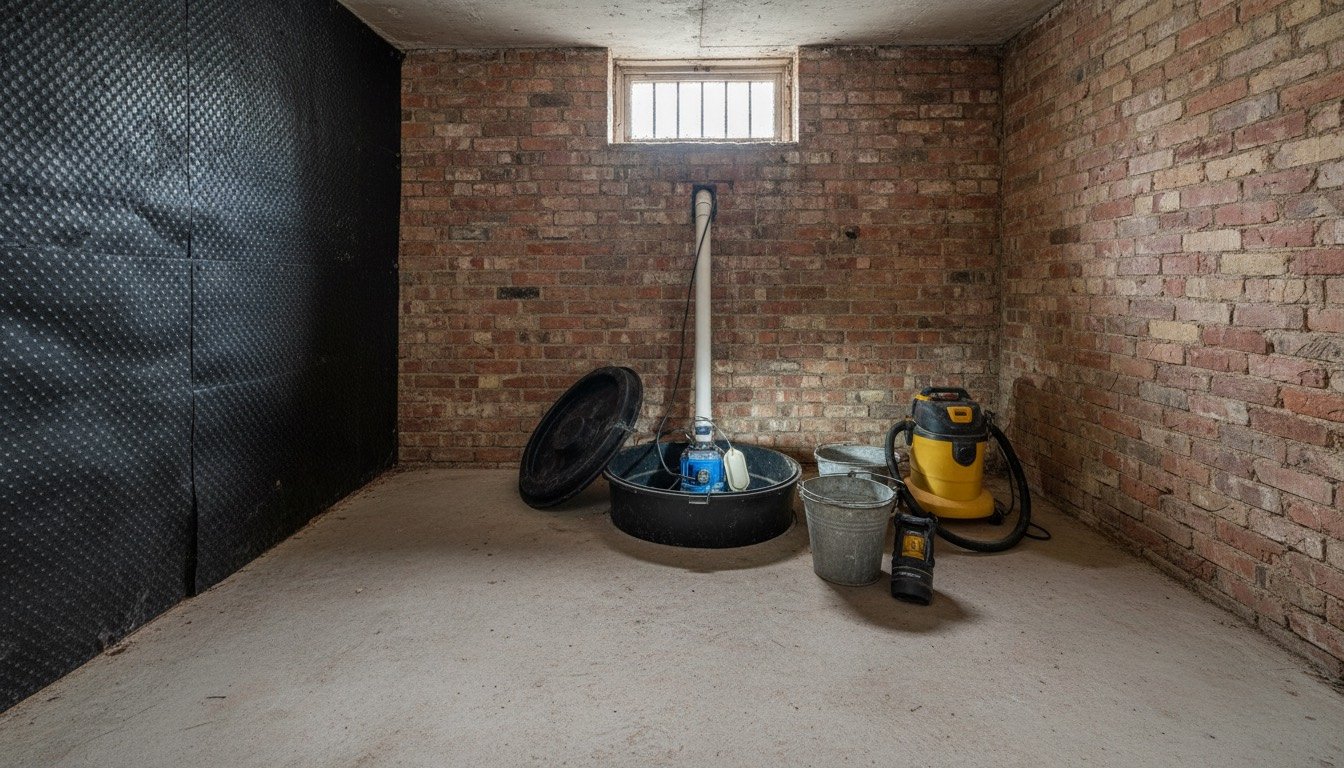
- •New WC on a macerator instead of a gravity branch: £700–£1,400 fitted
- •Out-of-hours attendance: add £80–£150 to the labour
Unit costs: what each line on the invoice is worth
Ask for an itemised quote and check it against this. Trade prices sit 10 to 20 per cent below the retail figures shown; most plumbers pass on near retail, which is normal. Our breakdown of what a plumber costs by job sets out day rates and call-out minimums.
- •Labour: £45–£90 per hour outside London, £70–£120 in London; day rates £280–£450 (£400–£600 London)
- •Close-coupled pan and cistern: £90–£180 budget, £200–£350 mid-range, £400–£900 rimless
- •Soft-close seat separately £20–£70; flexible or offset pan connector £8–£25
- •Concealed cistern frame £150–£320; flush plate £30–£120
- •Isolating valve £4–£8, flexi tap connector £6–£12, WRAS sanitary silicone £6–£9
- •Strap-on boss: £15–£40 in plastic, £60–£110 for a cast iron adaptor kit
- •New 110mm solvent-weld soil branch: £120–£350 fitted, more across a joist run
- •Macerator: £320–£650 supply, £150–£300 to fit and commission
- •Removing the old WC: £25–£60, or £180–£320 if a mini skip is needed
- •Building control notice where drainage is altered: £200–£400
Labour versus materials: how the money splits
The split shifts with job type, and knowing it tells you where to push back. On a swap you are buying time, not parts, so hunting for a cheaper pan saves little.
As a rule of thumb: a like-for-like swap runs roughly 65 per cent labour, 35 per cent materials. Replacing an old low-level suite is closer to 55/45. A back-to-wall unit on a frame lands near 50/50, and there the specification genuinely moves the bill. A new cloakroom WC returns to 60/40 in favour of labour, because drainage and making good eat the hours.
Why old houses cost more: solid walls, lath and Victorian drainage
Anything pre-1970 should carry a contingency of £150–£400 on a WC job, and pre-1919 stock more like £250–£600. Period fabric behaves differently, and the failures show up only once the old pan is off the floor — the same pattern as the recurring problems in century-old houses.
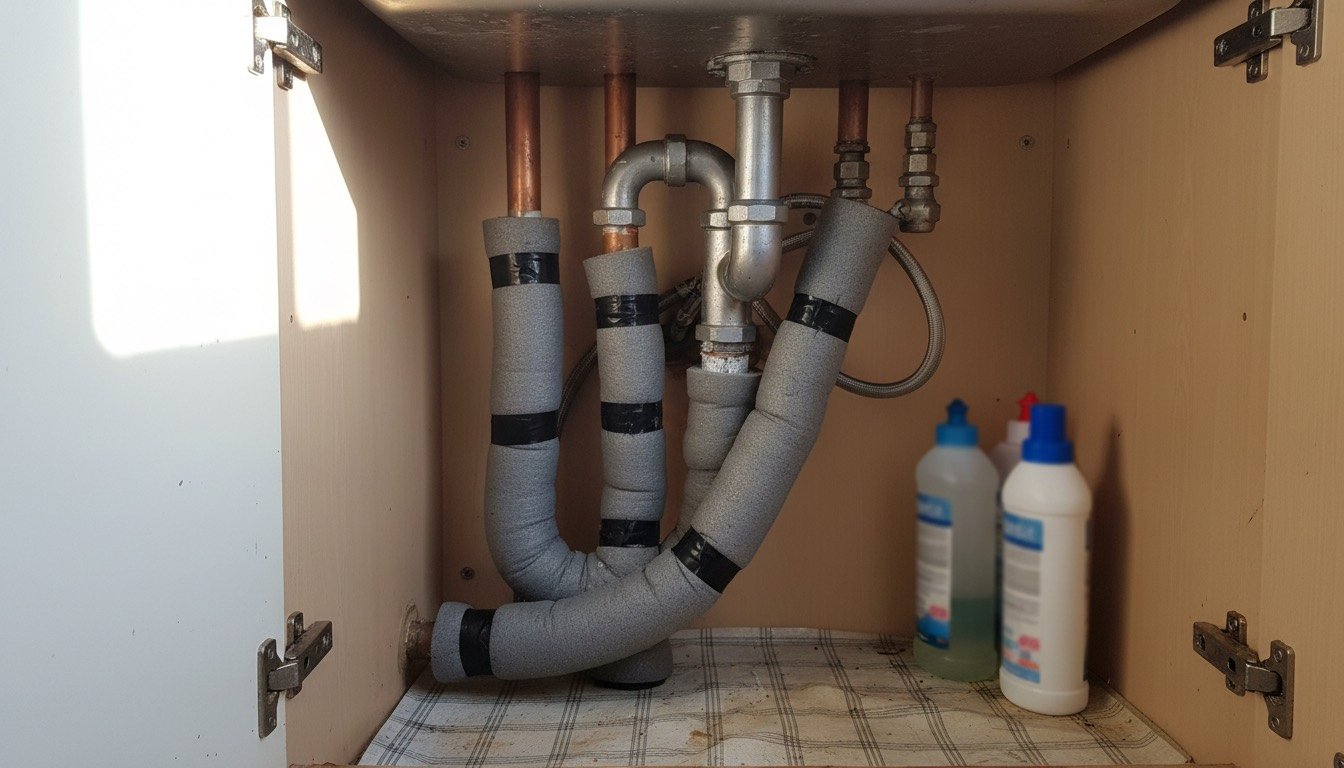
The most expensive surprise is the drain connection. Victorian and Edwardian houses commonly have a lead trap running into salt-glazed clay. Lead cannot be solvent-welded, so it needs a mechanical or rubber-collar adaptor at £25–£60, and if the lead is perished the floor comes up and a new stub is set in, £300–£700 on its own.
- •Non-standard pan dimensions: pre-1980 pans sat at different distances from the wall, so a modern one misses the outlet. An offset connector fixes it for £15–£25; if not, the soil pipe moves at £150–£300
- •Pans bedded in sand and cement onto quarry tiles: freeing one without cracking tiles adds an hour, and matching a broken Victorian tile is near impossible
- •Springy suspended timber floors: the pan rocks and the seal fails. Fix is a marine ply sub-base and packers, £60–£140
- •Lath and plaster: a concealed frame cannot fix to lath, so it is anchored back to studs or a new sub-frame, £120–£300
- •Solid 9-inch brick walls: chasing risks blowing the lime plaster in the room behind, so most fitters box out instead, £150–£350
- •Imperial pipework: half-inch copper needs adaptors to meet 15mm, £3–£10 a joint, and seized gate valves often mean draining the house down
- •Pre-1970s wiring: no RCD protection means a shaver socket, heated seat or macerator becomes notifiable work, £150–£400 for an electrician
Three worked examples
These are typical, not best-case. If your WC is failing rather than simply dated, check the signs a toilet needs replacing first: a £14 fill valve sometimes solves what looks like a £400 problem.
- •Swap in a 2004 Leeds semi: pan and cistern £145, seat £28, connector £9, valve and flexi £14, silicone £7, labour 2.5 hours at £58 = £145, disposal £30. Total £378
- •Bristol Victorian terrace, low-level suite to close-coupled: WC £240, offset connector £22, ply sub-base £45, lead adaptor £38, making good lime plaster £70, labour 6 hours at £62 = £372, disposal £45. Total £832
- •New under-stairs cloakroom, 1930s Surrey semi: WC and concealed frame £520, flush plate £70, new 110mm branch with strap-on boss £310, labour 1.5 days at £340 = £510, electrician £220, building notice £260. Total £1,890 before decoration
- •In all three, materials were the smallest variable. Hours and drainage decided it
How to sanity-check a quote
Under £120 for a fitted swap means something is missing, or a perished connector is being reused. Over £600 needs explaining. If the cistern is the real complaint, read up on fixing a running toilet first: a £15 part and twenty minutes, not an installation.
- •Who supplies the WC, and at what price? A £90 gap here explains most quote differences
- •New pan connector, isolating valve and flexi included, or reusing the old ones?
- •Is removal and disposal of the old suite in, or charged separately?
- •Who makes good the floor and wall behind, and are silicone and decoration included?
- •Is there a contingency line for the building's age, and what triggers it?
- •Is the fitter on a WaterSafe or CIPHE register, with a 12-month guarantee?
- •VAT included or added? On a £600 job that is £120
- •For new drainage, who notifies building control and is that fee in the quote?
Methodology and a note on updating
These figures come from merchant and retailer pricing checked in early 2026, plus quoted labour rates across ten UK regions, weighted to the middle two quartiles rather than the cheapest and dearest tenth. Regional multipliers: Scotland and the North 0.85–0.95, Midlands 0.95–1.05, South East 1.15–1.30, inner London 1.30–1.55.
Labour drifts up 4 to 6 per cent a year, so treat anything older than twelve months as indicative. If the WC is part of a bigger scheme, our bathroom renovation cost breakdown covers the combined visit. If you are chasing water on the floor instead, start with why a toilet leaks at the base — a £6 seal is the answer more often than a replacement.
Found this useful?
There's plenty more — hundreds of guides and honestly-tested product reviews for every corner of your home.
Browse All Guides