Plumbing · 6 min read · 14 August 2026
Chemical vs Enzyme Drain Cleaners: Which to Use (and What Ruins Pipes)
Four chemistries, one blocked sink and a lot of marketing. A former plumber compares caustic, acid and enzyme drain cleaners — and names the ones that quietly destroy old pipework.
By the Nims Casa editorial team — written from professional cleaning experience and checked against our editorial standards.
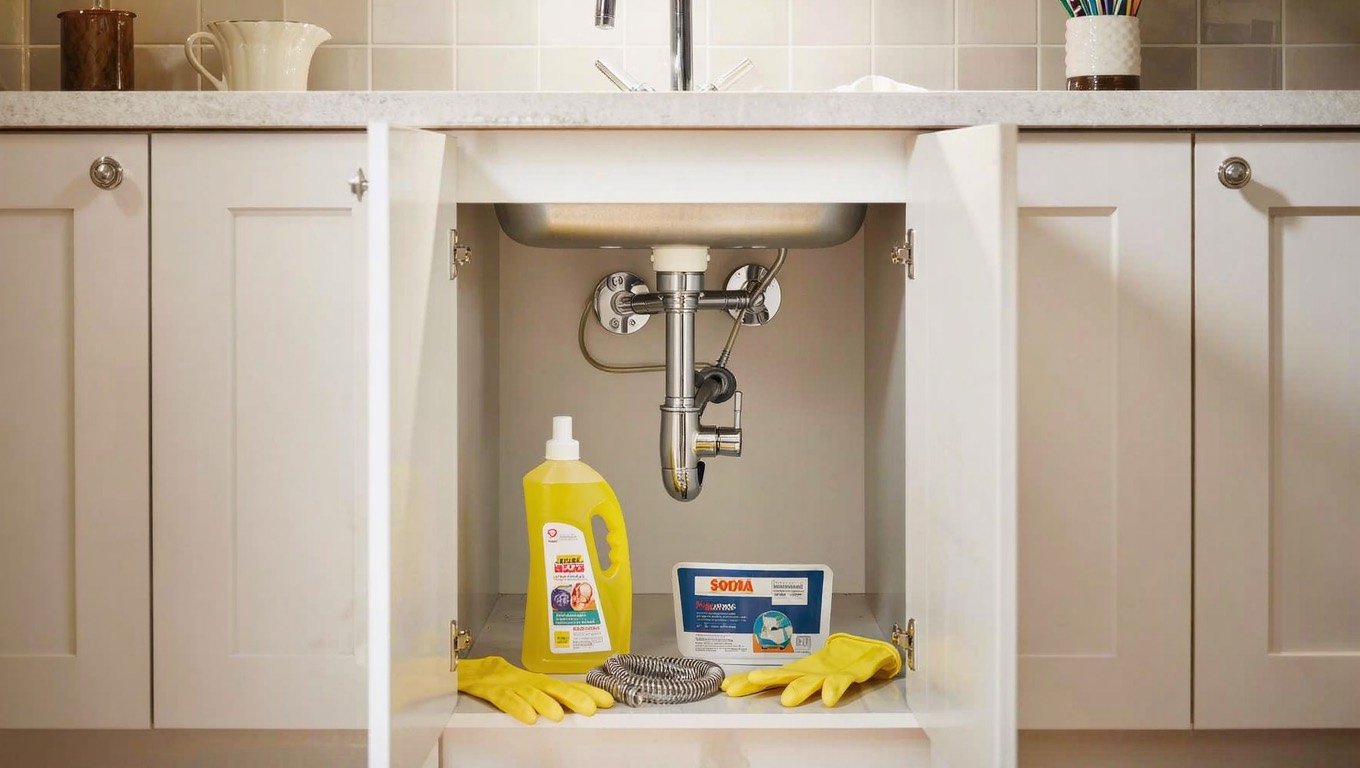
Most blocked sinks I attended in my plumbing years had already been dosed with two or three products before anyone rang. The chemicals rarely shifted the blockage; they just turned a five-minute trap clean into a hazardous job with goggles, a bucket of caustic soup and an extra line on the invoice.
Everything on a UK shelf falls into four families — caustic (sodium hydroxide), acid (sulphuric), enzyme and bacterial — and they work, suit and fail in entirely different ways. Here is an honest comparison, including the products that genuinely damage pipes.
The Four Families, Side by Side
Ignore the branding — check the ingredients panel and you will find one of these four.
- •Caustic gels (Mr Muscle Max Gel, HG Duo Unblocker, £3–£6): sodium hydroxide thickened so it sinks through water. Best on bathroom blockages — hair bound in soap scum. Works in 15–30 minutes, then needs a thorough hot-water flush.
- •Caustic soda crystals (£3–£4 for 500g from Toolstation or a hardware shop): the same chemical at far higher strength, mixed by you. Cheap and effective on fat, but the reaction with water is fiercely exothermic — a trap can hit 70°C, which plastic wastes do not enjoy.
- •Sulphuric acid 'one shot' cleaners (£10–£15): dissolve hair, fat, paper and food in minutes. Since 2018 sulphuric acid above 15% has required a Home Office poisons licence for the public — which tells you most of what you need to know.
- •Enzyme and bacterial cleaners (Ecozone Enzyme Drain Sticks, HG Kitchen Drain Unblocker, £6–£12): live cultures that digest fat and food slime over six to eight hours. Hopeless against a solid blockage, excellent at preventing one, and safe for every pipe material plus septic tanks.
What Each Actually Clears
Match the chemistry to the blockage. Bathroom wastes block with hair matted in soap scum — the one job the £4 caustic gel is genuinely good at. Kitchen blockages are congealed fat studded with food debris, and here caustic flatters to deceive: it converts the surface of the fat plug to soap, tunnels a hole through the middle, and the sink runs beautifully for a fortnight before blocking again.
Enzyme products work the opposite way round: far too slow to rescue a sink tonight, but a monthly overnight dose keeps kitchen pipework properly clean rather than chemically tunnelled — and they are the long-term fix for a drain that smells even when it still runs.
None of them clears a sink full of standing water reliably — the product dilutes and sits on top. The honest first move is a plunger and the trap, covered in our guide to unblocking a drain or sink naturally.
What Ruins Pipes (and What Is Merely Risky)
Sulphuric acid is the genuine pipe-killer. In pre-1960s houses it strips the corrosion layer inside cast iron stacks and then starts on the metal — I have cut out iron thinned by repeated dosing until a screwdriver went through it. It also attacks the mortar joints of old clay runs, pits chrome wastes, etches enamel and perishes rubber compression washers.
Caustic's danger is heat. Polypropylene traps and push-fit joints are rated to about 76°C; a strong soda mix can exceed that, softening traps and unseating seals, and can crack a cold ceramic sink by thermal shock. Always add crystals to cold water — never the reverse — and never boost the mix with kettle water.
The most dangerous drain to attend is a layered one: acid meeting caustic residue can erupt from the plughole, and either meeting bleach can release chlorine gas. If one product has failed, stop — and tell whoever attends exactly what is down there. It is why many firms charge extra for chemically dosed drains.
When Mechanical Beats Chemical Every Time
A plunger, a trap spanner and a wire have no chemistry to get wrong, and for anything solid they are the only things that work — the full method is in our guide to unclogging a sink drain. These situations are never chemical jobs:
- •Standing water that will not drain: chemicals dilute and float — plunge or open the trap first.
- •Wipes, sanitary products, cat litter or a fat plug beyond the trap: nothing dissolves these safely; they need a drain snake or a jetting rig.
- •The same spot blocking repeatedly: that is geometry — a sagged pipe, poor fall or an intruding joint — and no bottle fixes geometry.
- •Toilets: never chemicals. The water volume dilutes them, and plunging a pan of caustic solution splashes it straight back at you.
- •Anything past the external gully: from there it is rods, jetting — or legally not your drain at all.
Honest Costs: Products, Plumbers and Fair Quotes
Materials are pennies; you pay for labour and knowledge. A caustic gel is £4, soda crystals £3, acid £12, and enzyme dosing about £2–£3 a month. Set that against a plumber's call-out at £60–£90 (including the first half-hour to hour) in most of the UK, £100–£140 in London. Domestic jetting runs £80–£180 and a CCTV survey £90–£250.
That gap is why quotes deserve scrutiny. A trap-and-snake visit is essentially 100% labour, so an itemised bill carrying £40–£60 of 'specialist chemicals' should be questioned — trade chemicals cost little more than retail and good drainage engineers barely use them. A fair quote states the call-out fee, the rate after the included time and a fixed price for jetting if needed. Before paying anyone: since 2011, blockages beyond the point where your pipe joins a neighbour's — even inside your boundary — are the water company's responsibility, attended free. Full figures are in our drain cleaning cost guide.
Over ten years the arithmetic favours prevention:
- •Enzyme maintenance: roughly £25 a year, £250 a decade, with professional visits rare.
- •Reactive caustic use: perhaps £10 a year on product, plus two or three £80–£150 call-outs when it fails — £250–£500 all in.
- •Habitual acid use in an older house: the cheapest bottles and the dearest ending — replacing a corroded cast iron stack section costs £250–£600, a collapsed clay drain four figures.
Who Each Suits — and the Verdict
Be honest about what is under your floor before choosing a bottle.
- •Modern plastic plumbing with the odd bathroom hair blockage: a caustic gel once or twice a year is acceptable — flush thoroughly afterwards.
- •Pre-war house with cast iron or clay pipework: no acid, ever. Sparing gel at most; mechanical methods first.
- •Septic tank or treatment plant: enzyme and bacterial products only — caustic and acid kill the biology the tank depends on.
- •Landlords and hard-working kitchens: monthly enzyme dosing plus a £15 drain snake in the cupboard beats every emergency product.
The Verdict
Enzyme cleaners are the only type worth using routinely; a thickened caustic gel is a reasonable occasional tool on modern plastic bathroom wastes; caustic soda crystals demand more respect than most DIYers give them; and sulphuric acid has no place in a house you care about — a blockage that stubborn needs a professional with a jetting rig. Prevention costs £2 a month, a cure starts at £60, and ruined pipework starts at £250. Choose accordingly.
Found this useful?
There's plenty more — hundreds of guides and honestly-tested product reviews for every corner of your home.
Browse All Guides