Costs & Hiring · 5 min read · 18 June 2026
How Much Emergency Fund Should Homeowners Have? UK Costs for 2026
The right emergency fund is not a round number off a personal finance blog. It is set by the age of your house, and a pre-1919 property needs roughly double what a new-build does.
By the Nims Casa editorial team — written from professional cleaning experience and checked against our editorial standards.
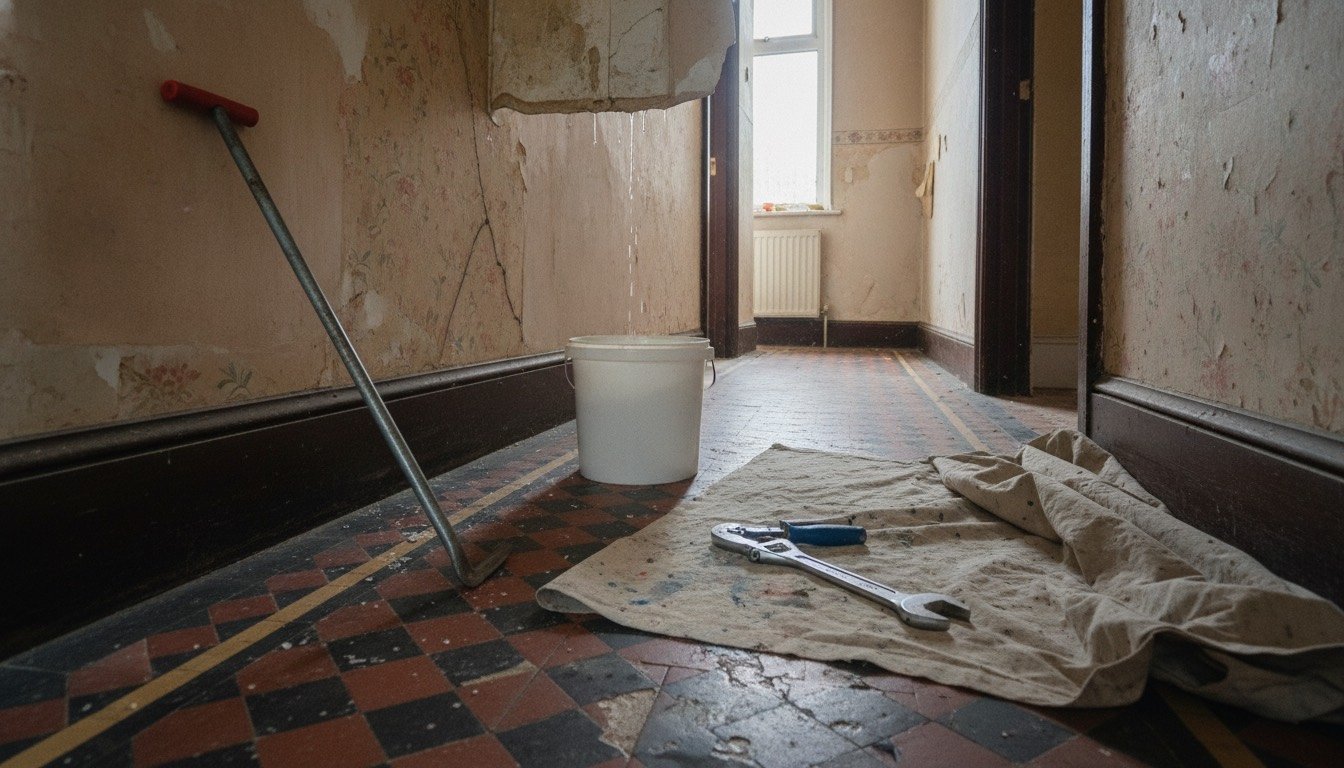
A boiler that fails on 27 December, a slipped slate in a February gale, a lath-and-plaster ceiling that comes down after a loft overflow: these are not rare events, merely unbudgeted ones. In fifteen years of quoting emergency work, the households that coped were never the ones with the best insurance. They were the ones who could authorise a £1,500 repair on the spot without ringing three relatives first.
The figure you need depends far less on your income than on what you live in. A 2016 estate house and an 1890s mid-terrace can suffer the identical leak and produce bills that differ by a factor of three or four, because everything behind the plaster in the older house is bespoke, wet-trade work.
The Working Numbers: What to Actually Hold
Forget percentage-of-salary rules. Size the fund against the property, because that is what breaks. Hold enough to cover the single most expensive plausible emergency in your house plus one insurance excess, in an instant-access account you can move money from on a Sunday evening. This sits separate from the roughly 1% of property value a year that routine upkeep swallows, which our annual home maintenance cost guide covers.
- •Post-2000 house or flat: £2,000-£3,500. Modern plumbing, cavity walls, plasterboard and a compliant consumer unit. Repairs are modular.
- •1930s-1980s semi or detached: £3,500-£6,000. Cavity walls but ageing services; a boiler or partial rewire is the likely big hit.
- •Pre-1919 terrace, cottage or villa: £6,000-£10,000. Solid walls, lime plaster, lath ceilings, box sash windows, clay drainage and often pre-1970s wiring under the floorboards.
- •Listed or in a conservation area: £8,000-£15,000. Consent, specified materials and specialist labour add 30-60% to almost every repair.
- •Add £500 if your excess is £500 or more, another £500 if you sit on a shared Victorian drain run.
Unit Costs: 2026 UK Emergency Prices
These are the numbers behind the tiers above. Out-of-hours rates run at 1.5-2x the daytime figure, and bank holidays higher again.
- •Emergency plumber: £110-£190 first hour, £80-£140 after. A burst pipe repair with making good lands at £250-£600.
- •Boiler breakdown repair £150-£450. Combi replacement £2,200-£3,400; heat-only with cylinder £3,400-£5,500.
- •Emergency electrician £100-£180 first hour. Consumer unit £450-£850. A full rewire of a three-bed period house £5,000-£9,000.
- •Drainage: jetting £120-£350; CCTV survey £120-£250; patch lining a cracked clay pipe £600-£1,500; excavation £1,800-£4,500.
- •Roofing: slipped slates £150-£350; storm repair £300-£1,200; chimney flashing and repointing £450-£1,600. Scaffold adds £600-£1,300 per week.
- •Lath-and-plaster ceiling collapse: strip-out £180-£300, lime replastering £70-£110 per square metre, decoration £250-£400 per room.
- •Box sash repairs: cord replacement £120-£220 per sash; full overhaul with draught-proofing £450-£900 per window.
Labour vs Materials: Where the Money Goes
This split is why emergency funds need to be larger than material prices suggest. On a burst 15mm copper pipe the fitting costs about £4 and the offcut of pipe £3. The bill is £320. You are paying for a van, a call answered at 22:40, and someone who finds the leak in twenty minutes rather than opening four ceilings. Reactive repairs run 70-85% labour; planned replacements sit nearer 45-55% because the kit itself is expensive.
- •Burst pipe repair: £7 materials, £313 labour and callout.
- •Combi boiler replacement: £1,450 materials, £1,150 labour, £180 sundries.
- •Drain excavation to 1.2m: £160 materials, £2,100 labour, plant hire and spoil removal.
What Moves the Price in a Pre-1970s House
Older stock does not fail more often. It fails more expensively, because the repair cannot be done with off-the-shelf components. If you own any of the common problems in 100 year old houses waiting to happen, this list should set your number. Note too that a period property rarely allows a like-for-like modern fix: patching a lath ceiling with plasterboard and filler will crack within a season.
- •Solid walls: no cavity, so chasing in a cable or pipe means cutting masonry, then wet plaster and a curing period. Add £200-£500 per run over a stud wall.
- •Lime plaster and lath: gypsum cracks against it. Lime work costs 40-70% more per square metre and needs three visits, not one.
- •Box sash windows: joinery repair, not a unit swap. A single rotten sill can cost more than replacing a whole uPVC casement.
- •Victorian salt-glazed clay drainage: root ingress, open joints and shared party drains. Expect a CCTV survey before anyone quotes properly.
- •Pre-1970s wiring: rubber or lead-sheathed cable, unearthed lighting circuits, no RCD. An electrician cannot legally leave it non-compliant, so a £150 socket fault escalates into a £1,200 partial rewire.
- •Access: narrow frontages, no side gate and parking restrictions add hours before a spanner is lifted.
Three Worked Examples From One Winter
- •1890s Bristol mid-terrace, loft overflow bursts in December: out-of-hours plumber two hours £290, materials £14, strip ruined lath ceiling and cart away £240, 9m2 lime ceiling reinstated £1,150, redecoration £320. Total £2,014, and marginal against a £350 excess, so not claimed.
- •1936 Leeds semi, boiler dies on Boxing Day: callout £180, failed diverter valve on a 19-year-old appliance, replacement combi fitted 30 December £2,750, magnetic filter £160, system flush £450, electric heaters meanwhile £70. Total £3,610. Our boiler replacement cost breakdown shows which parts of that are negotiable.
- •2016 Milton Keynes estate house, shower valve leaks into the ceiling below: plumber £140, valve £110, plasterboard patch and skim £180, redecoration £120. Total £550, done in a day and a half.
How to Sanity-Check an Emergency Quote
Emergency pricing is legitimately higher, but it is also where overcharging hides, because you are wet, cold and not shopping around. Separate the make-safe from the permanent repair: pay whatever stops the water tonight, then take two quotes tomorrow for the proper fix. If you do claim, read how to file a home insurance claim before ripping out damaged material, because insurers want photographs first.
- •Ask what the callout fee covers - first hour, travel, or nothing - before they set off.
- •Insist the fault is named in writing. "Investigate leak" is not a scope of works and cannot be compared between quotes.
- •Divide the total by the hourly rate. If the implied hours are more than double the time on site, ask for a breakdown.
- •Check registration: Gas Safe for gas, a Part P scheme for notifiable electrical work.
- •For drainage, never authorise excavation without seeing the CCTV footage yourself.
- •In a period property, ask whether the quote assumes lime or gypsum. Cheap quotes are usually cheap because they specified the wrong material.
Methodology and When to Update This
Figures come from UK trade rates in the first half of 2026: emergency callout schedules, merchant pricing and quotes seen across the Midlands, the South West and the North. They are national mid-range numbers. Expect London and the South East 25-40% higher, and much of Wales, the North East and Scotland 10-15% lower. VAT is included where a firm is registered.
Review the fund every twelve months, and immediately after any survey or condition report that flags a defect. If a report calls the wiring a C2 or the drain run fractured, that is no longer an emergency fund item. It is a scheduled cost with a deadline, budgeted separately so the emergency money stays intact for the thing you did not see coming.
Found this useful?
There's plenty more — hundreds of guides and honestly-tested product reviews for every corner of your home.
Browse All Guides