Plumbing · 6 min read · 3 June 2026
Emergency Steps for a Burst Pipe: The First Ten Minutes That Decide the Bill
A split in a 15mm pipe empties 10 to 20 litres a minute into your ceiling. What you do in the first ten minutes is the difference between a £200 repair and a four-figure claim.
By the Nims Casa editorial team — written from professional cleaning experience and checked against our editorial standards.
Water takes the cheapest route to the ground floor and it takes it fast. A hairline split in a 15mm copper pipe at UK mains pressure discharges 10 to 20 litres a minute — a full bath every five minutes — and most of it runs along a joist before coming through the plasterboard. By the time a ceiling stains, several hundred litres have gone somewhere.
What follows is the order we work in on a real out-of-hours callout, and where a competent DIYer should stop.
What a burst pipe is, and why they show up at the thaw
A burst is any unintended breach in pressurised pipework: a longitudinal split, a blown compression joint, a corrosion pinhole or a full rupture. The mode of failure tells you how fast water is arriving and whether a temporary repair will hold.
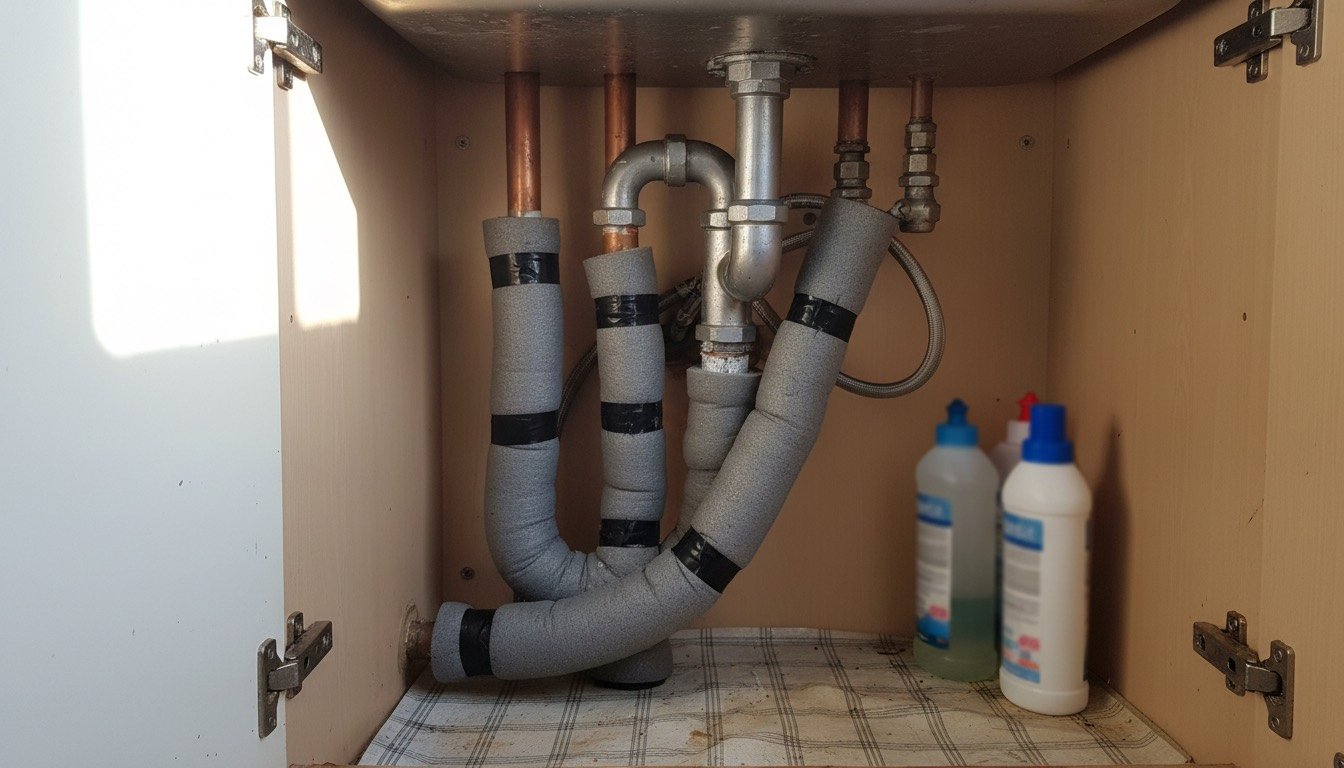
The classic British burst is freeze-related, and it almost never floods while frozen. The cheaper half of this job is stopping pipes freezing in the first place. Water expands about 9% as it turns to ice and splits the pipe wall, but the ice plug seals the split. The flood arrives at the thaw, days later. That is why our guide to preventing and safely thawing frozen pipes weights lagging loft and garage runs with 19–25mm foam over the thin 9mm stuff sold for indoors.
- •Freeze-thaw splits — loft, garage and outside tap feeds, anything above the insulation line
- •Pinhole corrosion — old copper on aggressive water, or pipe sitting in damp cement
- •Failed joints — a compression nut never properly tightened, or loosened by chronic water hammer
- •Mechanical damage — a screw through a floorboard into the pipe below, commonest after a new laminate floor
The first ten minutes, in order
Do not look for the source first. Isolate, then investigate — you can always turn the water back on.
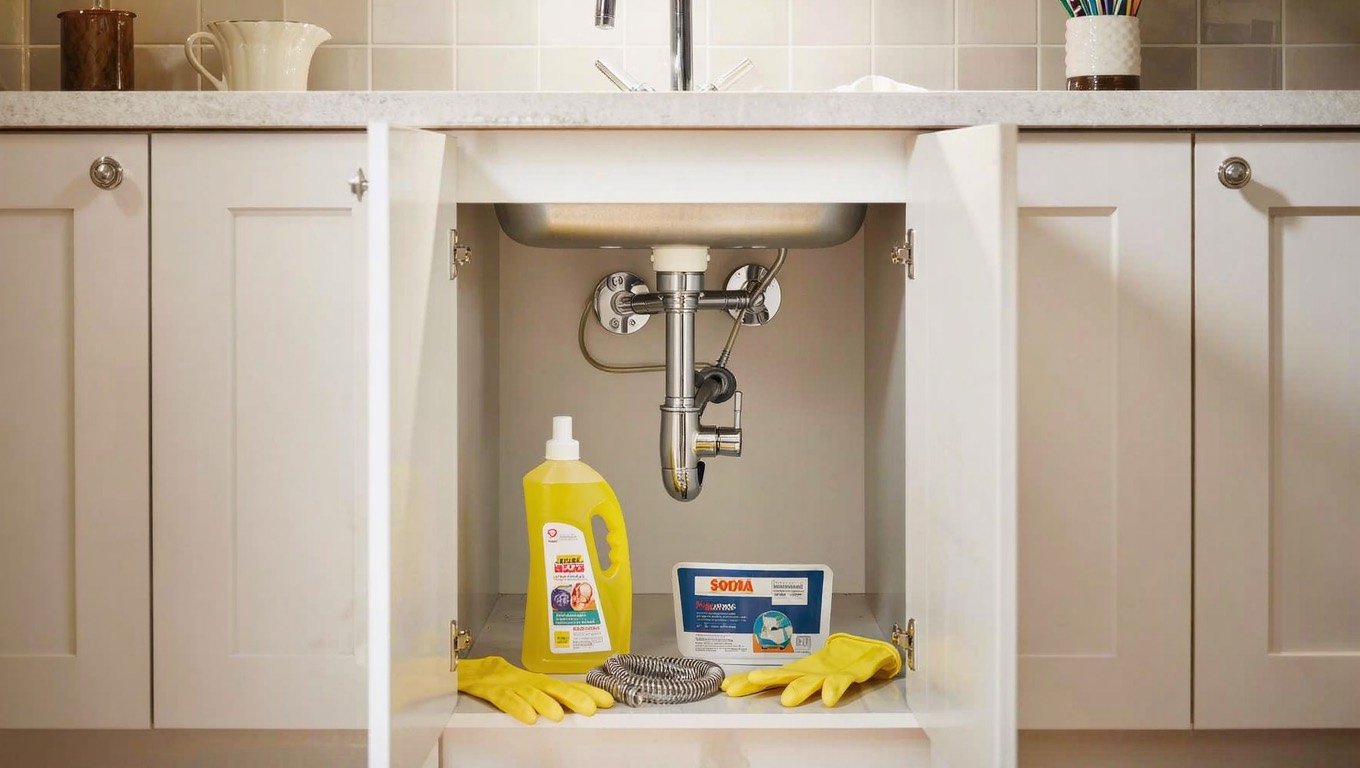
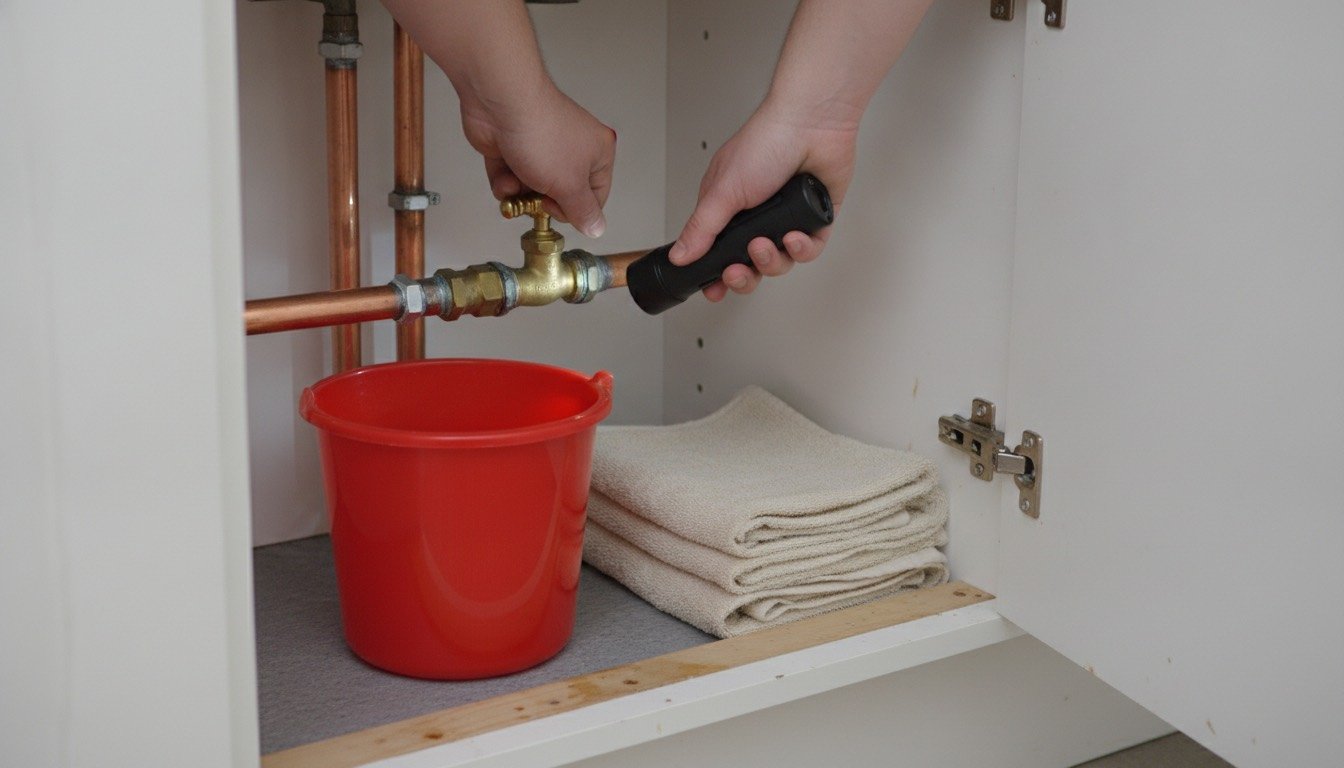
- •1. Close the internal stopcock, clockwise. Usually under the kitchen sink; also check the downstairs loo, hallway or airing cupboard.
- •2. If it is seized, do not force it with mole grips — you will snap it. Use the boundary stop tap outside with a stopcock key (£6–£10).
- •3. Drain down. Open every cold tap, kitchen first, and flush the toilets. Pressure drops within two or three minutes.
- •4. Switch off the boiler or immersion heater, then open the hot taps. Never run hot on a system still heating with no cold feed.
- •5. Kill the electrics if water is near sockets, lights or the consumer unit. Ceiling roses fill like buckets.
- •6. If a ceiling is bulging, put a bucket under it and pierce the lowest point with a screwdriver — power off first. Controlled draining saves the board; letting it fill collapses it.
- •7. Lift rugs, boxes and anything electrical clear of the floor, then photograph it all before clearing up — escape-of-water claims get queried more than almost any other type.
Which system has burst — the stopcock does not stop everything
This is where people lose the ten minutes they cannot spare. The stopcock only kills the incoming mains, so if water is still arriving after two minutes something else is feeding it. On a slow hidden burst the first sign is often a sudden drop in pressure upstairs, or a boiler losing pressure — in which case our method for tracing a hidden leak finds it before the ceiling does.
- •Rising main and anything off it (kitchen cold tap, combi boiler, outside tap) — the internal stopcock stops it.
- •Gravity-fed hot and cold on an older tank system, including the cylinder feed — it is coming from the loft cistern. Close the gate valve on the tank outlet, or tie the ball valve arm to a batten, then drain the lowest hot tap.
- •Sealed central heating pipework — the stopcock does nothing. Boiler off, close both filling loop valves, and shut the valves either side of a sheared radiator tail.
- •Anything before the boundary stop tap — your water company's pipe and their cost.
The DIY-or-pro boundary: where an amateur should stop
Nothing stops you working on your own hot and cold pipework in Britain, and plenty of burst repairs are straightforward. The line is drawn by pressure, electricity and gas — cross those and getting it wrong costs far more than a callout.
- •SAFE FOR A COMPETENT DIYER: closing the stopcock and draining down; a pipe repair clamp or self-amalgamating tape (£8–£15) as a temporary hold; cutting out damaged accessible 15mm or 22mm copper and fitting a push-fit slip coupler, no blowtorch needed; remaking a compression joint, as in our walkthrough on fixing a leaking pipe joint; replacing lagging; lifting boards and running drying fans.
- •STOP AND CALL A PROFESSIONAL: gas appliance pipework or anything inside a boiler casing, which is Gas Safe registered work by law; water in or near a consumer unit, ceiling rose or socket — an electrician's job before a plumber's; unvented pressurised cylinders, which need a G3 installer and are genuinely dangerous; lead or asbestos-cement pipe; anything buried in a solid floor or needing walls chased out; a seized or leaking stopcock; and any leak you cannot locate after 30 minutes.
What it costs in the UK
Emergency rates, not the repair, are the expensive part. If the water is isolated and nothing is flowing, book for the morning — see our breakdown of what UK plumbers charge by job.
- •Out-of-hours callout: £120–£250 first hour, then £60–£110 per hour
- •Standard daytime rate: £50–£90 per hour outside London, £80–£150 inside the M25
- •Simple repair to accessible 15mm copper: £120–£250 all in
- •Pipe under floorboards or behind plaster, including making good: £250–£600
- •Non-invasive leak detection, acoustic or thermal: £250–£500
- •Commercial drying, 5–10 days: £800–£2,500; replastering a ceiling: £400–£900
- •DIY materials: slip coupler £4–£8, repair clamp £8–£15, 3m of 15mm copper £10–£15
Drying out, insurance and prevention
Notify your insurer within 24 to 48 hours, keep damaged items until an assessor has seen them, and keep every receipt. Most policies cover trace and access — opening up floors and walls to find the leak — even where the pipe repair itself is excluded.
Drying matters more than people expect. Plaster and timber hold moisture for weeks and a wall that feels dry will bloom later, which is how you end up getting rid of damp and mould by autumn. Run a dehumidifier for a fortnight and do not redecorate until a moisture meter reads normal. For prevention: lag everything above the loft insulation, leave a background 12–14°C on during a cold snap if the house is empty, and label the stopcock so anyone can find it in the dark.
Burst pipe FAQs
Can I turn the water back on after a temporary repair? Only if you can watch it. Restore pressure slowly, leave a tap open to bleed air, and check for 15 minutes before leaving the house. Tape and clamps buy days, not months.
The pipes bang now I have refilled — is that damage? Almost always trapped air. Run every tap until smooth and bleed the radiators.
Is a burst pipe covered by insurance? The water damage usually is; the pipe repair often is not. Insurers commonly reduce claims where a property was left unheated and undrained over winter, so check the unoccupancy clause.
Found this useful?
There's plenty more — hundreds of guides and honestly-tested product reviews for every corner of your home.
Browse All Guides