Garden & Outdoor · 6 min read · 11 August 2026
How to Keep Pets Cool in a Heatwave: Dogs, Cats and Small Pets
UK homes trap heat and pets can't sweat it out. A morning-to-evening checklist covering the 5-second tarmac test, hutch shade and cooling mats — and the signs that mean the vet, now.
By the Nims Casa editorial team — written from professional cleaning experience and checked against our editorial standards.
British heatwaves are short, sharp and hard on animals. Our housing stock is built to hold warmth, almost none of it has air conditioning, and three days above 30°C turns a south-facing lounge or a garden hutch into an oven. Dogs can only pant and rabbits can do almost nothing to shed heat, so past 25°C you manage their day actively rather than hoping they cope.
Here is the checklist we run at home: what to do before 9am, what to do through the hottest hours, £50 of kit that earns its keep, and the signs that mean the vet. Every step is renter-safe — nothing needs a drill, so a deposit is never at risk.
Morning checklist: done before 9am
The first two hours decide the whole day, and the lot takes 20 minutes. Closing curtains and blinds on south- and west-facing glass before the sun reaches it keeps those rooms 3 to 5°C cooler by mid-afternoon — drawn curtains beat an open window once the air outside is hotter than inside.
- •Walk the dog before 8am, when tarmac and air are coolest; carry water past 20 minutes (15–45 min)
- •Set out water bowls in two or three rooms plus one in garden shade — ceramic or stainless, not plastic (5 min)
- •Load Kongs or lick mats the night before with wet food, mashed banana or plain yoghurt, and freeze (5 min, pennies each)
- •Drag hutches and runs into all-day shade on the north or east side — never a spot the sun will reach by noon (10 min)
- •Freeze two 2-litre bottles of water for the afternoon: one for the hutch, one for the dog's bed (2 min)
The 5-second tarmac test and walk timings
Before any walk, press the back of your hand flat on the pavement and hold it for five seconds. If you can't, it will burn paw pads — tarmac sits 20°C or more above air temperature, so a pleasant 25°C day can mean 50°C underfoot. Blistered pads take weeks to heal and usually need a vet.
No walks between 11am and 4pm in a heatwave. On days above 28°C, skip the walk entirely — no dog was ever harmed by missing one, and plenty have died being exercised in heat. Watch plastic lawns too: fake turf runs 10 to 15°C hotter than living grass and burns pads just as badly, so hose it down or keep dogs off it (see our artificial grass care guide). Flat-faced breeds, overweight dogs and anything over eight overheat at temperatures a fit collie shrugs off, so halve everything for them.
Through the hottest hours: 11am to 4pm
This is supervision time, not activity time. Dogs will find the coolest surface in the house on their own — tiled hallways get claimed every July; if you're choosing surfaces with animals in mind, see our guide to the best flooring for dogs. If you have a ceiling fan, check it's spinning the right direction for summer — anticlockwise, pushing air down — because moving air is what lets panting actually work.
- •Check every animal hourly; rabbits and guinea pigs are in genuine danger above 27°C ambient (2 min per check)
- •Rotate frozen Kongs and lick mats through the afternoon — licking is calming and cooling at once
- •Lay a damp towel flat for the dog to lie on; never drape one over its back, where it traps heat within minutes
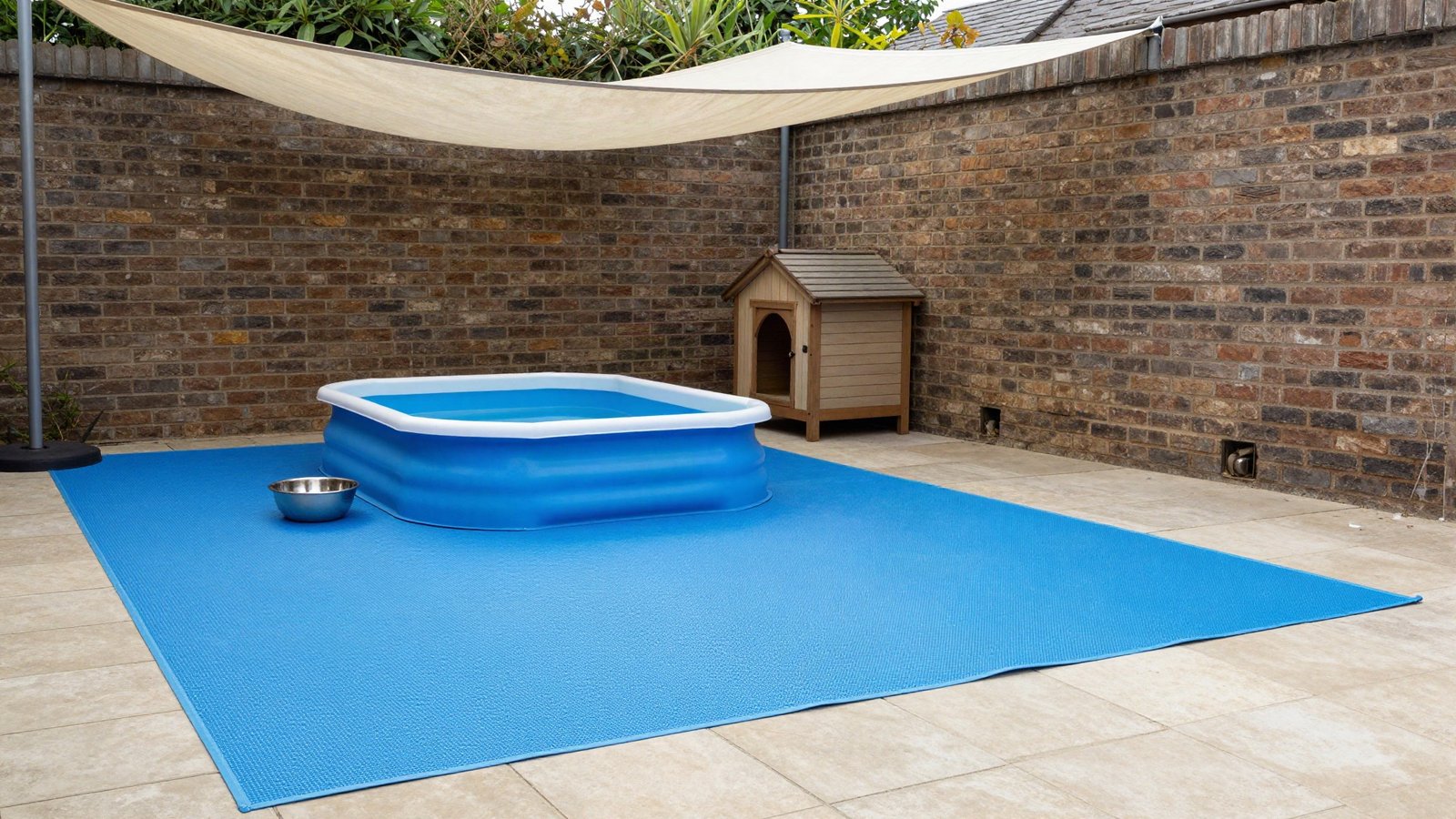
- •Put a gel cooling mat in the shadiest room — pressure-activated, no fridge needed, £12–25
- •Cats: leave internal doors open so they can reach tiled floors and under-bed voids; brush out loose undercoat daily
- •Rabbits: lightly mist the ears with cool water, add a towel-wrapped frozen bottle to the hutch, and check spout bottles haven't airlocked (10 min)
- •Top up bowls with a few ice cubes at midday — cool, not iced
Heatstroke: the signs and when to ring the vet
Learn these cold, because you won't have time to look them up. A dog's normal temperature is 38.3 to 39.2°C; above 40°C is an emergency, and above 41°C organs are being damaged by the minute. In cats, open-mouthed panting is an emergency on its own.
If you see the signs: shade, cool tap water poured continuously over the body, moving air over wet fur, and ring the vet as you work — cool first, travel second. A young, fit dog should be soaked thoroughly with cold water; for elderly, flat-faced or collapsed animals use cool rather than ice-cold, and never plunge any animal into an ice bath. An ice bath constricts surface blood vessels, slows heat loss and can stop a stressed heart — cool steadily, and stop once behaviour returns to normal.
- •Dogs: frantic non-stop panting, thick ropey saliva, gums bright red or purple, wobbling, glazed eyes, vomiting, collapse
- •Cats: open-mouth breathing, drooling, agitation then lethargy, stumbling
- •Rabbits: fast shallow breathing, hot reddened ears, wet nose and chin, going limp
- •Any collapsed animal: cool on the move and go straight to the vet — do not wait to see if it perks up
The renter-safe version: nothing drilled, deposit intact
Everything above works in a rental, and the bigger upgrades have reversible versions too. Static-cling reflective window film (£8–12 a roll from Screwfix or Amazon) blocks a big share of solar gain and peels off without trace — avoid adhesive versions, which lift paint and deposits together. Thermal blackout curtains hang from £6 tension rods, and a shade sail needs no wall eyebolts: stand it on parasol bases or weighted poles (£30–60 the lot) and it comes down in October leaving no mark.
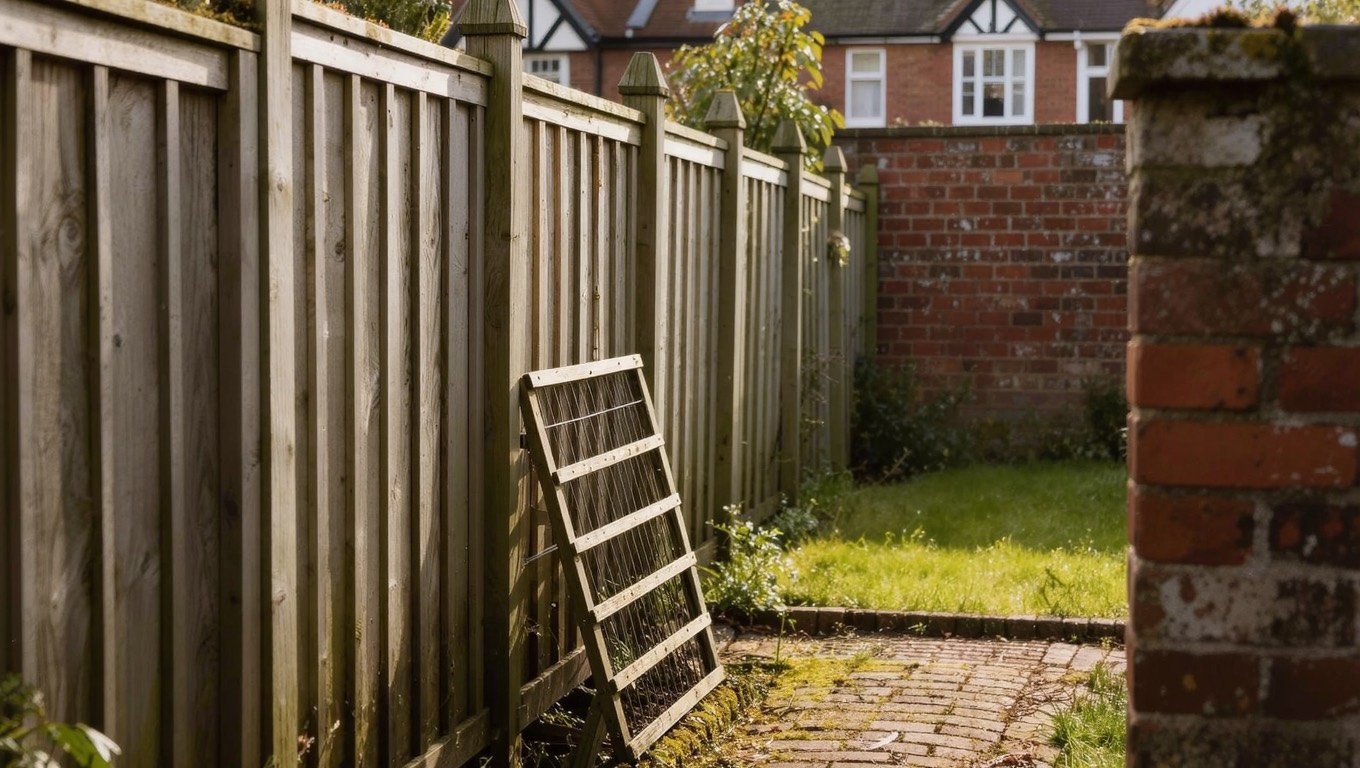
For hutches and runs, cable-tie bamboo screening to the existing fence for instant shade — snip the ties when you leave and the fence is untouched. A £20 floor fan does most of a ceiling fan's job without touching the wiring, and our pet-friendly home ideas guide has more reversible upgrades, room by room.
Supplies worth buying (about £50 core kit)
- •Gel cooling mat, large: £12–25 — pressure-activated and wipes clean
- •Rigid clam-shell paddling pool: £12–20 — inflatables last one afternoon against dog claws
- •Static-cling reflective window film: £8–12 per roll, covers two standard windows
- •Freestanding shade sail with weighted bases: £30–60 total
- •Pet water fountain: £25–35 — the best way to make a cat drink more
- •12-inch floor fan: £15–25, run at floor level
- •Pet-safe sun cream: £8–10, for white ear tips and noses
- •Frozen 2-litre bottles: free, and the best hutch cooler there is
Short on time? The three that matter
If the day has run away from you, triage in this order: shift or skip the walk, because exercise in heat is what kills dogs; make water and shade reachable everywhere the animal can go, including moving the hutch; and know the heatstroke signs plus your vet's number, because the difference between a scare and a tragedy is usually twenty minutes of not noticing.
Be honest about the limits, too. A top-floor flat at 32°C indoors by 4pm cannot be fixed with towels and fans — on those days the rabbit comes indoors to the coolest room, and a flat-faced dog is better off spending the afternoon somewhere cooler.
Found this useful?
There's plenty more — hundreds of guides and honestly-tested product reviews for every corner of your home.
Browse All Guides