Laundry & Fabric Care · 6 min read · 14 August 2026
Laundry Sanitisers: When Detergent Alone Isn't Enough
Most UK washes now run at 20-30°C — great for bills, useless for killing bacteria. Here's when a laundry sanitiser genuinely earns its place, and when a hot wash or bio powder does the job for less.
By the Nims Casa editorial team — written from professional cleaning experience and checked against our editorial standards.
Searches for antibacterial laundry cleansers have roughly tripled in the UK over the past year, for a simple reason: most households now wash at 20-30°C to save energy, and a cool wash with standard liquid detergent removes dirt without doing much to microbes. The bacteria behind sour-smelling gym kit, and the bugs left on towels after a stomach upset, largely shrug off a 30°C cycle.
A laundry sanitiser fills that gap — but not every household needs one in every load. After years of dealing with smelly kit, sick-room laundry and mouldy machines professionally, here is what these bottles genuinely do, what they cost per wash, and the cheaper alternatives the label doesn't mention.
What a laundry sanitiser actually is
A laundry sanitiser is an additive, not a detergent. The active ingredient in the big UK brands — Dettol Laundry Cleanser, Napisan liquid, most supermarket own-labels — is benzalkonium chloride, a quaternary ammonium compound (QAC). You dose it into the fabric softener compartment, so it is released in the final rinse, after the detergent has drained away. Used correctly, the leading products are tested to kill 99.9% of bacteria at 20°C in around 15 minutes of contact.
Be clear about what it is not: it doesn't clean — you still need detergent — it won't soften fabric or shift stains, and it does nothing for a musty machine. If your laundry comes out stale even on hot washes, deal with the appliance first: our guide to how to clean a washing machine covers the drawer, filter and drum in about 40 minutes.
How it kills bacteria at 20°C
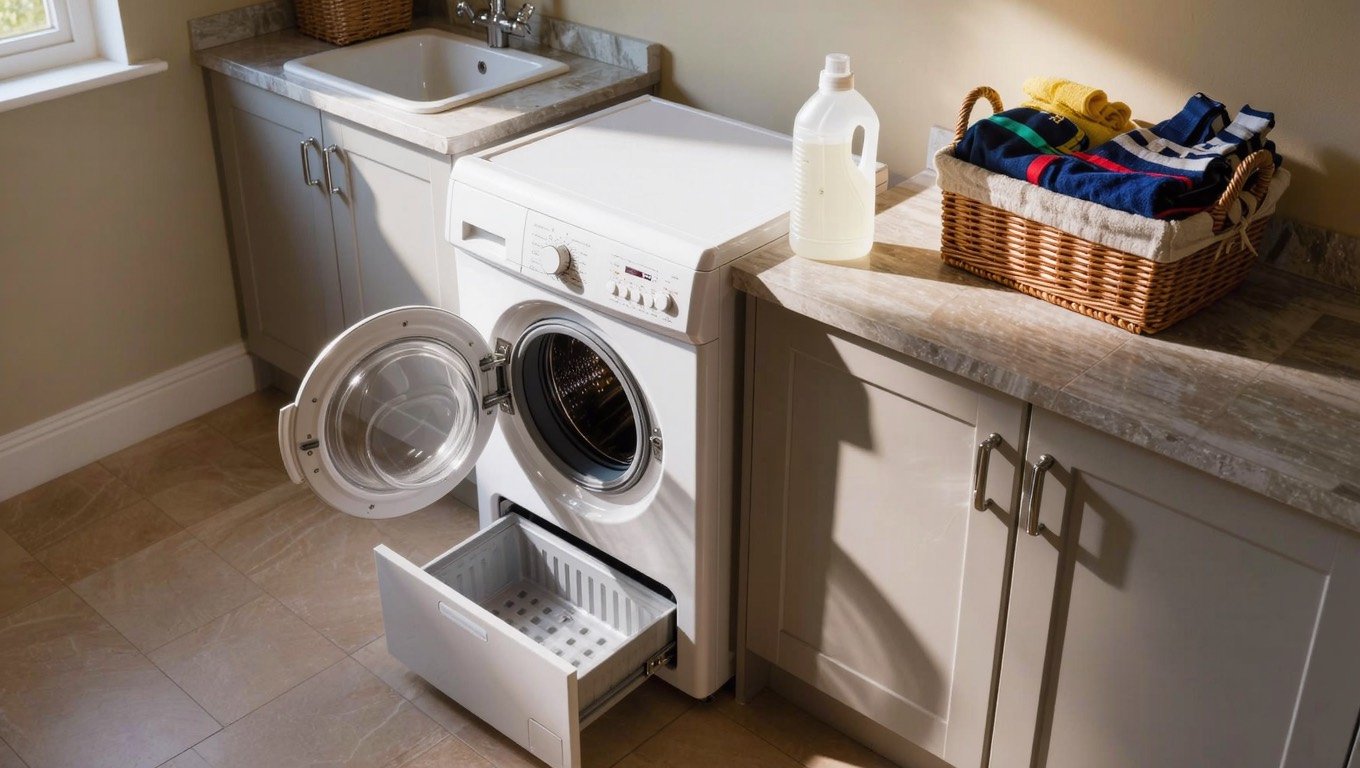
QACs are positively charged molecules that bind to bacterial cell membranes and rupture them — a chemical kill rather than a heat kill, so temperature barely matters. Most products are effective down to 15°C. It goes in the softener drawer for chemistry, not convenience: the anionic surfactants in ordinary detergent bind to QACs and deactivate them, so tipping sanitiser into the drum with your detergent largely wastes it.
The limits are real, though. QACs need direct contact, so heavy soiling shields microbes — sick-room laundry with visible soiling should be rinsed first. They are reliable against bacteria and enveloped viruses like flu, but less so against norovirus — the very bug most people buy them for. And they cannot fix a machine with an established biofilm — a washing machine that smells will re-contaminate every load regardless of what you dose.
When it's worth it — and when it's marketing
The honest test is simple: does this load carry a genuine microbial risk, and is it something you can't wash hot? If yes to both, a sanitiser earns its 15p. Loads that genuinely justify it:
- •Gym, running and PE kit — synthetics and elastane are ruined above 40°C, so 30°C plus sanitiser is the right answer for odour bacteria
- •Towels, bedding and flannels during household illness, especially anything used by the patient
- •Tea towels and cleaning cloths, which routinely test dirtier than toilet seats
- •Pet bedding and throws, washed cool to protect the filling
- •Uniforms for care, catering or veterinary work washed at home
- •Anything going through a shared or launderette machine you don't control
Where the marketing overreaches
Everyday clothes worn once and dried promptly do not need sanitising — normal detergent, sunlight and complete drying deal with the trivial bacterial load. Anything you already wash at 60°C doesn't need it either. And despite the adverts, most reusable nappy manufacturers and nappy libraries advise against QAC sanitisers, because residue builds up on absorbent cores and can degrade PUL wraps; the standard advice is a long 60°C cycle with full-dose biological powder. The same logic applies to how often you wash sheets and towels — frequency and drying matter more than chemistry — and even smelly trainers wash fine at 30°C with detergent alone if dried fully within a day.
The 60°C alternative — and the real cost per load
Here's the sum the bottle never shows you. A 1.5L bottle of branded laundry cleanser costs £3.50-£4.50 and doses two capfuls per wash — roughly 25 loads, so 14-18p per load. Stepping a 40°C cotton cycle up to 60°C uses around 0.4-0.6 kWh extra, which at a unit rate of about 26p/kWh costs 10-16p. In pure money terms it's a dead heat; the real decider is fabric. Cotton towels, bedding and tea towels take 60°C happily. Sports kit, wool and anything with elastane does not.
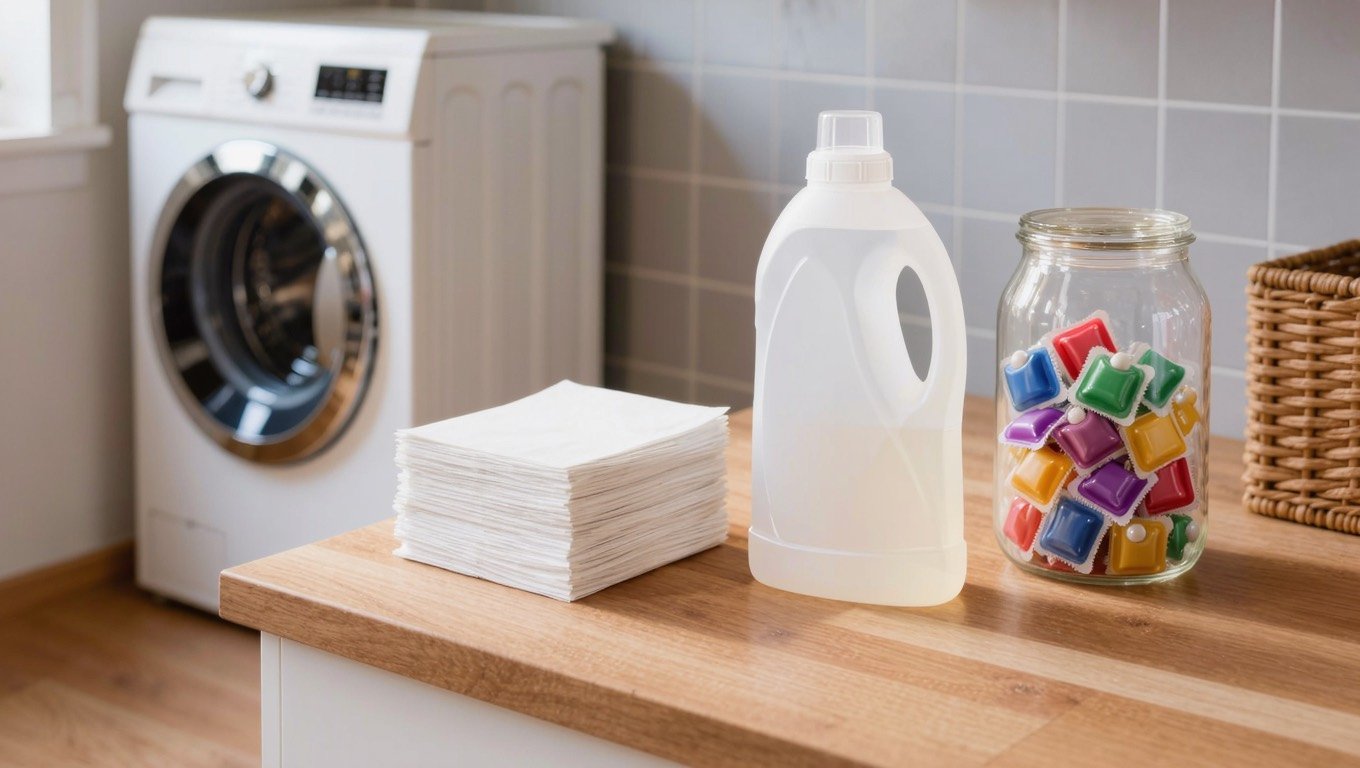
The third option nobody advertises: biological powder. Unlike liquids, gels and detergent sheets, powder contains activated oxygen bleach, which kills most bacteria and viruses at 40°C — no additive needed, and usually cheapest per wash. NHS guidance for infected laundry is essentially this: 60°C with a bleach-based product. If you use liquid for convenience, keeping a box of bio powder just for towels, cloths and sick-room loads covers 90% of what a sanitiser is sold for.
Dosing it properly
Most 'it doesn't work' complaints trace back to dosing errors. To get the tested kill rate:
- •Pour two capfuls (about 55ml) into the fabric softener compartment, not the drum and not the main detergent slot
- •Skip fabric softener on sanitised loads — on sports kit especially, softener coats fibres and feeds the odour bacteria you're trying to kill
- •Never combine it with bleach or bleach-based products in the same wash
- •Avoid 15-minute quick washes — they may not give the full contact time
- •Unload promptly and dry fully — bacteria regrow fast in a warm drum, and if you're drying clothes indoors, airflow matters as much as the wash
Renting? Keep everything reversible
For tenants, the appeal is that a sanitiser is entirely additive — nothing touches the plumbing, nothing modifies the landlord's machine, nothing to explain at check-out. What to avoid in a rental is the aggressive stuff: pouring neat chlorine bleach through an older machine can attack door seals, and dismantling the dispenser housing to scrub it risks snapped clips on a machine you don't own.
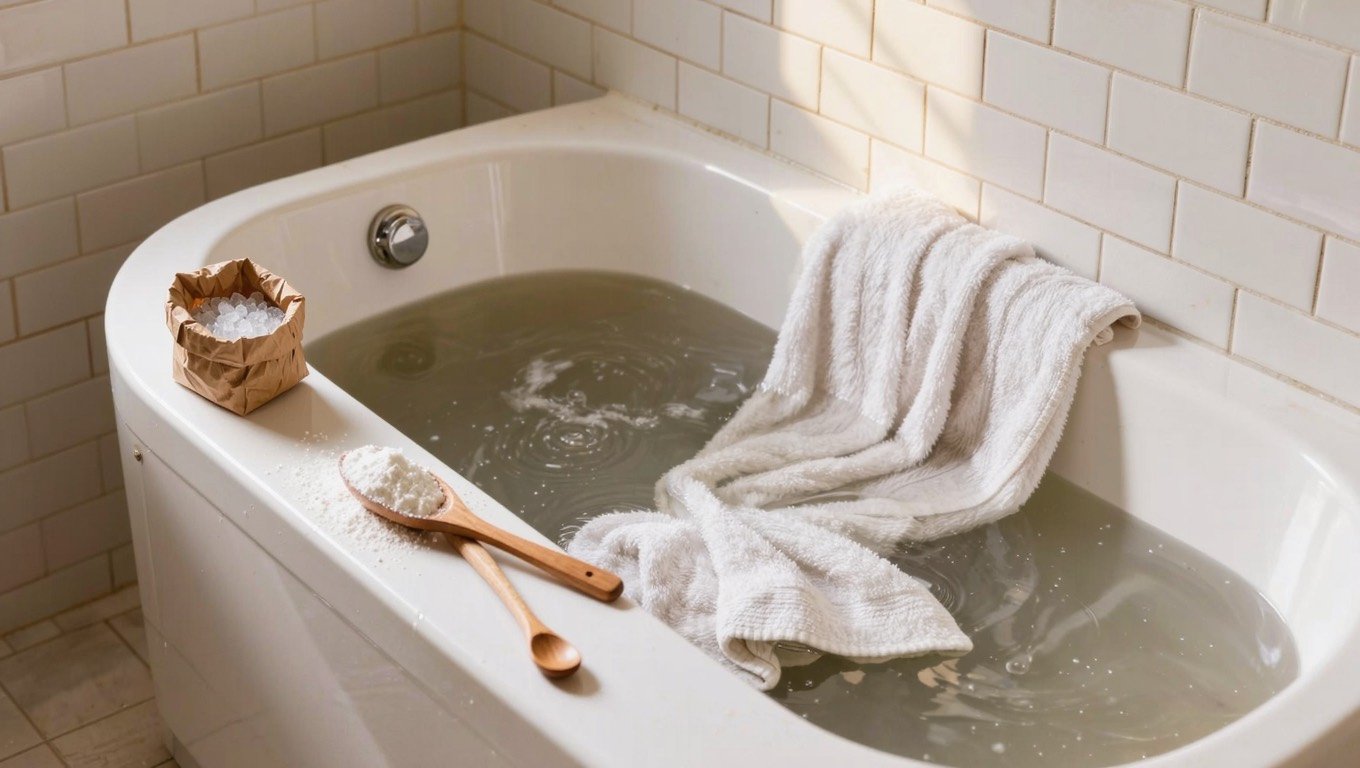
The reversible routine that protects both your laundry and your deposit: a monthly empty maintenance wash at the machine's hottest setting (60-90°C) with soda crystals, wiping the door gasket dry, and leaving the door and drawer ajar between washes. A black, mould-stained gasket is one of the most common appliance deductions at end of tenancy, and a replacement seal runs £80-£130 fitted — avoidable with five minutes a month.
Quick FAQs
- •Do I need it in every wash? No. Target genuine risk loads — kit, cloths, illness — and let detergent handle the rest
- •Does it replace detergent or softener? Neither. It kills microbes; it doesn't clean or soften, so dose detergent as normal
- •Will white vinegar do the same job? No. At drawer dilution vinegar is neither an effective disinfectant nor kind to rubber seals
- •Is there an eco downside? Yes — QACs are toxic to aquatic life and persistent, with ongoing debate about antimicrobial resistance. Use them selectively, and see our eco cleaning products guide for lower-impact swaps
- •Does it work in a 20°C cycle? Yes, down to about 15°C — but pair it with a decent-length cycle, not a rapid wash
Found this useful?
There's plenty more — hundreds of guides and honestly-tested product reviews for every corner of your home.
Browse All Guides