Laundry & Fabric Care · 6 min read · 30 May 2026
How to Remove Every Common Stain from Clothes (The Right Chemistry for Each)
Every stain belongs to a chemistry family, and each family has one right answer. Match them correctly and almost everything comes out.
By the Nims Casa editorial team — written from professional cleaning experience and checked against our editorial standards.
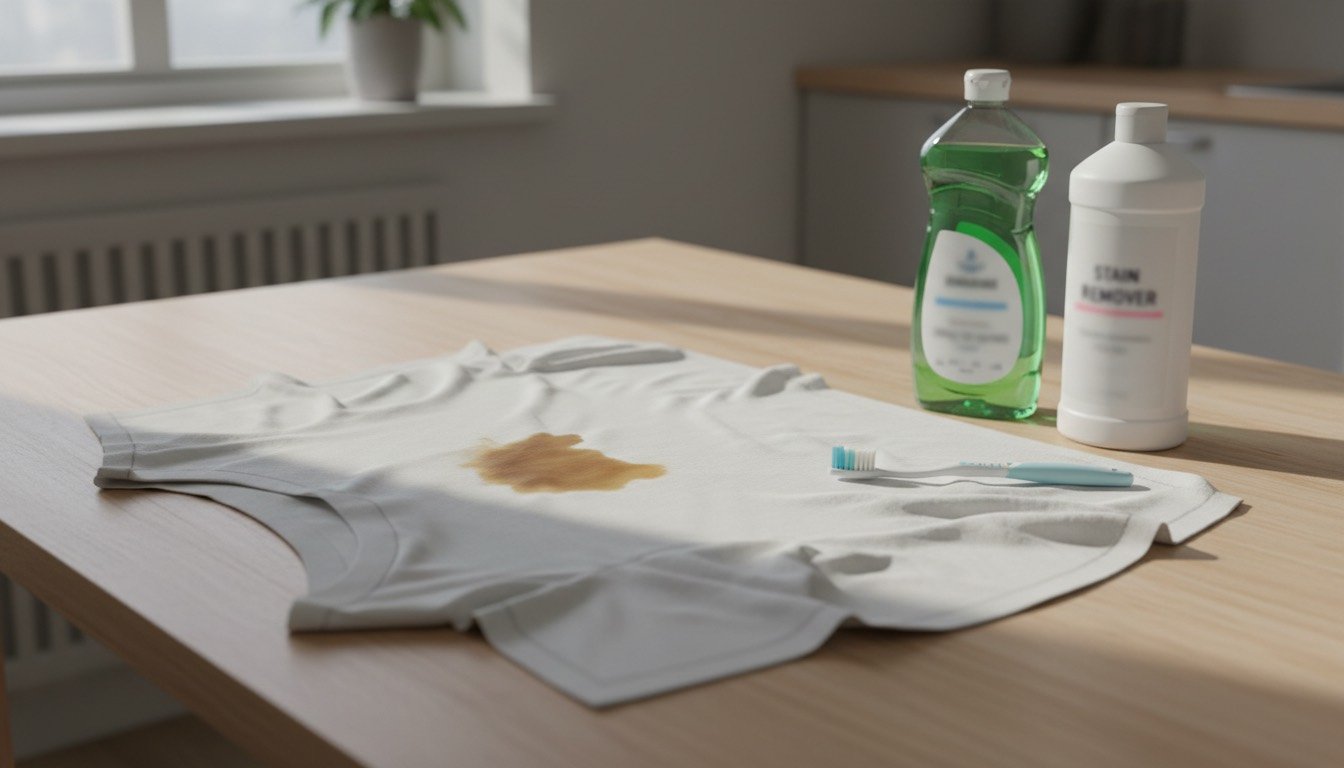
A curry splash on a work shirt ten minutes before you have to leave, grass ground into a school jumper, a felt tip mark on a sleeve — stain removal always feels like an emergency, but it's actually a small, solvable chemistry problem. Every clothing stain belongs to one of five families, and each family has exactly one correct treatment. Get it right and most stains lift in minutes; get it wrong — hot water on blood, soap on fresh red wine, a tumble dryer before the mark is gone — and you can bake it in for good.
This guide covers the five stain families, a stain-fighting kit under £20, the correct order of operations for any stain, the mistakes that turn a treatable mark permanent, and when to hand a garment to a professional instead.
None of it depends on expensive products. Speed and matching the treatment to the family are what determine whether a stain comes out.
Know Your Stain Family Before You Treat It
Reach for a product before identifying the family and you're guessing. These five categories cover almost every mark that lands on fabric.
- •Protein stains — blood, milk, egg, sweat: cold water only, never hot, because heat cooks protein into the fibres and sets it permanently. Rinse cold, then use a biological detergent — its enzymes break the protein down — before washing cold to warm. Dried blood needs a cold, salted-water soak first. This is the family that shows up most on school uniform.
- •Tannin stains — tea, coffee, red wine, squash: flush from the back with cool water, treat with an oxygen-based stain remover, then wash as warm as the label allows. Skip salt on wine — it does nothing useful despite the folklore — and skip soap on a fresh tannin stain, which can set the colour rather than lift it.
- •Oil and grease — butter, curry, bike chain grease, foundation: the one family that actually wants washing-up liquid, since it's engineered to break down fat. Work a drop into the dry stain, leave for ten minutes, then wash at the hottest temperature the garment allows. Curry is oil plus turmeric dye, so budget for two rounds and some daylight — UV genuinely fades turmeric.
- •Dye stains — grass, ballpoint ink, berries, hair dye: dab grass with methylated spirit on cotton wool before a biological wash, which matters most for the grass and mud that turn up on PE kit and trainers most weekends. Treat ink with alcohol hand sanitiser and a cloth underneath to catch the bleed-through, and pour boiling water through stretched cotton for fresh berry stains. Hair dye on clothes is close to permanent.
- •Pigment stains — mud, clay, make-up powder: let mud dry completely and brush it off before washing — treating it wet just grinds it deeper into the weave. The rare stain where waiting beats rushing.
Build a Stain-Fighting Kit for Under £20
Six items cover roughly 95% of clothing stains, and none are single-purpose miracle sprays. Skip the drawer of stain-specific products and buy these instead.
- •Washing-up liquid (from around 80p) — the go-to for oil and grease.
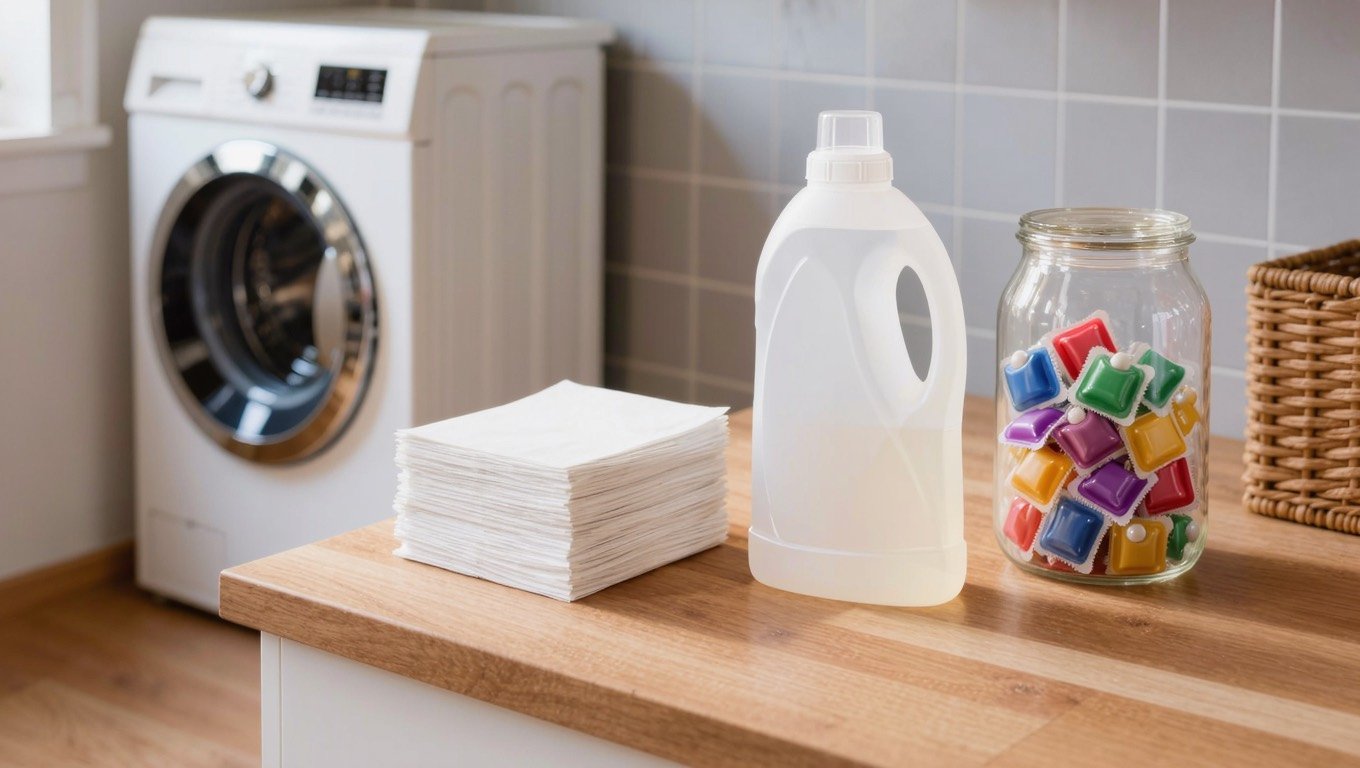
- •A biological detergent, liquid or in sheet form — £4–£8 depending on format — whose enzymes do the real work on protein stains.
- •An oxygen-based stain remover or bleach powder (£3–£6) — safe on most colours, and the right tool for tannins.
- •White vinegar (around £1) — freshens fabric and loosens mineral residue, though it's not a stain remover itself.
- •Methylated spirit (£3–£4 a bottle) — for grass and several dye stains.
- •A soft toothbrush or nailbrush (£1–£2) — works product into the weave without damaging fibres the way a scrubbed cloth can.
The Correct Order of Operations for Any Stain
The sequence matters as much as the products. Follow these steps in order for any fresh stain, regardless of family.
- •Act while it's fresh. The first ten to fifteen minutes matter more than any product on the shelf — a stain that's dried and bonded with the fibres is always harder to shift.
- •Scrape or blot, never rub. Rubbing pushes the stain deeper and roughs up the fibres; use a blunt knife to lift solids and a clean cloth to blot liquids from the edge inward.
- •Identify the family before reaching for anything. The wrong treatment on the right instinct — hot water on blood, for instance — can set a stain the correct approach would have lifted in seconds.
- •Treat from the back of the fabric where you can, so the stain is pushed out of the weave rather than further through it.
- •Test any product on an inside seam first, especially on wool, silk or anything without an obvious laundry symbol.
- •Wash at the temperature the stain family needs, not the one that's convenient — cold for protein, as hot as the label allows for grease.
- •Check the garment in daylight before it goes near a tumble dryer. A damp garment can always take another round of treatment; a heat-dried one usually can't.
Mistakes That Turn a Stain Permanent
A handful of habits account for most of the stains people write off as unfixable — nearly all of them are avoidable once you know what to look for.
- •Tumble-drying too soon. Dryer heat cures a stain into the fibres within minutes, and no product reverses it afterwards.
- •Using hot water on protein stains. Blood, sweat and milk marks go from still-liftable to cooked-in the moment they meet a hot tap.
- •Rubbing instead of blotting. This drives pigment and dye deeper into the weave and roughens the surface fibres, which then trap dirt faster next time.
- •Mixing bleach with anything ammonia-based, including some multi-surface sprays — it produces toxic fumes fast in an enclosed room.
- •Ignoring the care label. A treatment safe on cotton can strip colour from wool or degrade elastane. And greying whites despite correct stain treatment usually mean detergent build-up, not the stains.
Tricky Fabrics and When to Call a Professional
For delicate fabrics — silk, wool, leather trim, anything marked dry-clean only — home stain removal can do more damage than the stain. A professional dry cleaner has solvents a domestic cycle can't replicate, and a reputable local cleaner typically quotes £6–£15 for spot treatment on a single garment. Send it to a professional if the label rules out water treatment, the stain is old or wide, or the item is one you can't afford to risk — tailoring, wedding wear, anything lined.
If whites are coming out grey rather than stained, the fix usually isn't a different stain remover — it's addressing detergent or hard water build-up.
Frequently asked questions
**Can I still remove a stain that's already been through the tumble dryer?** Sometimes, though it's much harder. Soak the garment in cold water with an oxygen-based stain remover overnight, then wash on the hottest cycle the fabric allows. A mark that's faded rather than vanished usually needs two or three more soaks rather than a stronger product.
**Does the order matter if a garment has more than one stain?** Yes. Treat protein first, with cold water, so you don't accidentally set it, then move to tannin, then oil, since hot water and grease treatments can fix a tannin stain in place if applied first.
**Is white vinegar actually useful for stains, or just smells?** Mostly the latter. It neutralises odours well and lifts light tannin residue, but won't shift oil, dye or pigment on its own.
**Why do freshly washed clothes still smell musty?** Almost never the clothes — usually detergent or softener residue in the drum seal, a maintenance issue rather than a stain one. If cleaning the drum doesn't help, check whether the machine itself needs replacing.
**Do stain-remover pens work as well as the adverts suggest?** They're useful for a fresh, small stain when you can't reach a sink — enough to stop it setting until you're home for a proper treatment — but they're not a substitute for the family-specific method above.
Found this useful?
There's plenty more — hundreds of guides and honestly-tested product reviews for every corner of your home.
Browse All Guides