Energy & Insulation · 6 min read · 11 August 2026
Should You Fix Your Energy Tariff or Stay on the Price Cap? (Autumn 2026)
Fixed deals are pricing just below the cap, and Ofgem confirms the October figure by 26 August. Here is how to decide properly, and why the sums come out differently in a draughty Victorian terrace.
By the Nims Casa editorial team — written from professional cleaning experience and checked against our editorial standards.
The July to September 2026 price cap works out at roughly £1,663 a year for a typical dual-fuel household paying by direct debit. Ofgem confirms the October to December figure by 26 August, and forecaster Cornwall Insight expects a modest rise to around £1,701 to £1,747. That makes this a genuinely marginal decision: suppliers are pricing fixed deals just under the current cap, and whether a fix beats staying put over winter depends on a forecast, not a fact.
One point most comparison sites skate past: if you live in an older solid-walled house, the 'typical use' figure on tariff adverts does not describe your home, and that changes the maths more than the tariff itself.
Fix vs cap: side by side
First, the essential correction: the price cap does not cap your bill. It limits the unit rate (pence per kWh) and the daily standing charge. Use more energy and you pay more, cap or no cap.
- •Price certainty: Fix wins. Unit rates are locked for 12 or 24 months. Cap rates reset every three months.
- •Flexibility: Cap wins. Leave any time without penalty. Most fixes carry exit fees of £25 to £75 per fuel, so £50 to £150 for dual fuel.
- •If wholesale prices fall: Cap wins. Your rate drops automatically the following quarter. On a fix you keep paying the locked rate unless you pay to escape.
- •If wholesale prices rise: Fix wins. Full protection until the deal ends. On the cap you absorb the rise within weeks of Ofgem's announcement.
- •Standing charges: Broadly a draw at around 50 to 60p a day for electricity and 30 to 35p for gas, varying by region. Some fixes trade a lower unit rate for a higher standing charge, which punishes low users.
- •Effort: Cap requires none. A fix means comparing quotes and a short switching process, with no engineer visit.
How each performs when prices move
The biggest mistake is comparing a fixed quote against the current cap. A 12-month fix taken in September runs across four future cap quarters, so the honest comparison is against where the cap is heading, not where it sits today. With Cornwall Insight forecasting a rise of roughly 2 to 5 per cent for October to December, a fix priced level with the July cap is effectively cheaper than it looks.
The rule of thumb we give readers: a fix at or below the current cap rate is a reasonable bet while forecasts point upwards. A fix priced more than 3 to 4 per cent above the current cap needs prices to rise sharply and stay there to pay off, and forecasters are not predicting that.
The old-house problem: why 'typical use' misleads
Ofgem's typical-use figures assume 11,500 kWh of gas and 2,700 kWh of electricity a year. A solid-walled Victorian terrace with nine-inch brick, lime plaster, single-glazed sash windows and suspended timber floors can comfortably burn 16,000 to 20,000 kWh of gas heating the same floor area, because the fabric leaks heat at two or three times the rate of an insulated cavity-wall semi. Every headline figure on a comparison site understates what tariff changes will actually do to your bill.
This cuts both ways. Because your saving from a cheaper unit rate scales with consumption, a high-use older home gains more in pounds from a genuinely cheap fix, and loses more from a bad one. Pull your actual annual kWh from your latest bill or online account and compare tariffs on unit rate against that number. And if the house shows the classic signs it needs more insulation, or the sashes rattle in October winds, £200 spent on draught-proofing returns more every winter than any tariff decision you will ever make.
One more old-house wrinkle: several of the cheapest fixes are smart-meter-only. If the house still runs a pre-1970s fuse board or an awkward ageing meter position, the installer may refuse the job or require electrical remedials first, so do not bank a smart-only deal until the meter is actually in. Homes with Economy 7 storage heaters need both rates quoted; a single-rate fix can quietly make overnight charging dearer.
The cost over ten years
Nobody fixes for a decade, but the ten-year view is instructive. Households that fixed in early 2021 sailed through the crisis paying half what everyone else did; those who fixed at the panicked peak of late 2022 overpaid for two years. Over a full decade the strategies roughly wash out, because suppliers price fixes off the same wholesale curve the cap follows, and luck decides who comes out a few hundred pounds ahead.
What compounds reliably over ten years is consumption. Knock 3,000 kWh a year off a leaky house and you save £180 to £250 a year at current rates, on any tariff. Our home energy efficiency checklist is the sensible starting order, and simple habits like a properly scheduled smart thermostat routinely trim 8 to 12 per cent from heating bills in older, hard-to-heat homes.
Switching and managing a fix
Switching is administrative, not physical. It completes in about five working days, nothing changes at the meter, and the same energy arrives regardless of who bills you. Take readings on switchover day if you have no smart meter, and expect the old supplier's final bill within six weeks.
- •Diarise the end date. In the last 49 days of a fix you can leave without paying exit fees; this window is where the good deals get grabbed.
- •Never lapse silently. When a fix ends you roll onto the supplier's cap-priced standard variable tariff, which is rarely the best available.
- •Review the direct debit after three months. Suppliers estimate; if your credit balance climbs past a month's payment in winter, ask for a recalculation.
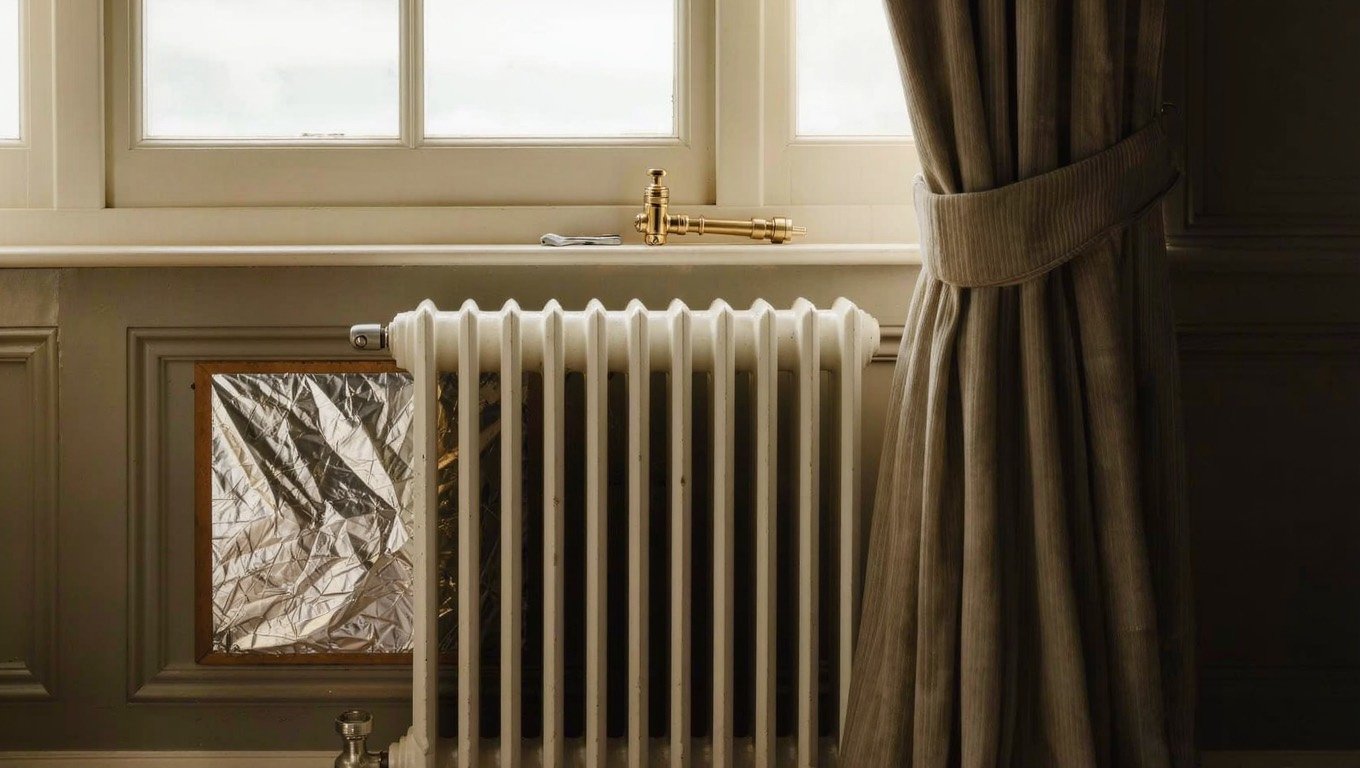
- •Keep the heating system honest. A fix protects the rate, not the waste; bleeding radiators and checking boiler pressure each autumn keeps the kWh side of the bill down.
- •Check exit fees before signing. £25 per fuel is tolerable insurance; £75 meaningfully weakens the case for fixing at all.
Who each suits, and our verdict
Fixing suits households on tight budgets who need a known monthly number, high-consumption older properties that have done the unit-rate maths against their real kWh, and anyone who lost sleep in the winter of 2022. The cap suits people moving house within the year, anyone about to add a heat pump or EV who will soon want a time-of-use tariff, prepayment customers with a thin choice of fixes, and those convinced prices will drift down through 2027.
Our verdict for autumn 2026: with the October cap forecast to rise slightly, a 12-month fix priced at or below the current cap, with exit fees of £50 or less per fuel, is a sensible low-regret choice; certainty through a winter has real value in a cold house. Do not pay above the current cap for a fix, do not sign a smart-only deal before the meter exists, and whatever you choose, run through the winter heating system checklist in September, because the cheapest kilowatt-hour on any tariff is the one your house stops wasting.
Found this useful?
There's plenty more — hundreds of guides and honestly-tested product reviews for every corner of your home.
Browse All Guides