Energy & Insulation · 6 min read · 10 July 2026
Home Energy Efficiency Checklist for Older UK Houses (Printable)
Most energy checklists assume a 1990s cavity-walled box. If your house has solid brick, sash windows and lath and plaster, half the standard advice is wrong and some of it causes damp.
By the Nims Casa editorial team — written from professional cleaning experience and checked against our editorial standards.
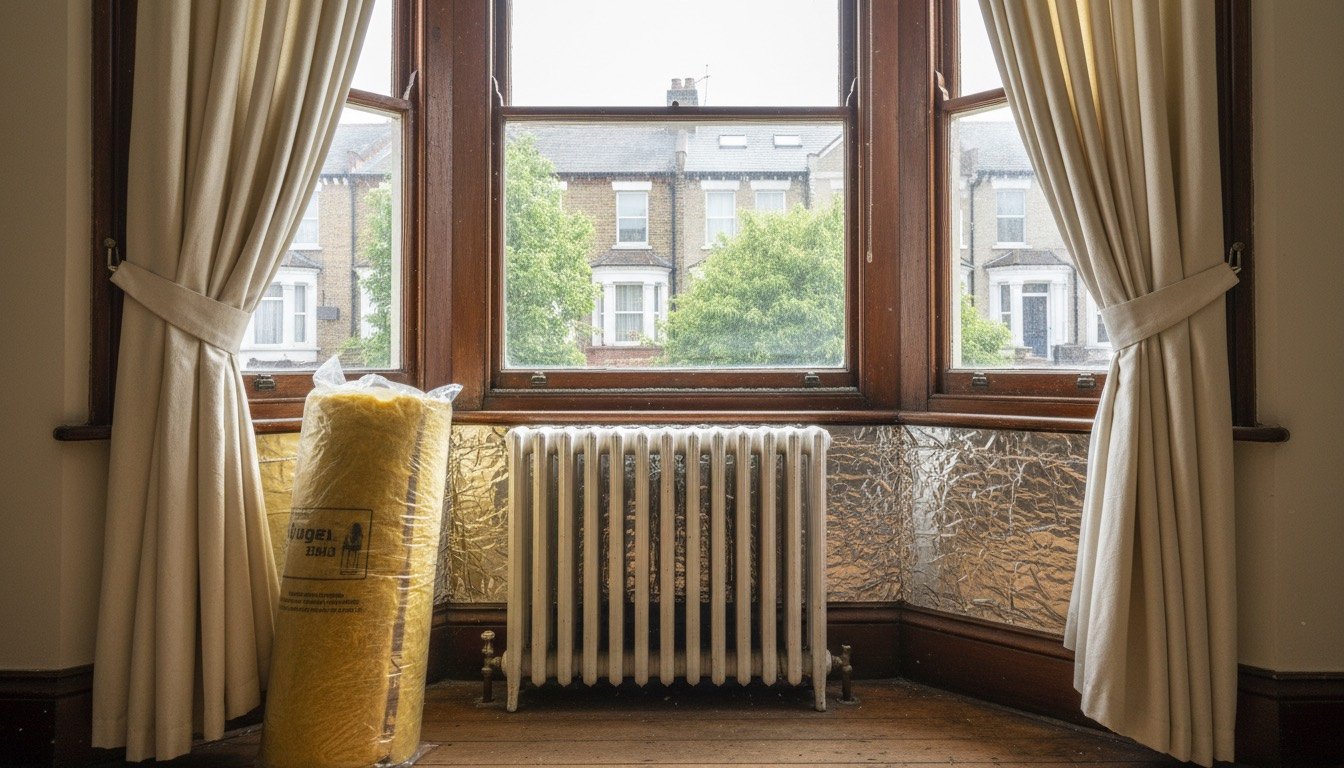
Roughly a fifth of British housing stock went up before 1919, and another third before 1970. Those houses lose heat in different places from a modern estate build, and they punish the standard advice: seal a solid-walled Victorian terrace as tightly as a new-build and you will be scrubbing black mould off the bedroom walls by February.
This is the checklist we work through on older properties, grouped by how often each job needs doing, with honest times and costs. Print it, tick it off, and read the last section before spending anything above £500. The tax side of the bill moved recently too — see VAT on energy bills explained for what changed.
First: work out what you actually own (30 minutes, free)
Establish these before you buy anything. The wrong upgrade on an old house is expensive and sometimes damaging.
- •Wall construction: measure a window reveal. Around 225mm of brick with no gap means solid wall (U-value roughly 2.1 W/m²K). Around 270-300mm with a gap means a cavity worth filling.
- •Windows: original timber sashes, 1980s aluminium, or uPVC? Sashes rattle because the parting bead has shrunk, not because the glass is thin.
- •Wall linings: tap them. A hollow, drummy note upstairs usually means lath and plaster on timber studs. Hard and dead means lime plaster on brick. Neither takes heavy fixings.
- •Wiring: a wooden fuse box, rewireable fuses, or black rubber-sheathed cable in the loft means a pre-1970 installation that needs an EICR (£150-£250) before you add anything, EV charger included.
- •Drainage: check gullies, hopper heads and cast-iron downpipes. A wet solid wall conducts heat far faster than a dry one, so gutter and drainage maintenance is genuinely an energy job.
Monthly and quarterly: 20 minutes, near enough free
The habit jobs. None takes long, and skipping them is why bills creep up 10-15% over a few winters without anything obviously breaking.
- •Check radiators for cold tops and cold bottoms. Cold at the top is air and takes five minutes to fix — see bleeding radiators and re-pressurising the boiler. Cold at the bottom is sludge and needs a professional.
- •Vacuum inside and behind radiators. On cast-iron column radiators the dust mat between sections measurably slows output.
- •Check the kitchen and bathroom extractors still hold a sheet of paper against the pull. A dead fan in an old house pushes moisture into the plaster instead.
- •Read the meters on the same date each month and log kWh, not pounds. At roughly 25p per kWh for electricity and 6.5p for gas, a 300 kWh jump is £20 you can trace.
- •Check the loft hatch seal. Warm air escaping through a badly fitted hatch is one of the biggest single leaks in a terrace.
Autumn: the annual push (one weekend, £120-£300)
September and October are the working window. Sealants cure properly above 8°C, and you want the heating tested before the first cold snap when every engineer in the county is booked solid.
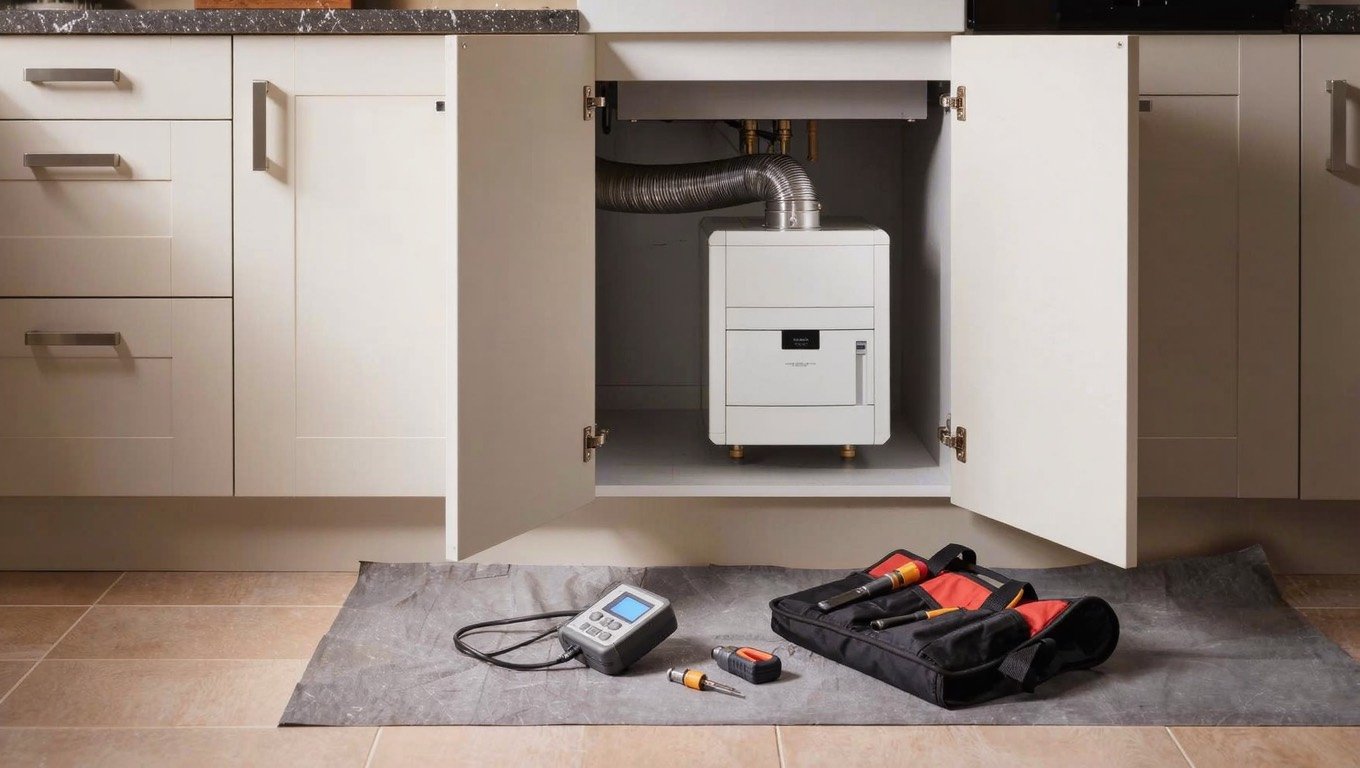
- •Boiler service: £80-£130, one hour, annually. Non-negotiable if the appliance is gas.
- •Draught-proof the sashes: brush seals in routed grooves cost £40-£70 per window in materials, or £180-£350 per window fitted by a joiner. This alone typically cuts the draught rate of a Victorian front room by a third. More in our draught-proofing guide.
- •Block unused chimneys with a chimney sheep or balloon: £20-£35, ten minutes. An open flue pulls 20-50 cubic metres of heated air out per hour. Leave the throat vent or a small airbrick open — never seal a flue completely.
- •Fit door brush strips and letterplate flaps: £12-£25 per door, 20 minutes each.
- •Fill the gaps between floorboards on suspended timber floors — softwood slivers glued in, or rubber gap filler at £2-£3 per metre run. A draughty Victorian floor can be 15-20% of a room's heat loss.
- •Balance the system and fit thermostatic valves (£12-£18 each). Unused bedrooms on 2, living space on 3-4.
- •Sweep any working chimney: £60-£90, and keep the certificate for your insurer.
Winter and spring: verify, then repair
Winter is diagnosis season: the temperature difference across the walls is big enough to show problems. Spring is when you fix the fabric, because lime mortar and lime plaster need frost-free weather to cure.
- •Winter, free: on the first morning below 3°C, walk the house with the back of your hand at skirting height. Cold streams at skirtings, sash boxes and the loft hatch are your target list.
- •Winter, £150-£350: a thermal imaging survey, taken with at least a 10°C indoor-outdoor difference. On old houses this is worth more than an EPC, which assumes construction types your house doesn't have.
- •Winter, free: watch the coldest wall corners for condensation. If it appears after you draught-proof, you have over-sealed and need to restore ventilation before it becomes damp and mould.
- •Spring, £8-£14 per m²: insulate between the joists under a suspended timber floor with 100mm mineral wool in breathable netting. Two people, a full day per room, plus the misery of lifting boards.
- •Spring, £25 per roll: top loft insulation up to 270mm. In a roof with no sarking felt, keep a 50mm ventilation gap at the eaves.
- •Spring, £60-£140 per m²: secondary glazing on sashes — magnetic acrylic at the cheap end, slim aluminium at the top. It takes a single-glazed sash from around 4.8 to 1.8 W/m²K without touching the original joinery, usually the better call than replacement, as we set out in restore versus replace historic windows.
If you only have one weekend and £150
Do these five, in this order. Highest return per pound on a pre-1970s house, and none of them risks doing damage.
- •Chimney sheep in every unused flue — £25 each, the biggest single win.
- •Loft hatch: draught strip plus 100mm of insulation screwed to the back — £15.
- •Door and letterplate seals — £40 for a typical terrace.
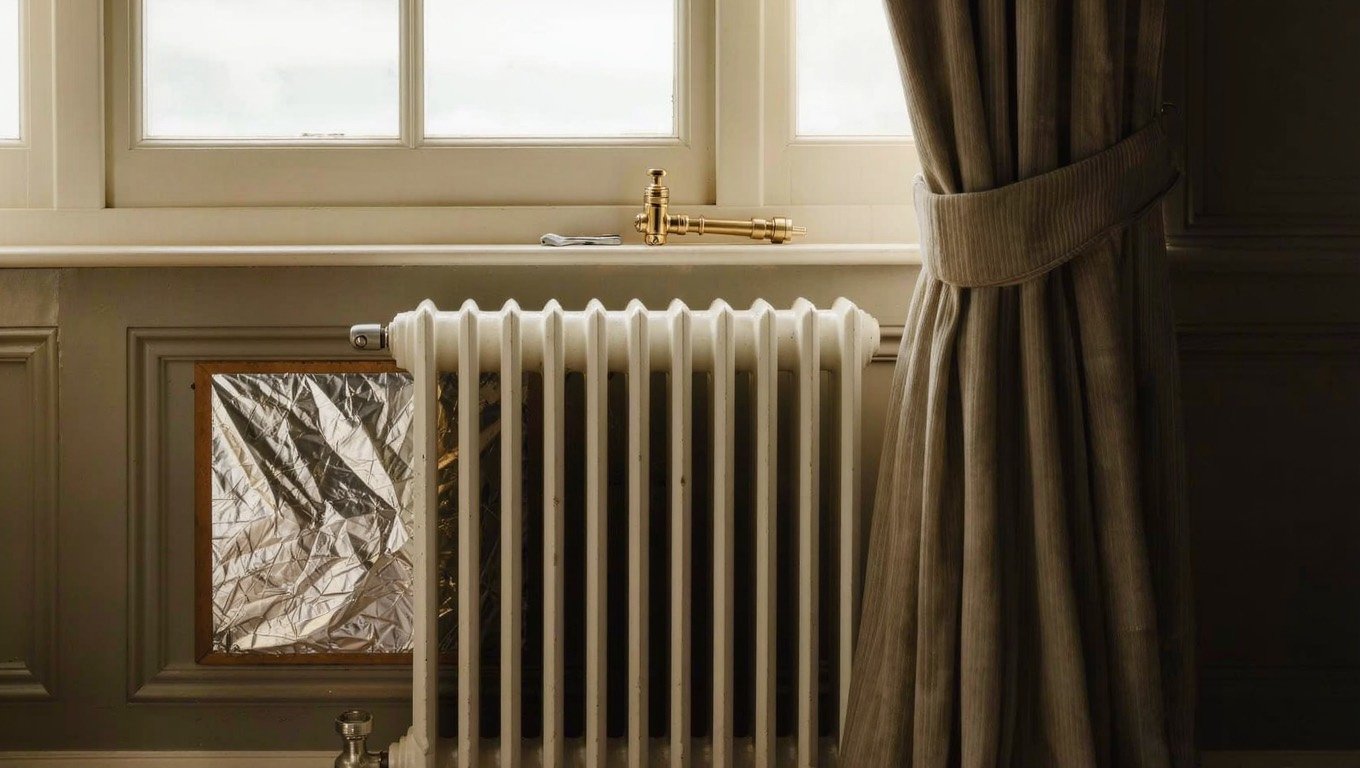
- •Radiator reflector panels, external walls only — £15 for four, genuinely useful behind uninsulated solid brick.
- •Heavy interlined curtains on a pole wide enough to clear the reveal, closed at dusk — often already in the loft.
The old-house traps (and when to stop)
Solid brick and lime plaster work by absorbing moisture and releasing it again. Wrap that construction in impermeable insulation, foam and plastic membranes and the moisture stays in the wall, the timber joist ends buried in that wall rot, and the plaster blows. It is the most common expensive mistake we see on retrofit jobs.
So: no cavity fill in a solid wall, no expanding foam around sash boxes, no cement render over lime mortar, and never seal every airbrick under a suspended floor. If you are lining walls, specify vapour-open woodfibre boards on lime, budget £70-£120 per m² fitted, and accept losing 60-100mm off each external wall. Fixings into lath need the studs behind — the same rules as in repairing old plaster walls.
Stop and call someone for: any gas appliance work, an EV charger or heat pump on pre-1970s wiring, internal wall insulation in a listed building or conservation area (consent is likely), and any job that would bury an unventilated joist end. A PAS 2035 retrofit assessment costs £300-£500 and is money well spent before a five-figure project. Everything on the monthly and autumn lists you can do yourself in a weekend. If you are prioritising, start with the gas-side jobs: October's price cap rise is a gas problem, so that is where this winter's saving sits.
Found this useful?
There's plenty more — hundreds of guides and honestly-tested product reviews for every corner of your home.
Browse All Guides